 WAR ATLAS MILITARY HISTORY MAGAZINE · WWI — WWII
Witold Pilecki
1. Lead
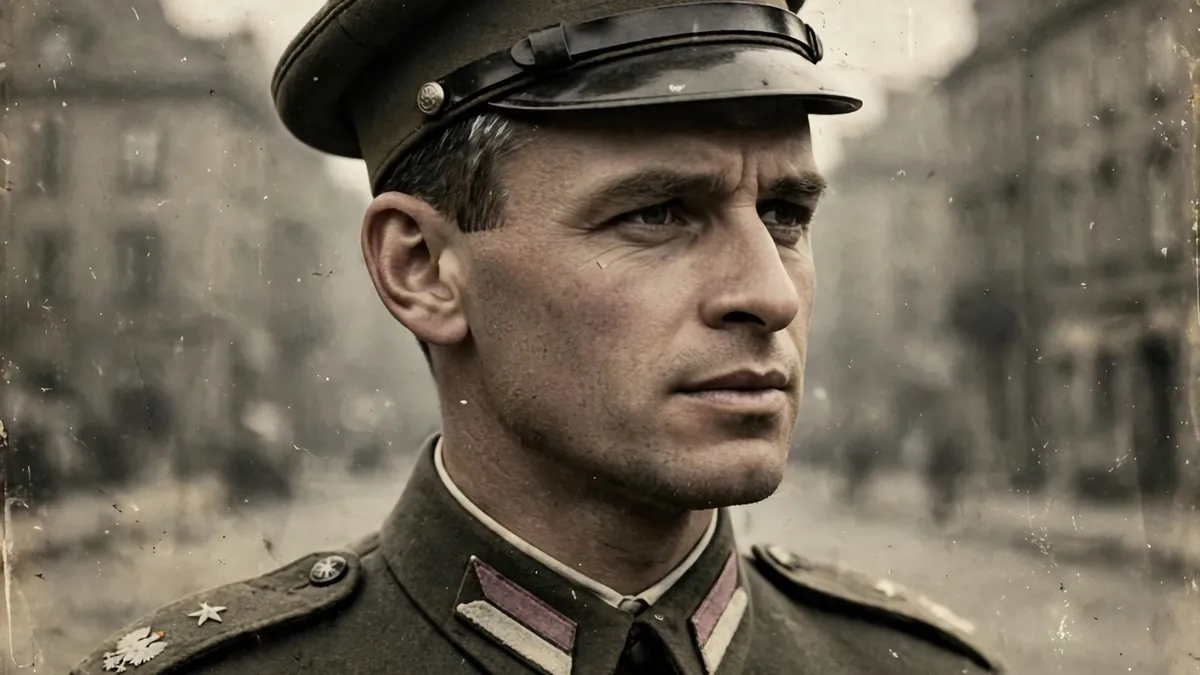
Witold Pilecki (13 May 1901 – 25 May 1948) was a Polish cavalry officer, intelligence agent and resistance fighter whose life contains one of the most extraordinary acts of courage in the Second World War. In September 1940, a year after Germany and the Soviet Union had invaded and divided Poland, Pilecki volunteered to be arrested by the Germans in Warsaw and sent to the concentration camp at Auschwitz, which was then a camp for Polish political prisoners and had not yet become the centre of the mass murder of the Jews. His mission, given to him by the Polish underground, was to gather intelligence about the camp, to organise a resistance movement among the prisoners, and, if possible, to prepare an uprising or an escape. He spent almost three years in Auschwitz, from September 1940 to April 1943, organising a secret military organisation inside the camp, smuggling reports to the Polish government-in-exile in London, and sending the first detailed accounts of the mass murder at Auschwitz to reach the Western Allies. He escaped in April 1943, fought in the Warsaw Uprising of 1944, and after the war was arrested by the Communist authorities in Poland, tried on false charges of espionage, and executed on 25 May 1948.
Pilecki’s story was suppressed for more than forty years. Under the Communist regime in Poland, his name could not be mentioned, his reports were not published, and his family was persecuted; in the West, his reports, although they reached London in 1941 and 1942, were not believed, or were not acted upon, and the full scale of the murder at Auschwitz was not understood until the camp was liberated in January 1945. Since the fall of Communism in 1989, Pilecki has been recognised as one of the great heroes of the Polish resistance and of the war as a whole: his reports, collected in the volume known as Witold’s Report, are now regarded as one of the most important documents of the Holocaust, and he has been honoured in Poland, in Israel and in the United States as a man who risked his life to tell the world what was happening at Auschwitz, and who was murdered by the regime that followed the one he had fought.
2. Key Facts
| Born | 13 May 1901, Olonets, Russian Empire (now in Karelia, Russia) |
| Died | 25 May 1948 (aged 47), Warsaw, Poland (executed by the Communist authorities) |
| Nationality | Polish |
| Role / Office | Captain (later Major) of cavalry; officer of the Polish Secret Army (Tajna Armia Polska) and the Home Army (Armia Krajowa); prisoner No. 4859 at Auschwitz |
| Known for | Volunteering to enter Auschwitz in September 1940; organising resistance inside the camp; Witold’s Report (1943–1945), the first detailed account of the mass murder at Auschwitz; fighting in the Warsaw Uprising (1944) |
| Spouse / Family | Maria Ostrowska (married 1931); two children, Andrzej Pilecki and Zofia Pilecka-Optyłowicz |
| Military rank | Captain (later posthumously promoted to Colonel) |
3. Early Life and Education
Family and Childhood
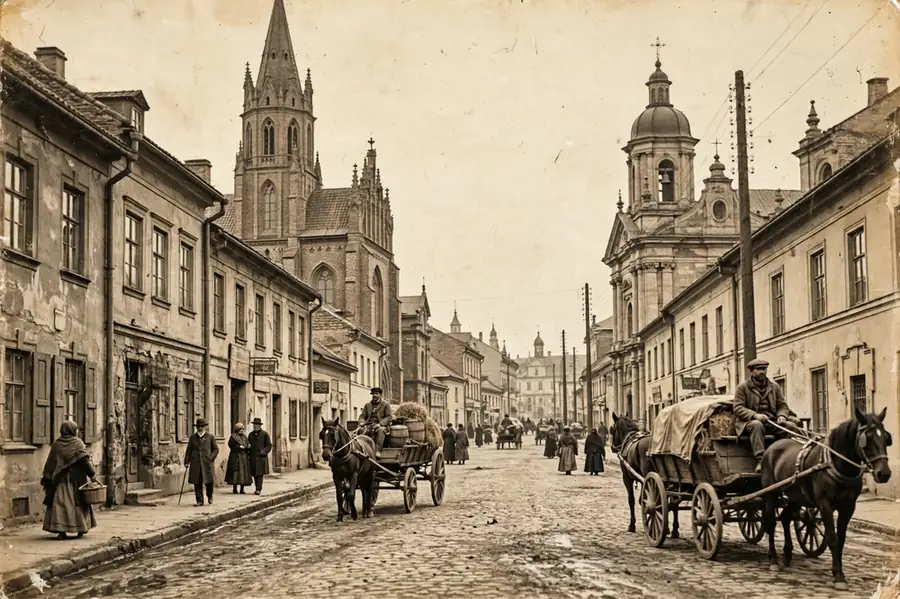
Witold Pilecki was born on 13 May 1901 at Olonets, in the Russian Empire, into a Polish noble family that had been exiled from its lands in Lithuania after the January Uprising of 1863 against Russian rule. His family, the Pileckis, were landowners of the old Polish-Lithuanian Commonwealth, and they had lost their estates for their part in the uprisings against Russia; Witold grew up in the shadow of that history, in a family that regarded service to Poland as a duty and that taught its children that Poland, although it had been partitioned and erased from the map, still existed as a nation. He spent his childhood in Vilnius, the historic capital of Lithuania, where he attended school and where he joined the Polish scouting movement, which in the Russian Empire was a forbidden organisation that taught Polish history, Polish language and the skills of military service. The scouting movement, and the secret Polish organisations of Vilnius, gave him his first experience of underground work, and they taught him the habits — of secrecy, of discipline, of loyalty to a cause — that would define his life.
Vilnius and the Polish Cause
Vilnius, the city in which Pilecki grew up, was a centre of Polish culture and of Polish resistance to Russian rule, and it shaped him in ways that remained visible throughout his life. The city was claimed by Poles, Lithuanians, Russians and Jews, and its streets were the scene of a constant struggle over language, over schools and over identity; Pilecki, who spoke Polish, Russian and Lithuanian, grew up in a world in which nationality was not a matter of birth but of choice, and he chose Poland. He joined the Polish Military Organisation, the secret army created by Józef Piłsudski, and in 1918, when Poland regained its independence after the First World War, he joined the Polish army and fought in the Polish-Soviet War of 1919–1920, serving as a cavalryman in the battles for Vilnius and for Warsaw. The experience of that war, in which Poland had defended its independence against the Soviet Union, left him with a deep hatred of Communism and a deep attachment to the Polish army, and it also gave him his first experience of combat, an experience that would shape his approach to the underground war of 1939–1945.
Education and First Service
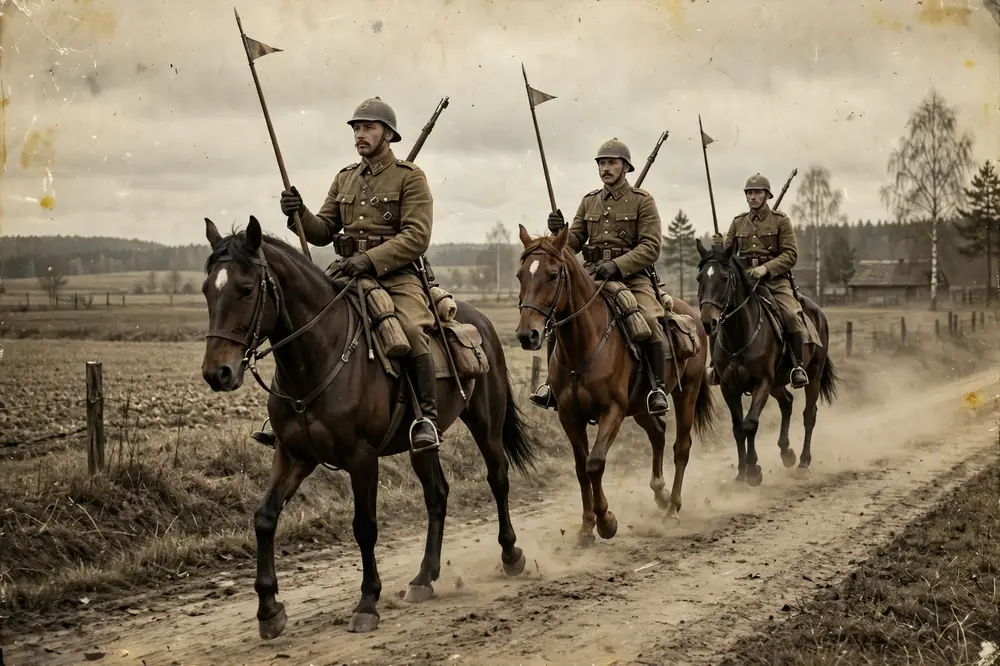
Pilecki’s education was interrupted by war, and he never completed a university degree. He studied agriculture at the University of Poznań, intending to become a farmer on the family estate at Sukurcze, near Lida, which he inherited after the Polish-Soviet War, and he married Maria Ostrowska in 1931 and settled there with his family. He was a successful farmer, a respected figure in the local community, and an officer in the reserves, serving in the 19th Uhlan Regiment, and he took part in the social and cultural life of the Polish countryside, founding a local agricultural cooperative and a dairy. He was not, by temperament, a conspirator or a professional soldier; he was a landowner, a husband and a father, who had chosen a quiet life on his estate. The invasion of Poland in September 1939 changed that life for ever, and it revealed in Pilecki a capacity for action that his quiet life had concealed: when the Germans and the Soviets invaded, he joined the Polish army, fought in the September Campaign, and, after the defeat, refused to accept the occupation, joining the underground and beginning the work that would take him to Auschwitz.
4. Rise to Prominence
The September Campaign and the Underground
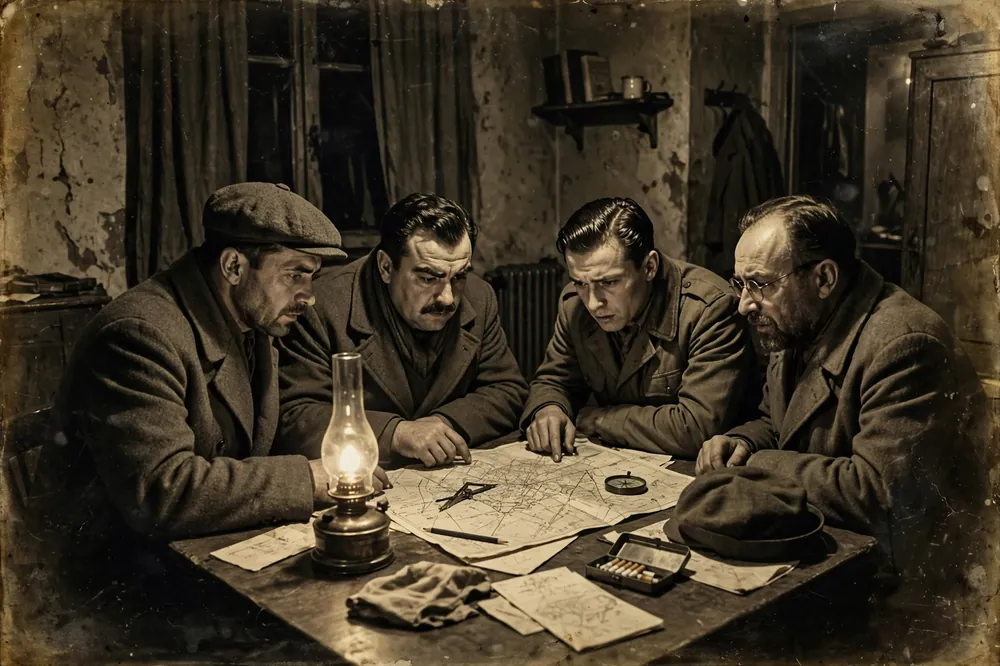
When Germany invaded Poland on 1 September 1939, Pilecki was mobilised as a second lieutenant in the 19th Uhlan Regiment, and he fought in the September Campaign, the brief and hopeless defence of Poland against the German and Soviet invasions. His regiment fought in the battles in eastern Poland, and after the Soviet invasion of 17 September, it was forced to retreat towards the Romanian border; Pilecki, who refused to cross into Romania and be interned, returned to Warsaw, which was under siege, and took part in its defence until the city surrendered on 27 September. After the surrender, he refused to accept the occupation, and in November 1939 he co-founded, with Major Jan Włodarkiewicz, the Secret Polish Army, the Tajna Armia Polska, one of the first underground organisations in occupied Poland. The Secret Polish Army was a military organisation, not a political one, and its purpose was to prepare for an uprising against the Germans, to gather intelligence, and to protect the Polish population from the terror of the occupation. Pilecki became one of its leading officers, and in 1940 he was given the mission that would make him famous: to enter Auschwitz, to gather intelligence about the camp, and to organise resistance among the prisoners.
The Decision to Enter Auschwitz
The decision to enter Auschwitz was Pilecki’s own, and it was a decision that no other officer in the Polish underground was willing to make. In the summer of 1940, the Germans were arresting Polish intellectuals, officers and priests in Warsaw, and sending them to Auschwitz, which had been opened in June 1940 as a concentration camp for Polish political prisoners. The underground knew that men were disappearing into the camp and that few came out, but it did not know what was happening inside, and it needed an officer who would go in, gather intelligence, and organise the prisoners. Pilecki volunteered, and on 19 September 1940 he deliberately walked into a German round-up in Warsaw, using false papers in the name of Tomasz Serafiński, and he was arrested and sent to Auschwitz, where he was registered as prisoner No. 4859. The decision was, in the words of his biographer, an act of “suicidal courage”, and it was a decision that Pilecki made knowing that he might never come out, and that his family might never know what had happened to him. He did not tell his wife what he was doing, and he left her a letter in which he said only that he was going on a mission from which he might not return.
5. Witold Pilecki’s Role in World War II
Inside Auschwitz: Organisation and Intelligence
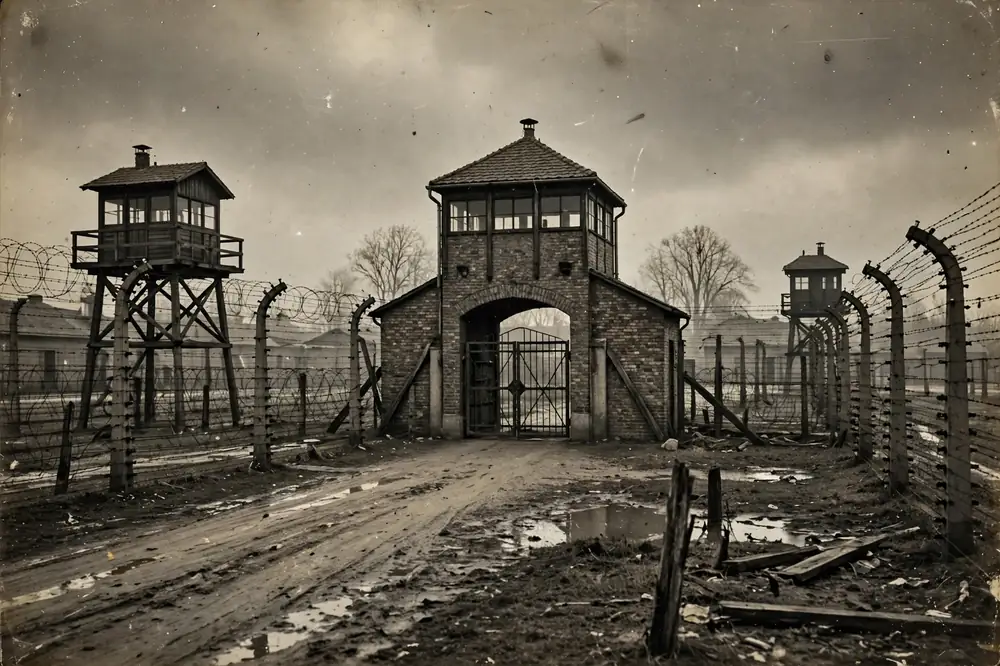
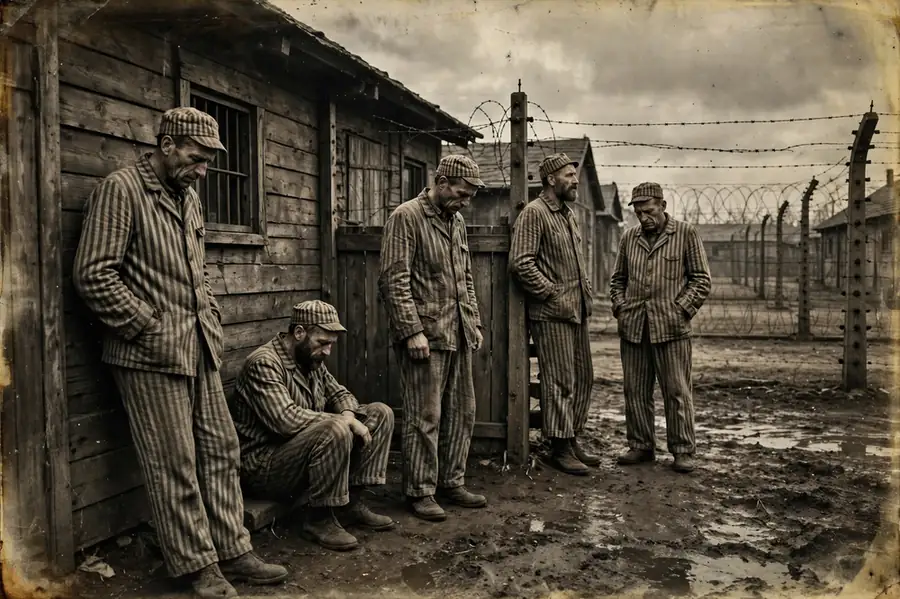
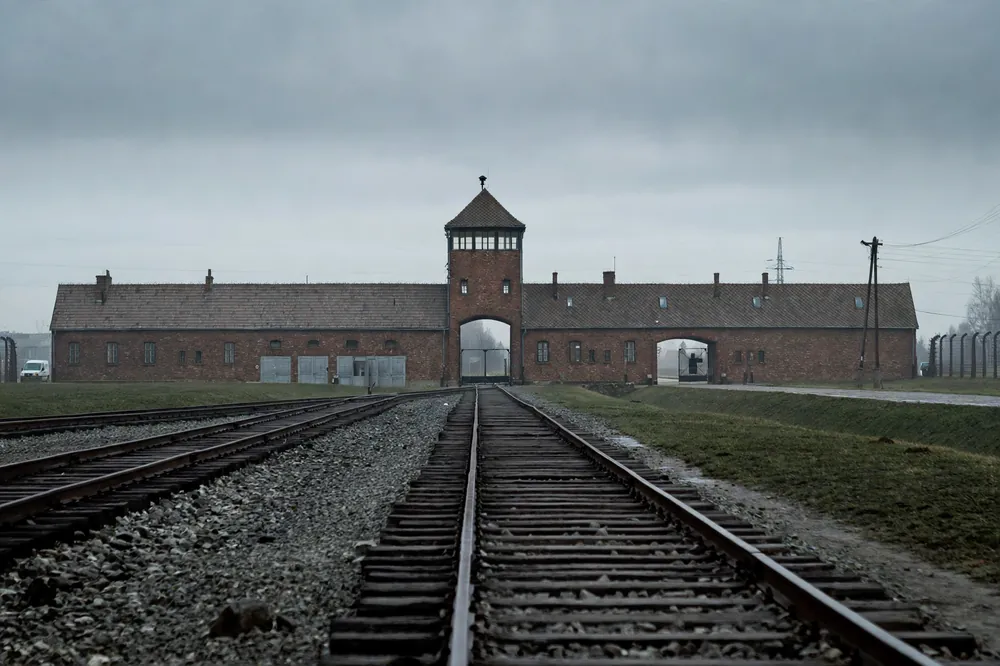
Pilecki spent almost three years in Auschwitz, from September 1940 to April 1943, and during that time he created the first resistance organisation inside the camp, the Union of Military Organisation, the Związek Organizacji Wojskowej, known as ZOW. The organisation was built cell by cell, with prisoners recruited from the Polish political prisoners, and it had several purposes: to improve the morale of the prisoners, to provide them with extra food and medicine smuggled from outside, to gather intelligence about the camp, and to prepare for an uprising or an escape. Pilecki and his comrades smuggled reports out of the camp, through prisoners who were released, through civilian workers who came into the camp, and through the underground network in the town of Oświęcim, and the reports reached the Polish government-in-exile in London, where they were read by the British and American governments. The reports described the conditions in the camp, the numbers of prisoners, the methods of murder, and, from 1942 onwards, the mass murder of the Jews in the gas chambers at Birkenau, which Pilecki was among the first to describe in detail. His reports were the first to reach the West, and they were, in the words of the historian Michael Schudrich, “the first comprehensive account of the Holocaust to reach the Allies”.
Witold’s Report
The reports that Pilecki smuggled out of Auschwitz, and the long report that he wrote after his escape, known as Witold’s Report, are among the most important documents of the Holocaust. The report, written in 1943 and expanded in 1945, runs to more than a hundred pages, and it describes the camp in detail: the layout, the administration, the SS guards, the prisoners, the work, the punishments, the selections, and the gas chambers. It also describes the resistance organisation, the attempts to organise an uprising, and the reasons why an uprising was not attempted: the prisoners were too weak, the SS too strong, and the Allies, who were asked to bomb the camp or to drop arms to the prisoners, refused to do so. The report is a remarkable document, not only for what it says, but for the fact that it was written by a man who had lived through what he described, and who had risked his life to describe it. It was not published in full until after the fall of Communism, and it is now regarded as one of the essential sources for the history of Auschwitz.
Escape and the Warsaw Uprising
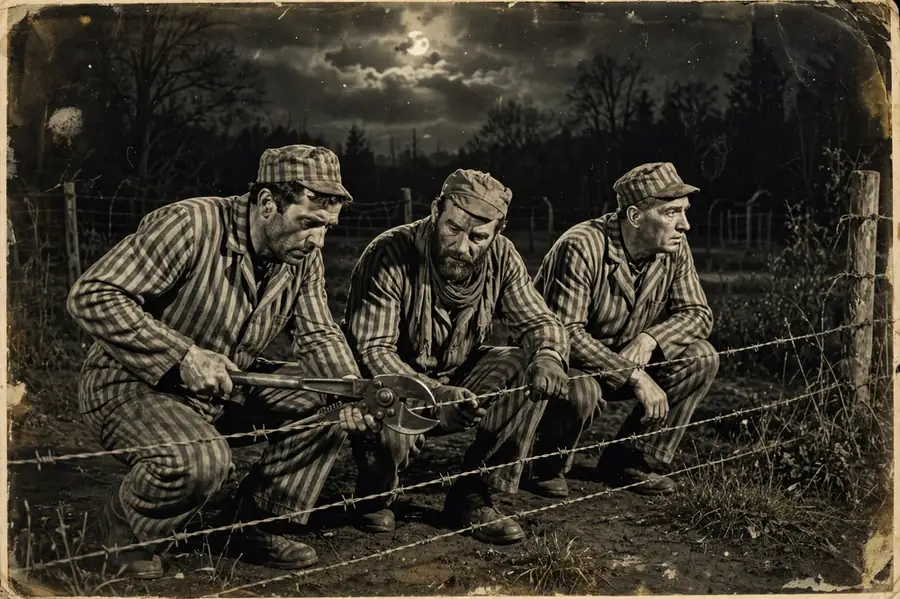
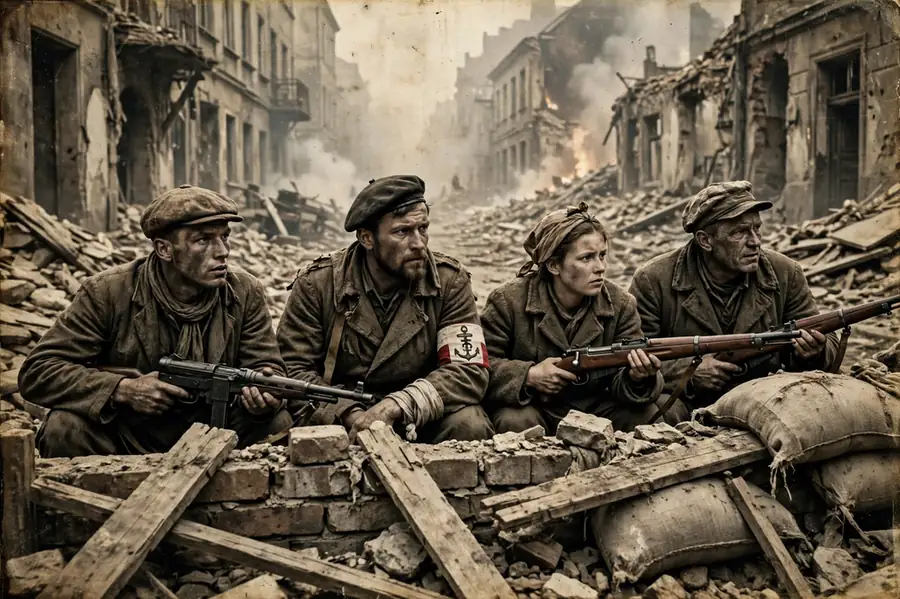
In April 1943, Pilecki decided that he had done all that he could inside the camp, and that he needed to escape in order to report in person to the Polish underground and to the government-in-exile, and to persuade the Allies to act. On the night of 26–27 April 1943, he and two other prisoners, Jan Redzej and Edward Ciesielski, escaped from Auschwitz, cutting through the wire and fleeing into the night, and after a journey of several days they reached the underground network in the General Government, the German-occupied part of Poland. Pilecki reported to the Home Army, the Armia Krajowa, and he wrote his report on Auschwitz, which was sent to London, where it was read by the British government. He then returned to the underground, and in August 1944 he took part in the Warsaw Uprising, the attempt by the Home Army to liberate Warsaw from the Germans before the arrival of the Soviet army. He fought as a private soldier in the uprising, refusing a commission so that he could fight in the ranks, and after the surrender of the uprising in October 1944 he was taken prisoner by the Germans and held in a prisoner-of-war camp in Germany until the end of the war. He was liberated by the Americans in April 1945, and he returned to Poland, where he was arrested by the Communists.
After the War: Arrest and Execution
After the war, Pilecki returned to Poland and joined the intelligence service of the Polish government-in-exile, gathering information about the Communist regime and sending it to London. In May 1947 he was arrested by the Communist security service, the UB, and he was tortured, tried on false charges of espionage for the West, and sentenced to death. The trial, which was held in March 1948, was a show trial, in which the evidence was fabricated and the witnesses were coerced, and Pilecki, who had survived Auschwitz, was condemned by the regime that had replaced the Germans. He was executed on 25 May 1948 in the Mokotów prison in Warsaw, and his body was buried in a secret grave, so that his family could not visit it. His wife and children were persecuted, his son Andrzej was imprisoned, and his name was erased from Polish history for more than forty years. It was not until after the fall of Communism in 1989 that his story was told, his reports were published, and his execution was recognised as a judicial murder.
6. Key Decisions
Decisions in the Underground
Volunteering for Auschwitz (September 1940). Pilecki’s decision to volunteer to be arrested and sent to Auschwitz was the most extraordinary decision of his life, and it was a decision that no other officer in the Polish underground was willing to make. It was a decision to enter a place from which few men returned, in order to gather intelligence and to organise resistance, and it was a decision that he made knowing that he might never come out.
Organising the resistance inside the camp (1940–1943). His decision to build the Union of Military Organisation, cell by cell, inside Auschwitz, was a decision to create hope in a place designed to destroy it. The organisation provided food, medicine and morale to the prisoners, and it gathered the intelligence that Pilecki smuggled to London; it also prepared for an uprising, although the uprising was never attempted, because the prisoners were too weak and the SS too strong.
Escaping (April 1943). His decision to escape in April 1943, rather than to remain in the camp and continue the resistance, was a decision to report in person, and to persuade the Allies to act. The escape was successful, but the Allies, who received his report, did not bomb the camp or drop arms to the prisoners, and Pilecki’s hope that the Allies would act was disappointed.
Decisions After the War
Returning to Poland (1945). Pilecki’s decision to return to Poland after the war, rather than to remain in the West, was a decision to continue serving his country, even though he knew that the Communist regime would regard him as an enemy. He returned, he gathered intelligence for the government-in-exile, and he was arrested, tried and executed for it.
Refusing to confess (1947–1948). During his interrogation and trial, Pilecki refused to confess to the false charges against him, and he refused to denounce his comrades. His refusal was a final act of courage, and it was a refusal that cost him his life, but it also preserved his honour, and it is the reason why he is remembered as a hero rather than as a victim. His refusal also protected the men who had served with him, because the interrogators, who wanted the names of his comrades, obtained nothing from him, and his silence became, for the Polish underground, a final example of the discipline he had practised since his days in Vilnius.
7. Controversies
Why Was His Report Not Acted Upon?
The most painful controversy about Pilecki concerns the fate of his reports. His reports reached London in 1941 and 1942, and they were read by the British government, by the Polish government-in-exile, and by the American government; yet the Allies did not bomb Auschwitz, they did not drop arms to the prisoners, and they did not, until 1944, publicly acknowledge the scale of the murder at Auschwitz. Historians have debated why the reports were not acted upon, and the debate has produced several explanations: that the Allies did not believe the reports, because the scale of the murder seemed incredible; that they believed them, but regarded the bombing of Auschwitz as militarily impractical, because the camp was beyond the range of Allied bombers until 1944; and that they believed them, but gave priority to winning the war, and regarded the rescue of the Jews as a secondary objective. None of these explanations is entirely satisfactory, and the controversy continues. What is certain is that Pilecki’s reports were among the earliest and most detailed accounts of the Holocaust to reach the West, and that the failure to act upon them remains one of the great moral failures of the Allied war effort.
The Question of Belief
A related controversy concerns the question of belief: did the Allies believe Pilecki’s reports, or did they dismiss them as exaggeration? The evidence suggests that the reports were believed by those who read them in detail, but that they were not believed by the public, or by the politicians who would have had to act upon them. The Polish government-in-exile published a report on Auschwitz in 1942, and the British and American governments issued a joint declaration in December 1942 condemning the mass murder of the Jews, but neither government took military action against the camp. The controversy over belief is therefore also a controversy over responsibility: if the Allies believed the reports, why did they not act? And if they did not believe them, why did they not investigate them? The questions have no simple answer, and they continue to be debated by historians of the Holocaust. The debate also raises a wider question about the responsibility of governments that receive such reports: whether the failure to act was a failure of information, of imagination, or of will, and whether a different response in 1942 could have saved lives at Auschwitz.
The Suppression of His Story
A second controversy concerns the suppression of Pilecki’s story under the Communist regime in Poland. For more than forty years, his name could not be mentioned, his reports were not published, and his family was persecuted; the regime regarded him as an enemy, because he had served the government-in-exile, because he had fought in the Home Army, and because he had gathered intelligence for the West. The suppression was so complete that, in the West, his story was also forgotten: his reports were not published in English until 2012, and his name was not widely known outside Poland until the 1990s. Historians have debated why the suppression was so successful, and the debate has produced several explanations: that the Communist regime was determined to erase the memory of the Home Army, which it regarded as a rival; that the Western Allies, who had accepted the Communist regime in Poland at Yalta, were reluctant to draw attention to its crimes; and that Pilecki’s story was, in itself, so extraordinary that it seemed incredible, and that people preferred to believe a simpler story. The controversy continues, but the fact of the suppression is not in doubt, and it is a reminder of how easily history can be erased when a regime controls the archives and the schools.
8. Later Life and Death
Return to Poland and Arrest
Pilecki’s later life was short, and it ended in a Communist prison. After the war, he was liberated by the Americans in April 1945, and he was ordered by the Polish government-in-exile to return to Poland and to gather intelligence about the Communist regime. He returned in December 1945, using false papers, and he spent the next year and a half gathering information about the arrests, the trials and the murders carried out by the Communist security service, and sending his reports to London. He knew that he was in danger, and he knew that the regime was hunting the officers of the Home Army, but he refused to leave, arguing that his duty was to remain in Poland and to report what was happening. In May 1947 he was arrested by the UB, the Communist security service, and he was taken to the Mokotów prison in Warsaw, where he was tortured for about ten months, in an attempt to force him to confess to espionage for the West and to denounce his comrades.
Trial and Execution
Pilecki was tried in March 1948, in a show trial in which the evidence was fabricated and the witnesses were coerced, and he was sentenced to death on charges of espionage for the West. He was executed on 25 May 1948 in the Mokotów prison, and his body was buried in a secret grave in the Powązki cemetery, so that his family could not visit it. His wife Maria and his children were persecuted, his son Andrzej was imprisoned, and his name was erased from Polish history. It was not until 1990, after the fall of Communism, that his conviction was overturned, and it was not until 2006 that he was posthumously awarded the Order of the White Eagle, Poland’s highest decoration, and promoted to the rank of colonel. His grave has never been found, and his family still does not know where his body lies, but his memory has been restored, and he is now recognised as one of the great heroes of the Polish resistance and of the Second World War.
9. Legacy of Witold Pilecki
Witold’s Report and the History of the Holocaust
Pilecki’s lasting legacy is his report, which is now regarded as one of the most important documents of the Holocaust. The report, which describes Auschwitz in detail, was the first comprehensive account of the mass murder to reach the West, and it is now used by historians as a primary source for the history of the camp. The report is remarkable, not only for what it says, but for the fact that it was written by a man who had lived through what he described, and who had risked his life to describe it. It is also remarkable for its honesty: Pilecki does not exaggerate, he does not claim more than he saw, and he is careful to distinguish between what he witnessed himself and what he heard from others. The report has been published in Polish and in English, and it is now available to readers around the world, a testament to the courage of a man who entered Auschwitz voluntarily in order to tell the world what was happening there.
Rehabilitation and Honour
Since the fall of Communism, Pilecki has been rehabilitated and honoured in Poland and around the world. In 1990 his conviction was overturned, in 2006 he was posthumously awarded the Order of the White Eagle and promoted to colonel, and in 2013 he was posthumously awarded the title of Righteous Among the Nations by Yad Vashem, the Israeli Holocaust memorial, in recognition of his efforts to save Jews at Auschwitz. His name has been given to streets, schools and squares in Poland, and his story has been told in books, films and exhibitions, including the English translation of his report, published in 2012 as The Auschwitz Volunteer. In the United States, he has been honoured by the Polish-American community, and his story has been told in the American press as an example of courage and of moral clarity in a time of darkness. His rehabilitation is a reminder that history can be corrected, and that a man who was murdered by one regime can be honoured by the regime that follows it.
10. Assessment by Historians
The Hero of Auschwitz
Historians assess Pilecki as one of the great heroes of the Second World War, and the assessment rests on the combination of his courage and his report. His courage was extraordinary: he volunteered to enter Auschwitz, he organised resistance inside the camp, he escaped, he fought in the Warsaw Uprising, and he returned to Poland after the war knowing that he would be arrested. His report was equally extraordinary: it was the first comprehensive account of the Holocaust to reach the West, and it remains one of the most important documents of the period. Historians also note his honesty: he did not exaggerate, he did not claim more than he saw, and he was careful to distinguish between what he witnessed and what he heard. The assessment is not without qualification — his hope that the Allies would bomb Auschwitz was not fulfilled, and his resistance organisation, although it provided hope and help to the prisoners, could not prevent the murder of more than a million people at the camp — but the consensus is that he was a man of exceptional courage and exceptional moral clarity, and that his story deserves to be known.
The Man and the Symbol
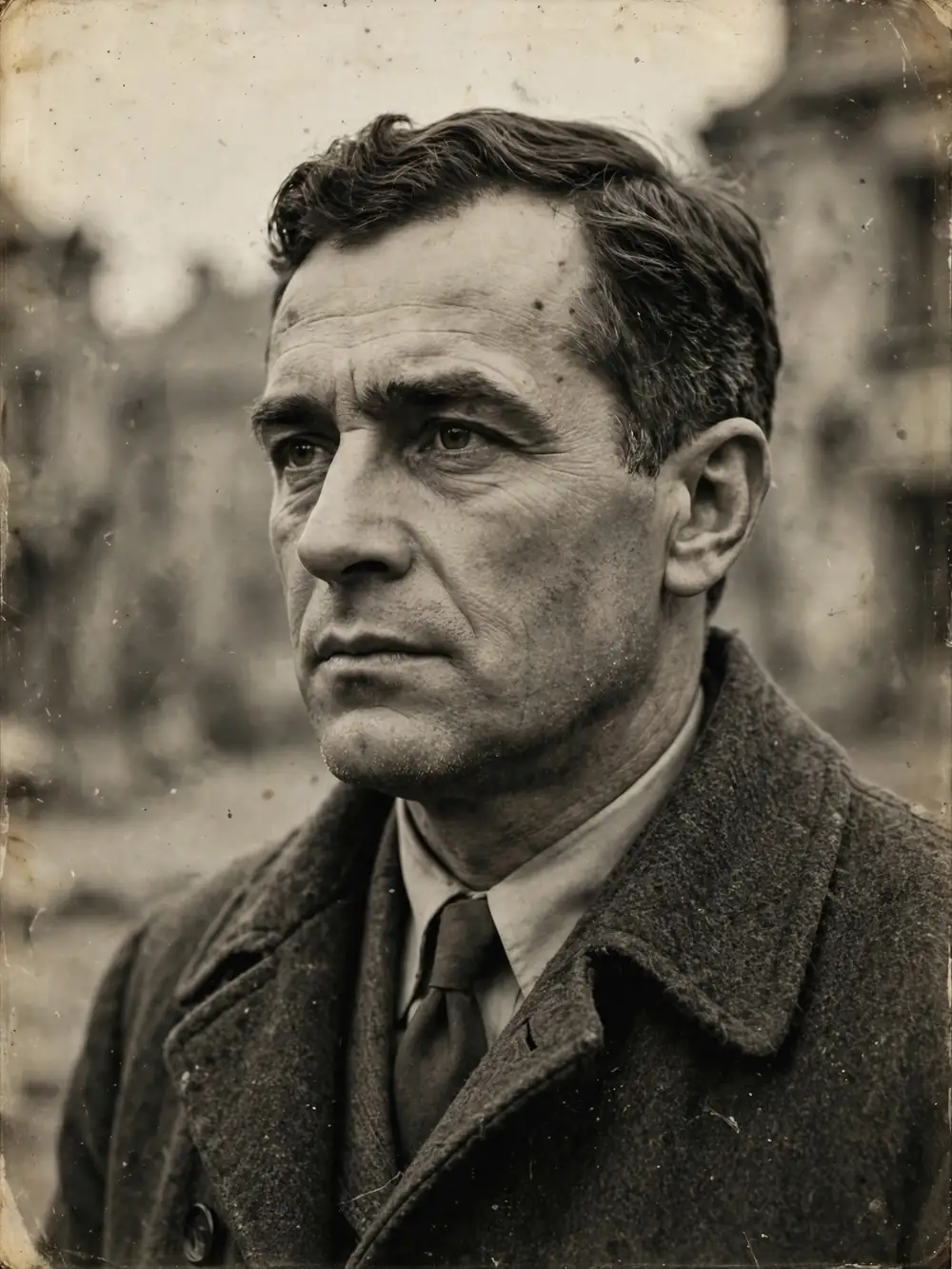
The assessment of Pilecki as a man is inseparable from his assessment as a symbol. He has become, in Poland and in the wider world, a symbol of resistance to totalitarianism, of courage in the face of overwhelming power, and of the duty to bear witness to crimes that others would prefer to ignore. His story has been used by different groups for different purposes: by Polish nationalists, who see him as a hero of Poland; by the Catholic Church, which sees him as a martyr; and by historians of the Holocaust, who see him as a witness. The diversity of those uses is a measure of his importance, and it is also a warning: the symbol can obscure the man, and the man was more complicated than the symbol. He was a landowner, a husband and a father, a cavalry officer and a farmer, a man who chose a quiet life and who, when war came, chose a life of danger. Historians argue that the real Pilecki was a more interesting figure than the symbol, and that his story deserves to be told in full, with all its complications, rather than as a simple tale of heroism.
Frequently Asked Questions
Who was Witold Pilecki?
Witold Pilecki (1901–1948) was a Polish cavalry officer who volunteered to enter Auschwitz in September 1940, organised resistance inside the camp, escaped in April 1943, and reported the mass murder at Auschwitz to the Allies. He was executed by the Communist authorities in Poland in 1948.
Why did Pilecki volunteer to enter Auschwitz?
He volunteered on the orders of the Polish underground, which needed an officer inside the camp to gather intelligence, to organise resistance among the prisoners, and to report what was happening. He used false papers in the name of Tomasz Serafiński and was arrested in a German round-up in Warsaw on 19 September 1940.
What is Witold’s Report?
Witold’s Report is the long report that Pilecki wrote after his escape from Auschwitz, describing the camp in detail, including the gas chambers at Birkenau. It was one of the first comprehensive accounts of the Holocaust to reach the Western Allies, and it is now regarded as one of the most important documents of the period.
How did Pilecki escape from Auschwitz?
On the night of 26–27 April 1943, Pilecki and two other prisoners, Jan Redzej and Edward Ciesielski, cut through the wire and fled into the night. After a journey of several days, they reached the Polish underground network, and Pilecki reported to the Home Army in Warsaw.
Why was Pilecki executed after the war?
After the war, Pilecki returned to Poland and gathered intelligence for the Polish government-in-exile. He was arrested by the Communist security service in May 1947, tried on false charges of espionage in a show trial in March 1948, and executed on 25 May 1948. His conviction was overturned in 1990, after the fall of Communism.
When was Pilecki rehabilitated?
His conviction was overturned in 1990, and in 2006 he was posthumously awarded the Order of the White Eagle, Poland’s highest decoration, and promoted to colonel. In 2013 he was posthumously recognised as Righteous Among the Nations by Yad Vashem.
Sources
- Wikipedia, “Witold Pilecki” — consolidated biography: birth 13 May 1901, death 25 May 1948, prisoner No. 4859, escape April 1943, Warsaw Uprising, execution and rehabilitation.
- Witold Pilecki, Witold’s Report (1943–1945), published in English as The Auschwitz Volunteer (2012) — the report on Auschwitz; the resistance organisation, the gas chambers, the escape.
- Jack Fairweather, The Volunteer (2019) — biography; the decision to enter Auschwitz, the underground, the trial and execution.
- Józef Garliński, Fighting Auschwitz: The Resistance Movement in the Concentration Camp (1975) — the resistance organisation inside Auschwitz and Pilecki’s role in it.
- Michael Schudrich and the literature on the Polish underground — Pilecki’s reports and their reception in London.
- Yad Vashem, “Witold Pilecki” — the recognition as Righteous Among the Nations (2013) and the account of his efforts to save Jews at Auschwitz.