
 Tiếng Việt

Battle of Crete
1. Lead / Mở đầu
The Battle of Crete, fought from 20 May to 1 June 1941, was the first mainly airborne invasion in military history. Germany won the island, but the operation cost it heavily in paratroopers and transport aircraft. On the morning of 20 May, thousands of German paratroopers (Fallschirmjäger) dropped from Junkers Ju 52 transport aircraft onto the Greek island of Crete, aiming to seize its airfields at Maleme, Rethymno and Heraklion. They were met by British, Commonwealth and Greek troops under Major-General Bernard Freyberg, who had been warned by Ultra intelligence — decrypted German Enigma messages — that an airborne attack was coming. On the first day the invaders suffered heavy losses: whole companies were destroyed in the air and on the ground, and by evening not one airfield was securely in German hands. Yet a withdrawal from Hill 107 above Maleme airfield on the night of 20–21 May gave the Germans the opening they needed. Transport aircraft poured mountain troops into Maleme, the Allies were driven back across the island, and about 18,000 men were evacuated by the Royal Navy from the south coast while more than 17,000 were taken prisoner. Germany won Crete, but at such a price in paratroopers and transport aircraft that Adolf Hitler never again ordered a large-scale airborne invasion. Crete therefore matters in two ways: as a large-scale experiment in warfare from the sky, and as the battle after which Germany undertook no further large-scale airborne invasion.
Trận Crete, diễn ra từ ngày 20 tháng 5 đến ngày 1 tháng 6 năm 1941, là cuộc đổ bộ đường không quy mô lớn đầu tiên trong lịch sử quân sự. Đức thắng và chiếm đảo, nhưng chiến dịch khiến Đức tổn thất nặng về lính dù và máy bay vận tải. Sáng ngày 20 tháng 5, hàng nghìn lính dù Đức (Fallschirmjäger) nhảy xuống từ máy bay vận tải Junkers Ju 52 trên đảo Crete của Hy Lạp, nhằm chiếm các sân bay Maleme, Rethymno và Heraklion. Họ vấp phải quân Anh, quân Khối Thịnh vượng chung và quân Hy Lạp dưới quyền Thiếu tướng Bernard Freyberg, người đã được cảnh báo trước nhờ tình báo Ultra — các bức điện Enigma của Đức bị giải mã — rằng một cuộc tấn công đường không sắp diễn ra. Ngay ngày đầu tiên, quân xâm lược chịu thương vong nặng: nhiều đại đội bị tiêu diệt trên không và dưới mặt đất, và đến tối không một sân bay nào nằm chắc trong tay Đức. Thế nhưng một cuộc rút lui khỏi Đồi 107 phía trên sân bay Maleme trong đêm 20–21 tháng 5 đã mở ra cơ hội cho quân Đức. Máy bay vận tải chở lính sơn cước đổ xuống Maleme, quân Đồng minh bị đẩy lùi qua khắp đảo, và khoảng 18.000 người được Hải quân Hoàng gia Anh sơ tán từ bờ biển phía nam, trong khi hơn 17.000 người bị bắt làm tù binh. Đức thắng ở Crete, nhưng với cái giá quá đắt về lính dù và máy bay vận tải khiến Adolf Hitler không bao giờ ra lệnh một cuộc đổ bộ đường không quy mô lớn nào nữa. Vì vậy Crete có ý nghĩa kép: vừa là một thử nghiệm quy mô lớn về chiến tranh từ trên không, vừa là trận đánh mà sau đó Đức không còn thực hiện cuộc đổ bộ đường không quy mô lớn nào nữa.
2. Key Facts / Thông tin chính
| Date / Thời gian | 20 May – 1 June 1941 (13 days / 13 ngày) |
| Location / Địa điểm | Crete, Greece / Đảo Crete, Hy Lạp |
| Codename / Mật danh | Unternehmen Merkur (Operation Mercury / Chiến dịch Thủy ngân) |
| Result / Kết quả | Axis victory — Germany captures Crete / Phe Trục thắng — Đức chiếm Crete |
| Allied commanders / Chỉ huy Đồng minh | Maj-Gen Bernard C. Freyberg (Creforce); Adm. Sir Andrew Cunningham (Mediterranean Fleet) |
| Axis commanders / Chỉ huy phe Trục | Gen. Kurt Student (XI Fliegerkorps); Maj-Gen Eugen Meindl; Maj-Gen Julius Ringel (5th Mountain Division) |
| Allied strength / Lực lượng Đồng minh | About 40,000–42,000 men: ~27,500–32,000 British and Commonwealth troops and about 11,451–14,000 Greek troops; some 10,000 without full fighting capacity; only 8 medium and 16 light tanks; fewer than 36 RAF aircraft, all withdrawn before the invasion |
| Axis strength / Lực lượng phe Trục | About 22,040 men landed on the island (from 29,000 available in Greece): ~14,000 paratroopers and glider troops, 5th Mountain Division flown and shipped in; about 500 Ju 52 transports, 80 gliders, 280 bombers, 150 dive bombers and 180 fighters; about 2,700 Italian troops |
| Allied casualties / Thương vong Đồng minh | About 4,123 killed (including 1,828 Royal Navy personnel), about 17,479 captured; 3 cruisers and 6 destroyers sunk |
| Axis casualties / Thương vong phe Trục | About 6,000–7,000 total (see §7); 284 Luftwaffe aircraft destroyed or written off |
3. Background / Bối cảnh
Crete was not part of Germany’s original plan for the Balkans. When Italy attacked Greece on 28 October 1940, Britain sent troops to help the Greeks, and after the German invasion of mainland Greece in April 1941 (Operation Marita), the surviving Allied force was evacuated — about 57,000 men taken off by the Royal Navy, many of them landing on Crete. The island suddenly held a large, if badly equipped, garrison. Its airfields at Maleme, Rethymno and Heraklion, and the deep-water anchorage at Suda Bay on the north coast, made Crete valuable to both sides: for Britain, it was a base from which to threaten the Romanian oilfields at Ploiești and to guard the eastern Mediterranean; for Germany, it was a stepping stone towards Egypt and the Suez Canal, and a shield for the oil route.
Crete không nằm trong kế hoạch ban đầu của Đức đối với vùng Balkan. Khi Ý tấn công Hy Lạp ngày 28 tháng 10 năm 1940, Anh đưa quân sang giúp người Hy Lạp, và sau khi Đức xâm lược Hy Lạp lục địa vào tháng 4 năm 1941 (Chiến dịch Marita), lực lượng Đồng minh còn lại được sơ tán — khoảng 57.000 người được Hải quân Hoàng gia Anh đưa đi, nhiều người trong số đó đổ bộ lên Crete. Hòn đảo bỗng nhiên có một lực lượng đồn trú đông đảo, dù trang bị rất kém. Các sân bay Maleme, Rethymno và Heraklion cùng vịnh nước sâu Suda Bay ở bờ biển phía bắc khiến Crete trở nên có giá trị với cả hai bên: với Anh, đây là căn cứ để đe dọa các mỏ dầu Ploiești ở Romania và bảo vệ phía đông Địa Trung Hải; với Đức, đây là bàn đạp tiến về Ai Cập và kênh đào Suez, đồng thời là lá chắn cho tuyến đường dầu mỏ.
The idea of taking Crete from the air came from General Kurt Student, commander of XI Fliegerkorps and the father of the German airborne forces. Student argued that the Royal Navy still controlled the sea around Crete, so a seaborne invasion would be too risky, while German air superiority was assured. His plan was to drop paratroopers and glider troops directly onto the three north-coast airfields, seize them, and then fly in the 5th Mountain Division by transport aircraft. Hitler hesitated — he preferred Malta — but on 20 April 1941 he chose Crete, and on 25 April he signed Directive No. 28 ordering the invasion. The operation was given the codename Unternehmen Merkur, Operation Mercury, after the winged messenger of the gods.
Ý tưởng chiếm Crete từ trên không đến từ Tướng Kurt Student, tư lệnh Quân đoàn Không quân XI và là người cha của lực lượng đổ bộ đường không Đức. Student lập luận rằng Hải quân Hoàng gia Anh vẫn kiểm soát vùng biển quanh Crete nên một cuộc xâm lược bằng đường biển quá mạo hiểm, trong khi ưu thế trên không của Đức đã được đảm bảo. Kế hoạch của ông là thả lính dù và lính lượn xuống thẳng ba sân bay ở bờ biển phía bắc, chiếm lấy chúng, rồi chở Sư đoàn Sơn cước 5 bằng máy bay vận tải tới. Hitler còn do dự — ông thích Malta hơn — nhưng ngày 20 tháng 4 năm 1941 ông chọn Crete, và ngày 25 tháng 4 ông ký Chỉ thị số 28 ra lệnh xâm lược. Chiến dịch được đặt mật danh Unternehmen Merkur, Chiến dịch Thủy ngân, theo tên vị thần mang cánh của các vị thần.
The defenders knew an attack was coming, and in unusual detail. British codebreakers at Bletchley Park, reading German Enigma traffic through Ultra, had warned Major-General Bernard Freyberg — a New Zealand officer and Victoria Cross holder who had taken command on Crete on 30 April — that the invasion would be airborne and aimed at the airfields. Freyberg therefore placed his best troops, above all the 2nd New Zealand Division, around Maleme, Rethymno and Heraklion. But knowledge did not solve his deeper problems. Many of his men had been evacuated from Greece without their heavy weapons, transport or even rifles; the garrison had only 8 medium and 16 light tanks, few anti-aircraft guns and almost no air support — the last RAF aircraft had been withdrawn to Egypt on 19 May, the day before the invasion. The Greeks, about 11,000–14,000 men, were mostly poorly armed recruits, and thousands of Cretan civilians, armed with hunting rifles, knives and farm tools, prepared to fight beside them. Freyberg also made a fateful choice: convinced that the main threat was a seaborne landing, he kept substantial forces watching the coast and held back his reserves, rather than concentrating everything on the airfields.
Quân phòng thủ biết trước cuộc tấn công sắp diễn ra, với mức độ chi tiết bất thường. Các chuyên gia giải mã của Anh tại Bletchley Park, nhờ đọc các bức điện Enigma của Đức qua Ultra, đã cảnh báo Thiếu tướng Bernard Freyberg — sĩ quan New Zealand, người được tặng Huân chương Victoria Cross, nhận quyền chỉ huy Crete ngày 30 tháng 4 — rằng cuộc xâm lược sẽ diễn ra bằng đường không và nhắm vào các sân bay. Freyberg vì vậy bố trí những đơn vị tinh nhuệ nhất, trước hết là Sư đoàn 2 New Zealand, quanh Maleme, Rethymno và Heraklion. Nhưng biết trước không giải quyết được những vấn đề sâu xa hơn của ông. Nhiều binh sĩ của ông đã được sơ tán khỏi Hy Lạp mà không có vũ khí hạng nặng, phương tiện vận chuyển hay thậm chí súng trường; lực lượng đồn trú chỉ có 8 xe tăng hạng trung và 16 xe tăng hạng nhẹ, ít pháo phòng không và hầu như không có yểm trợ trên không — những máy bay RAF cuối cùng đã rút về Ai Cập ngày 19 tháng 5, một ngày trước cuộc xâm lược. Quân Hy Lạp, khoảng 11.000–14.000 người, phần lớn là tân binh trang bị kém, và hàng nghìn dân thường Crete, mang súng săn, dao và nông cụ, chuẩn bị chiến đấu bên cạnh họ. Freyberg cũng đưa ra một quyết định mang tính định mệnh: tin rằng mối đe dọa chính là một cuộc đổ bộ đường biển, ông giữ nhiều lực lượng canh giữ bờ biển và giữ lại quân dự bị, thay vì tập trung mọi thứ vào các sân bay.
4. Opposing Forces / Lực lượng hai bên
The two sides were mismatched in opposite ways. The Allies had more men on the island; the Germans had complete command of the air and the initiative of choosing where to strike.
Hai bên mất cân đối theo những cách ngược nhau. Quân Đồng minh có nhiều người hơn trên đảo; quân Đức nắm hoàn toàn quyền kiểm soát trên không và chủ động chọn nơi tấn công.
| Allies / Đồng minh | Axis / Phe Trục | |
|---|---|---|
| Overall commander / Tổng chỉ huy | Maj-Gen Bernard Freyberg (Creforce) | Gen. Kurt Student (XI Fliegerkorps) |
| Ground troops / Bộ binh | ~27,500–32,000 British and Commonwealth (British, New Zealand 2nd Division, Australian 6th Division elements, plus RAF ground crew); ~11,451–14,000 Greek troops; Cretan civilian irregulars | 7th Flieger (Parachute) Division, Luftlande-Sturm-Regiment (air-landing assault regiment, glider-borne), 5th Mountain Division; about 2,700 Italian troops (Regina Division) in the east |
| Airborne troops / Lính dù | None | About 10,000 paratroopers, 750 glider troops; over 500 Ju 52 transports and 80 DFS 230 gliders |
| Air support / Không quân | Fewer than 36 RAF aircraft at the start of May, none left by 20 May | VIII Fliegerkorps: about 280 bombers, 150 Ju 87 Stuka dive bombers, 180 fighters (about 570–610 combat aircraft in total) |
| Tanks and artillery / Xe tăng và pháo | 8 medium and 16 light tanks; some captured Italian guns; few anti-aircraft batteries | Light mountain artillery and mortars dropped or flown in; heavy weapons arrived only after Maleme was secured |
| Naval forces / Hải quân | Mediterranean Fleet under Adm. Sir Andrew Cunningham — cruisers and destroyers operating at night; no air cover by day | Small seaborne convoys (two attempts, 21–22 May) intercepted by the Royal Navy; Italian destroyers and torpedo boats in support |
| Key weakness / Điểm yếu chính | Many men without rifles or heavy weapons; no air cover; reserves held back for a seaborne threat that never came in force | Paratroopers dropped with only light weapons — rifles and machine guns were in separate containers; vulnerable while descending and landing |
The German weapon that made the operation possible was the Junkers Ju 52, the slow, corrugated-metal trimotor transport that carried about a dozen paratroopers each. The paratroopers themselves jumped with pistols and grenades only; their rifles, machine guns and mortars were dropped in separate canisters that had to be found on the ground. That design, combined with the low, slow drop over defended ground, meant many paratroopers were killed while still in the air or before they could reach their weapons.
Vũ khí giúp Đức thực hiện chiến dịch là máy bay Junkers Ju 52, chiếc máy bay vận tải ba động cơ chậm chạp, thân bằng kim loại gợn sóng, chở khoảng một chục lính dù mỗi chiếc. Bản thân lính dù chỉ nhảy xuống với súng ngắn và lựu đạn; súng trường, súng máy và súng cối của họ được thả trong các thùng riêng phải tìm lại trên mặt đất. Thiết kế đó, cộng với việc thả dù ở độ cao thấp, tốc độ chậm trên vùng đất có phòng thủ, khiến nhiều lính dù bị giết khi còn đang trên không hoặc trước khi tìm được vũ khí của mình.
5. The Battle / Diễn biến
20 May 1941 — the first drops / Ngày 20 tháng 5 năm 1941 — đợt nhảy dù đầu tiên
At about 08:00 on 20 May, after heavy bombing by Ju 87 Stukas and fighters, gliders of the Luftlande-Sturm-Regiment landed silently around Maleme airfield and the town of Chania in western Crete, and about 2,000 paratroopers of Gruppe West under Major-General Eugen Meindl jumped near Maleme. The New Zealanders of the 22nd Battalion, holding Hill 107 above the airfield under Lieutenant-Colonel Leslie Andrew, VC, met them with rifle and machine-gun fire. German losses were heavy. One company of III Battalion, 1st Assault Regiment lost 112 killed out of 126 men; about 400 of the battalion’s 600 men were killed on the first day. Meindl himself was wounded twice within an hour of landing. Cretan civilians joined the fighting at once, attacking isolated paratroopers with whatever weapons they had — the first time in the war that German troops met mass resistance from a civilian population.
Khoảng 08:00 ngày 20 tháng 5, sau đợt ném bom dữ dội của máy bay Stuka Ju 87 và tiêm kích, các tàu lượn của Trung đoàn Tấn công đổ bộ đường không hạ cánh lặng lẽ quanh sân bay Maleme và thị trấn Chania ở phía tây Crete, và khoảng 2.000 lính dù của Gruppe West dưới quyền Thiếu tướng Eugen Meindl nhảy xuống gần Maleme. Quân New Zealand thuộc Tiểu đoàn 22, giữ Đồi 107 phía trên sân bay dưới quyền Trung tá Leslie Andrew, VC, đón họ bằng hỏa lực súng trường và súng máy. Thương vong của Đức rất nặng. Một đại đội của Tiểu đoàn III, Trung đoàn Tấn công 1 mất 112 người chết trên tổng số 126 người; khoảng 400 trong số 600 người của tiểu đoàn bị giết ngay ngày đầu tiên. Chính Meindl bị thương hai lần trong vòng một giờ sau khi đáp xuống. Dân thường Crete lập tức tham gia chiến đấu, tấn công những lính dù bị cô lập bằng bất cứ vũ khí nào họ có — lần đầu tiên trong chiến tranh quân Đức gặp phải sự kháng cự quần chúng từ dân thường.
A second wave followed in the afternoon, dropping Gruppe Mitte (Group Centre) around Rethymno and Gruppe Ost (Group East) around Heraklion. There too the defenders were waiting. At Rethymno the Australian and Greek troops held the airfield; at Heraklion the British and Greek garrison, with Cretan help, held the town and the airfield through the day. By evening, as the German official history later admitted, not a single airfield was securely in German hands. Student, watching from Athens, feared the operation had failed. On the Allied side, confidence was high — Freyberg’s headquarters believed the invasion was being defeated.
Đợt thứ hai diễn ra vào buổi chiều, thả Gruppe Mitte (Cụm Trung tâm) quanh Rethymno và Gruppe Ost (Cụm phía Đông) quanh Heraklion. Ở đó quân phòng thủ cũng đã chờ sẵn. Tại Rethymno, quân Úc và Hy Lạp giữ vững sân bay; tại Heraklion, quân Anh và Hy Lạp, với sự giúp đỡ của người Crete, giữ vững thị trấn và sân bay suốt cả ngày. Đến tối, như lịch sử chính thức của Đức sau này thừa nhận, không một sân bay nào nằm chắc trong tay Đức. Student, theo dõi từ Athens, lo sợ chiến dịch đã thất bại. Phía Đồng minh thì đầy tự tin — bộ chỉ huy của Freyberg tin rằng cuộc xâm lược đang bị đánh bại.
21 May — Maleme falls / Ngày 21 tháng 5 — Maleme thất thủ
The night of 20–21 May decided the battle. On Hill 107, Lieutenant-Colonel Andrew, believing his battalion was outnumbered and running short of ammunition and communications, withdrew his men from the hill during the night — a decision made without orders from higher command and based on incomplete information. The Germans, who had been on the point of abandoning the Maleme attack, found the hill empty at dawn. They occupied the airfield, and from the afternoon of 21 May, Ju 52 transports began landing on the strip, bringing in the mountain troops of the 5th Mountain Division under Major-General Julius Ringel. A New Zealand counter-attack on the night of 21–22 May, by the 20th and 28th (Māori) Battalions, came close to retaking the airfield but was called off before dawn; the chance was lost.
Đêm 20–21 tháng 5 đã quyết định trận đánh. Trên Đồi 107, Trung tá Andrew, tin rằng tiểu đoàn của mình bị áp đảo về quân số và sắp hết đạn dược và liên lạc, đã rút quân khỏi đồi trong đêm — một quyết định được đưa ra mà không có lệnh từ cấp trên và dựa trên thông tin chưa đầy đủ. Quân Đức, vốn đã sắp từ bỏ cuộc tấn công Maleme, thấy đồi trống không lúc bình minh. Họ chiếm sân bay, và từ chiều ngày 21 tháng 5, máy bay vận tải Ju 52 bắt đầu hạ cánh xuống đường băng, đưa lính sơn cước của Sư đoàn Sơn cước 5 dưới quyền Thiếu tướng Julius Ringel tới. Một cuộc phản công của New Zealand trong đêm 21–22 tháng 5, do Tiểu đoàn 20 và Tiểu đoàn 28 (Māori) thực hiện, suýt giành lại sân bay nhưng bị hủy trước bình minh; cơ hội đã mất.
At sea, the Royal Navy won the night. On the night of 21–22 May, a British force of three cruisers and four destroyers intercepted a German seaborne convoy of small caiques carrying reinforcements towards Maleme and sank or scattered it, killing about 297 German soldiers and sailors. A second convoy the following night was also turned back. The sea route was closed — but it no longer mattered, because the air route through Maleme was open.
Trên biển, Hải quân Hoàng gia Anh thắng trong đêm. Đêm 21–22 tháng 5, một lực lượng Anh gồm ba tàu tuần dương và bốn tàu khu trục chặn một đoàn tàu biển của Đức chở quân tiếp viện tới Maleme và đánh chìm hoặc đánh tan nó, giết khoảng 297 binh sĩ và thủy thủ Đức. Một đoàn tàu thứ hai đêm hôm sau cũng bị đẩy lui. Tuyến đường biển đã bị chặn — nhưng điều đó không còn quan trọng nữa, vì tuyến đường hàng không qua Maleme đã mở.
22–26 May — the German advance and the naval battle / Ngày 22–26 tháng 5 — quân Đức tiến lên và trận hải chiến
With Maleme secured, the Germans poured reinforcements in by air and pushed east along the north coast towards Chania, the island’s second city, which fell on 27 May. At Rethymno and Heraklion the Allied garrisons still held their airfields, but they were now isolated pockets. The Luftwaffe, unopposed in the air, turned on the Royal Navy, which was operating by day without fighter cover in an attempt to stop the reinforcement and then to supply the defenders. On 22 May, Stukas sank the cruisers HMS Gloucester and HMS Fiji — Gloucester alone lost 22 officers and 700 ratings — and the destroyer HMS Greyhound. On 23 May, Ju 87s caught Captain Lord Louis Mountbatten’s 5th Destroyer Flotilla and sank HMS Kelly and HMS Kashmir within minutes. The battleship HMS Warspite was badly damaged, and the aircraft carrier HMS Formidable was put out of action. By the end of the campaign the Royal Navy had lost three cruisers (Gloucester, Fiji, Calcutta) and six destroyers (Juno, Greyhound, Kashmir, Kelly, Imperial, Hereward), with 1,828 sailors killed, and many more ships damaged — the costliest naval fighting of the war for the Royal Navy up to that point. Admiral Cunningham reported that the Navy would not leave the Army on Crete without attempting evacuation.
Khi Maleme đã chắc chắn, quân Đức đổ quân tiếp viện bằng đường không và tiến về phía đông dọc bờ biển phía bắc tới Chania, thành phố lớn thứ hai của đảo, thất thủ ngày 27 tháng 5. Tại Rethymno và Heraklion, các đơn vị Đồng minh vẫn giữ sân bay, nhưng giờ đây họ đã trở thành những cứ điểm bị cô lập. Luftwaffe, không gặp đối thủ trên không, quay sang tấn công Hải quân Hoàng gia Anh, lực lượng đang hoạt động ban ngày mà không có tiêm kích yểm trợ trong nỗ lực chặn quân tiếp viện rồi tiếp tế cho quân phòng thủ. Ngày 22 tháng 5, Stuka đánh chìm các tàu tuần dương HMS Gloucester và HMS Fiji — riêng Gloucester mất 22 sĩ quan và 700 thủy thủ — cùng tàu khu trục HMS Greyhound. Ngày 23 tháng 5, Ju 87 bắt gặp Hải đội Khu trục 5 của Đại tá Lord Louis Mountbatten và đánh chìm HMS Kelly và HMS Kashmir trong vài phút. Thiết giáp hạm HMS Warspite bị hư hại nặng, và tàu sân bay HMS Formidable bị loại khỏi vòng chiến. Đến cuối chiến dịch, Hải quân Hoàng gia Anh mất ba tàu tuần dương (Gloucester, Fiji, Calcutta) và sáu tàu khu trục (Juno, Greyhound, Kashmir, Kelly, Imperial, Hereward), với 1.828 thủy thủ thiệt mạng, và nhiều tàu khác bị hư hại — trận hải chiến tốn kém nhất của Hải quân Hoàng gia Anh tính đến thời điểm đó trong chiến tranh. Đô đốc Cunningham báo cáo rằng Hải quân sẽ không bỏ lại Lục quân trên Crete mà không cố gắng sơ tán.
Meanwhile the land battle turned into a fighting retreat. The New Zealanders and Australians, short of ammunition and with no air support, fell back through the mountain passes towards the south coast. At Rethymno, the Australian force under Lieutenant-Colonel Ian Campbell held out until 30 May, when it was overrun and most of its men were captured; Heraklion was evacuated by sea on the night of 28–29 May.
Trong khi đó trận đánh trên bộ trở thành một cuộc rút lui chiến đấu. Quân New Zealand và Úc, thiếu đạn dược và không có yểm trợ trên không, rút lui qua các đèo núi về phía bờ biển phía nam. Tại Rethymno, lực lượng Úc dưới quyền Trung tá Ian Campbell cầm cự đến ngày 30 tháng 5, khi bị tràn ngập và hầu hết binh sĩ bị bắt; Heraklion được sơ tán bằng đường biển trong đêm 28–29 tháng 5.
28 May – 1 June — evacuation from Sfakia / Ngày 28 tháng 5 – 1 tháng 6 — sơ tán từ Sfakia
On 27 May Freyberg, recognising that Crete could no longer be held, ordered the evacuation. The main body marched over the White Mountains to the tiny fishing port of Sfakia (Sphakia) on the south coast, sheltering by day in caves and gorges from the Luftwaffe and moving by night. The Royal Navy came in under cover of darkness, night after night, and lifted men off the beaches. Between 28 May and 1 June about 18,000 troops were evacuated — the figure most often cited, though some accounts give about 16,500. About 12,000 men were left behind and taken prisoner, including most of the Rethymno force, which the Navy could not reach. German troops reached Sfakia on 1 June, and the battle was over. King George II of Greece and his government, who had been on Crete, were evacuated to Egypt.
Ngày 27 tháng 5, Freyberg, nhận ra Crete không thể giữ được nữa, ra lệnh sơ tán. Lực lượng chính hành quân qua dãy núi White Mountains tới cảng cá nhỏ Sfakia (Sphakia) ở bờ biển phía nam, ban ngày ẩn náu trong hang động và hẻm núi để tránh Luftwaffe, ban đêm di chuyển. Hải quân Hoàng gia Anh tới dưới bóng đêm, đêm này qua đêm khác, đón quân khỏi các bãi biển. Từ ngày 28 tháng 5 đến ngày 1 tháng 6, khoảng 18.000 quân được sơ tán — con số thường được trích dẫn nhất, dù một số nguồn cho khoảng 16.500. Khoảng 12.000 người bị bỏ lại và bị bắt làm tù binh, gồm phần lớn lực lượng Rethymno mà Hải quân không thể tới được. Quân Đức tới Sfakia ngày 1 tháng 6, và trận đánh kết thúc. Vua George II của Hy Lạp cùng chính phủ của ông, những người đang ở Crete, được sơ tán sang Ai Cập.
6. Turning Point / Bước ngoặt
The turning point of the Battle of Crete was the night withdrawal from Hill 107 above Maleme airfield on 20–21 May 1941. Nothing else in the battle compares with it in consequence. On the evening of 20 May the Germans had failed at all three airfields; their paratroopers were scattered, short of ammunition and dying in large numbers, and Student himself believed the operation might have to be abandoned. Hill 107 dominated the airfield: whoever held it controlled the strip. Lieutenant-Colonel Andrew’s 22nd New Zealand Battalion had held it through the first day’s fighting, but cut off from reliable communications, short of ammunition and convinced he was facing a much larger force, Andrew pulled his men off the hill in the night. At dawn the Germans walked onto an empty position, and within hours Ju 52s were landing mountain troops on a usable runway. From that moment the battle changed character: it was no longer an airborne raid that could be destroyed piecemeal, but a conventional campaign in which Germany could reinforce by air faster than the Allies could reinforce at all. The failed New Zealand counter-attack on the night of 21–22 May was the last chance to reverse it. Historians still debate whether a determined counter-attack on the morning of 21 May would have retaken the hill — Andrew’s men were exhausted and low on ammunition, and Freyberg’s headquarters did not grasp how serious the position was — but the fact remains: one hill, one night, one misunderstood situation, and Crete was lost.
Bước ngoặt của Trận Crete là cuộc rút lui khỏi Đồi 107 phía trên sân bay Maleme trong đêm 20–21 tháng 5 năm 1941. Không sự kiện nào khác trong trận đánh có hậu quả sánh được với nó. Tối ngày 20 tháng 5, quân Đức đã thất bại ở cả ba sân bay; lính dù của họ bị phân tán, thiếu đạn dược và chết với số lượng lớn, và chính Student cũng tin rằng chiến dịch có thể phải bị hủy bỏ. Đồi 107 khống chế sân bay: ai giữ đồi sẽ kiểm soát đường băng. Tiểu đoàn 22 New Zealand của Trung tá Andrew đã giữ đồi suốt ngày chiến đấu đầu tiên, nhưng bị cắt đứt liên lạc đáng tin cậy, thiếu đạn dược và tin rằng mình đang đối mặt với lực lượng lớn hơn nhiều, Andrew đã rút quân khỏi đồi trong đêm. Lúc bình minh, quân Đức bước lên một vị trí trống không, và trong vòng vài giờ máy bay Ju 52 đã hạ cánh chở lính sơn cước xuống một đường băng có thể sử dụng. Từ thời điểm đó trận đánh đổi tính chất: nó không còn là một cuộc đột kích đường không có thể bị tiêu diệt từng phần, mà là một chiến dịch thông thường trong đó Đức có thể tăng viện bằng đường không nhanh hơn nhiều so với khả năng tăng viện của Đồng minh. Cuộc phản công thất bại của New Zealand trong đêm 21–22 tháng 5 là cơ hội cuối cùng để đảo ngược tình thế. Các nhà sử học vẫn tranh luận liệu một cuộc phản công quyết liệt vào sáng ngày 21 tháng 5 có giành lại được đồi hay không — quân của Andrew đã kiệt sức và thiếu đạn, và bộ chỉ huy của Freyberg không nắm được mức độ nghiêm trọng của tình hình — nhưng sự thật vẫn còn đó: một ngọn đồi, một đêm, một tình huống bị hiểu lầm, và Crete đã mất.
7. Casualties and Losses / Thương vong và tổn thất
Casualty figures for Crete vary by source, and the German figures in particular were inflated in wartime reporting. The figures below use the most widely cited post-war estimates and flag where they disagree.
Số liệu thương vong của Crete khác nhau tùy nguồn, và số liệu của Đức nói riêng đã bị thổi phồng trong các báo cáo thời chiến. Các con số dưới đây dùng những ước tính sau chiến tranh được trích dẫn rộng rãi nhất và ghi rõ nơi chúng không thống nhất.
| Allies / Đồng minh | Germany and Italy / Đức và Ý | |
|---|---|---|
| Killed / Chết | About 4,123 in total: 1,742 British and Commonwealth ground troops, 1,828 Royal Navy personnel, about 370 Greek soldiers (verified), plus Cretan civilians (see below) | About 4,000–4,041 killed and missing (German records, as compiled by historian Dan Davin: 2,124 killed, 1,917 missing, presumed dead) |
| Wounded / Bị thương | About 1,737 British and Commonwealth; 183 Royal Navy | About 2,640–3,400 wounded (figures differ by source) |
| Captured / Bị bắt | About 17,479 (11,835 British and Commonwealth, about 5,300–5,644 Greek) | 17 German prisoners |
| Total military casualties / Tổng thương vong quân sự | About 23,000 killed, wounded and captured | About 6,000–7,000 (British official history: 6,116; Davin: 6,698). Wartime claims of 15,000+ German casualties, repeated by Churchill, are not supported by German records. |
| Ships / Tàu | 3 cruisers and 6 destroyers sunk; 1 aircraft carrier, 2 battleships, 4 cruisers, 2 destroyers and 1 submarine damaged | 1 Italian destroyer and 1 Italian torpedo boat damaged; seaborne invasion convoys scattered, about 297 men killed at sea |
| Aircraft / Máy bay | RAF: no aircraft left on the island; Royal Navy lost aircraft with HMS Formidable damaged | 284 Luftwaffe aircraft destroyed or written off and several hundred damaged; about 150–170 Ju 52 transports lost or severely damaged out of about 500–600 used |
The most disputed figure is the German death toll. Contemporary British reports claimed far higher losses — one New Zealand newspaper reported 12,000 killed and wounded and 5,000 drowned, and Churchill wrote after the war of “well over 15,000” German casualties. The British official history, working from German records, settled on 6,116 total casualties, and the New Zealand historian Dan Davin, using German casualty returns, reached 6,698 (4,041 killed and missing, 2,640 wounded). Historians today generally accept a range of about 6,000–7,000. Even at that lower figure, the loss fell overwhelmingly on the airborne troops: the British official history records that of 8,060 paratroopers of the 7th Flieger Division and the Air-Landing Assault Regiment deployed on Crete, more than 4,500 became casualties. The Luftwaffe’s transport fleet was crippled — about 150–170 Ju 52s lost or severely damaged — and the Fallschirmjäger never recovered as a mass airborne force.
Con số gây tranh cãi nhất là số người Đức thiệt mạng. Các báo cáo đương thời của Anh đưa ra con số cao hơn nhiều — một tờ báo New Zealand đưa tin 12.000 người chết và bị thương cùng 5.000 người chết đuối, và Churchill viết sau chiến tranh về “hơn 15.000” thương vong của Đức. Lịch sử chính thức của Anh, dựa trên hồ sơ Đức, chốt ở mức 6.116 thương vong, và nhà sử học New Zealand Dan Davin, dùng bảng kê thương vong của Đức, đưa ra con số 6.698 (4.041 người chết và mất tích, 2.640 người bị thương). Các nhà sử học ngày nay thường chấp nhận khoảng 6.000–7.000. Ngay cả với con số thấp hơn đó, tổn thất vẫn tập trung áp đảo vào lính dù: lịch sử chính thức của Anh ghi rằng trong số 8.060 lính dù của Sư đoàn 7 Flieger và Trung đoàn Tấn công đổ bộ đường không được triển khai ở Crete, hơn 4.500 người trở thành thương vong. Đội máy bay vận tải của Luftwaffe bị tê liệt — khoảng 150–170 chiếc Ju 52 bị mất hoặc hư hại nặng — và Fallschirmjäger không bao giờ hồi phục như một lực lượng đổ bộ đường không quy mô lớn nữa.
Cretan civilian losses during the battle itself are not precisely recorded; the verified Greek military dead were about 370, with about 5,300 Greek soldiers captured. Civilian deaths increased after the battle: on 31 May, Student ordered reprisals against Cretans for their part in the defence, to be carried out rapidly and without trial. On 2 June 1941, German paratroopers executed the men of Kondomari — German records list 23 killed, other sources put the figure at about 60 — and the following day razed the village of Kandanos, killing about 180 civilians. Kondomari was the first of a long series of reprisals on Crete, and its photographs, taken by a German war correspondent and rediscovered in the German federal archives in 1980, remain among the best-known images of the German occupation of Greece.
Thương vong dân thường Crete trong chính trận đánh không được ghi chép chính xác; số quân Hy Lạp chết đã xác minh là khoảng 370 người, với khoảng 5.300 binh sĩ Hy Lạp bị bắt. Số dân thường thiệt mạng tăng lên sau trận đánh: ngày 31 tháng 5, Student ra lệnh trả đũa người Crete vì họ đã tham gia phòng thủ, thực hiện nhanh chóng và không xét xử. Ngày 2 tháng 6 năm 1941, lính dù Đức hành quyết đàn ông làng Kondomari — hồ sơ Đức ghi 23 người bị giết, các nguồn khác đưa ra con số khoảng 60 — và ngày hôm sau san phẳng làng Kandanos, giết khoảng 180 dân thường. Kondomari là vụ đầu tiên trong một loạt dài các vụ trả đũa ở Crete, và những bức ảnh về vụ này, do một phóng viên chiến trường Đức chụp và được phát hiện lại trong kho lưu trữ liên bang Đức năm 1980, vẫn là một trong những hình ảnh nổi tiếng nhất về cuộc chiếm đóng Hy Lạp của Đức.
8. Map and Geography / Bản đồ và địa hình
Crete is the largest Greek island and the fifth largest in the Mediterranean, about 260 kilometres (160 miles) long from west to east and between 12 and 60 kilometres wide. It sits at the southern edge of the Aegean Sea, about 100 kilometres south of mainland Greece and roughly 300 kilometres north of Libya — a natural aircraft carrier between Europe and Africa. The island is dominated by three mountain ranges running west to east: the White Mountains (Lefka Ori) in the west, rising to 2,454 metres, Mount Ida (Psiloritis) in the centre, the highest peak at 2,456 metres, and the Dikti range in the east. Between the mountains and the north coast lies a narrow coastal plain, and it was on this plain that the battle was fought: Maleme, Chania and Suda Bay in the west, Rethymno in the centre, Heraklion in the east, all within a few kilometres of the sea. The south coast, by contrast, is steep and harbourless except for small ports such as Sfakia — which is why the evacuation was so difficult and so slow.
Crete là đảo lớn nhất của Hy Lạp và lớn thứ năm ở Địa Trung Hải, dài khoảng 260 km từ tây sang đông và rộng từ 12 đến 60 km. Đảo nằm ở rìa phía nam biển Aegean, cách Hy Lạp lục địa khoảng 100 km về phía nam và cách Libya khoảng 300 km về phía bắc — một tàu sân bay tự nhiên giữa châu Âu và châu Phi. Đảo bị chi phối bởi ba dãy núi chạy từ tây sang đông: dãy White Mountains (Lefka Ori) ở phía tây, cao tới 2.454 m, núi Ida (Psiloritis) ở trung tâm, đỉnh cao nhất 2.456 m, và dãy Dikti ở phía đông. Giữa các dãy núi và bờ biển phía bắc là một đồng bằng ven biển hẹp, và chính trên đồng bằng này trận đánh đã diễn ra: Maleme, Chania và vịnh Suda ở phía tây, Rethymno ở trung tâm, Heraklion ở phía đông, tất cả đều cách biển vài km. Ngược lại, bờ biển phía nam dốc và không có cảng, trừ các cảng nhỏ như Sfakia — đó là lý do cuộc sơ tán khó khăn và chậm chạp đến vậy.
The geography shaped the battle in three ways. First, the airfields were all on the north coast, close to Greece — close enough for German fighters based in Greece to cover the drops, and close enough for the Royal Navy to reach them by night. Second, the mountains gave the retreating Allies cover: the road over the White Mountains from Chania to Sfakia, through gorges and passes, was the only route to the evacuation beaches, and German aircraft could not easily stop men moving by night through broken ground. Third, the island’s size worked against the invaders once the first day had failed: the three landing zones were far apart, the paratroopers could not support each other, and the defenders could fight three separate battles at once. That is why the loss of a single airfield, Maleme, mattered so much — it was the only one the Germans could turn into a supply route, and the only one close enough to the western landing zone to be reinforced before the Allies could concentrate against it.
Địa hình đã định hình trận đánh theo ba cách. Thứ nhất, tất cả các sân bay đều nằm ở bờ biển phía bắc, gần Hy Lạp — đủ gần để tiêm kích Đức đóng tại Hy Lạp yểm trợ các đợt thả dù, và đủ gần để Hải quân Hoàng gia Anh tiếp cận vào ban đêm. Thứ hai, các dãy núi che chở cho quân Đồng minh rút lui: con đường qua dãy White Mountains từ Chania tới Sfakia, xuyên qua hẻm núi và đèo, là tuyến đường duy nhất tới các bãi sơ tán, và máy bay Đức không dễ chặn được những người di chuyển ban đêm qua địa hình hiểm trở. Thứ ba, kích thước của đảo bất lợi cho quân xâm lược một khi ngày đầu tiên thất bại: ba khu vực đổ bộ cách xa nhau, lính dù không thể hỗ trợ lẫn nhau, và quân phòng thủ có thể chiến đấu trong ba trận đánh riêng biệt cùng lúc. Đó là lý do việc mất một sân bay duy nhất, Maleme, lại quan trọng đến vậy — đó là sân bay duy nhất quân Đức có thể biến thành tuyến tiếp tế, và là sân bay duy nhất đủ gần khu vực đổ bộ phía tây để được tăng viện trước khi Đồng minh kịp tập trung lực lượng chống lại nó.
9. Outcome and Legacy / Kết quả và di sản
Germany won the island. After the losses, Hitler forbade any further large-scale airborne operation. One German officer later described Crete as “the grave of the paratroopers”. The Fallschirmjäger were rebuilt as elite ground infantry and fought as such for the rest of the war — in Italy, in Normandy and elsewhere — but they never again jumped en masse. The Allies drew a different lesson from Crete. Britain and the United States built large airborne forces of their own, and in 1944 they used them on a scale far larger than Crete — in Normandy, in the Netherlands at Arnhem, and across the Rhine.
Đức thắng và chiếm được đảo. Sau những tổn thất, Hitler cấm mọi chiến dịch đổ bộ đường không quy mô lớn tiếp theo. Một sĩ quan Đức sau này mô tả Crete là “ngôi mộ của lính dù”. Fallschirmjäger được tái thiết thành bộ binh tinh nhuệ và chiến đấu như vậy trong phần còn lại của chiến tranh — tại Ý, tại Normandy và nhiều nơi khác — nhưng không bao giờ nhảy dù hàng loạt nữa. Quân Đồng minh rút ra một bài học khác từ Crete. Anh và Mỹ xây dựng lực lượng đổ bộ đường không lớn của riêng mình, và năm 1944 họ sử dụng chúng với quy mô lớn hơn nhiều so với Crete — tại Normandy, tại Arnhem ở Hà Lan, và vượt sông Rhine.
Crete also changed the war in the Mediterranean. The Luftwaffe’s losses — 284 aircraft destroyed or written off, including about 150–170 Ju 52 transports — weakened German air power just weeks before the invasion of the Soviet Union (Operation Barbarossa, 22 June 1941), and the Royal Navy’s losses left the Mediterranean Fleet weakened at a moment when it was needed to supply Malta and to face the Axis in North Africa. Strategically, however, Crete gave Germany little: it was never used as the base for an attack on Egypt or Suez that Student had promised, and the island became a garrison duty, tied down by a Cretan resistance that grew through the occupation and culminated in the abduction of the German commander, General Heinrich Kreipe, in April 1944. Crete was liberated in May 1945.
Crete cũng làm thay đổi cuộc chiến ở Địa Trung Hải. Tổn thất của Luftwaffe — 284 máy bay bị phá hủy hoặc loại bỏ, gồm khoảng 150–170 máy bay vận tải Ju 52 — làm suy yếu không quân Đức chỉ vài tuần trước cuộc xâm lược Liên Xô (Chiến dịch Barbarossa, 22 tháng 6 năm 1941), và tổn thất của Hải quân Hoàng gia Anh khiến Hạm đội Địa Trung Hải suy yếu đúng lúc cần tiếp tế cho Malta và đối mặt với phe Trục ở Bắc Phi. Về mặt chiến lược, tuy nhiên, Crete mang lại cho Đức rất ít: nó không bao giờ được dùng làm căn cứ tấn công Ai Cập hay Suez như Student đã hứa, và hòn đảo trở thành một nhiệm vụ đồn trú, bị kìm chân bởi phong trào kháng chiến Crete ngày càng lớn mạnh trong thời kỳ chiếm đóng, đỉnh điểm là vụ bắt cóc tư lệnh Đức, Tướng Heinrich Kreipe, vào tháng 4 năm 1944. Crete được giải phóng vào tháng 5 năm 1945.
The battle’s third legacy is intelligence. Crete was the first battle in which the Allies made major operational use of Ultra — the decrypted Enigma traffic — and it taught a lasting lesson about the limits of intelligence: knowing the enemy’s plan is not enough if the commander misreads it, if communications fail, or if reserves are held in the wrong place. Freyberg knew the attack would be airborne and aimed at the airfields, yet he still prepared for a seaborne landing and never concentrated his reserves for a counter-attack on Maleme. That failure has been studied in staff colleges ever since, alongside the German failure to protect paratroopers in the air. Crete is commemorated in New Zealand, Australia and Greece, including for the Cretan civilians who fought beside Allied troops with limited weapons.
Di sản thứ ba của trận đánh là tình báo. Crete là trận đánh đầu tiên mà Đồng minh sử dụng Ultra — các bức điện Enigma bị giải mã — ở quy mô tác chiến lớn, và nó để lại một bài học lâu dài về giới hạn của tình báo: biết kế hoạch của địch là chưa đủ nếu chỉ huy hiểu sai nó, nếu liên lạc thất bại, hoặc nếu quân dự bị được giữ ở sai vị trí. Freyberg biết cuộc tấn công sẽ diễn ra bằng đường không và nhắm vào các sân bay, nhưng ông vẫn chuẩn bị cho một cuộc đổ bộ đường biển và không bao giờ tập trung quân dự bị để phản công Maleme. Thất bại đó đã được nghiên cứu trong các trường tham mưu kể từ đó, bên cạnh thất bại của Đức trong việc bảo vệ lính dù trên không. Crete được tưởng nhớ ở New Zealand, Úc và Hy Lạp, trong đó có dân thường Crete, những người đã chiến đấu bên cạnh quân Đồng minh với vũ khí hạn chế.
10. Commanders / Chỉ huy
Major-General Bernard Freyberg (Allies). Born in London in 1889 and raised in New Zealand, Freyberg won the Victoria Cross in the First World War and commanded the 2nd New Zealand Division in Greece before taking command of all Allied forces on Crete on 30 April 1941. He had been wounded nine times in the First World War. On Crete he was hampered by poor communications, by the loss of his men’s equipment in Greece, and by his own conviction that the main German attack would come by sea. After Crete he commanded the New Zealanders in North Africa and Italy for the rest of the war, including at El Alamein and Monte Cassino, and later became Governor-General of New Zealand (1946–1952).
Thiếu tướng Bernard Freyberg (Đồng minh). Sinh tại London năm 1889 và lớn lên ở New Zealand, Freyberg đoạt Huân chương Victoria Cross trong Thế chiến thứ nhất và chỉ huy Sư đoàn 2 New Zealand tại Hy Lạp trước khi nhận quyền chỉ huy toàn bộ lực lượng Đồng minh ở Crete ngày 30 tháng 4 năm 1941. Ông đã bị thương chín lần trong Thế chiến thứ nhất. Ở Crete ông bị cản trở bởi liên lạc kém, bởi việc binh sĩ mất trang bị ở Hy Lạp, và bởi niềm tin của chính ông rằng cuộc tấn công chính của Đức sẽ đến bằng đường biển. Sau Crete, ông chỉ huy quân New Zealand ở Bắc Phi và Ý trong phần còn lại của chiến tranh, gồm El Alamein và Monte Cassino, và sau đó trở thành Toàn quyền New Zealand (1946–1952).
General Kurt Student (Germany). Born in 1890, Student was a First World War fighter pilot who became the founder of the German airborne forces and commander of XI Fliegerkorps. He conceived Operation Mercury and commanded it from Athens. After Crete he continued to command airborne forces, but Hitler’s ban on large airborne operations meant his men fought as ground troops. In 1945 he commanded Army Group H in the Netherlands. After the war he was tried by a British military court for the murder of British prisoners and for the reprisals against Cretan civilians, convicted on some counts, and sentenced to five years’ imprisonment; he was released in 1948 on medical grounds and died in 1978.
Tướng Kurt Student (Đức). Sinh năm 1890, Student là phi công tiêm kích trong Thế chiến thứ nhất, trở thành người sáng lập lực lượng đổ bộ đường không Đức và tư lệnh Quân đoàn Không quân XI. Ông đề xuất Chiến dịch Thủy ngân và chỉ huy nó từ Athens. Sau Crete, ông tiếp tục chỉ huy lực lượng đổ bộ đường không, nhưng lệnh cấm của Hitler đối với các chiến dịch đổ bộ lớn khiến binh sĩ của ông phải chiến đấu như bộ binh. Năm 1945, ông chỉ huy Cụm tập đoàn quân H tại Hà Lan. Sau chiến tranh, ông bị một tòa án quân sự Anh xét xử vì tội giết tù binh Anh và trả đũa dân thường Crete, bị kết tội một số tội danh và bị tuyên án năm năm tù; ông được thả năm 1948 vì lý do sức khỏe và qua đời năm 1978.
Other commanders. On the Allied side, Lieutenant-General Sir Thomas Blamey commanded the Australian forces in the theatre, and Admiral Sir Andrew Cunningham commanded the Mediterranean Fleet whose ships paid so heavily for the evacuation. Lieutenant-Colonel Leslie Andrew, VC, commanded the 22nd New Zealand Battalion at Maleme, and Lieutenant-Colonel Ian Campbell commanded the Australian force at Rethymno. On the German side, Major-General Eugen Meindl commanded Gruppe West at Maleme and was wounded on the first day; Major-General Julius Ringel commanded the 5th Mountain Division that was flown in through Maleme; and Major-General Wilhelm Süssmann, commander of the 7th Flieger Division, was killed when his glider crashed on the way to Crete — the highest-ranking German officer killed in the battle.
Các chỉ huy khác. Phía Đồng minh, Trung tướng Sir Thomas Blamey chỉ huy lực lượng Úc trong chiến trường, và Đô đốc Sir Andrew Cunningham chỉ huy Hạm đội Địa Trung Hải, những con tàu của ông đã phải trả giá đắt cho cuộc sơ tán. Trung tá Leslie Andrew, VC, chỉ huy Tiểu đoàn 22 New Zealand tại Maleme, và Trung tá Ian Campbell chỉ huy lực lượng Úc tại Rethymno. Phía Đức, Thiếu tướng Eugen Meindl chỉ huy Gruppe West tại Maleme và bị thương ngay ngày đầu tiên; Thiếu tướng Julius Ringel chỉ huy Sư đoàn Sơn cước 5 được chở bằng đường không qua Maleme; và Thiếu tướng Wilhelm Süssmann, tư lệnh Sư đoàn 7 Flieger, thiệt mạng khi tàu lượn của ông rơi trên đường tới Crete — sĩ quan Đức cấp cao nhất thiệt mạng trong trận đánh.
Frequently Asked Questions / Câu hỏi thường gặp
What was the Battle of Crete? / Trận Crete là gì? The Battle of Crete (20 May–1 June 1941) was Germany’s airborne invasion of the Greek island of Crete, codenamed Operation Mercury. It was the first mainly airborne invasion in military history. Trận Crete (20/5–1/6/1941) là cuộc xâm lược bằng đường không của Đức vào đảo Crete của Hy Lạp, mật danh Chiến dịch Thủy ngân. Đây là cuộc đổ bộ đường không quy mô lớn đầu tiên trong lịch sử quân sự.
Who won the Battle of Crete? / Ai thắng trận Crete? Germany won and captured the island, but at such a cost in paratroopers and transport aircraft that Hitler never again ordered a large-scale airborne invasion. Đức thắng và chiếm đảo, nhưng với cái giá quá đắt về lính dù và máy bay vận tải khiến Hitler không bao giờ ra lệnh một cuộc đổ bộ đường không quy mô lớn nào nữa.
How many German paratroopers died at Crete? / Có bao nhiêu lính dù Đức chết ở Crete? German casualties are usually put at about 6,000–7,000 in total (British official history: 6,116; Dan Davin: 6,698). Of 8,060 paratroopers deployed, more than 4,500 became casualties. Wartime claims of 15,000+ are not supported by German records. Thương vong của Đức thường được ước tính khoảng 6.000–7.000 người (lịch sử chính thức của Anh: 6.116; Dan Davin: 6.698). Trong số 8.060 lính dù được triển khai, hơn 4.500 người trở thành thương vong. Các tuyên bố thời chiến về hơn 15.000 người không được hồ sơ Đức chứng minh.
Why was Maleme airfield so important? / Vì sao sân bay Maleme quan trọng đến vậy? Maleme was the largest airfield on Crete and the closest to Greece for fighter cover. Once the Germans held it, Ju 52 transports could land mountain troops by air, and the battle became a conventional campaign the Allies could not win without air support. Maleme là sân bay lớn nhất ở Crete và gần Hy Lạp nhất để tiêm kích yểm trợ. Một khi quân Đức giữ được nó, máy bay vận tải Ju 52 có thể hạ cánh chở lính sơn cước tới, và trận đánh trở thành một chiến dịch thông thường mà Đồng minh không thể thắng nếu không có yểm trợ trên không.
How many Allied troops were evacuated from Crete? / Có bao nhiêu quân Đồng minh được sơ tán khỏi Crete? About 18,000 troops were evacuated by the Royal Navy from Sfakia and Heraklion between 28 May and 1 June 1941; about 12,000 men were left behind and taken prisoner. Khoảng 18.000 quân được Hải quân Hoàng gia Anh sơ tán từ Sfakia và Heraklion trong khoảng 28/5–1/6/1941; khoảng 12.000 người bị bỏ lại và bị bắt làm tù binh.
What happened to Cretan civilians after the battle? / Dân thường Crete ra sao sau trận đánh? On 31 May 1941 Student ordered reprisals for civilian participation in the defence. On 2 June German paratroopers executed the men of Kondomari (23 by German records, about 60 by other sources) and the next day razed Kandanos, killing about 180 civilians. Ngày 31/5/1941, Student ra lệnh trả đũa dân thường vì họ tham gia phòng thủ. Ngày 2/6, lính dù Đức hành quyết đàn ông làng Kondomari (23 người theo hồ sơ Đức, khoảng 60 theo các nguồn khác) và hôm sau san phẳng Kandanos, giết khoảng 180 dân thường.
Sources / Nguồn
- Wikipedia, “Battle of Crete” — dates, result, strength and casualty figures (Allied 4,123 dead, 17,479 captured; German 1,915 dead, 1,759 missing, 2,000 wounded in the infobox summary; Davin table 4,041 killed and missing, 2,640 wounded; 284 Luftwaffe aircraft destroyed or written off), cross-checked against the sources below.
- Encyclopaedia Britannica, “Battle of Crete” — overview, dates and result.
- Imperial War Museum (IWM), “The Battle of Crete” — German Ju 52 losses (about 150), evacuation figures (about 16,500–18,000), and the Royal Navy’s losses.
- U.S. Department of the Army, Pamphlet 20-260, The German Campaigns in the Balkans (Spring 1941) (1953), Chapters 20–22 — the U.S. Army study compiled from German reports; garrison strength, the Maleme timeline and the turning point on 21 May.
- New Zealand History (Ministry for Culture and Heritage), “The Battle for Crete” — Freyberg’s command, Hill 107, the evacuation from Sfakia and New Zealand casualties.
- Australian War Memorial, “Battle of Crete” — Australian forces at Rethymno, the retreat and the evacuation.
- Wikipedia, “Massacre of Kondomari” — 2 June 1941, 23 killed by German records, about 60 by other sources; Student’s reprisal order of 31 May 1941.
- National Army Museum (UK), “Battle of Crete” — order of battle and the airborne invasion.
Further reading / Đọc thêm
- Antony Beevor, Crete: The Battle and the Resistance (John Murray, 1991).
- Alan Clark, The Fall of Crete (Cassell, 1962).
- Callum MacDonald, The Lost Battle: Crete 1941 (Macmillan, 1993).
AI Images / Hình ảnh minh họa
All images are AI-generated illustrations in a realistic war-documentary style. No real photographs from the internet are used (copyright risk). Hero: 1200×675px, 16:9. In-article images: ≥800px on the long edge, WebP ~80% quality, target 60–120KB per image. No invented text, captions or signage on any image; no modern elements.
- Hero — Lead: Wide aerial view of the north coast of Crete in May 1941, Junkers Ju 52 transports in loose formation over olive groves and the sea, paratroopers descending under round canopies, Maleme airfield in the distance. Realistic war-documentary style, muted Mediterranean light. Alt EN: “German Ju 52 transports dropping paratroopers over Crete, May 1941” (72 chars). Alt VI: “Máy bay Ju 52 thả lính dù Đức xuống Crete, tháng 5 năm 1941”.
- Key Facts: Top-down illustrated map of Crete showing Maleme, Chania, Suda Bay, Rethymno and Heraklion with simple markers and dates, no text labels invented beyond place names. Alt EN: “Map of Crete showing the three battle areas of Maleme, Rethymno and Heraklion” (84 chars). Alt VI: “Bản đồ Crete với ba khu vực chiến đấu Maleme, Rethymno và Heraklion”.
- Background: British and Commonwealth soldiers digging defensive positions above Suda Bay in spring 1941, olive trees and stone walls, period uniforms and rifles, no combat. Alt EN: “Commonwealth troops digging defences above Suda Bay, Crete, spring 1941” (76 chars). Alt VI: “Quân Khối Thịnh vượng chung đào công sự trên vịnh Suda, Crete, mùa xuân 1941”.
- Opposing Forces: German Fallschirmjäger in 1941 jump uniform with helmets, checking parachutes beside a Junkers Ju 52 on a Greek airfield before take-off. Alt EN: “German paratroopers beside a Junkers Ju 52 transport before the Crete drop” (76 chars). Alt VI: “Lính dù Đức bên máy bay vận tải Junkers Ju 52 trước giờ nhảy xuống Crete”.
- The Battle — 20 May: Paratroopers descending over the coastal plain near Maleme, anti-aircraft fire in the distance, New Zealand infantry in defensive positions below. Alt EN: “Paratroopers landing near Maleme airfield under fire, 20 May 1941” (69 chars). Alt VI: “Lính dù đổ bộ gần sân bay Maleme dưới hỏa lực, ngày 20 tháng 5 năm 1941”.
- The Battle — Maleme: A Junkers Ju 52 landing on a dusty airstrip at Maleme while mountain troops disembark, smoke on the horizon, 1941. Alt EN: “Ju 52 transport landing mountain troops at Maleme airfield, May 1941” (73 chars). Alt VI: “Máy bay Ju 52 chở lính sơn cước hạ cánh xuống sân bay Maleme, tháng 5 năm 1941”.
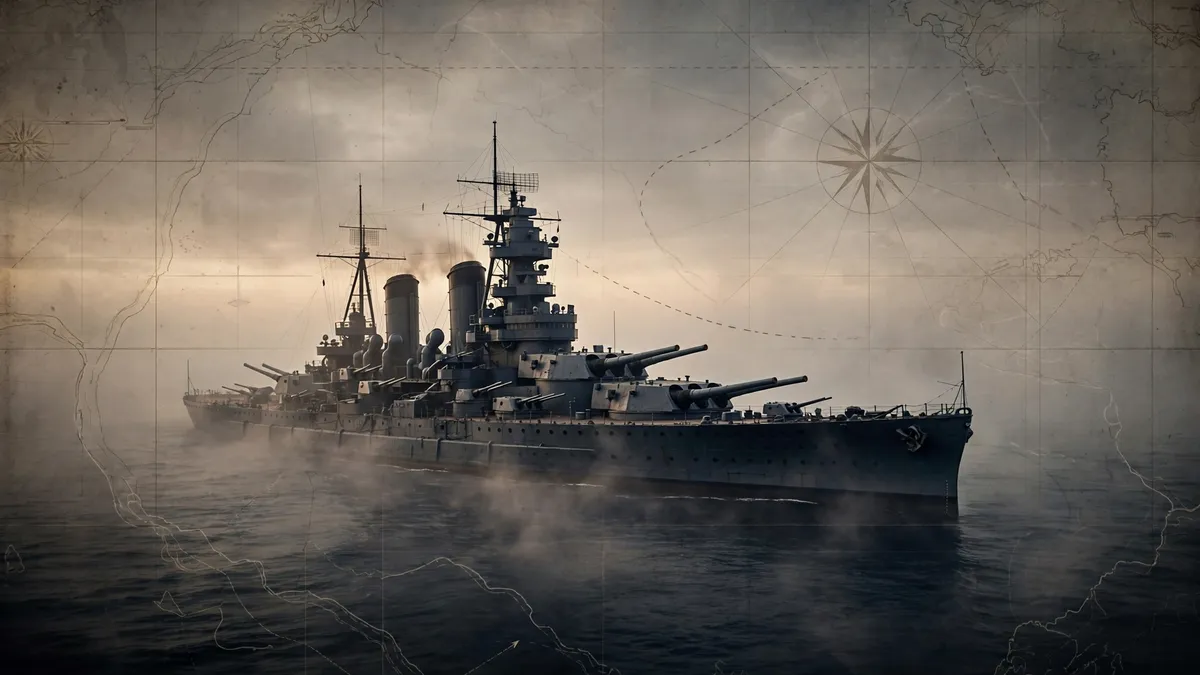
- The Battle — naval: Royal Navy destroyers at night off Crete, searchlights and gunfire, silhouettes of warships in dark Mediterranean water. Alt EN: “Royal Navy destroyers operating off Crete at night, May 1941” (63 chars). Alt VI: “Tàu khu trục Hải quân Hoàng gia Anh hoạt động ngoài khơi Crete ban đêm, tháng 5 năm 1941”.
- Turning Point: Hill 107 above Maleme airfield at dawn, empty defensive positions and abandoned equipment, olive trees and dry grass, quiet and deserted. Alt EN: “Hill 107 above Maleme airfield at dawn after the New Zealand withdrawal” (74 chars). Alt VI: “Đồi 107 trên sân bay Maleme lúc bình minh sau khi quân New Zealand rút lui”.
- Casualties and Losses: A quiet war cemetery on Crete with rows of simple headstones among olive trees, overcast light, respectful and still. Alt EN: “War cemetery on Crete with rows of headstones among olive trees” (66 chars). Alt VI: “Nghĩa trang chiến tranh ở Crete với những hàng mộ giữa cây ô-liu”.
- Map and Geography: Landscape view of the White Mountains and the narrow north-coast plain of Crete, sea in the distance, 1940s documentary style. Alt EN: “The White Mountains and north coast plain of Crete seen from the south” (72 chars). Alt VI: “Dãy White Mountains và đồng bằng bờ bắc Crete nhìn từ phía nam”.
- Outcome and Legacy: Cretan villagers and resistance fighters in the mountains of Crete in 1944, period clothing, rugged terrain, no weapons glorified. Alt EN: “Cretan resistance fighters in the mountains of Crete, 1944” (60 chars). Alt VI: “Chiến sĩ kháng chiến Crete trên núi, năm 1944”.
- Commanders: Portrait-style illustration of Major-General Bernard Freyberg in 1941 uniform, three-quarter view, plain background, documentary style. Alt EN: “Portrait of Major-General Bernard Freyberg, Allied commander on Crete” (73 chars). Alt VI: “Chân dung Thiếu tướng Bernard Freyberg, chỉ huy Đồng minh tại Crete”.
Draft: WarAtlas content team, 2026-11-09. Figures verified against the sources listed above; disputed German casualty figures are flagged as such in §7.