 WAR ATLAS MILITARY HISTORY MAGAZINE · WWI — WWII
Women in WWII
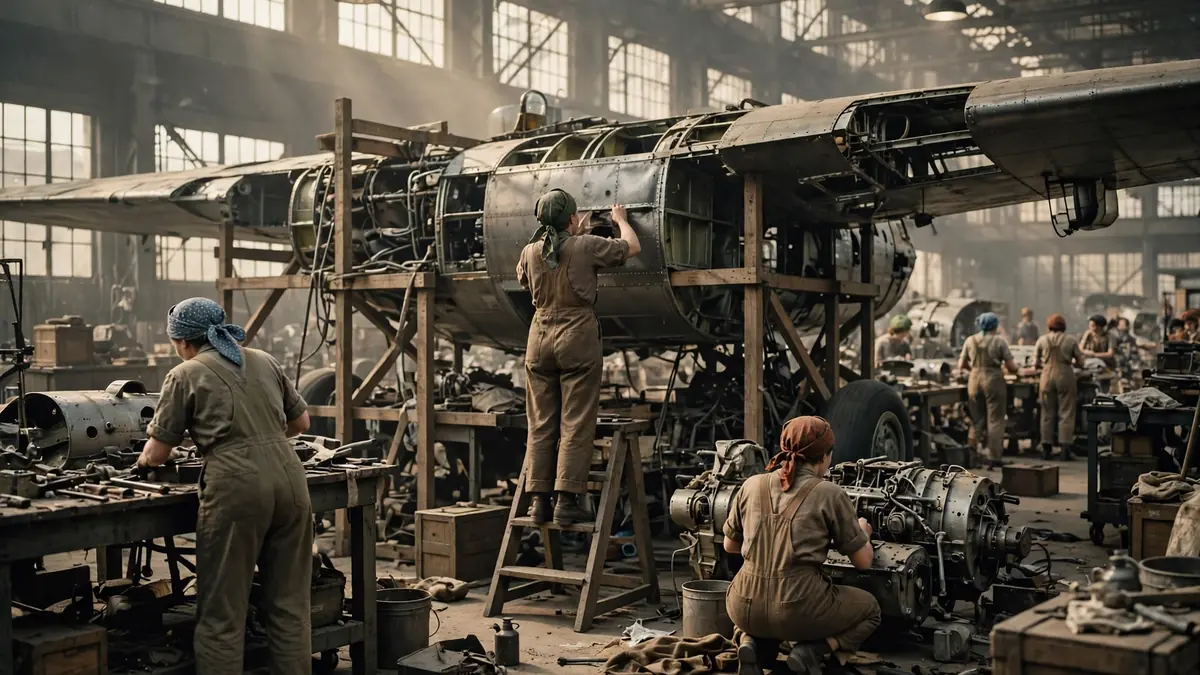
The Second World War was the first war in which women were mobilised on a mass scale, not only as nurses and as the wives and mothers of soldiers, but as soldiers themselves, as factory workers, as pilots, as spies, as resistance fighters, and as the heads of households that kept their countries running while their men were away.
In the Soviet Union, some 800,000 women served in the Red Army, as snipers, as pilots, as tank crew and as medics, and they fought at the front. In the United States, some 350,000 women served in the armed forces, and about 19 million women worked in the wartime economy, including six million who had never worked before, in factories that made aircraft, ships and tanks.
In Britain, women were conscripted for the first time in British history, and they served in the auxiliary services, in the factories, and on the land. In Germany, women worked in the war economy and, by the end of the war, in the defence of their cities. And in occupied Europe and Asia, women joined the resistance, carried messages, hid fugitives, and were arrested, tortured and killed for it.
This article tells the story of women in the Second World War: the women who fought, the women who worked, the women who resisted, and the women who were victims of the war. It is a story that was, for a long time, left out of the history of the war, and it is a story that changes how we understand the war itself.
The war was not only fought by men; it was fought, and won, by women as well, and the world that came after the war — in which women had the vote, in which they worked outside the home, and in which they served in the armed forces — was a world that the war had made.
1. Key Facts
| Field | Detail |
|---|---|
| Focus keyword | Women in WWII |
| Period | 1939–1945 (and the war in China from 1937) |
| Soviet women in the Red Army | About 800,000 |
| US women in the armed forces | About 350,000 |
| US women in the wartime workforce | About 19 million (from about 12 million in 1941) |
| British women in the auxiliary services | About 450,000 (ATS, WAAF, WRNS combined) |
| Soviet women snipers | Lyudmila Pavlichenko, 309 kills claimed |
| Famous Soviet unit | 588th Night Bomber Regiment (“Night Witches”) |
| Famous American symbol | “Rosie the Riveter” |
| British resistance role | SOE women agents in France (Violette Szabo, Noor Inayat Khan) |
| WASP (US women pilots) | About 1,000+ women, 38 killed in service |
| After the war | Most women left the armed forces and the factories; the change was lasting, not temporary |
2. Before the War: Women in the 1930s
A world of limits
In the 1930s, women in most countries were expected to marry, to keep house, and to raise children, and the law and custom of most countries kept them out of the professions, out of politics, and out of the armed forces.
In Britain and in the United States, married women were often barred from teaching and from the civil service, and the idea of a woman as a soldier, a pilot or a factory worker was, for most people, unthinkable. In Germany, the Nazi regime told women that their place was in the home, as mothers of the German race, and it discouraged them from working and from studying.
In the Soviet Union, women had, in theory, equal rights, and they worked in factories and on collective farms, but they were still expected to do the housework and to raise the children, and they were excluded from the most senior positions.
The world of the 1930s was a world in which women’s lives were limited, and in which the war, when it came, would change those limits, in ways that no one had foreseen.
The first volunteers
The first women to serve in the war were volunteers, and they were often the wives, the sisters and the daughters of soldiers, who wanted to do their part. In Britain, the Women’s Voluntary Service, founded in 1938, enrolled a million women by 1941, and its members ran canteens, evacuated children, and helped in the air-raid shelters.
In the United States, women volunteered for the Red Cross, for the USO, and for the civil defence, and they knitted, sewed and collected scrap for the war effort. In China, women volunteered as nurses and as stretcher-bearers, and they carried supplies to the front, in the war against Japan that had begun in 1937.
These volunteers were not soldiers, and they were not paid, but they were the first sign that the war would be a war of the whole people, and that women would be a part of it. In the Soviet Union, women joined the Red Cross and the civil defence, and they were trained as nurses and as air-raid wardens, long before the German invasion of June 1941.
Nursing: the traditional role
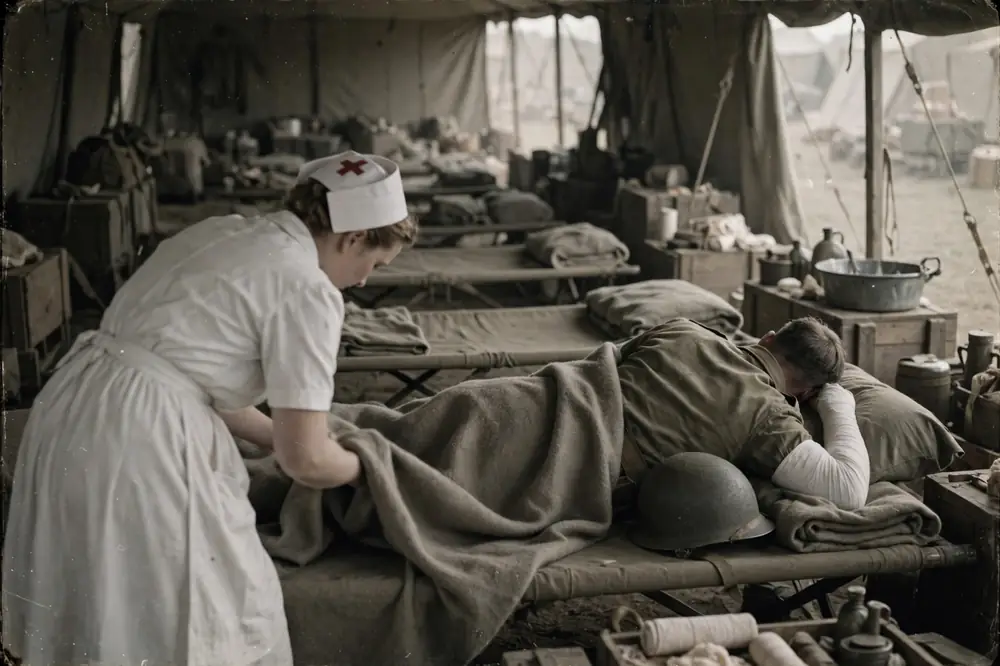
Nursing was the one military role that was open to women before the war, and it was the role in which most women served. Nurses served at the front, in field hospitals and on hospital ships, and they were exposed to the same dangers as the soldiers they treated: they were bombed, they were captured, and they were killed.
The most famous nurses of the war were the American nurses of Bataan and Corregidor, who were captured by the Japanese in 1942 and held as prisoners of war for three years, and the British nurses of Singapore, who were killed in the Bangka Island Massacre of February 1942, in which 21 Australian nurses were murdered on a beach.
Nurses were not combatants, but they were at the front, and their service was recognised, after the war, as one of the most important contributions that women made to the war. The story of the nurses is a reminder that the traditional role of women in war — as carers, as healers — was itself a form of courage, and that it deserves to be remembered alongside the story of the women who fought.
3. Women in Uniform: The Armed Forces
Britain: ATS, WAAF and WRNS
Britain was the first country to conscript women, in December 1941, and by the end of the war about 450,000 British women were serving in the three auxiliary services: the Auxiliary Territorial Service (ATS), the Women’s Auxiliary Air Force (WAAF), and the Women’s Royal Naval Service (WRNS).
The women of the ATS served as drivers, as mechanics, as signallers and as anti-aircraft gunners — they operated the searchlights and the guns, and they were the first British women to be killed by enemy action, in the Blitz.
The women of the WAAF served on airfields, as plotters, as radar operators and as mechanics, and they were essential to the winning of the Battle of Britain, in which the radar stations and the operations rooms were staffed, in large part, by women.
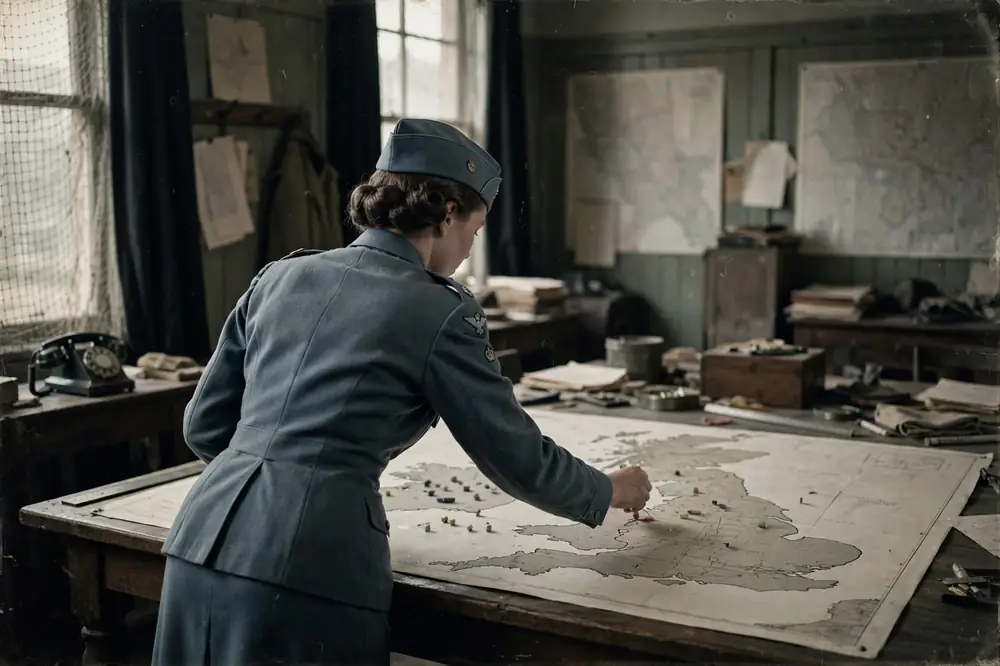
The women of the WRNS served at sea and on shore, as signallers, as coders and as drivers, and they were the first women to serve in the Royal Navy. British women in uniform were not allowed to fight — they were not, in theory, combatants — but they were in danger, they were killed, and they were, in every sense that matters, soldiers.
The United States: WAC, WAVES and WASP
In the United States, about 350,000 women served in the armed forces, in the Women’s Army Corps (WAC), the Women Accepted for Volunteer Emergency Service (WAVES) of the Navy, the women’s reserve of the Marine Corps and the Coast Guard, and the Women Airforce Service Pilots (WASP).
The WAC, founded in 1942, enrolled about 150,000 women, who served as clerks, as drivers, as mechanics and as signallers, and who freed men for combat. The WAVES, founded in 1942, enrolled about 100,000 women, who served in naval stations across the United States and overseas.
The WASP, founded in 1942, enrolled about 1,000 women, who ferried aircraft from the factories to the airfields, towed targets for gunnery practice, and tested repaired aircraft — and 38 of them were killed in service, although they were not, at the time, recognised as members of the armed forces, and were not given military funerals.
The American women in uniform were not allowed to fight, and they were not sent to the front, but they were essential to the war effort, and their service was the first step towards the integration of women into the American armed forces, which would come after the war.
The Soviet Union: women at the front
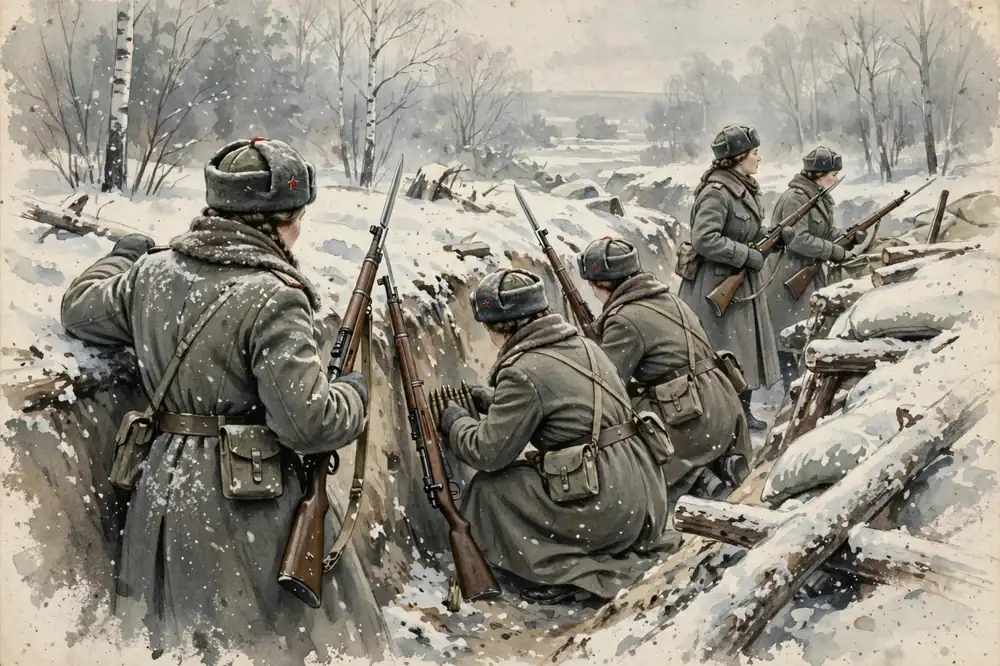
The Soviet Union was the only country in which women fought at the front, as combatants, in large numbers. About 800,000 Soviet women served in the Red Army, as snipers, as pilots, as tank crew, as artillery gunners and as medics, and they fought in the great battles of the war, at Stalingrad, at Kursk and at Berlin.
The most famous Soviet woman soldier was Lyudmila Pavlichenko, a sniper with 309 kills claimed, who became a hero of the Soviet Union and who toured the United States and Britain in 1942, where she was the first Soviet citizen to be received by the President of the United States.
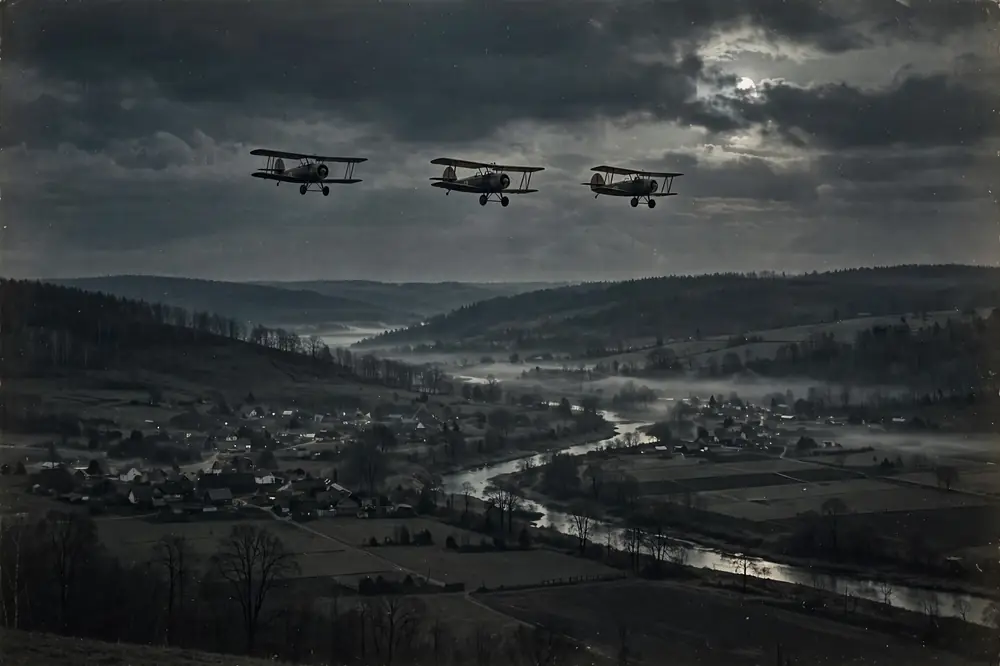
The most famous Soviet women’s unit was the 588th Night Bomber Regiment, the “Night Witches”, who flew old biplanes on night bombing missions over the German lines, and who were feared by the Germans for their silence and their accuracy.
The Soviet women at the front were soldiers, in every sense, and they were killed in large numbers: of the 800,000 women who served, many did not return, and their story was, for a long time, suppressed in the Soviet Union itself, because it did not fit the image of the war that the Soviet government wanted to present.
4. Rosie the Riveter: Women in the Factories
The American war economy
In the United States, the war transformed the workforce. In 1941, about 12 million American women were in paid work; by 1945, the number had risen to about 19 million, and six million of those women had never worked before.
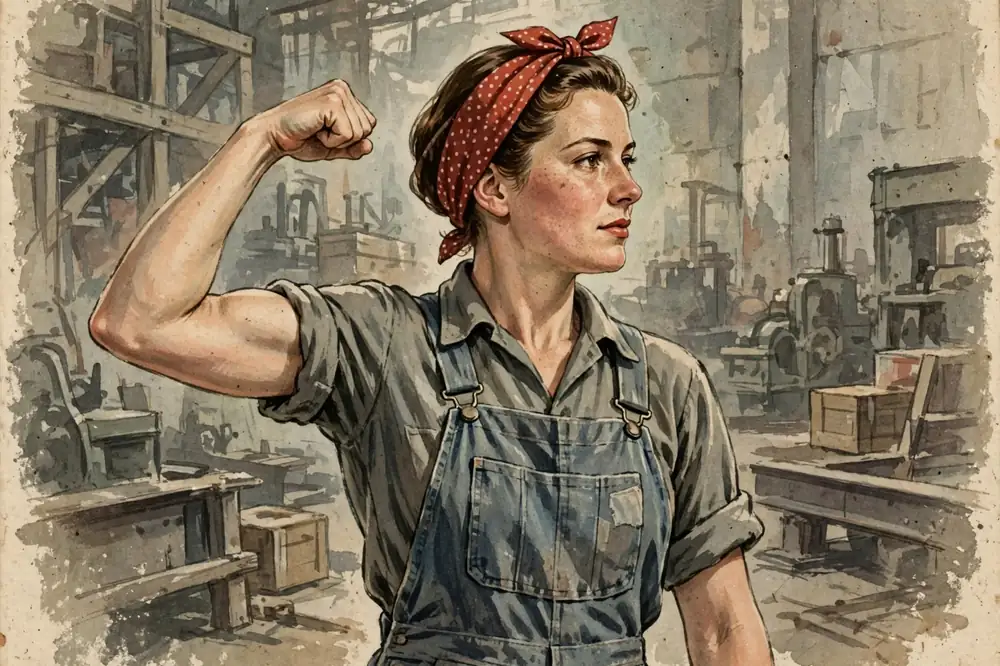
The women who went to work in the war were known, in the popular image of the time, as “Rosie the Riveter”, after the song and the poster of a woman in overalls, with a bandanna on her head and a rivet gun in her hand, and the slogan “We Can Do It!”.
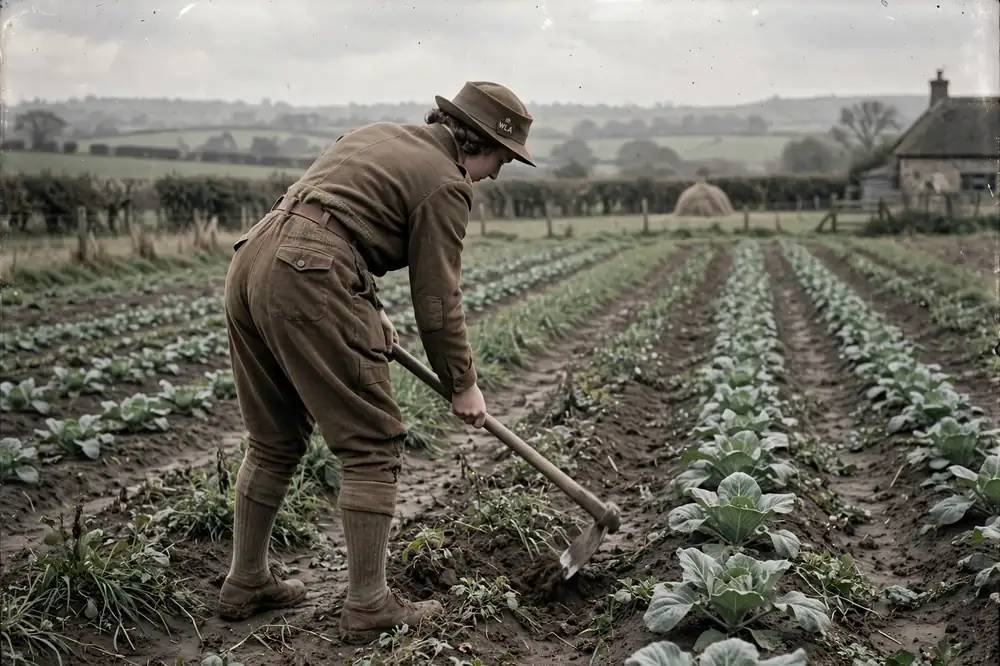
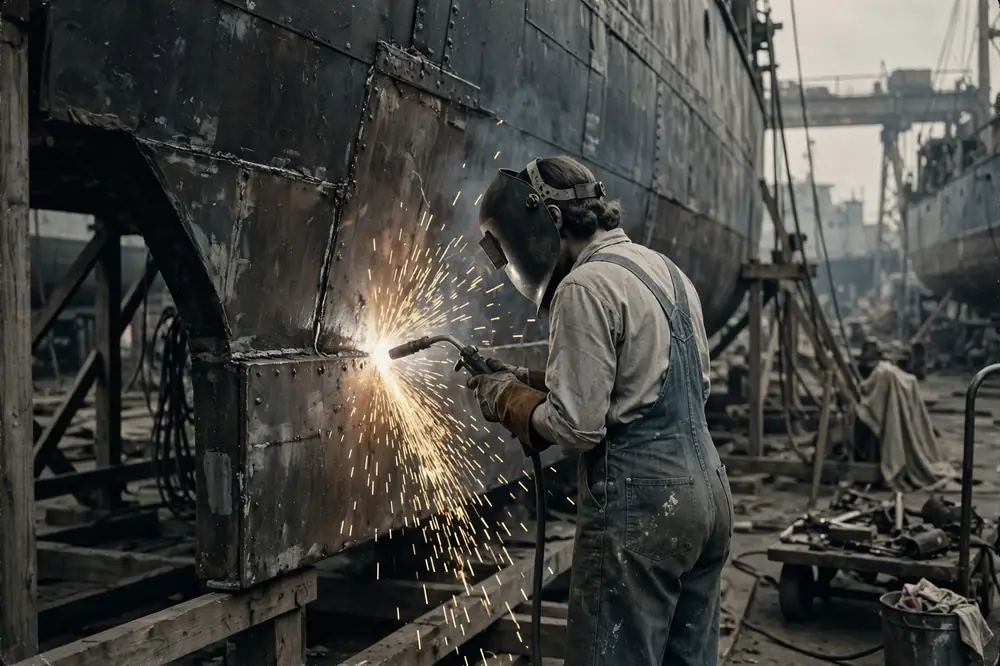
Rosie was a real woman, or rather many real women: the women who built the aircraft, the ships and the tanks that won the war, who worked in the factories of Detroit and of California, in shifts of ten and twelve hours, and who learned, in a few weeks, the skills that had taken men years to learn.
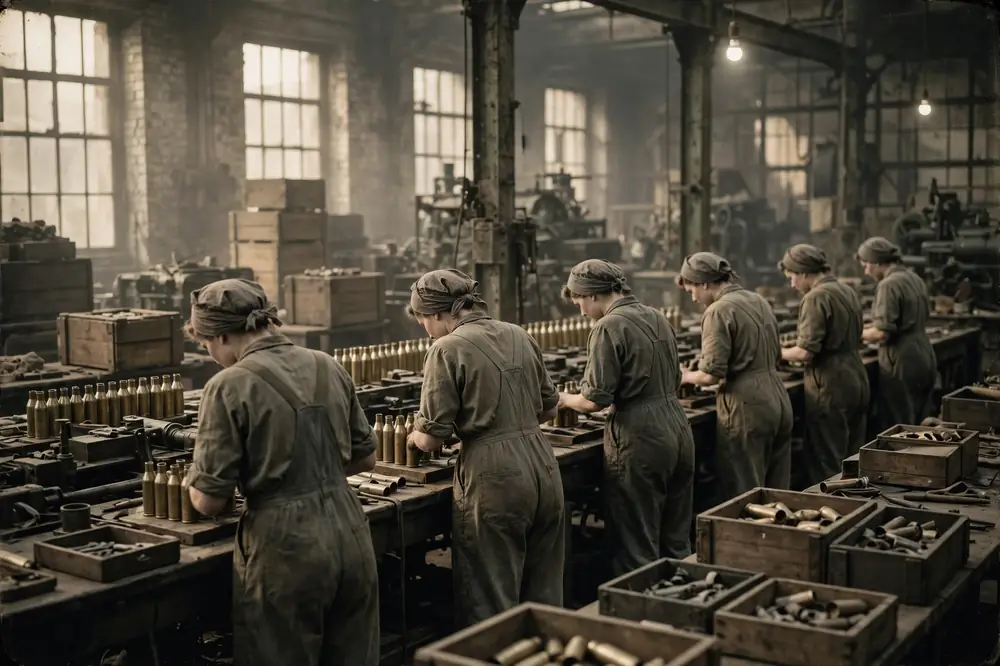
The American war economy depended on women, and the women who worked in it were, for the first time, paid as men were paid, and treated, in the factory, as workers, not as wives and mothers.
Britain and the Land Army
In Britain, women were directed into war work by the government, and by the end of the war about 80 per cent of British women of working age were in paid work, in the factories, in the civil defence, or on the land.
The most famous of the British women’s war organisations was the Women’s Land Army, whose members — the “Land Girls” — worked on the farms, ploughing, planting and harvesting, and keeping Britain fed when the U-boats were sinking the ships that brought food from overseas.
The Land Girls were not soldiers, and they were not well paid, but they were essential, and they are remembered, in Britain, as one of the symbols of the war. In the factories, British women made the aircraft and the tanks, and they worked in the munitions factories, in which the danger was real: the women who filled the shells with explosives were known as “canaries”, because the TNT turned their skin yellow, and they were at risk of explosion and of poisoning.
Germany and the Soviet Union: women at work
In Germany, the Nazi regime was, at first, reluctant to mobilise women for war work, because it believed that a woman’s place was in the home, and it was not until 1943, in the “total war” speech of Goebbels, that German women were called upon, in large numbers, to work in the factories.
By the end of the war, millions of German women were working in the war economy, and they were joined, in the last months of the war, by women who fought in the defence of Berlin and of the other cities, in the Volkssturm and in the anti-aircraft batteries.
In the Soviet Union, women had always worked, and the war made their work even more essential: with the men at the front, women ran the factories, the farms and the railways, and they built the tanks and the aircraft that won the war.
The Soviet women at work were not a new phenomenon, but the scale of their work was new, and the recognition that they received, after the war, was not: the Soviet Union honoured its women soldiers, but it did not, for a long time, honour its women workers in the same way.
5. Spies and the Resistance
The SOE women in France
Violette Szabo / Violette Szabo
The most famous women spies of the war were the women of the Special Operations Executive (SOE), the British organisation that sent agents into occupied France to work with the Resistance, to sabotage the German war effort, and to prepare for the Allied invasion. Of the 470 SOE agents sent to France, 39 were women, and 13 of them were killed.
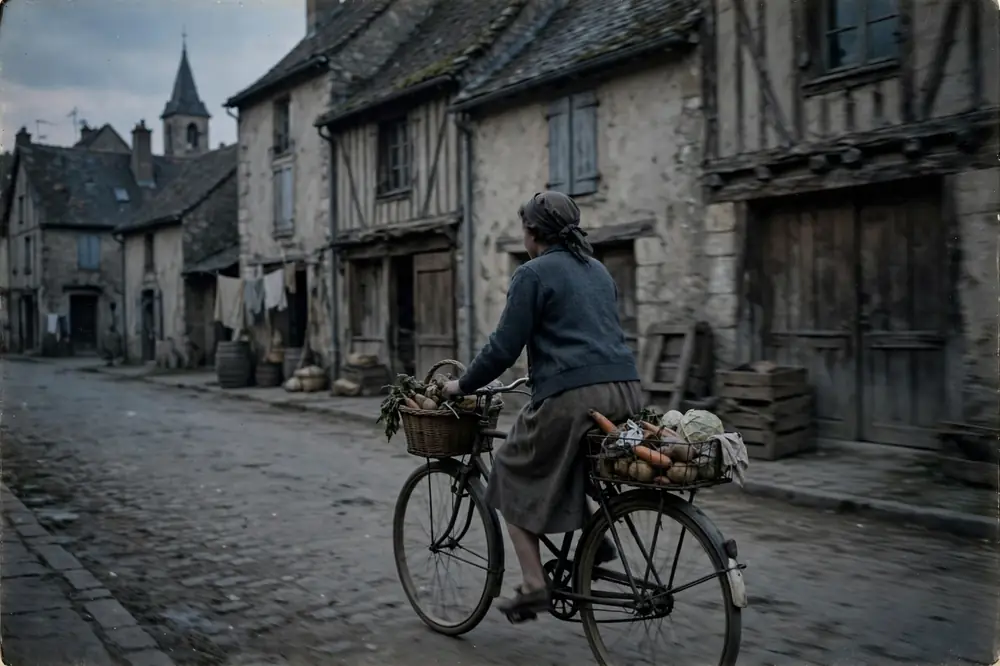
The most famous of them was Violette Szabo, a young woman of French and English parentage, who was sent to France twice, in 1944, to work with the Resistance in Limoges. On her second mission, in June 1944, just after D-Day, she was captured by the Germans after a gun battle in which she held off a German patrol, allowing her comrades to escape.
She was tortured by the Gestapo, and she was sent to the Ravensbrück concentration camp, where she was executed in January 1945. She was awarded the George Cross, the highest British award for bravery by a civilian, and the Croix de Guerre by France, and her story — told in the book and the film “Carve Her Name With Pride” — became one of the most famous stories of the war.
Violette Szabo was 23 years old when she died, and she left a daughter, Tania, who was two years old.
Noor Inayat Khan / Noor Inayat Khan
Noor Inayat Khan was the first woman radio operator sent by the SOE into occupied France, and her story is one of the most tragic of the war. The daughter of an Indian Sufi teacher and an American mother, Noor was a children’s writer in Paris before the war, and she joined the WAAF in 1940, after fleeing to Britain.
She was sent to Paris in June 1943, as a radio operator, and she was the last link between the SOE in London and the Resistance in Paris, after the other radio operators had been captured. She was betrayed, in October 1943, and she was arrested by the Gestapo, tortured, and sent to the Dachau concentration camp, where she was executed in September 1944.
She was awarded the George Cross and the Croix de Guerre, and she is remembered, in Britain, as one of the bravest agents of the war. Her story is a reminder that the women of the SOE were not only couriers and saboteurs, but radio operators — the most dangerous job of all, because the Germans could detect their transmissions, and because the life expectancy of a radio operator in occupied France was about six weeks.
Women in the resistance across Europe
The women of the SOE were only a small part of the women in the resistance. In France, women carried messages, hid Allied airmen, distributed leaflets, and sabotaged the railways, and they were arrested, tortured and deported in large numbers.
In Poland, women served in the Home Army, as couriers, as nurses and as fighters, and they fought in the Warsaw Uprising of 1944, in which women served in the front line and in which many were killed. In Yugoslavia, women served in Tito’s Partisans, as fighters and as medics, and the Partisans, who had a large number of women in their ranks, were the most effective resistance movement in Europe.
In the Soviet Union, women served as partisans behind the German lines, and they were hanged and shot in large numbers. The women of the resistance were not, in most cases, soldiers, and they were not, in most cases, recognised after the war, but they were essential to the resistance, and their courage was, in many cases, greater than that of the men, because they had no uniform, no weapon, and no protection, and because they were, if they were caught, treated as spies, not as soldiers, and were tortured and killed.
6. Women as Victims of War
The bombing and the home front
Women were the principal victims of the bombing of the cities, because they were the ones who were at home, with the children, when the bombs fell. In Britain, in the Blitz, women were killed in their homes, in the air-raid shelters, and in the factories, and they were the ones who kept their families alive, in the shelters and in the ruins.
In Germany, women were killed in the bombing of Hamburg, of Dresden and of Berlin, in numbers that are still disputed, and they were the ones who, in the last months of the war, fled before the Red Army, in the great flight from the east, in which millions of German women and children were killed, raped and driven from their homes.
In Japan, women were killed in the firebombing of Tokyo and in the atomic bombings of Hiroshima and Nagasaki, and they were the ones who, after the war, cared for the wounded and the orphaned. The bombing was a war against civilians, and civilians were, in the main, women and children, and the story of the bombing is, in large part, the story of women.
The Holocaust: women in the ghettos and the camps
Jewish women were among the principal victims of the Holocaust, and their story is one of the most terrible of the war. In the ghettos, women were the ones who kept their families alive, who smuggled food, who cared for the sick, and who were, in the end, deported with their children to the death camps.
In the camps, women were separated from their husbands and their children, and they were killed, in the gas chambers, or worked to death, in the factories and in the fields. The women who survived the camps — and few did — were those who were young, strong and lucky, and their stories, told after the war, are among the most powerful testimonies of the Holocaust.
Women also resisted the Holocaust: in the Warsaw Ghetto Uprising, women fought alongside men, as couriers, as nurses and as fighters, and in the camps, women organised the resistance, smuggled food, and kept the memory of their families alive. The story of Jewish women in the Holocaust is a story of suffering, and it is also a story of resistance, and it must be told as both.
“Comfort women” and sexual violence
One of the war crimes of the Second World War was the system of military sexual slavery imposed by the Japanese army on women in the occupied territories, in which tens of thousands of women — from Korea, China, the Philippines, Indonesia and elsewhere, by the most commonly cited estimates — were forced to serve as “comfort women” in military brothels.
The women were deceived, kidnapped or coerced, and they were held in conditions of sexual slavery, and many of them died, and those who survived were, in many cases, unable to return to their families, because of the shame that was attached to them.
The “comfort women” system was a war crime, and it is remembered, in Korea and in China, as one of the great crimes of the Japanese occupation, and it remains a source of tension between Japan and its neighbours. Sexual violence was not confined to the Japanese army: women were raped by soldiers of all the armies of the war, and the mass rapes in Berlin, in 1945, by Soviet soldiers, in which, by the most commonly cited estimates, tens of thousands of German women were raped, are one of the most terrible episodes of the end of the war.
This article mentions these crimes briefly, as a war crime, without sensationalism, because they are a part of the story of women in the war, and because they must not be forgotten.
7. The End of the War
Liberation and coming home
The liberation of the camps
The end of the war was, for women, a moment of liberation and of loss. The women in the concentration camps were liberated, in 1944 and 1945, by the Allied armies, and they were, in many cases, the only survivors of their families.
The women in the prisoner-of-war camps — the nurses of Bataan, the women of the Far East — were liberated, and they returned home, to a world that had changed, and that did not, in many cases, understand what they had been through. The women of the resistance were liberated, and they were, in some cases, honoured, and in others, forgotten.
The liberation of the camps is remembered, in the West, through the photographs of the survivors, many of them women, and through the testimonies of the women who survived, which are among the most powerful accounts of the war. The liberation was not the end of the suffering: the women who were liberated were, in many cases, ill, starving and traumatised, and they needed years to recover, and some of them never did.
Coming home
Coming home was, for the women who had served, a difficult experience. The women of the armed forces were demobilised, in 1945 and 1946, and they were, in most cases, expected to return to the home, to marry, and to raise children.
The women of the factories were dismissed, and their jobs were given to the returning men, and the slogan “We Can Do It!” was replaced by the slogan of the home, and by the expectation that a woman’s place was, once again, in the kitchen.
The women who had fought, who had flown, who had spied, were told to forget what they had done, and to be, once again, wives and mothers. Many of them did, and many of them were happy to do so, but many of them were not, and the experience of coming home was, for them, a second war, a war against the expectation that they should be, once again, what they had been before the war.
Justice after the war
The war crimes trials — at Nuremberg and at Tokyo — were, in part, trials about crimes against women: the mass murder of Jewish women and children, the “comfort women” system, the rape of women in the occupied territories, and the killing of women in the camps.
The trials were the first time that crimes against women were recognised as war crimes, and they were the first step towards the recognition, in international law, that sexual violence in war is a crime. The women who testified at the trials — the survivors of the camps, the survivors of the “comfort women” system, the nurses who had been prisoners — were among the most powerful witnesses, and their testimony is a part of the record of the war.
The trials did not, in themselves, do justice to the women who had suffered: many of the perpetrators were never tried, and many of the crimes were never punished, and the women who had been raped were, in many cases, not believed, and were, in many cases, ashamed to speak.
But the trials were a beginning, and the recognition that crimes against women are war crimes is one of the legacies of the war.
8. After the War: The Long Silence
Pushed back home
After the war, women were, in most countries, pushed back into the home. In the United States, the number of women in paid work fell, from about 19 million in 1945 to about 16 million in 1947, and the women who remained in work were, in the main, in the traditional women’s jobs — as teachers, as nurses, as secretaries — and not in the factories.
In Britain, the auxiliary services were disbanded, and the women who had served in them were, in most cases, expected to marry and to leave work. In the Soviet Union, women remained in work, because the Soviet economy needed them, but they were, in the main, in the lower-paid jobs, and they were expected, in addition, to do the housework and to raise the children.
The post-war world was a world in which women had proved that they could do men’s work, and in which they were told, once again, that men’s work was not for them.
The long silence
The women who had served in the war were, for a long time, silent about what they had done. The Soviet women soldiers were not, for many years, recognised as veterans, and their medals were not, in many cases, given to them until the 1960s and 1970s.
The women of the SOE were not, for many years, talked about, and their stories were not told until the 1950s and 1960s, when the books and the films about them appeared. The WASP were not recognised as veterans until 1977, when the United States Congress granted them veteran status, and they were not given the Congressional Gold Medal until 2010.
The “comfort women” were not, for many years, able to speak, because of the shame that was attached to them, and it was not until the 1990s that they began to tell their stories, and to demand an apology and compensation from Japan.
The long silence was a silence of shame, of modesty, and of a world that did not want to hear, and it is only in the last decades that the silence has been broken.
The recognition that came late
The recognition of women’s service in the war came late, but it came. In the Soviet Union, the women soldiers were honoured, in the 1960s and 1970s, with medals and with monuments, and their stories were told in books and in films.
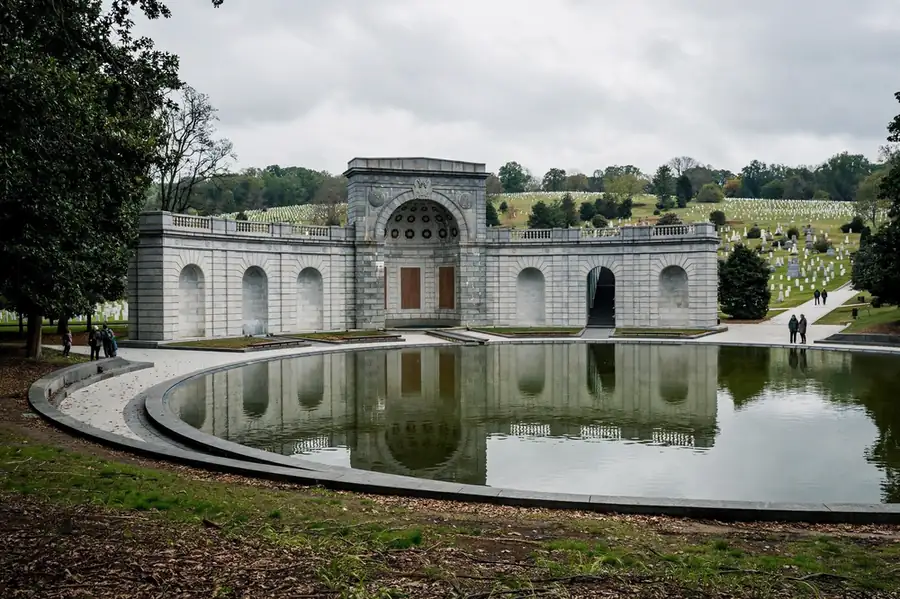
In Britain, the women of the ATS, the WAAF and the WRNS were honoured with the Women’s Services Memorial, and their stories were told in the Imperial War Museum. In the United States, the WASP were honoured with the Congressional Gold Medal, and the women of the armed forces were honoured with the Women in Military Service for America Memorial, at Arlington National Cemetery, opened in 1997.
In France, the women of the Resistance were honoured, and in Poland, the women of the Home Army were honoured. The recognition came late, but it is a recognition that the war was won, in part, by women, and that the women who served in it deserve to be remembered.
9. Legacy
The legacy of women in the Second World War is the world we live in today. It is the world in which women work, in which they vote, in which they serve in the armed forces, and in which they are, in theory, equal to men.
That world was not made by the war alone, but the war made it possible, by proving, in the most dramatic way, that women could do what men could do, and that a country that did not use the talents of half its people could not win a war.
The war did not, in itself, liberate women, and the women who served in it were, in many cases, pushed back into the home after it, but the war changed the argument, and it changed the world, and the world that came after the war was a world in which the question of women’s place was, for the first time, a question that could not be ignored.
Women in the armed forces today
Today, women serve in the armed forces of almost every country, and they serve, in many countries, in combat roles, as pilots, as sailors, and as soldiers. In the United States, women have served in combat since 2013, when the ban on women in combat was lifted, and they have served, since then, in Afghanistan and in Iraq.
In Britain, women have served in combat since 2016, and they have served in the Royal Navy, in the Royal Air Force, and in the Army. In Israel, women have served in combat since the founding of the state, and in the Soviet Union, women served in combat during the war, and their example was, for a long time, the only example of women in combat in the modern world.
The women who serve today are the heirs of the women who served in the Second World War, and their service is a part of the legacy of the war.
The change that lasted
The change that the war made was lasting, even though it was not immediate. The women who worked in the factories during the war were, in most cases, dismissed after it, but their daughters went to work, and their granddaughters went to university, and the world in which women worked outside the home became, in the decades after the war, the normal world.
The women who served in the armed forces during the war were, in most cases, demobilised after it, but their daughters joined the armed forces, and their granddaughters commanded ships and aircraft. The war did not change the world in a day, but it changed the world, and the change it made is the change that we live in today.
The change was not only in the workplace: it was in the law, in education, and in the expectations of a generation of girls who had seen their mothers work, fight and lead. By the 1960s, the daughters of the war generation were demanding, in Britain, in the United States and in Europe, the equality that their mothers had been denied, and the women’s movement of the 1960s and 1970s was, in part, the legacy of the war.
Why women in WWII still matter
Women in the Second World War still matter because their story is the story of the war itself, and because it is a story that was, for a long time, not told. It matters because it shows that the war was fought by the whole people, not only by the men, and that the victory was won by the whole people, not only by the men.
It matters because it shows that women, when they were given the chance, could do what men could do, and that the limits that were placed on them were limits of custom and of law, not of ability. And it matters because the women of the war — the soldiers, the workers, the spies, the nurses, the resisters, and the victims — deserve to be remembered, not as an afterthought, but as a part of the war, and as a part of the history of the twentieth century.
Frequently Asked Questions
How many women served in the armed forces in WWII?
About 800,000 Soviet women served in the Red Army, about 350,000 American women served in the US armed forces, and about 450,000 British women served in the auxiliary services.
Who was “Rosie the Riveter”?
“Rosie the Riveter” was the popular image of the American women who worked in the war factories. About 19 million American women were in paid work by 1945, and six million of them had never worked before.
Who were the “Night Witches”?
The “Night Witches” were the women of the Soviet 588th Night Bomber Regiment, who flew old biplanes on night bombing missions over the German lines.
What did the SOE women do in France?
The women of the Special Operations Executive worked with the French Resistance as couriers, radio operators and saboteurs. Of the 39 women sent to France, 13 were killed, including Violette Szabo and Noor Inayat Khan.
Were women allowed to fight in WWII?
Only in the Soviet Union did women fight at the front as combatants in large numbers. In Britain and the United States, women served in the armed forces but were not, in theory, allowed to fight.
When were women pilots recognised as veterans?
The American WASP were not recognised as veterans until 1977, and they were not given the Congressional Gold Medal until 2010.
Related articles
Sources
- Svetlana Alexievich, The Unwomanly Face of War (Penguin, 1985; English edition 2017) — Soviet women soldiers, snipers and pilots, in their own words.
- Sarah Helm, A Life in Secrets: Vera Atkins and the Missing Agents of WWII (Little, Brown, 2005) — the SOE women in France, including Szabo and Khan.
- Wikipedia, “Women in World War II“, “Rosie the Riveter”, “Women Airforce Service Pilots” and “588th Night Bomber Regiment” — the figures for women in the armed forces and in the workforce.
- Imperial War Museum, “Women in the Second World War” — the ATS, the WAAF, the WRNS and the Women’s Land Army.
- Maureen Honey, Creating Rosie the Riveter: Class, Gender, and Propaganda during World War II (University of Massachusetts Press, 1984) — the American women in the factories.
- Yuki Tanaka, Hidden Horrors: Japanese War Crimes in World War II (Westview Press, 1996) — the “comfort women” system and sexual violence in the war.
- United States Holocaust Memorial Museum, Holocaust Encyclopedia, “Women in the Holocaust” — Jewish women in the ghettos and the camps.