 Tiếng Việt

Battle of Saipan
1. Lead / Mở đầu
The Battle of Saipan, fought from 15 June to 9 July 1944, was a consequential battle of the Pacific War. It also caused heavy civilian deaths. Saipan, in the Mariana Islands, was the first island of the pre-war Japanese Empire that American troops invaded, and its airfields put the new American B-29 bomber within range of the Japanese home islands for the first time. On 15 June 1944, the U.S. 2nd and 4th Marine Divisions, followed by the Army’s 27th Infantry Division, landed on the west coast of Saipan under Lieutenant General Holland M. Smith, against a Japanese garrison of about 31,000 men under Lieutenant General Yoshitsugu Saito. The fighting lasted 24 days, through the capture of Aslito airfield, the prolonged fighting for Mount Tapochau and the valleys the Americans called Death Valley and Purple Heart Ridge, and a final massed Japanese attack on 7 July in which at least 3,000 Japanese soldiers died. When organised resistance ended on 9 July, almost the entire Japanese garrison was dead, about 3,100–3,225 Americans had been killed, and at least 8,000 civilians — Japanese settlers, Chamorros and Carolinians — had died, many of them in the fighting and in the mass suicides at the cliffs of Marpi Point. Saipan broke Japan’s inner defensive perimeter and brought the home islands within bombing range. Prime Minister Hideki Tojo resigned on 18 July 1944, within days of the island’s fall.
Trận Saipan, diễn ra từ ngày 15 tháng 6 đến ngày 9 tháng 7 năm 1944, là một trận đánh có ý nghĩa của Chiến tranh Thái Bình Dương. Trận đánh cũng gây ra thương vong nặng nề cho dân thường. Saipan, thuộc quần đảo Mariana, là đảo đầu tiên của Đế quốc Nhật Bản trước chiến tranh mà quân Mỹ xâm lược, và các sân bay của nó lần đầu tiên đưa máy bay ném bom B-29 mới của Mỹ vào tầm bay tới các đảo chính của Nhật Bản. Ngày 15 tháng 6 năm 1944, Sư đoàn Thủy quân Lục chiến 2 và 4 của Mỹ, tiếp theo là Sư đoàn Bộ binh 27 của Lục quân, đổ bộ lên bờ biển phía tây Saipan dưới quyền Trung tướng Holland M. Smith, đối đầu với lực lượng đồn trú Nhật khoảng 31.000 người dưới quyền Trung tướng Yoshitsugu Saito. Trận đánh kéo dài 24 ngày, qua việc chiếm sân bay Aslito, giao tranh kéo dài giành núi Tapochau và các thung lũng mà người Mỹ gọi là Death Valley và Purple Heart Ridge, và một đợt tấn công tập trung cuối cùng của Nhật ngày 7 tháng 7 khiến ít nhất 3.000 binh sĩ Nhật thiệt mạng. Khi kháng cự có tổ chức chấm dứt ngày 9 tháng 7, gần như toàn bộ lực lượng đồn trú Nhật đã chết, khoảng 3.100–3.225 người Mỹ đã hy sinh, và ít nhất 8.000 dân thường — người Nhật định cư, người Chamorro và người Carolinian — đã chết, nhiều người trong số đó trong giao tranh và trong các vụ tự sát tập thể tại các vách đá ở mũi Marpi. Saipan đã phá vỡ vành đai phòng thủ nội vi của Nhật và đưa các đảo chính vào tầm ném bom. Thủ tướng Hideki Tojo từ chức ngày 18 tháng 7 năm 1944, chỉ vài ngày sau khi đảo thất thủ.
2. Key Facts / Thông tin chính
| Date / Thời gian | 15 June – 9 July 1944 (24 days / 24 ngày; mopping-up continued into August) |
| Location / Địa điểm | Saipan, Mariana Islands, western Pacific / Đảo Saipan, quần đảo Mariana, tây Thái Bình Dương |
| Codename / Mật danh | Operation Forager (the Marianas campaign) / Chiến dịch Forager |
| Result / Kết quả | American victory — Saipan secured 9 July 1944 / Mỹ thắng — Saipan được tuyên bố an toàn ngày 9/7/1944 |
| American commanders / Chỉ huy Mỹ | Adm. Raymond A. Spruance (Fifth Fleet); Vice Adm. Richmond K. Turner (amphibious force); Lt-Gen Holland M. Smith (Northern Troops and Landing Force) |
| Japanese commanders / Chỉ huy Nhật | Lt-Gen Yoshitsugu Saito (43rd Division, tactical command on the island); Vice Adm. Chuichi Nagumo (Central Pacific Area Fleet); Lt-Gen Hideyoshi Obata (31st Army, absent from the island) |
| American strength / Lực lượng Mỹ | 71,034 men in the landing force: 2nd Marine Division, 4th Marine Division, 27th Infantry Division (Army) |
| Japanese strength / Lực lượng Nhật | About 31,629 men: 25,469 Army and 6,160 Navy personnel; garrison about 30,000–32,000 in total |
| American casualties / Thương vong Mỹ | Land forces: 3,100–3,225 killed, 326 missing, 13,061–13,099 wounded (total about 16,500); ships’ personnel: 51+ killed, 32+ missing, 184+ wounded |
| Japanese casualties / Thương vong Nhật | 25,144+ dead (buried by 15 August 1944); 1,810 prisoners as of 10 August; the remainder of the garrison died, committed suicide, were killed or captured later, or held out |
| Civilian deaths / Dân thường thiệt mạng | 8,000–10,000 (see §7 — figures are disputed; a higher estimate of 22,000 is also cited) |
3. Background / Bối cảnh
By the spring of 1944 the United States had won the initiative in the Pacific. After the Battle of Midway in June 1942 and the long campaign on Guadalcanal, American forces were advancing across the central Pacific, island by island, towards Japan. The next step, decided at the Cairo and Washington conferences, was the Mariana Islands — Saipan, Tinian and Guam. The Marianas mattered for one reason above all: they were close enough to Japan for the new Boeing B-29 Superfortress, the largest bomber of the war, to reach Tokyo and the other home islands. From Saipan, about 2,400 kilometres (1,500 miles) from Tokyo, B-29s could bomb Japan directly. No other American-held base could do that.
Đến mùa xuân năm 1944, Hoa Kỳ đã giành được thế chủ động ở Thái Bình Dương. Sau Trận Midway tháng 6 năm 1942 và chiến dịch dài tại Guadalcanal, lực lượng Mỹ đang tiến qua trung tâm Thái Bình Dương, từng đảo một, hướng về Nhật Bản. Bước tiếp theo, được quyết định tại các hội nghị Cairo và Washington, là quần đảo Mariana — Saipan, Tinian và Guam. Quần đảo Mariana quan trọng vì một lý do trên hết: chúng đủ gần Nhật Bản để máy bay ném bom Boeing B-29 Superfortress mới, máy bay ném bom lớn nhất của chiến tranh, có thể tới Tokyo và các đảo chính khác. Từ Saipan, cách Tokyo khoảng 2.400 km, B-29 có thể ném bom trực tiếp vào Nhật Bản. Không căn cứ nào khác của Mỹ làm được điều đó.
Saipan was also Japanese home territory in a sense no earlier American target had been. Japan had governed the Marianas since the First World War under a League of Nations mandate, and by 1944 Saipan had a large civilian population: about 29,348 Japanese settlers (many of them from Okinawa) and about 3,926 Chamorro islanders, with other estimates putting the total civilian population at roughly 25,000–30,000. The island’s sugar-cane fields, its town of Garapan and its airfield at Aslito (now Saipan International Airport) were worked by those civilians, and the Japanese garrison was dug in among them. The Americans knew the island would be defended to the last man: Japanese doctrine left no room for surrender, and the garrison commander, Lieutenant General Saito, had orders to hold Saipan at all costs. American intelligence underestimated the garrison — it expected about half the number that was actually there — and the landing force of 71,034 men faced about 31,000 defenders, well dug in, in caves, ridges and concrete positions.
Saipan cũng là lãnh thổ Nhật theo một nghĩa mà chưa mục tiêu nào trước đó của Mỹ có được. Nhật Bản đã cai trị quần đảo Mariana từ Thế chiến thứ nhất theo ủy thác của Hội Quốc Liên, và đến năm 1944 Saipan có dân số đông đảo: khoảng 29.348 người Nhật định cư (nhiều người từ Okinawa) và khoảng 3.926 người đảo Chamorro, với các ước tính khác đưa tổng dân số vào khoảng 25.000–30.000 người. Các cánh đồng mía, thị trấn Garapan và sân bay Aslito (nay là Sân bay Quốc tế Saipan) của đảo do chính những dân thường đó làm việc, và lực lượng đồn trú Nhật đào hầm ẩn nấp giữa họ. Người Mỹ biết hòn đảo sẽ được phòng thủ đến người cuối cùng: học thuyết Nhật không cho phép đầu hàng, và tư lệnh đồn trú, Trung tướng Saito, có lệnh giữ Saipan bằng mọi giá. Tình báo Mỹ đánh giá thấp lực lượng đồn trú — họ dự kiến chỉ bằng một nửa con số thực tế — và lực lượng đổ bộ 71.034 người phải đối mặt với khoảng 31.000 quân phòng thủ, đào hầm kiên cố trong hang động, rặng núi và công sự bê tông.
The invasion was part of Operation Forager, commanded at sea by Admiral Raymond Spruance’s Fifth Fleet, with Vice Admiral Richmond Kelly Turner commanding the amphibious force and Lieutenant General Holland “Howlin’ Mad” Smith — the Marine who had built the American amphibious doctrine — commanding the troops ashore. The Japanese Navy intended to intervene: Admiral Soemu Toyoda’s Mobile Fleet sailed to meet the invasion, and on 19–20 June 1944 it was destroyed in the Battle of the Philippine Sea, the “Great Marianas Turkey Shoot”, in which American carrier pilots shot down hundreds of Japanese aircraft. Saipan’s defenders were left isolated, with no reinforcement or resupply.
Cuộc xâm lược là một phần của Chiến dịch Forager, do Hạm đội 5 của Đô đốc Raymond Spruance chỉ huy trên biển, Phó Đô đốc Richmond Kelly Turner chỉ huy lực lượng đổ bộ, và Trung tướng Holland “Howlin’ Mad” Smith — người lính thủy đánh bộ đã xây dựng học thuyết đổ bộ của Mỹ — chỉ huy quân trên bờ. Hải quân Nhật dự định can thiệp: Hạm đội Cơ động của Đô đốc Soemu Toyoda ra khơi đón đánh cuộc xâm lược, và ngày 19–20 tháng 6 năm 1944 nó bị tiêu diệt trong Trận Biển Philippines, “cuộc săn gà tây vĩ đại ở Mariana”, trong đó phi công tàu sân bay Mỹ bắn rơi hàng trăm máy bay Nhật. Quân phòng thủ Saipan bị bỏ lại cô lập, không có tăng viện hay tiếp tế.
4. Opposing Forces / Lực lượng hai bên
| United States / Hoa Kỳ | Japan / Nhật Bản | |
|---|---|---|
| Overall command / Tổng chỉ huy | Adm. Raymond A. Spruance (Fifth Fleet); Vice Adm. Richmond K. Turner (amphibious force) | Lt-Gen Yoshitsugu Saito (tactical command on Saipan); Vice Adm. Chuichi Nagumo (Central Pacific Area Fleet, also on Saipan) |
| Ground commander / Chỉ huy mặt đất | Lt-Gen Holland M. Smith (V Amphibious Corps) | Lt-Gen Yoshitsugu Saito (43rd Division) |
| Divisions / Sư đoàn | 2nd Marine Division (Maj-Gen Thomas E. Watson); 4th Marine Division (Maj-Gen Harry Schmidt); 27th Infantry Division, Army (Maj-Gen Ralph C. Smith, relieved 24 June; succeeded by Maj-Gen George W. Griner) | 43rd Division (Saito); 47th Independent Mixed Brigade; naval troops under Rear Adm. Takeo Takagi and Vice Adm. Nagumo; Korean labourers |
| Total strength / Tổng quân số | 71,034 men in the landing force | About 31,629 (25,469 Army, 6,160 Navy) |
| Naval and air support / Hải quân và không quân | Fifth Fleet: 15 fleet carriers, 7 battleships, cruisers, destroyers and hundreds of landing craft; naval gunfire and carrier air support throughout | No effective naval support after the Battle of the Philippine Sea (19–20 June); limited artillery and mortars; a handful of aircraft, soon destroyed |
| Tanks and artillery / Xe tăng và pháo | Marine and Army tanks (M4 Sherman), artillery, naval gunfire | Some Type 97 tanks, artillery and mortars in caves and concrete pillboxes; much of it destroyed by bombardment before the landing |
| Key weakness / Điểm yếu chính | Inter-service friction between Marine and Army command (see §9); rugged terrain that favoured the defence | Outnumbered more than two to one; no resupply or reinforcement after 19–20 June; no air cover |
5. The Battle / Diễn biến
15–16 June 1944 — the landings / Ngày 15–16 tháng 6 năm 1944 — cuộc đổ bộ
The invasion began before dawn on 15 June 1944, nine days after the Normandy landings in Europe. After a heavy naval bombardment, about 8,000 Marines of the 2nd and 4th Marine Divisions landed on the south-west coast of Saipan, on beaches near Charan Kanoa, in more than 300 landing vehicles. The Japanese had expected the landing further north, near Garapan, and the first waves got ashore against lighter resistance than expected — but the fighting quickly became heavy. Japanese artillery, mortars and machine guns, firing from concealed positions in the hills above the beaches, killed and wounded hundreds of Marines in the first hours. By nightfall about 20,000 men were ashore, but the beachhead was shallow and the Japanese counter-attacked after dark, as they would do almost every night of the battle.
Cuộc xâm lược bắt đầu trước bình minh ngày 15 tháng 6 năm 1944, chín ngày sau cuộc đổ bộ Normandy ở châu Âu. Sau đợt pháo kích dữ dội của hải quân, khoảng 8.000 lính thủy đánh bộ thuộc Sư đoàn Thủy quân Lục chiến 2 và 4 đổ bộ lên bờ biển phía tây nam Saipan, trên các bãi biển gần Charan Kanoa, bằng hơn 300 xe đổ bộ. Quân Nhật dự kiến cuộc đổ bộ sẽ diễn ra xa hơn về phía bắc, gần Garapan, và những đợt sóng đầu tiên lên bờ với sức kháng cự nhẹ hơn dự kiến — nhưng giao tranh nhanh chóng trở nên ác liệt. Pháo, súng cối và súng máy Nhật, bắn từ các vị trí ẩn trong đồi trên các bãi biển, giết và làm bị thương hàng trăm lính thủy đánh bộ trong những giờ đầu tiên. Đến đêm, khoảng 20.000 người đã lên bờ, nhưng đầu cầu còn nông và quân Nhật phản công sau khi trời tối, như họ sẽ làm hầu như mỗi đêm trong trận đánh.
On 16 June, units of the Army’s 27th Infantry Division began landing, and the Marines pushed inland towards Aslito airfield. The Japanese counter-attacked again that night. The pattern of the battle was set: by day the Americans advanced slowly, yard by yard, against caves, pillboxes and ridges; by night the Japanese attacked, often in small groups, infiltrating the American lines.
Ngày 16 tháng 6, các đơn vị của Sư đoàn Bộ binh 27 thuộc Lục quân bắt đầu đổ bộ, và lính thủy đánh bộ tiến vào đất liền về phía sân bay Aslito. Quân Nhật lại phản công đêm đó. Nhịp điệu của trận đánh đã định hình: ban ngày người Mỹ tiến chậm, từng mét một, chống lại hang động, lô cốt và rặng núi; ban đêm quân Nhật tấn công, thường theo từng nhóm nhỏ, xâm nhập vào tuyến của Mỹ.
17–18 June — Aslito airfield / Ngày 17–18 tháng 6 — sân bay Aslito
Aslito airfield was the first major objective, and it fell quickly. On 17 June the Marines and the Army’s 165th Infantry Regiment advanced on the airfield, and on 18 June Saito abandoned it — the 165th Infantry took Aslito on 18 June. The airfield was soon in American hands and being repaired for American aircraft; it would later become Isely Field, from which B-29s flew against Japan. But taking the airfield did not break the Japanese defence. Saito withdrew his forces into the rugged central mountains, organising a defensive line anchored on Mount Tapochau, the island’s highest peak at 474 metres (1,554 feet), from which Japanese observers could see almost every American move.
Sân bay Aslito là mục tiêu lớn đầu tiên, và nó thất thủ nhanh chóng. Ngày 17 tháng 6, lính thủy đánh bộ và Trung đoàn Bộ binh 165 của Lục quân tiến về sân bay, và ngày 18 tháng 6 Saito bỏ nó — Trung đoàn 165 chiếm Aslito ngày 18 tháng 6. Sân bay nhanh chóng nằm trong tay Mỹ và được sửa chữa cho máy bay Mỹ; sau này nó trở thành Sân bay Isely, nơi B-29 cất cánh tấn công Nhật Bản. Nhưng chiếm sân bay không phá vỡ được tuyến phòng thủ của Nhật. Saito rút lực lượng vào vùng núi trung tâm hiểm trở, tổ chức tuyến phòng thủ neo vào núi Tapochau, đỉnh cao nhất của đảo ở độ cao 474 m, nơi quan sát viên Nhật có thể nhìn thấy gần như mọi động thái của Mỹ.
19–20 June — the Battle of the Philippine Sea / Ngày 19–20 tháng 6 — Trận Biển Philippines
While the land battle ground on, the decisive naval battle of the campaign was fought at sea. On 19–20 June, Admiral Spruance’s carriers met Admiral Toyoda’s Mobile Fleet west of the Marianas in the Battle of the Philippine Sea. American pilots, flying from more and better carriers with better-trained aircrew, shot down hundreds of Japanese aircraft — the battle became known to American airmen as the “Great Marianas Turkey Shoot” — and American submarines sank the Japanese carriers Taihō and Shōkaku. Japan lost about 600 aircraft and three carriers in the battle, and its naval air arm never recovered. For the men on Saipan the result was simple and final: no Japanese fleet would come to save them.
Trong khi trận đánh trên bộ vẫn giằng co, trận hải chiến quyết định của chiến dịch diễn ra trên biển. Ngày 19–20 tháng 6, các tàu sân bay của Đô đốc Spruance gặp Hạm đội Cơ động của Đô đốc Toyoda phía tây quần đảo Mariana trong Trận Biển Philippines. Phi công Mỹ, bay từ nhiều tàu sân bay hơn và tốt hơn với phi hành đoàn được huấn luyện tốt hơn, bắn rơi hàng trăm máy bay Nhật — trận đánh được phi công Mỹ gọi là “cuộc săn gà tây vĩ đại ở Mariana” — và tàu ngầm Mỹ đánh chìm các tàu sân bay Nhật Taihō và Shōkaku. Nhật mất khoảng 600 máy bay và ba tàu sân bay trong trận đánh, và lực lượng không quân hải quân của họ không bao giờ hồi phục. Đối với binh sĩ trên Saipan, kết quả thật đơn giản và dứt khoát: không hạm đội Nhật nào sẽ đến cứu họ.
23–30 June — Mount Tapochau, Death Valley and Purple Heart Ridge / Ngày 23–30 tháng 6 — núi Tapochau, Death Valley và Purple Heart Ridge
On 23 June the 27th Infantry Division was sent into the line between the two Marine divisions, and its soldiers attacked up a valley east of Mount Tapochau under fire from the slopes on both sides. The Americans named the places Death Valley and Purple Heart Ridge — names that describe what the fighting there cost. Progress was measured in yards, and the Japanese, firing from caves and ridges that naval gunfire and air strikes could not reach, inflicted heavy casualties. On 24 June, Holland Smith relieved the 27th Division’s commander, Major General Ralph C. Smith, for what he judged to be slow progress — the “Smith versus Smith” controversy, the bitterest inter-service dispute of the Pacific War, which poisoned relations between the Marine Corps and the Army for years. Major General George W. Griner took over the division. On 25 June the 8th Marines worked their way onto the summit of Mount Tapochau, and on 30 June the 27th Division at last broke through Death Valley and Purple Heart Ridge. Saito’s men, short of food, water and ammunition, fell back towards the north of the island, towards Garapan and the cliffs of Marpi Point.
Ngày 23 tháng 6, Sư đoàn Bộ binh 27 được đưa vào tuyến giữa hai sư đoàn thủy quân lục chiến, và binh sĩ của sư đoàn tấn công lên một thung lũng phía đông núi Tapochau dưới hỏa lực từ các sườn đồi hai bên. Người Mỹ đặt tên cho những nơi đó là Death Valley và Purple Heart Ridge — những cái tên mô tả cái giá của giao tranh tại đó. Tiến độ được đo bằng từng mét, và quân Nhật, bắn từ hang động và rặng núi mà pháo hải quân và không kích không chạm tới được, gây thương vong nặng nề. Ngày 24 tháng 6, Holland Smith cách chức tư lệnh Sư đoàn 27, Thiếu tướng Ralph C. Smith, vì cho rằng ông tiến quân chậm — vụ tranh cãi “Smith với Smith”, cuộc tranh chấp gay gắt nhất giữa các quân chủng trong Chiến tranh Thái Bình Dương, làm xấu quan hệ giữa Thủy quân Lục chiến và Lục quân trong nhiều năm. Thiếu tướng George W. Griner tiếp quản sư đoàn. Ngày 25 tháng 6, Trung đoàn 8 Thủy quân Lục chiến leo lên đỉnh núi Tapochau, và ngày 30 tháng 6 Sư đoàn 27 cuối cùng cũng đột phá qua Death Valley và Purple Heart Ridge. Quân của Saito, thiếu lương thực, nước và đạn dược, rút về phía bắc đảo, hướng về Garapan và các vách đá ở mũi Marpi.
By early July the Americans held Garapan, the island’s largest town, and were closing on the northern tip. Japanese resistance was collapsing into pockets of men in caves and on ridges, but it did not stop: every cave had to be cleared, often with flamethrowers and explosives, and Japanese soldiers who could no longer fight still refused to surrender.
Đầu tháng 7, người Mỹ đã chiếm Garapan, thị trấn lớn nhất của đảo, và đang khép vòng về mũi phía bắc. Kháng cự của Nhật đang tan rã thành từng nhóm nhỏ trong hang động và trên rặng núi, nhưng không dừng lại: mỗi hang động đều phải được dọn sạch, thường bằng súng phun lửa và thuốc nổ, và những binh sĩ Nhật không còn khả năng chiến đấu vẫn từ chối đầu hàng.
7 July — the last banzai charge / Ngày 7 tháng 7 — đợt xung phong banzai cuối cùng
On the morning of 6 July, Saito issued his last order. “Whether we attack or whether we stay where we are, there is only death,” he wrote. The following morning, 7 July, about 3,000–4,000 Japanese soldiers — the survivors of the garrison, including the sick and wounded, with some civilians among them carrying bamboo spears — launched the largest gyokusai (literally “shattering jewels”, the Japanese term for a final suicidal attack; American troops called it a banzai charge) of the war against the positions of the Army’s 105th Infantry Regiment. The attack overran the American front lines and penetrated deep into the rear, and two battalions of the 105th were nearly destroyed, losing about 650 killed and wounded. By the end of the day, almost all of the attackers were dead — American troops counted 4,311 Japanese dead in front of the 105th’s positions alone in one account, and the charge cost the Japanese about 97% of the men who took part. Saito himself did not lead the attack: too weak to do so, he took his own life in a cave on 7 July, together with his chief of staff and other officers. Vice Admiral Chuichi Nagumo — the officer who had commanded the carrier strike force at Pearl Harbor and at Midway — also died by his own hand on Saipan.
Sáng ngày 6 tháng 7, Saito ban hành mệnh lệnh cuối cùng. “Dù tấn công hay ở yên tại chỗ, cũng chỉ có cái chết”, ông viết. Sáng hôm sau, ngày 7 tháng 7, khoảng 3.000–4.000 binh sĩ Nhật — những người còn sống sót của lực lượng đồn trú, gồm cả người ốm và bị thương, với một số dân thường mang giáo tre — phát động đợt gyokusai lớn nhất của chiến tranh (nghĩa đen là “ngọc vỡ”, thuật ngữ Nhật chỉ cuộc tấn công tự sát cuối cùng; lính Mỹ gọi là đợt xung phong banzai) chống lại vị trí của Trung đoàn Bộ binh 105 thuộc Lục quân. Đợt tấn công tràn qua tuyến đầu của Mỹ và thâm nhập sâu vào hậu phương, hai tiểu đoàn của Trung đoàn 105 gần như bị tiêu diệt, mất khoảng 650 người chết và bị thương. Đến cuối ngày, gần như tất cả những người tấn công đều đã chết — theo một ghi chép, quân Mỹ đếm được 4.311 xác Nhật trước vị trí của Trung đoàn 105, và đợt xung phong khiến quân Nhật mất khoảng 97% số người tham gia. Bản thân Saito không dẫn đầu đợt tấn công: quá yếu để làm vậy, ông tự sát trong một hang động ngày 7 tháng 7, cùng tham mưu trưởng và các sĩ quan khác. Phó Đô đốc Chuichi Nagumo — sĩ quan từng chỉ huy lực lượng tàu sân bay tấn công Trân Châu Cảng và Midway — cũng tự sát trên Saipan.
8–9 July — Marpi Point and the end of organised resistance / Ngày 8–9 tháng 7 — mũi Marpi và sự chấm dứt kháng cự có tổ chức
After the banzai charge, American forces pushed to the northern tip of the island, Marpi Point. There, in the last days of the battle, civilian deaths were at their highest. Thousands of Japanese civilians — many of them women and children — had fled north with the retreating soldiers, and now found themselves trapped on the cliffs above the sea. American troops, using loudspeakers and Japanese-speaking interpreters, tried to persuade them to surrender, and some did. Others, terrified by Japanese propaganda that American soldiers would torture and kill them, and by the example of soldiers who chose death over capture, took their own lives — by jumping from the cliffs, by grenade, or in family groups. The two cliffs where this happened became known to American troops as Suicide Cliff and Banzai Cliff. The precise number of people who died there is not known, and estimates differ widely (see §7); what is certain is that hundreds of civilians died at Marpi Point in those days, and that the total civilian death toll for the battle was at least 8,000. On 9 July 1944, Saipan was declared secured. Mopping-up operations against Japanese soldiers hiding in caves and in the jungle continued for weeks, and the last Japanese holdouts on Saipan did not surrender until after the war.
Sau đợt xung phong banzai, lực lượng Mỹ tiến tới mũi phía bắc của đảo, mũi Marpi. Tại đó, trong những ngày cuối của trận đánh, số dân thường thiệt mạng cao nhất. Hàng nghìn dân thường Nhật — nhiều người trong số đó là phụ nữ và trẻ em — đã chạy về phía bắc cùng binh sĩ rút lui, và giờ đây bị kẹt trên các vách đá trên biển. Quân Mỹ, dùng loa phóng thanh và phiên dịch viên nói tiếng Nhật, cố thuyết phục họ đầu hàng, và một số người đã đầu hàng. Những người khác, khiếp sợ trước tuyên truyền của Nhật rằng lính Mỹ sẽ tra tấn và giết họ, và trước tấm gương của những binh sĩ chọn cái chết thay vì bị bắt, đã tự kết liễu đời mình — bằng cách nhảy khỏi vách đá, bằng lựu đạn, hoặc theo từng gia đình. Hai vách đá nơi điều này xảy ra được lính Mỹ gọi là Suicide Cliff và Banzai Cliff. Số người chết chính xác tại đó không được biết, và các ước tính khác nhau rất nhiều (xem §7); điều chắc chắn là hàng trăm dân thường đã chết tại mũi Marpi trong những ngày đó, và tổng số dân thường thiệt mạng trong trận đánh là ít nhất 8.000 người. Ngày 9 tháng 7 năm 1944, Saipan được tuyên bố an toàn. Các chiến dịch càn quét chống lại binh sĩ Nhật ẩn náu trong hang động và rừng rậm tiếp tục trong nhiều tuần, và những người Nhật cố thủ cuối cùng trên Saipan không đầu hàng cho đến sau chiến tranh.
6. Turning Point / Bước ngoặt
The turning point of the Battle of Saipan was not a single day of fighting on the island, but the Battle of the Philippine Sea on 19–20 June 1944, fought at sea while the land battle was still in its first week. Until that battle, the Japanese garrison on Saipan could reasonably hope that the Imperial Japanese Navy would come to its rescue, as the Combined Fleet had been built and trained to do in a decisive fleet action. The destruction of the Mobile Fleet — three carriers sunk, about 600 aircraft lost, and the trained naval aircrews that Japan could not replace — ended that hope permanently. After 20 June, Saipan’s defenders knew, as Saito’s own orders later acknowledged, that there would be no reinforcement, no resupply and no evacuation. After 20 June the garrison had no reinforcement, resupply or evacuation, and Saito’s later orders acknowledged that it would fight until it was destroyed.
Bước ngoặt của Trận Saipan không phải là một ngày giao tranh duy nhất trên đảo, mà là Trận Biển Philippines ngày 19–20 tháng 6 năm 1944, diễn ra trên biển khi trận đánh trên bộ mới bước sang tuần đầu tiên. Cho đến trận đánh đó, lực lượng đồn trú Nhật trên Saipan còn có thể hy vọng Hải quân Đế quốc Nhật sẽ đến cứu, như Hạm đội Liên hợp đã được xây dựng và huấn luyện để làm trong một trận hải chiến quyết định. Việc Hạm đội Cơ động bị tiêu diệt — ba tàu sân bay bị đánh chìm, khoảng 600 máy bay bị mất, và những phi hành đoàn hải quân được huấn luyện mà Nhật không thể thay thế — đã chấm dứt hy vọng đó vĩnh viễn. Sau ngày 20 tháng 6, quân phòng thủ Saipan biết, như chính mệnh lệnh của Saito sau này thừa nhận, rằng sẽ không có tăng viện, không tiếp tế và không sơ tán. Sau ngày 20 tháng 6, lực lượng đồn trú không có tăng viện, tiếp tế hay sơ tán, và các mệnh lệnh sau này của Saito thừa nhận rằng họ sẽ chiến đấu đến khi bị tiêu diệt.
On land, the second turning point was the capture of Mount Tapochau on 25 June and the breakthrough through Death Valley and Purple Heart Ridge on 30 June. Those ridges were the spine of Saito’s central defence; once they were gone, the Japanese had no prepared line left between the Americans and the northern tip of the island. The fall of Garapan and the advance to Marpi Point followed in days, not weeks. Together, the naval defeat and the loss of the central ridge line made the outcome of Saipan certain by the end of June — a week before the final banzai charge and the civilian deaths at Marpi Point, which were the consequences of that certainty, not its cause.
Trên bộ, bước ngoặt thứ hai là việc chiếm núi Tapochau ngày 25 tháng 6 và đột phá qua Death Valley và Purple Heart Ridge ngày 30 tháng 6. Những rặng núi đó là xương sống của tuyến phòng thủ trung tâm của Saito; một khi chúng mất đi, quân Nhật không còn tuyến phòng thủ nào giữa người Mỹ và mũi phía bắc của đảo. Việc Garapan thất thủ và tiến quân tới mũi Marpi diễn ra trong vài ngày, không phải vài tuần. Cộng lại, thất bại trên biển và việc mất tuyến rặng núi trung tâm đã khiến kết cục của Saipan trở nên chắc chắn vào cuối tháng 6 — một tuần trước đợt xung phong banzai cuối cùng và các vụ chết của dân thường tại mũi Marpi, vốn là hệ quả của sự chắc chắn đó, chứ không phải nguyên nhân của nó.
7. Casualties and Losses / Thương vong và tổn thất
Saipan was, to that date, the costliest American victory of the Pacific War. The figures below give the ranges used by the standard sources, because different sources count different things — Army and Marine Corps only, or Navy personnel too; killed alone, or killed, wounded and missing together. Where sources disagree, the disagreement is stated.
Saipan, tính đến thời điểm đó, là chiến thắng tốn kém nhất của Mỹ trong Chiến tranh Thái Bình Dương. Các con số dưới đây đưa ra khoảng dao động mà các nguồn chuẩn sử dụng, vì các nguồn khác nhau đếm những thứ khác nhau — chỉ Lục quân và Thủy quân Lục chiến, hay cả nhân sự Hải quân; chỉ số người chết, hay cả chết, bị thương và mất tích. Nơi nào các nguồn không thống nhất, sự không thống nhất được nêu rõ.
| United States / Hoa Kỳ | Japan / Nhật Bản | |
|---|---|---|
| Killed / Chết | 3,100–3,225 (land forces); 51+ ships’ personnel killed. The U.S. National Park Service rounds the figure to “nearly 3,000 killed”. | 25,144+ dead (buried by 15 August 1944); other estimates put Japanese military dead at about 28,000–28,500 |
| Wounded / Bị thương | 13,061–13,099 (land forces); 184+ ships’ personnel wounded | Few wounded survived to be counted; almost the entire garrison died |
| Missing / Mất tích | 326 (land forces); 32+ ships’ personnel | — |
| Total military casualties / Tổng thương vong quân sự | About 16,500 killed, wounded and missing (land forces; Crowl’s official history gives 14,111 for Army and Marine Corps killed, wounded and missing, counting differently) | About 30,000 dead; 1,810 prisoners as of 10 August 1944 (736 prisoners in Chapin’s count, 438 of them Koreans) |
| Civilian deaths / Dân thường thiệt mạng | — | 8,000–10,000 (Wikipedia, citing the standard histories; the U.S. National Park Service estimates about 8,000, reasoning that about 26,000 civilians were on the island and about 18,000 were interned). Disputed: historian John Toland put the figure at 22,000 Japanese civilians; that higher figure is cited in some secondary sources but is not supported by the Park Service’s internment figures. |
| Ships and aircraft / Tàu và máy bay | Light naval losses in the landing itself; the Battle of the Philippine Sea cost the U.S. few aircraft by comparison | 3 carriers sunk in the Battle of the Philippine Sea (Taihō, Shōkaku and Hiyō); about 600 aircraft lost at sea |
A note on the civilian deaths at Marpi Point. This is the most sensitive part of the battle, and the numbers must be handled with care. There is no official count of how many civilians died by suicide at Suicide Cliff and Banzai Cliff, and the sources do not agree. The U.S. National Register of Historic Places entry for Suicide Cliff states that “the precise number of suicides there is not known”, and one widely repeated estimate puts it at about 8,000 deaths at that site — a figure that cannot be reconciled with the total civilian death toll of 8,000–10,000 for the whole battle and with the Park Service’s estimate that about 1,000 civilians died by suicide in the final days. Other careful accounts estimate the suicides at Marpi Point at about 800–1,000 people, and the historian John Toland’s much higher total of 22,000 civilian deaths is disputed. This article therefore states only what the sources support: at least 8,000 civilians died in the battle as a whole; hundreds died at the cliffs of Marpi Point in the last days; the precise number who died by suicide there is not known. The majority of civilian deaths on Saipan were caused by the fighting itself — artillery, bombing, naval gunfire and crossfire — not by suicide alone, although suicide accounted for a large share of the deaths in the final days at Marpi Point. The sites are today part of the National Historic Landmark District “Landing Beaches; Aslito/Isley Field; & Marpi Point, Saipan Island”, designated in 1985, and are treated as memorials.
Lưu ý về số dân thường thiệt mạng tại mũi Marpi. Đây là phần nhạy cảm nhất của trận đánh, và các con số phải được xử lý cẩn trọng. Không có số liệu chính thức về số dân thường chết vì tự sát tại Suicide Cliff và Banzai Cliff, và các nguồn không thống nhất. Hồ sơ Sổ đăng ký Quốc gia về Địa điểm Lịch sử của Mỹ về Suicide Cliff nêu rõ “số người tự sát chính xác tại đó không được biết”, và một ước tính được lặp lại rộng rãi đưa ra con số khoảng 8.000 người chết tại địa điểm đó — con số không thể dung hòa với tổng số dân thường thiệt mạng 8.000–10.000 người cho toàn bộ trận đánh và với ước tính của Cơ quan Công viên Quốc gia rằng khoảng 1.000 dân thường chết vì tự sát trong những ngày cuối. Các ghi chép cẩn trọng khác ước tính số người tự sát tại mũi Marpi vào khoảng 800–1.000 người, và tổng số 22.000 dân thường thiệt mạng cao hơn nhiều của nhà sử học John Toland đang gây tranh cãi. Vì vậy bài viết này chỉ nêu những gì các nguồn chứng minh được: ít nhất 8.000 dân thường đã chết trong toàn bộ trận đánh; hàng trăm người chết tại các vách đá ở mũi Marpi trong những ngày cuối; số người chết vì tự sát tại đó chính xác là bao nhiêu thì không được biết. Phần lớn dân thường thiệt mạng trên Saipan là do chính giao tranh — pháo binh, ném bom, pháo hải quân và đạn lạc — chứ không chỉ do tự sát, dù tự sát chiếm một phần lớn trong số người chết những ngày cuối tại mũi Marpi. Các địa điểm này ngày nay thuộc Khu Di tích Lịch sử Quốc gia “Landing Beaches; Aslito/Isley Field; & Marpi Point, Saipan Island”, được công nhận năm 1985, và được coi là đài tưởng niệm.
8. Map and Geography / Bản đồ và địa hình
Saipan is the largest island in the Northern Mariana Islands, about 19 kilometres (12 miles) long and 9 kilometres (5.6 miles) wide, with an area of about 115 square kilometres (44 square miles). It lies in the western Pacific, about 2,400 kilometres south of Tokyo and about 200 kilometres north-east of Guam. The island is long and narrow, running roughly north–south, with a rugged interior of limestone ridges, cliffs and caves, and a coastal plain on the west where the landing beaches, the town of Garapan and the airfield at Aslito all lie. Mount Tapochau, at 474 metres, stands near the centre of the island and dominates the surrounding valleys; from its summit an observer can see almost the whole island. The northern tip, Marpi Point, ends in high limestone cliffs — Suicide Cliff and Banzai Cliff — dropping steeply to the sea. The east coast is rocky and exposed to the Pacific swell, and was never a practical landing site.
Saipan là đảo lớn nhất trong quần đảo Bắc Mariana, dài khoảng 19 km và rộng 9 km, diện tích khoảng 115 km². Đảo nằm ở tây Thái Bình Dương, cách Tokyo khoảng 2.400 km về phía nam và cách Guam khoảng 200 km về phía đông bắc. Đảo dài và hẹp, chạy theo hướng bắc–nam, với vùng nội địa hiểm trở gồm các rặng núi đá vôi, vách đá và hang động, và một đồng bằng ven biển ở phía tây nơi có các bãi đổ bộ, thị trấn Garapan và sân bay Aslito. Núi Tapochau, cao 474 m, nằm gần trung tâm đảo và khống chế các thung lũng xung quanh; từ đỉnh núi, người quan sát có thể nhìn thấy gần như toàn bộ đảo. Mũi phía bắc, mũi Marpi, kết thúc bằng những vách đá vôi cao — Suicide Cliff và Banzai Cliff — đổ dốc xuống biển. Bờ biển phía đông nhiều đá và hứng sóng Thái Bình Dương, và không bao giờ là nơi đổ bộ thực tế.
The geography dictated the battle. The Americans had to land on the west coast, in the open, under the guns of the ridges above the beaches, and then fight their way north through a landscape that favoured the defender at every step: every ridge, every cave and every sugar-cane field could hide a machine gun or a mortar. The central mountains, around Mount Tapochau, were the natural defensive position, and Saito used them well. The final geography was the cruellest: as the Americans advanced north, the island narrowed, the Japanese and the civilians with them were compressed into a smaller and smaller space, and at Marpi Point there was nowhere left to go except the cliffs and the sea. That compression — a defended island with no escape, no reinforcement and no surrender — is what made Saipan’s ending so different from the earlier island battles, and so much more deadly for civilians.
Địa hình đã quyết định trận đánh. Người Mỹ phải đổ bộ lên bờ biển phía tây, ở nơi trống trải, dưới hỏa lực của các rặng núi trên các bãi biển, rồi chiến đấu tiến về phía bắc qua một địa hình có lợi cho bên phòng thủ ở mọi bước: mỗi rặng núi, mỗi hang động và mỗi cánh đồng mía đều có thể ẩn một khẩu súng máy hay súng cối. Dãy núi trung tâm, quanh núi Tapochau, là vị trí phòng thủ tự nhiên, và Saito đã sử dụng chúng rất tốt. Địa hình cuối cùng là tàn khốc nhất: khi người Mỹ tiến về phía bắc, đảo hẹp dần, quân Nhật và dân thường đi cùng họ bị dồn vào một không gian ngày càng nhỏ, và tại mũi Marpi không còn nơi nào để đi ngoài vách đá và biển cả. Sự dồn nén đó — một hòn đảo được phòng thủ mà không có lối thoát, không tăng viện và không đầu hàng — là điều khiến kết cục của Saipan khác hẳn các trận đánh đảo trước đó, và chết chóc hơn nhiều đối với dân thường.
9. Outcome and Legacy / Kết quả và di sản
Saipan changed the Pacific War in three ways. First, and most directly, it gave the United States the airfields it needed to bomb Japan. Aslito airfield, renamed Isely Field, and the airfields built on neighbouring Tinian — captured a month later, in July–August 1944 — became the bases from which B-29 Superfortresses flew the strategic bombing campaign against the Japanese home islands, including, in August 1945, the atomic bombings of Hiroshima and Nagasaki from Tinian’s North Field. That chain of cause and effect begins on Saipan: without the Marianas, there was no bombing campaign from the central Pacific, and without the bombing campaign, the war would have lasted longer and cost more lives on both sides. Saipan was also the first battle in which American troops fought on territory Japan had held before the war, and the intensity of the Japanese defence — and the civilian deaths that accompanied it — showed American planners what an invasion of the home islands would cost. That knowledge shaped the planning for Okinawa, and later for the planned invasion of Japan itself.
Saipan đã thay đổi Chiến tranh Thái Bình Dương theo ba cách. Thứ nhất, và trực tiếp nhất, nó mang lại cho Hoa Kỳ các sân bay cần thiết để ném bom Nhật Bản. Sân bay Aslito, được đổi tên thành Isely Field, và các sân bay xây dựng trên đảo Tinian lân cận — bị chiếm một tháng sau, vào tháng 7–8 năm 1944 — trở thành căn cứ mà từ đó máy bay B-29 Superfortress thực hiện chiến dịch ném bom chiến lược chống lại các đảo chính của Nhật, gồm cả vụ ném bom nguyên tử xuống Hiroshima và Nagasaki từ North Field của Tinian vào tháng 8 năm 1945. Chuỗi nhân quả đó bắt đầu từ Saipan: nếu không có quần đảo Mariana, sẽ không có chiến dịch ném bom từ trung tâm Thái Bình Dương, và nếu không có chiến dịch ném bom, chiến tranh sẽ kéo dài hơn và tốn nhiều sinh mạng hơn ở cả hai phía. Saipan cũng là trận đánh đầu tiên quân Mỹ chiến đấu trên lãnh thổ Nhật Bản đã nắm giữ trước chiến tranh, và mức độ kháng cự của quân Nhật — cùng những cái chết của dân thường đi kèm — đã cho các nhà hoạch định Mỹ biết một cuộc xâm lược các đảo chính sẽ tốn kém đến mức nào. Kiến thức đó định hình kế hoạch cho Okinawa, và sau này cho cuộc xâm lược Nhật Bản theo kế hoạch.
Second, Saipan had political consequences in Japan. Prime Minister Hideki Tojo — the general who had led Japan into the war — resigned on 18 July 1944, along with his cabinet, and was replaced by General Kuniaki Koiso. The fall of Saipan was the first time the Japanese public, through the controlled press, was told that a major battle had been lost. The loss also destroyed the Imperial Japanese Navy as an offensive force: after the Philippine Sea, Japan had almost no trained carrier pilots left, and its remaining carriers were, in the phrase of the time, empty shells.
Thứ hai, Saipan có hệ quả chính trị tại Nhật Bản. Thủ tướng Hideki Tojo — vị tướng đã đưa Nhật Bản vào chiến tranh — từ chức ngày 18 tháng 7 năm 1944, cùng nội các của ông, và được thay thế bởi Tướng Kuniaki Koiso. Việc Saipan thất thủ là lần đầu tiên công chúng Nhật, qua báo chí bị kiểm soát, được biết một trận đánh lớn đã thua. Tổn thất này cũng phá hủy Hải quân Đế quốc Nhật như một lực lượng tấn công: sau Biển Philippines, Nhật gần như không còn phi công tàu sân bay được huấn luyện, và các tàu sân bay còn lại của họ, theo cách nói thời đó, chỉ là những vỏ rỗng.
Third, Saipan left a legacy of controversy and of memory. The relief of Major General Ralph Smith by Holland Smith on 24 June became the “Smith versus Smith” affair, the subject of an Army board of inquiry and of decades of argument between the services; it remains a case study in inter-service command, and a warning about what happens when a Marine general commands an Army division in combat. The civilian deaths at Marpi Point left a different legacy: the cliffs are now a memorial, and the battle is remembered on Saipan — where the American Memorial Park in Garapan stands today — for the deaths of the island’s people as well as for the military outcome. The U.S. National Park Service, which administers the American Memorial Park, tells the story of the battle with the civilian deaths at its centre, and the annual commemorations on Saipan honour the dead of all sides.
Thứ ba, Saipan để lại di sản tranh cãi và ký ức. Việc Holland Smith cách chức Thiếu tướng Ralph Smith ngày 24 tháng 6 trở thành vụ “Smith với Smith”, chủ đề của một hội đồng điều tra của Lục quân và của nhiều thập kỷ tranh luận giữa các quân chủng; nó vẫn là một nghiên cứu điển hình về chỉ huy liên quân chủng, và là lời cảnh báo về điều xảy ra khi một tướng thủy quân lục chiến chỉ huy một sư đoàn lục quân trong chiến đấu. Những cái chết của dân thường tại mũi Marpi để lại một di sản khác: các vách đá giờ đây là đài tưởng niệm, và trận đánh được tưởng nhớ trên Saipan — nơi Công viên Tưởng niệm Mỹ ở Garapan đứng ngày nay — vì những người dân đảo đã thiệt mạng cũng như vì kết quả quân sự. Cơ quan Công viên Quốc gia Mỹ, đơn vị quản lý Công viên Tưởng niệm Mỹ, kể câu chuyện trận đánh với những cái chết của dân thường ở trung tâm, và các lễ tưởng niệm hàng năm trên Saipan tôn vinh người chết của mọi phía.
10. Commanders / Chỉ huy
Lieutenant General Holland M. Smith (United States). Born in 1882, Smith was a Marine Corps officer who had spent the inter-war years building the American doctrine of amphibious warfare. At Saipan he commanded the Northern Troops and Landing Force — the V Amphibious Corps — and was responsible for the whole landing. He was nicknamed “Howlin’ Mad” Smith, and his relief of Major General Ralph Smith on 24 June made him one of the most controversial American generals of the war. The Army’s anger at the relief was so strong that when the invasion of Okinawa was planned, Admiral Nimitz did not give Smith a command, despite his experience. Smith retired in 1946 and died in 1967.
Trung tướng Holland M. Smith (Hoa Kỳ). Sinh năm 1882, Smith là sĩ quan Thủy quân Lục chiến đã dành những năm giữa hai cuộc chiến tranh để xây dựng học thuyết đổ bộ của Mỹ. Tại Saipan, ông chỉ huy Lực lượng Đổ bộ và Quân phía Bắc — Quân đoàn Đổ bộ V — và chịu trách nhiệm toàn bộ cuộc đổ bộ. Ông có biệt danh “Howlin’ Mad” Smith, và việc ông cách chức Thiếu tướng Ralph Smith ngày 24 tháng 6 khiến ông trở thành một trong những tướng Mỹ gây tranh cãi nhất trong chiến tranh. Sự tức giận của Lục quân về vụ cách chức mạnh đến mức khi kế hoạch xâm lược Okinawa được lập, Đô đốc Nimitz không giao cho Smith một quyền chỉ huy nào, bất chấp kinh nghiệm của ông. Smith nghỉ hưu năm 1946 và qua đời năm 1967.
Lieutenant General Yoshitsugu Saito (Japan). Born in 1890, Saito commanded the 43rd Division and held tactical command of all Japanese forces on Saipan. He organised the defence around Mount Tapochau, ordered the final banzai charge of 7 July, and then took his own life in a cave the same day, with his chief of staff. His last order — “whether we attack or whether we stay where we are, there is only death” — is one of the most quoted Japanese orders of the Pacific War. His superior, Lieutenant General Hideyoshi Obata, commander of the 31st Army, was not on Saipan at the time of the battle.
Trung tướng Yoshitsugu Saito (Nhật Bản). Sinh năm 1890, Saito chỉ huy Sư đoàn 43 và nắm quyền chỉ huy chiến thuật toàn bộ lực lượng Nhật trên Saipan. Ông tổ chức phòng thủ quanh núi Tapochau, ra lệnh đợt xung phong banzai cuối cùng ngày 7 tháng 7, rồi tự sát trong một hang động cùng ngày, cùng tham mưu trưởng. Mệnh lệnh cuối cùng của ông — “dù tấn công hay ở yên tại chỗ, cũng chỉ có cái chết” — là một trong những mệnh lệnh Nhật được trích dẫn nhiều nhất trong Chiến tranh Thái Bình Dương. Cấp trên của ông, Trung tướng Hideyoshi Obata, tư lệnh Quân đoàn 31, không có mặt trên Saipan vào thời điểm trận đánh diễn ra.
Vice Admiral Chuichi Nagumo (Japan). Nagumo, born in 1887, had commanded the carrier striking force that attacked Pearl Harbor on 7 December 1941 and had lost four carriers at Midway in June 1942. By 1944 he commanded the Central Pacific Area Fleet from Saipan, with responsibility for the naval air forces based there. He died by his own hand on Saipan on 7 July 1944, alongside Saito. His death on Saipan closed the career of the officer who had opened the Pacific War.
Phó Đô đốc Chuichi Nagumo (Nhật Bản). Nagumo, sinh năm 1887, từng chỉ huy lực lượng tàu sân bay tấn công Trân Châu Cảng ngày 7 tháng 12 năm 1941 và mất bốn tàu sân bay tại Midway tháng 6 năm 1942. Đến năm 1944, ông chỉ huy Hạm đội Khu vực Trung Thái Bình Dương từ Saipan, chịu trách nhiệm lực lượng không quân hải quân đóng tại đó. Ông tự sát trên Saipan ngày 7 tháng 7 năm 1944, cùng với Saito. Cái chết của ông trên Saipan khép lại sự nghiệp của sĩ quan đã mở đầu Chiến tranh Thái Bình Dương.
Other commanders. On the American side, Admiral Raymond A. Spruance commanded the Fifth Fleet, Vice Admiral Richmond K. Turner commanded the amphibious force, Major General Thomas E. Watson commanded the 2nd Marine Division, Major General Harry Schmidt commanded the 4th Marine Division, and Major General Ralph C. Smith — relieved on 24 June — and his successor Major General George W. Griner commanded the Army’s 27th Infantry Division. On the Japanese side, Rear Admiral Takeo Takagi commanded the naval forces on the island.
Các chỉ huy khác. Phía Mỹ, Đô đốc Raymond A. Spruance chỉ huy Hạm đội 5, Phó Đô đốc Richmond K. Turner chỉ huy lực lượng đổ bộ, Thiếu tướng Thomas E. Watson chỉ huy Sư đoàn Thủy quân Lục chiến 2, Thiếu tướng Harry Schmidt chỉ huy Sư đoàn Thủy quân Lục chiến 4, và Thiếu tướng Ralph C. Smith — bị cách chức ngày 24 tháng 6 — cùng người kế nhiệm Thiếu tướng George W. Griner chỉ huy Sư đoàn Bộ binh 27 của Lục quân. Phía Nhật, Chuẩn Đô đốc Takeo Takagi chỉ huy lực lượng hải quân trên đảo.
Frequently Asked Questions / Câu hỏi thường gặp
What was the Battle of Saipan? / Trận Saipan là gì? The Battle of Saipan (15 June–9 July 1944) was the American amphibious invasion of Saipan in the Mariana Islands, part of Operation Forager. It was the first battle fought on pre-war Japanese territory. Trận Saipan (15/6–9/7/1944) là cuộc xâm lược đổ bộ của Mỹ vào đảo Saipan thuộc quần đảo Mariana, một phần của Chiến dịch Forager. Đây là trận đánh đầu tiên diễn ra trên lãnh thổ Nhật Bản trước chiến tranh.
Who won the Battle of Saipan? / Ai thắng trận Saipan? The United States won. Saipan was declared secured on 9 July 1944, almost the entire Japanese garrison of about 31,000 men was dead, and the island’s airfields put B-29 bombers within range of Japan. Hoa Kỳ thắng. Saipan được tuyên bố an toàn ngày 9/7/1944, gần như toàn bộ lực lượng đồn trú Nhật khoảng 31.000 người đã chết, và các sân bay trên đảo đưa máy bay ném bom B-29 vào tầm bay tới Nhật Bản.
How many Americans died at Saipan? / Có bao nhiêu người Mỹ chết ở Saipan? American land forces lost 3,100–3,225 killed, 326 missing and 13,061–13,099 wounded — about 16,500 casualties in total. The National Park Service rounds the killed figure to nearly 3,000. Lực lượng mặt đất của Mỹ mất 3.100–3.225 người chết, 326 người mất tích và 13.061–13.099 người bị thương — tổng cộng khoảng 16.500 thương vong. Cơ quan Công viên Quốc gia làm tròn số người chết thành gần 3.000.
How many civilians died at Saipan? / Có bao nhiêu dân thường chết ở Saipan? At least 8,000 civilians died; the standard range is 8,000–10,000. A higher estimate of 22,000, by historian John Toland, is disputed and is not supported by the Park Service’s internment figures (about 26,000 civilians on the island, about 18,000 interned). Ít nhất 8.000 dân thường đã chết; khoảng chuẩn là 8.000–10.000. Ước tính cao hơn là 22.000, của nhà sử học John Toland, đang gây tranh cãi và không được số liệu internment của Cơ quan Công viên Quốc gia chứng minh (khoảng 26.000 dân thường trên đảo, khoảng 18.000 người bị internment).
What happened at Suicide Cliff and Banzai Cliff? / Chuyện gì xảy ra tại Suicide Cliff và Banzai Cliff? In the last days of the battle, at Marpi Point on the northern tip of Saipan, hundreds of Japanese civilians died — some by jumping from the cliffs, some by grenade, some in family groups — rather than surrender, after Japanese propaganda told them American troops would torture and kill them. The precise number who died by suicide there is not known. Trong những ngày cuối của trận đánh, tại mũi Marpi ở mũi phía bắc Saipan, hàng trăm dân thường Nhật đã chết — một số nhảy khỏi vách đá, một số bằng lựu đạn, một số theo từng gia đình — thay vì đầu hàng, sau khi tuyên truyền Nhật nói với họ rằng lính Mỹ sẽ tra tấn và giết họ. Số người chết vì tự sát tại đó chính xác là bao nhiêu thì không được biết.
Why was Saipan important? / Vì sao Saipan quan trọng? Saipan’s airfields put the B-29 bomber within range of Tokyo for the first time. The island’s fall also destroyed Japan’s naval air arm in the Battle of the Philippine Sea and led to the resignation of Prime Minister Hideki Tojo on 18 July 1944. Các sân bay của Saipan lần đầu tiên đưa máy bay ném bom B-29 vào tầm bay tới Tokyo. Việc đảo thất thủ cũng phá hủy lực lượng không quân hải quân Nhật trong Trận Biển Philippines và dẫn đến việc Thủ tướng Hideki Tojo từ chức ngày 18 tháng 7 năm 1944.
Sources / Nguồn
- Wikipedia, “Battle of Saipan” — dates (15 June–9 July 1944), strength (71,034 American; 31,629 Japanese), casualties (U.S. land forces 3,100–3,225 killed, 326 missing, 13,061–13,099 wounded; Japanese 25,144+ dead, 1,810 prisoners; civilians 8,000–10,000), cross-checked against the sources below.
- Encyclopaedia Britannica, “Battle of Saipan” — overview, dates and result.
- U.S. National Park Service, American Memorial Park, “Battle of Saipan” — troop numbers, garrison strength, casualty estimates (“nearly 3,000 killed and more than 10,000 wounded”), and the civilian estimate of about 8,000 derived from internment figures.
- U.S. Marine Corps, John C. Chapin, Breaching the Marianas: The Battle for Saipan (Marines in World War II Commemorative Series, 1994) — 3,225 killed, 13,061 wounded, 326 missing (U.S.); 23,811 known Japanese dead, 736 prisoners; the 7 July banzai charge and the relief of Ralph Smith.
- U.S. Army Center of Military History, Philip A. Crowl, Campaign in the Marianas (1959) — the official Army history; 71,034 men in the landing force; 14,111 Army and Marine Corps killed, wounded and missing (counting differently from Chapin).
- U.S. National Park Service, National Register of Historic Places, “Suicide Cliff” / “Landing Beaches; Aslito/Isley Field; & Marpi Point, Saipan Island” (National Historic Landmark District, designated 1985) — “the precise number of suicides there is not known”.
- Alexander Astroth, Mass Suicides on Saipan and Tinian, 1944: An Examination of the Civilian Deaths in Historical Context (McFarland, 2019) — the most detailed modern study of the civilian deaths, cited for the range of estimates.
Further reading / Đọc thêm
- James H. Hallas, Saipan: The Battle That Doomed Japan in World War II (Stackpole, 2019).
- John Toland, The Rising Sun: The Decline and Fall of the Japanese Empire, 1936–1945 (Random House, 1970) — cited for the disputed 22,000 civilian figure; use with the caution noted in §7.
- Harold J. Goldberg, D-Day in the Pacific: The Battle of Saipan (Indiana University Press, 2007).
AI Images / Hình ảnh minh họa
All images are AI-generated illustrations in a realistic war-documentary style. No real photographs from the internet are used (copyright risk). Hero: 1200×675px, 16:9. In-article images: ≥800px on the long edge, WebP ~80% quality, target 60–120KB per image. No invented text, captions or signage on any image; no modern elements. Images of civilians are respectful and non-graphic: no blood, no bodies in distress, no sensational detail.
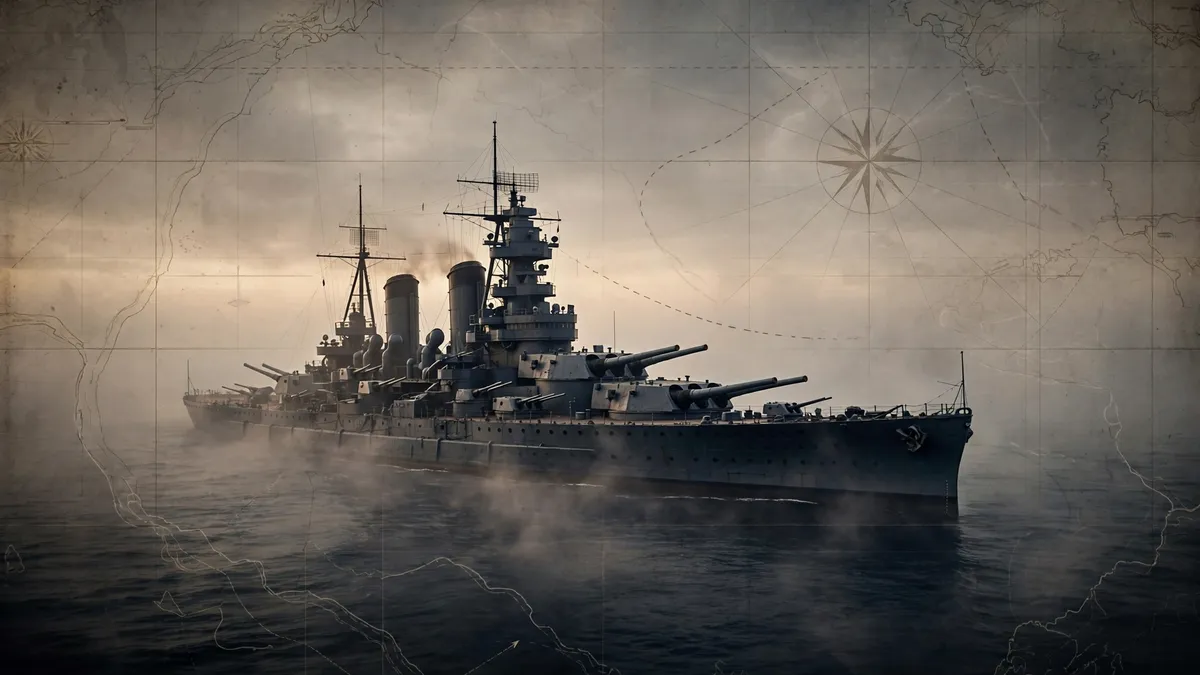
- Hero — Lead: Wide view of the west coast of Saipan on 15 June 1944, landing craft approaching the beach under naval gunfire smoke, Mount Tapochau in the distance, realistic war-documentary style. Alt EN: “American landing craft approaching the beaches of Saipan, 15 June 1944” (74 chars). Alt VI: “Xuồng đổ bộ Mỹ tiến vào bãi biển Saipan, ngày 15 tháng 6 năm 1944”.
- Key Facts: Top-down illustrated map of Saipan showing the landing beaches, Aslito airfield, Garapan, Mount Tapochau and Marpi Point, no invented text beyond place names. Alt EN: “Map of Saipan showing landing beaches, Aslito airfield and Marpi Point” (71 chars). Alt VI: “Bản đồ Saipan với bãi đổ bộ, sân bay Aslito và mũi Marpi”.
- Background: A Boeing B-29 Superfortress in flight over the Pacific in 1944, high altitude, documentary style, no combat. Alt EN: “A B-29 Superfortress bomber in flight over the Pacific, 1944” (61 chars). Alt VI: “Máy bay ném bom B-29 Superfortress bay trên Thái Bình Dương, 1944”.
- Opposing Forces: U.S. Marines in 1944 uniform with M1 rifles and helmets preparing to board landing craft, period equipment, no combat. Alt EN: “U.S. Marines preparing to board landing craft before the Saipan invasion” (75 chars). Alt VI: “Lính thủy đánh bộ Mỹ chuẩn bị lên xuồng đổ bộ trước cuộc xâm lược Saipan”.
- The Battle — landings: Marines wading ashore on Saipan under distant smoke, landing vehicles on the beach, 1944 documentary style. Alt EN: “Marines wading ashore on Saipan during the landings, June 1944” (64 chars). Alt VI: “Lính thủy đánh bộ lội vào bờ Saipan trong cuộc đổ bộ, tháng 6 năm 1944”.
- The Battle — Aslito: American engineers repairing the runway at Aslito airfield, aircraft and vehicles in the background, 1944. Alt EN: “American engineers repairing the runway at Aslito airfield, Saipan” (69 chars). Alt VI: “Kỹ sư Mỹ sửa chữa đường băng tại sân bay Aslito, Saipan”.
- The Battle — Mount Tapochau: Rugged limestone ridges and caves around Mount Tapochau, Saipan, with a distant view of the sea, no people, documentary landscape. Alt EN: “Limestone ridges and caves around Mount Tapochau, Saipan” (58 chars). Alt VI: “Rặng núi đá vôi và hang động quanh núi Tapochau, Saipan”.
- Turning Point: U.S. Navy carrier aircraft in flight over the Philippine Sea, 19 June 1944, sky and ocean, documentary style. Alt EN: “U.S. Navy carrier aircraft over the Philippine Sea, June 1944” (61 chars). Alt VI: “Máy bay tàu sân bay Hải quân Mỹ trên Biển Philippines, tháng 6 năm 1944”.
- Casualties and Losses: The American Memorial Park in Garapan, Saipan, a quiet memorial lawn with flagpole and trees, respectful and still, no graphic content. Alt EN: “American Memorial Park in Garapan, Saipan, a quiet memorial lawn” (67 chars). Alt VI: “Công viên Tưởng niệm Mỹ ở Garapan, Saipan, bãi cỏ tưởng niệm yên tĩnh”.
- Map and Geography: Landscape view of the northern tip of Saipan and the cliffs of Marpi Point from the sea, calm light, no people, respectful. Alt EN: “The cliffs of Marpi Point at the northern tip of Saipan, seen from the sea” (76 chars). Alt VI: “Vách đá mũi Marpi ở mũi phía bắc Saipan, nhìn từ biển”.
- Civilian remembrance (in §7): A simple stone memorial at Marpi Point with flowers, quiet coastal light, no people in distress, no graphic content. Alt EN: “A simple memorial stone at Marpi Point, Saipan, with flowers” (62 chars). Alt VI: “Tảng đá tưởng niệm đơn giản tại mũi Marpi, Saipan, với hoa”.
- Outcome and Legacy: A B-29 bomber on the runway at Isely Field, Saipan, in late 1944, ground crew at a respectful distance, documentary style. Alt EN: “A B-29 bomber on the runway at Isely Field, Saipan, late 1944” (63 chars). Alt VI: “Máy bay B-29 trên đường băng tại Isely Field, Saipan, cuối năm 1944”.
- Commanders: Portrait-style illustration of Lieutenant General Holland M. Smith in 1944 Marine uniform, three-quarter view, plain background, documentary style. Alt EN: “Portrait of Lieutenant General Holland M. Smith, commander on Saipan” (72 chars). Alt VI: “Chân dung Trung tướng Holland M. Smith, chỉ huy tại Saipan”.
Draft: WarAtlas content team, 2026-11-09. Figures verified against the sources listed above; disputed civilian figures are flagged as such in §7. Civilian deaths at Marpi Point are described respectfully and without graphic detail.