 WAR ATLAS MILITARY HISTORY MAGAZINE · WWI — WWII
Comfort women
1. Lead
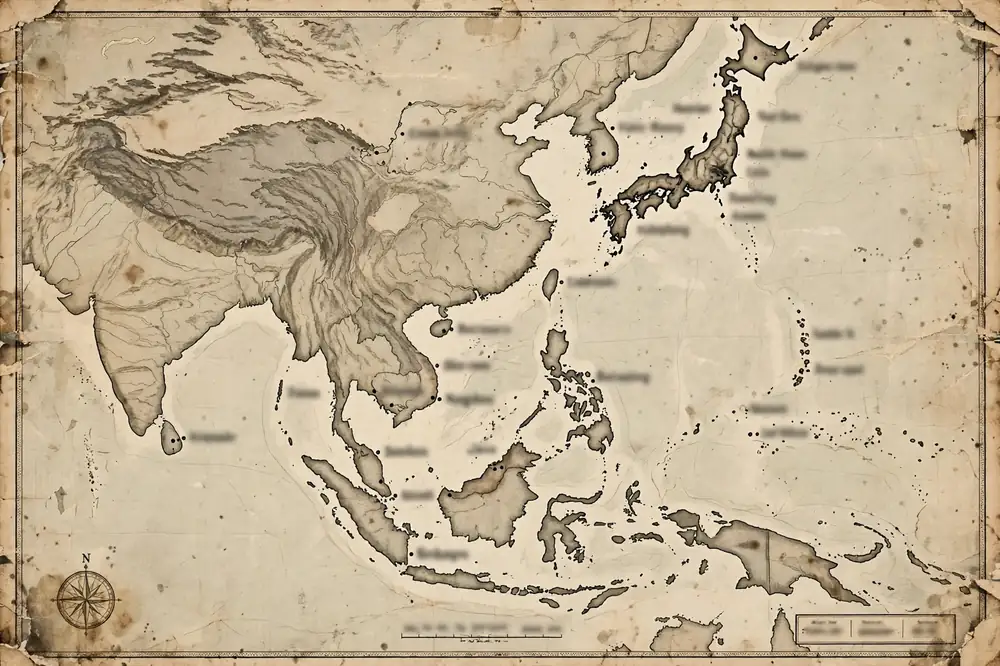
The term “comfort women” — from the Japanese ianfu — refers to the women and girls who were forced into sexual slavery for the Imperial Japanese Army and Navy before and during the Second World War. From the early 1930s until the end of the war in 1945, the Japanese military established and operated a system of military brothels, called “comfort stations”, across the Japanese empire and the territories it occupied — in China, Korea, Taiwan, the Philippines, Indonesia, Malaysia, Burma, New Guinea and elsewhere — and it filled those stations with women who were, in the great majority of cases, recruited by deception, by coercion, or by force.
The number of victims is a matter of intense academic and political debate: estimates range from about 20,000 to about 200,000, with some governments and advocacy groups citing higher figures and some historians citing lower ones, and there is, to this day, no scholarly consensus on an exact number.
What is not in dispute is the nature of the system: it was a system of organised sexual slavery, run by a modern army, in which women were held against their will, subjected to repeated sexual violence, and, in many cases, left with lasting physical and psychological injuries, and in which many died — from disease, from violence, and from the conditions of the war.
This article presents the history of the comfort women system as it is documented in the historical record: in the Japanese military documents that survive, in the testimony of the survivors who came forward from 1991 onwards, in the reports of the Allied war crimes trials, and in the work of historians in Japan, Korea, China and the West.
It does not sensationalise the suffering of the victims, and it does not present disputed figures as established fact: where the numbers are uncertain, it says so, and where the evidence is contested, it presents both sides. The comfort women are, today, a subject of remembrance, of education, and of an unresolved political debate — between Japan and Korea, between Japan and China, and within Japan itself — over apology, over compensation, and over how the history should be taught.
This article examines that history and that debate, and it does so with respect for the women whose testimony made the history known.
2. Key Facts
| What | A system of military sexual slavery operated by the Imperial Japanese Army and Navy |
| When | From the early 1930s (Shanghai, 1932) until the end of the war in August 1945 |
| Where | “Comfort stations” across the Japanese empire and occupied Asia: China, Korea, Taiwan, the Philippines, Indonesia, Malaysia, Burma, New Guinea and elsewhere |
| Victims | Women and girls, the great majority from Korea and China, with others from the Philippines, Indonesia, the Netherlands, Taiwan and elsewhere; estimates of the total range from about 20,000 to about 200,000 (no scholarly consensus) |
| How | Recruitment by deception, coercion and force; confinement in military brothels; repeated sexual violence |
| Testimony | First public testimony by a survivor, Kim Hak-sun of Korea, in August 1991 |
| Official response | Kōno Statement (1993), in which the Japanese government acknowledged the military’s involvement; Asian Women’s Fund (1995–2007); Japan–South Korea agreement (December 2015) |
| Today | Memorials, including the Statue of Peace in Seoul (2011); the history is taught in Korea and China and is contested in Japan |
3. Background
The Origins of the System
The comfort stations system began in Shanghai in 1932, after the Japanese invasion of Manchuria and the fighting in Shanghai, when the Japanese army, concerned about the rape of Chinese civilians by its troops — and about the spread of venereal disease among its soldiers — established the first military brothels, staffed by Japanese and Korean women.
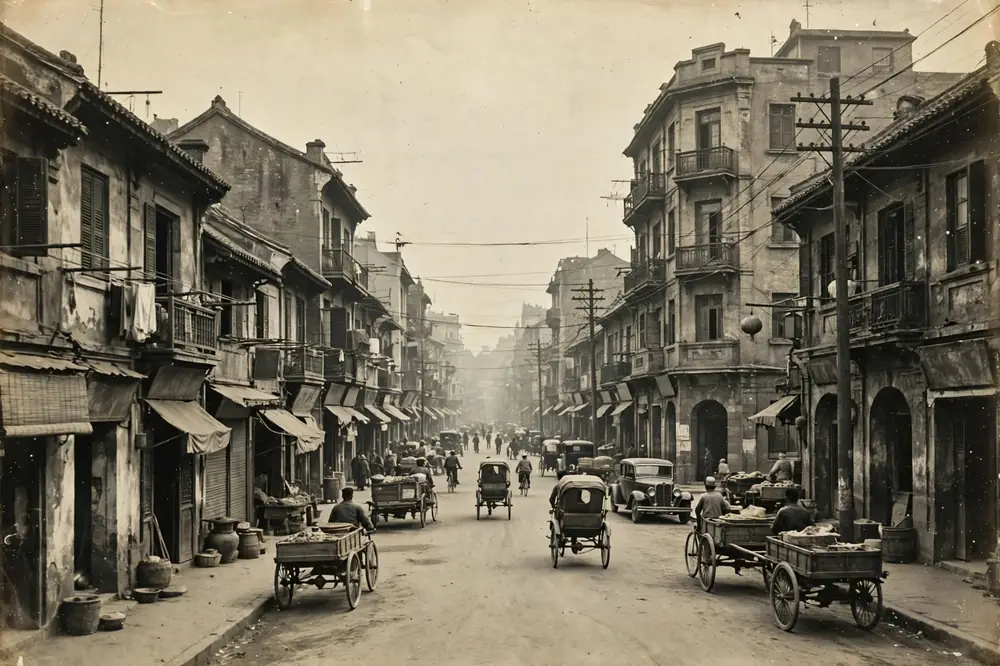
The system was, at first, small and, in the army’s view, a matter of military discipline: it was intended to control the troops, to prevent rape, and to prevent disease. But it grew rapidly, and by the time of the full-scale war with China in 1937, and of the Second Sino-Japanese War, it had become a vast, organised system, run by the army’s logistics and medical departments, with stations in every major garrison and in every theatre of the war.

The army recruited the women through civilian brokers, through the colonial administration in Korea and Taiwan, and, in the occupied territories, through force — and it did so, as the surviving documents show, with the knowledge and the approval of the army’s high command.
The Scale of the System
The scale of the system is difficult to establish, because the Japanese army destroyed many of its records at the end of the war, and because the stations were, for the most part, run by civilian contractors whose records have not survived.
Historians estimate the number of stations at several hundred — some estimates put the figure at more than 400 — and the number of women at, as noted above, between about 20,000 and about 200,000. The lower figure — about 20,000 — is based on the number of women who can be documented in the surviving records, and it is favoured by some Japanese historians; the higher figure — about 200,000 — is based on the number of stations and on the average number of women per station, and it is favoured by the South Korean and Chinese governments and by many advocacy groups.
The most careful scholarly work — including that of the Japanese historian Yoshiaki Yoshimi, who discovered the key military documents in 1992, and of the historian C. Sarah Soh — concludes that the true figure is likely to be in the tens of thousands, but that an exact number cannot be established from the surviving evidence, and that the debate over the figure should not obscure the nature of the system itself.
The Documents
The key documents in the history of the comfort women system are the Japanese military documents discovered by Yoshiaki Yoshimi in the archives of the Japanese Defence Agency in 1992. They include orders from the army’s high command for the establishment of comfort stations, regulations for their operation, and reports on the health of the women — documents that show, beyond doubt, that the system was run by the military, and that the military knew what it was doing.
The documents do not, by themselves, establish the number of victims, and they do not, by themselves, establish the degree of coercion in each case — but they establish the central fact: that the Imperial Japanese Army created, organised and operated a system of military sexual slavery, and that it did so for more than a decade, across the whole of its empire.
The documents were, in 1993, the basis for the Kōno Statement, in which the Japanese government acknowledged the military’s involvement, and they remain, to this day, the most important single source for the history of the system.
4. The Comfort Stations
How the System Worked
The comfort stations were, in form, military brothels, run by civilian contractors under the supervision of the army. The women lived in the stations, in small rooms, and they were, in the words of the survivors, “available” to the soldiers from the morning until the night, with only short breaks for meals and for medical examinations.
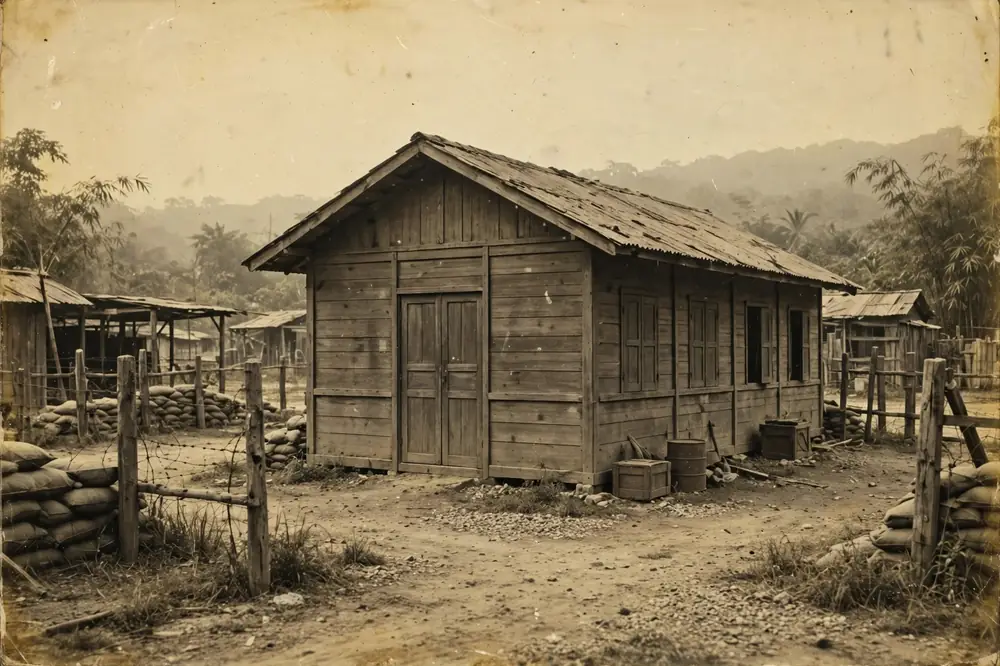
The soldiers paid for the service with tickets, which they bought from the army, and the money went, in theory, to the women — but the survivors’ testimony shows that, in practice, the women received little or nothing, and that they were, in effect, held as slaves.
The stations were, in the words of one survivor, “a prison with a sign on the door”: the women could not leave, they could not refuse a soldier, and they were, if they tried to escape, beaten and, in some cases, killed.
The conditions varied from station to station — some were, by the standards of the system, “better” than others, with regular medical examinations and with food — but the essential fact was the same in all of them: the women were there against their will, and they had no way out.
Recruitment: Deception, Coercion and Force
The women were recruited in different ways, in different places, and the degree of coercion varied — a fact that has been, in the debate over the comfort women, a source of controversy. In Korea and Taiwan, which were Japanese colonies, many women were recruited by civilian brokers who promised them work as nurses, as factory workers, or as waitresses, and who then took them to the comfort stations — a recruitment by deception, in which the women did not know, until they arrived, what work they would be made to do.
In the occupied territories — in China, in the Philippines, in Indonesia — many women were taken by force, by soldiers who raided villages and seized the women, or by the military police, who arrested them on false charges and sent them to the stations.
In the Netherlands East Indies, Dutch women in internment camps were, in some cases, taken to the stations by force — a fact that was established at the Batavia war crimes trial in 1948, in which Japanese officers were convicted for the forced prostitution of Dutch women.
The survivors’ testimony, and the documents, show that, whatever the method of recruitment, the women were, once in the stations, held against their will, and that they were, in the words of the United Nations report of 1996, “victims of military sexual slavery”.
5. The Victims’ Experiences
Daily Life in the Stations
The daily life of the women in the comfort stations was, by all accounts, a life of sustained violence and of deprivation. The survivors describe a routine in which they were forced to receive, in some cases, dozens of soldiers a day, in which they were given little food, in which they were subjected to regular medical examinations — examinations that were, in the words of one survivor, “a humiliation in themselves” — and in which they were, if they became pregnant or if they became ill, subjected to forced abortions or left without treatment.
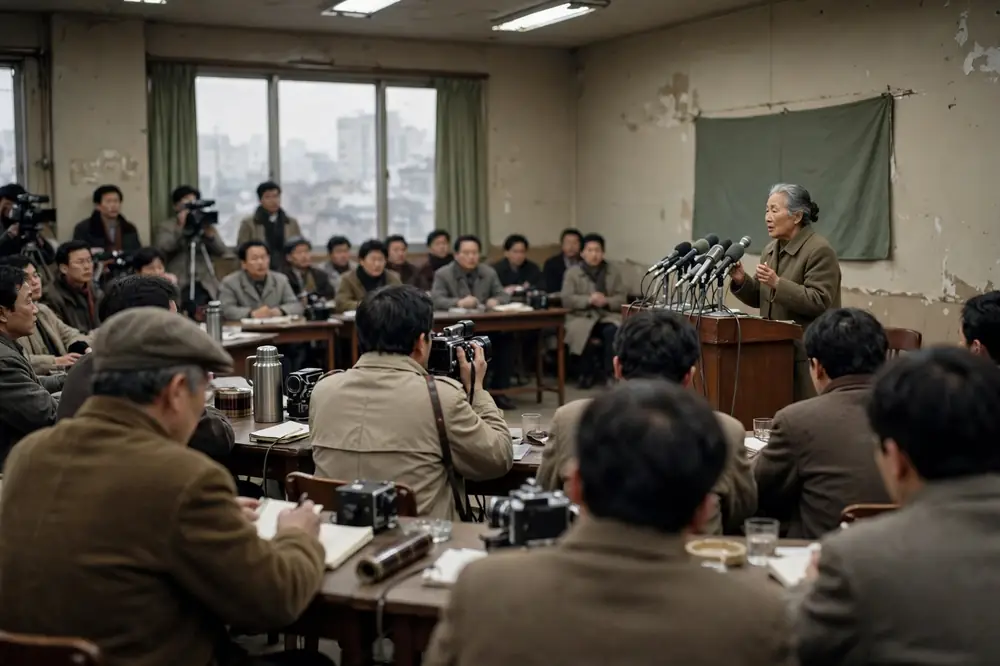
Many of the women contracted venereal diseases, and many were left sterile; many suffered lasting psychological injuries, including, in the words of the survivors, a sense of shame that prevented them, for decades, from speaking about what had happened to them.
The survivors’ testimony is, in many cases, the only source for the daily life of the stations, and it is, for that reason, both invaluable and, for the historian, difficult: it is the testimony of women who were, in many cases, teenagers when they were taken, and who are, in many cases, speaking, fifty years later, about the worst experience of their lives.
Death and Survival
Many of the women did not survive the war. Some died of disease, some died of violence, and some were killed by the Japanese army at the end of the war, in an attempt to destroy the evidence of the system — a fact that is documented in the testimony of survivors and in the reports of the Allied forces who liberated the stations.
Others survived, and they returned, in 1945 and 1946, to Korea, to China, to the Philippines, and to their homes — where they found, in many cases, that they were not welcomed: they were, in the societies to which they returned, regarded with shame, and they were, in many cases, unable to marry, unable to have children, and unable to speak about what had happened to them.
The survivors lived, for decades, in silence, and it was not until 1991, when Kim Hak-sun, a Korean survivor, gave the first public testimony, that the silence was broken, and that the history of the comfort women became, for the first time, a matter of public knowledge.
Kim Hak-sun and the First Testimony
Kim Hak-sun was seventeen when she was taken, in 1941, from Korea to China, where she was held in a comfort station for three years. She survived the war, she returned to Korea, and she lived, for forty-six years, in silence, working as a street vendor and, in her own words, “hiding” what had happened to her.
In August 1991, at the age of sixty-seven, she gave a press conference in Seoul, in which she told, in public, for the first time, what had happened to her — and in doing so, she broke the silence of half a century, and she gave a voice to the thousands of women who had suffered as she had.
Her testimony was, in the words of one historian, “the single most important event in the history of the comfort women”, because it made the history public, because it led other survivors to come forward, and because it forced the Japanese government, for the first time, to confront the evidence.
Kim Hak-sun died in 1997, at the age of seventy-three, and she is remembered, in Korea, as a heroine — a woman who, in her old age, found the courage to speak, and who, in speaking, changed history.
6. The End of the War and the Trials
Liberation and Silence
At the end of the war, in August 1945, the comfort stations were, for the most part, abandoned by the Japanese army, and the women were left to fend for themselves — in China, in Southeast Asia, and in the Pacific, far from their homes, without money, without papers, and, in many cases, without the health to travel.
Some were found by the Allied forces, who liberated the stations and who, in their reports, described what they found — women who were, in the words of one American report, “in a state of physical and mental collapse”. Others made their own way home, over months and years, and they returned to societies that did not want to hear their stories.
The Allied war crimes trials, at Tokyo and at Batavia, addressed the comfort women system only in part: at Batavia, in 1948, Japanese officers were convicted for the forced prostitution of Dutch women, but at Tokyo, the comfort women were not, for the most part, part of the prosecution’s case, and the system was, in the words of one historian, “the great omission of the Tokyo Trial”.
The silence that followed the war was, in the end, a silence of fifty years, and it was broken, in 1991, by Kim Hak-sun.
The Batavia Trial / Phiên tòa Batavia
The Batavia trial of 1948 is, for historians, the most important legal precedent in the history of the comfort women, because it was the only Allied trial in which Japanese officers were convicted specifically for forced prostitution. The trial, held by the Dutch authorities in Batavia (now Jakarta), concerned the comfort stations in the Dutch East Indies, in which Dutch women from internment camps had been taken, by force, to serve as comfort women for Japanese officers.
The court found that the women had been taken against their will, that they had been subjected to sexual violence, and that the officers responsible were guilty of war crimes, and it sentenced them to imprisonment. The trial was, in the words of one historian, “a landmark, and a lonely one”: it established, in law, that forced prostitution was a war crime, but it was not followed, at Tokyo or elsewhere, by a broader prosecution of the comfort women system, and the system as a whole was never, in a court of law, put on trial.
7. Apology and Compensation
The Kōno Statement, 1993
In August 1993, after the discovery of the military documents by Yoshiaki Yoshimi, the Japanese government issued the Kōno Statement — named for the Chief Cabinet Secretary, Yōhei Kōno — in which it acknowledged, for the first time, that the Japanese military had been involved in the establishment and operation of the comfort stations, that the women had been recruited, in many cases, against their will, and that the government offered its “sincere apologies and remorse” to the victims.
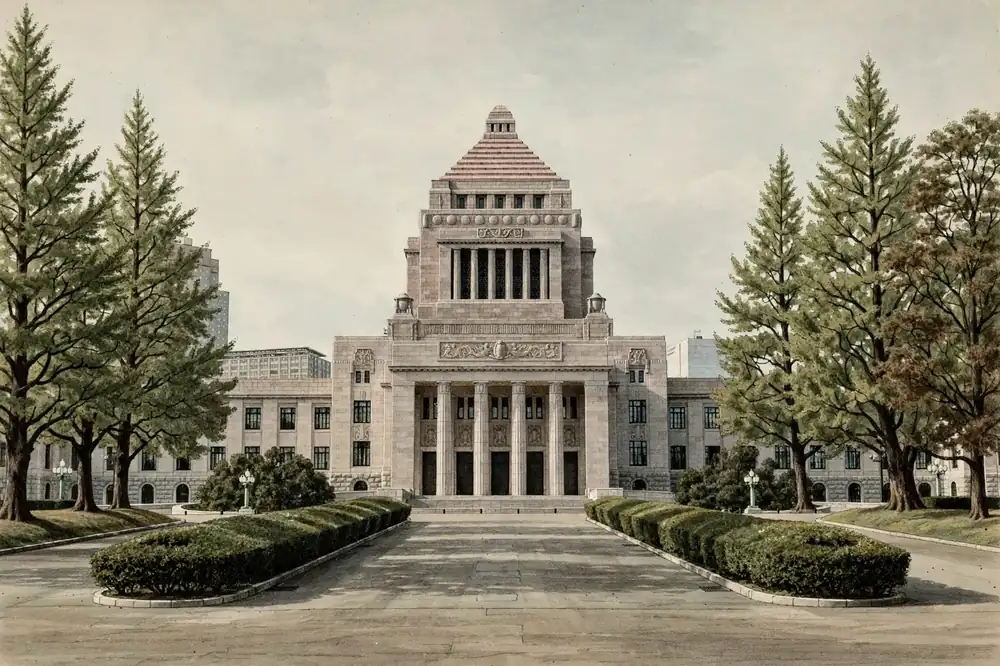
The statement was, at the time, a landmark: it was the first official acknowledgement by the Japanese government of the military’s role, and it was, for the survivors, a recognition that they had waited fifty years to hear. The statement has, since 1993, been reaffirmed by successive Japanese governments, and it remains, to this day, the official position of the Japanese government — though it has, in recent years, been questioned by some Japanese politicians, who have argued that the evidence for coercion is insufficient, and who have called for the statement to be revised.
The Asian Women’s Fund and the 2015 Agreement
In 1995 the Japanese government established the Asian Women’s Fund, a private fund, financed in part by the government and in part by private donations, to provide compensation — described as “atonement money” — to the survivors, together with a letter of apology from the Japanese prime minister.
The fund operated until 2007, and it provided compensation to 285 survivors in Korea, Taiwan, the Philippines and elsewhere — but it was, for many survivors, unsatisfactory: they regarded the fund as a private initiative, not as official compensation, and they refused to accept it, demanding instead a formal apology and compensation from the Japanese state.
In December 2015, the Japanese and South Korean governments reached an agreement — described as “final and irreversible” — under which Japan would provide 1 billion yen (about 8 million US dollars at the time) to a foundation for the survivors, and South Korea would regard the issue as resolved.
The agreement was, in South Korea, deeply controversial: many survivors and their supporters rejected it, arguing that it had been reached without consulting the survivors, and that it did not include a formal, legal apology. In 2018 the South Korean government dissolved the foundation established under the agreement, and the issue remains, to this day, unresolved.
8. Commemoration and Education
The Statue of Peace
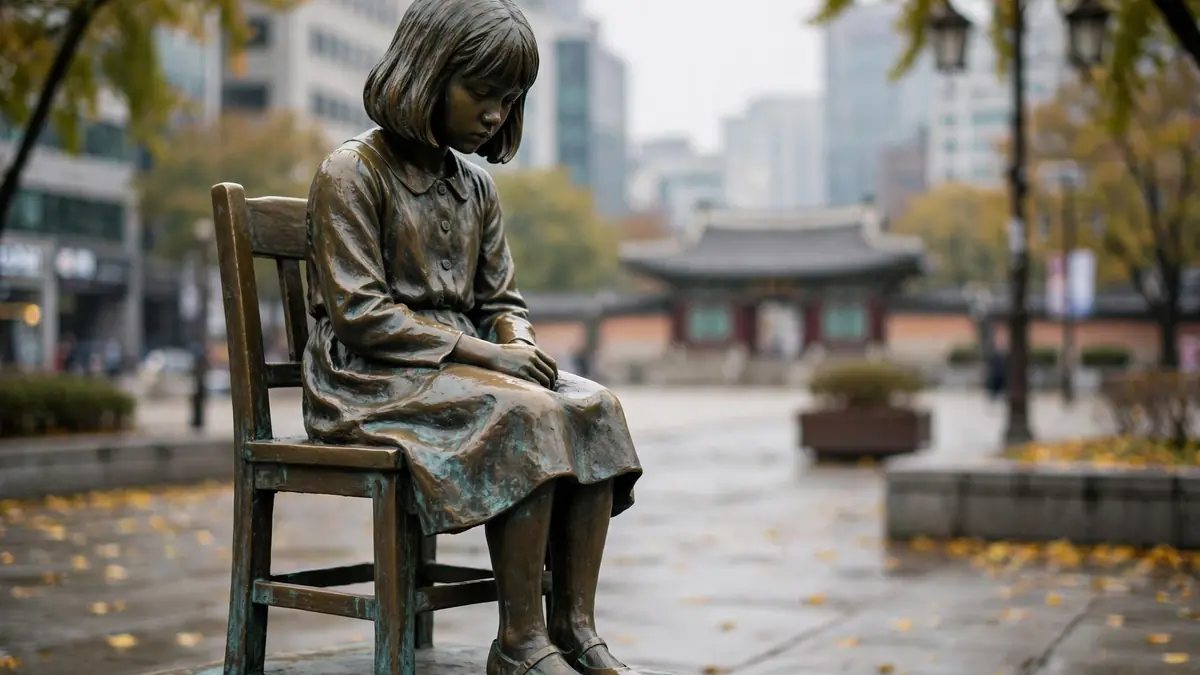
In December 2011, on the thousandth weekly Wednesday demonstration by the survivors and their supporters outside the Japanese embassy in Seoul — a demonstration that had been held every Wednesday since 1992 — a statue was unveiled: the Statue of Peace, a bronze statue of a young girl in traditional Korean dress, sitting on a chair, looking towards the Japanese embassy.
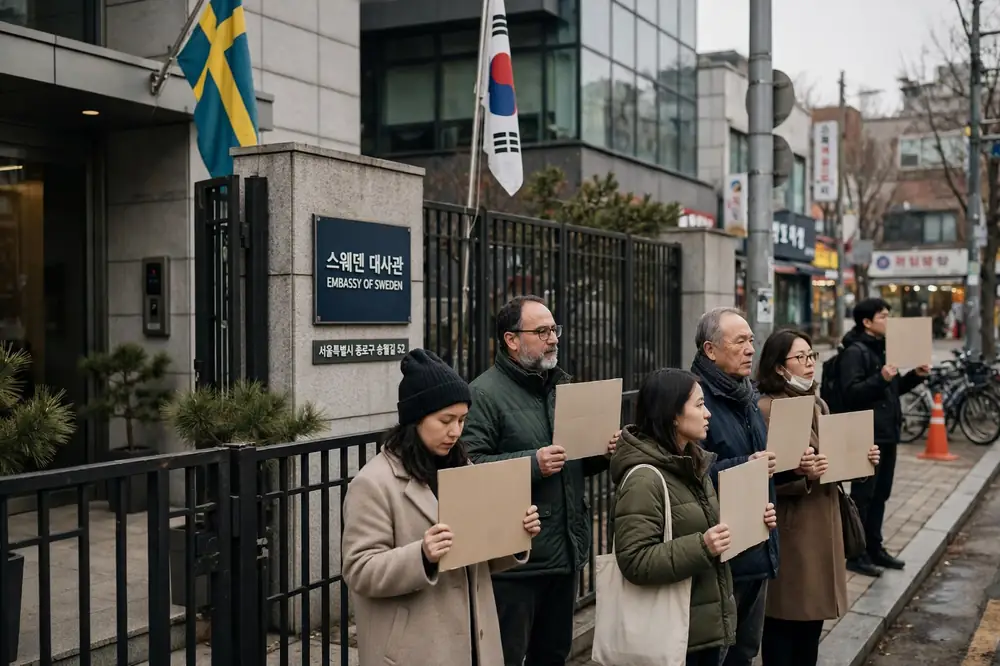
The statue has become the symbol of the comfort women, and it has been replicated in cities around the world — in the United States, in Canada, in Australia, in Germany and elsewhere — where it has become, in each place, a subject of controversy, with the Japanese government protesting its installation and with local communities defending it as a memorial to the victims.
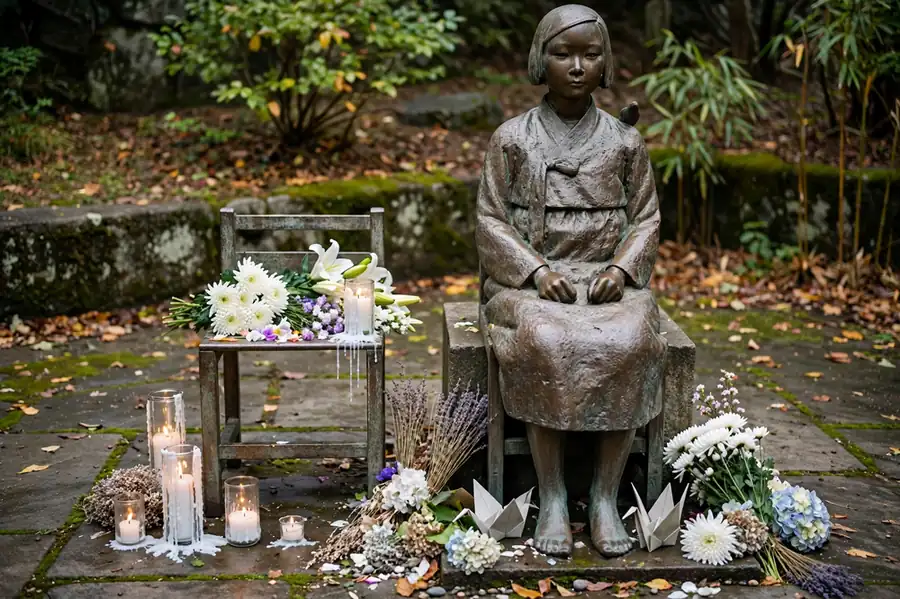
The statue is, in the words of its creators, “a memorial to the victims, and a call for peace” — and it is, for the survivors, a recognition that their suffering will not be forgotten. The Wednesday demonstrations continue, to this day, every week, in Seoul, and they are, in the words of one participant, “the longest-running protest in the world”.
Teaching the History
The history of the comfort women is taught, today, in very different ways in different countries. In South Korea and in China, it is taught as a central part of the history of the war, and the survivors’ testimony is, in the words of one Korean textbook, “a part of our national memory”.
In Japan, it is taught, in some textbooks, as a matter of controversy, and in others, it is not taught at all — a fact that has been, in Japan and in Korea, a source of intense debate. The Japanese government has, in recent years, sought to remove references to the comfort women from textbooks, and it has, in the words of one historian, “sought to control the narrative” — while Korean and Chinese historians have argued that the history should be taught, in full, and that the survivors’ testimony should be preserved.
The debate over the teaching of the history is, in the end, a debate over memory: over what a nation remembers, and what it forgets, and over who has the right to tell the story of the victims.
9. The Debate Today
Numbers and Coercion
The debate over the comfort women today centres on two questions: how many victims there were, and how much coercion was involved. On the numbers, as noted above, the estimates range from about 20,000 to about 200,000, and there is no scholarly consensus.
On the question of coercion, the debate is, in the words of one historian, “a debate over the meaning of the evidence”: the Japanese government, in the Kōno Statement, acknowledged that the women were recruited, in many cases, against their will, but some Japanese historians and politicians have argued that many of the women were, in fact, prostitutes who had volunteered, and that the system was, in essence, a system of licensed prostitution, not of slavery.
The survivors’ testimony, and the documents, contradict that argument: the testimony shows that the women were, in the great majority of cases, recruited by deception or by force, and that they were held against their will, and the documents show that the military ran the system.
The debate continues, but the consensus of historians outside Japan — and of the United Nations, in its reports of 1996 and 1998 — is that the comfort women system was a system of military sexual slavery, and that the women were its victims.
Apology, Compensation and Memory
The debate over apology and compensation is, in the end, a debate over what justice requires. The survivors, and their supporters, have demanded a formal, legal apology from the Japanese state, and compensation from the Japanese state, and they have argued that the Kōno Statement, the Asian Women’s Fund, and the 2015 agreement are, in the words of one survivor, “not enough”.
The Japanese government has argued that it has apologised, that it has provided compensation, and that the issue should be regarded as resolved. The debate is, in the end, not only about the past, but about the present: about the relationship between Japan and Korea, about the teaching of history, and about the rights of the victims — most of whom are now dead, and whose testimony, in the words of one historian, “is all that remains”.
The comfort women are, today, a subject of remembrance, of education, and of an unresolved political debate — and the debate, like the history itself, is unlikely to be resolved soon.
10. Legacy
The Survivors Who Broke the Silence
The legacy of the comfort women is, above all, the legacy of the survivors who broke the silence — Kim Hak-sun and the hundreds of women who followed her, who told their stories, in public, at great personal cost, and who, in doing so, made the history known.
Their testimony has changed the way the Second World War is understood: it has shown that the war was not only a war of battles and of generals, but a war in which women were, in large numbers, the victims of organised sexual violence, and in which a modern army ran a system of sexual slavery.
Their testimony has also changed international law: the United Nations reports of 1996 and 1998, which described the comfort women system as military sexual slavery, were among the first international documents to recognise sexual slavery as a war crime, and they have influenced the prosecution of sexual violence in the wars of the former Yugoslavia and of Rwanda.
The survivors are, today, almost all dead — only a handful of the 240 registered Korean survivors remained alive in the mid-2020s, and the last Chinese survivors are, in their nineties, dying — and their testimony, in the words of one historian, “is all that remains”. The task of history, and of remembrance, is to preserve it, and to ensure that it is not forgotten.
Unfinished Justice
The legacy is also, in the end, a legacy of unfinished justice. The comfort women have received apologies, and they have received compensation, but they have not, in the words of the survivors, received justice — a formal, legal apology, and compensation from the state that enslaved them.
The debate over apology and compensation continues, and it is, in the words of one historian, “a debate that will outlive the survivors, and that will, in the end, be a debate over what Japan remembers, and what it forgets”.
The comfort women are, today, remembered in memorials, in museums, and in the Wednesday demonstrations in Seoul, and they are, in the words of the Statue of Peace, “a call for peace” — a call that, fifty years after the war, and eighty years after the system began, remains unanswered.
Frequently Asked Questions
Who were the comfort women?
The comfort women were the women and girls forced into sexual slavery for the Imperial Japanese Army and Navy before and during the Second World War, held in military brothels called “comfort stations” across occupied Asia from the early 1930s until 1945.
How many comfort women were there?
Estimates range from about 20,000 to about 200,000, and there is no scholarly consensus on an exact number. The lower figure is based on the surviving records; the higher figure is based on the number of stations and the average number of women per station. Most careful scholarship puts the true figure in the tens of thousands.
Where did the comfort women come from?
The great majority came from Korea and China, with others from Taiwan, the Philippines, Indonesia, Malaysia, Burma and the Netherlands East Indies. Korean women formed the largest group, because Korea was a Japanese colony and its administration was used to recruit them.
What was the Kōno Statement?
The Kōno Statement, issued in August 1993, was the Japanese government’s first official acknowledgement that the military had been involved in the comfort stations, and its offer of “sincere apologies and remorse” to the victims. It remains the official position of the Japanese government.
Who was Kim Hak-sun?
Kim Hak-sun was a Korean survivor who, in August 1991, gave the first public testimony by a comfort woman. She was seventeen when she was taken to China in 1941, and she lived in silence for forty-six years before speaking. She died in 1997.
What is the Statue of Peace?
The Statue of Peace, unveiled in Seoul in December 2011, is a bronze statue of a young girl in traditional Korean dress, sitting on a chair and looking towards the Japanese embassy. It has become the symbol of the comfort women and has been replicated in cities around the world.
Related articles
Sources
- Wikipedia, “Comfort women” — the system, victim estimates of 20,000 to 200,000, testimonies and the political debate.
- Yoshiaki Yoshimi, Comfort Women: Sexual Slavery in the Japanese Military During World War II (Columbia University Press, 2000) — the standard scholarly history, based on the military documents discovered in 1992.
- C. Sarah Soh, The Comfort Women: Sexual Violence and Postcolonial Memory in Korea and Japan (University of Chicago Press, 2008) — the recruitment, the stations and the post-war debate.
- United Nations, Report of the Special Rapporteur on violence against women, Radhika Coomaraswamy (1996) — the comfort women system as military sexual slavery.
- United States Holocaust Memorial Museum, Holocaust Encyclopedia, “Comfort Women” — the system and its victims.
- Kim Hak-sun, testimony (August 1991) — the first public testimony by a survivor.
- The Kōno Statement (4 August 1993) — the Japanese government’s acknowledgement of the military’s involvement.