 WAR ATLAS MILITARY HISTORY MAGAZINE · WWI — WWII
Auschwitz-Birkenau Museum
1. Lead
The Auschwitz-Birkenau State Museum stands on the site of the largest Nazi German concentration and extermination camp, in the town of Oświęcim in southern Poland, about 60 kilometres west of Kraków. Between 1940 and 1945, about 1.1 million people were murdered at Auschwitz — the great majority of them Jews, deported from across Europe, and, in smaller numbers, Poles, Roma and Sinti, Soviet prisoners of war, and others whom the Nazis regarded as enemies.
Auschwitz was, at once, a concentration camp, a forced labour camp, and an extermination camp, and it was, in the words of the historian Timothy Snyder, “the centre of the Holocaust” — the place where the murder of the Jews of Europe was carried out on an industrial scale, in gas chambers, in crematoria, and in a system of forced labour that killed through hunger, disease and exhaustion.
The camp was liberated by the Red Army on 27 January 1945, and in 1947 the Polish parliament established the museum on the site, to preserve the camp and to remember its victims. In 1979 UNESCO inscribed Auschwitz-Birkenau on the World Heritage List, as a place of “outstanding universal value” — a place that, in UNESCO’s words, is “a symbol of the cruelty of the Nazi regime, and a warning to humanity”.
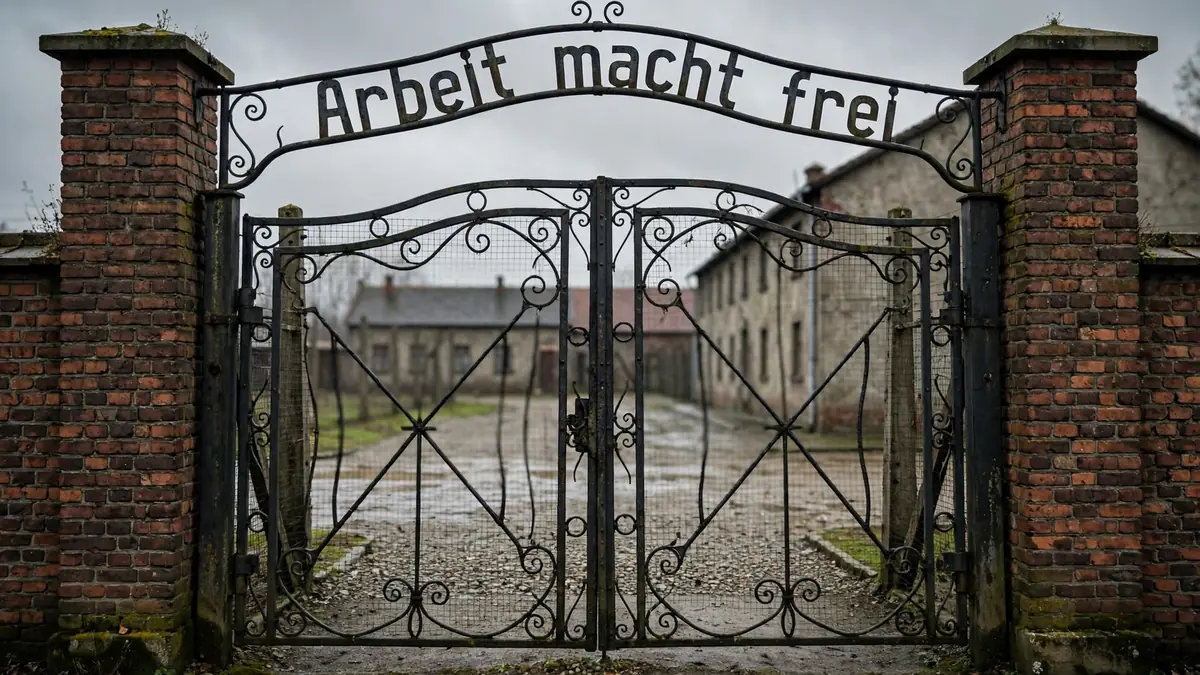
This article describes the museum and the history it preserves. It tells the story of the camp — its founding in 1940, its expansion into Birkenau in 1941–1942, the murder of about 1.1 million people, the resistance of the prisoners, and the liberation in 1945 — and it describes what visitors see today: the barracks of Auschwitz I, with the gate bearing the words Arbeit macht frei, the ruins of the gas chambers and crematoria at Birkenau, and the exhibitions that preserve the belongings of the victims — the shoes, the suitcases, the spectacles, and the hair — as evidence of the crime.
It does not sensationalise the suffering of the victims, and it does not present disputed figures as established fact: where the numbers are uncertain, it says so, and where the evidence is contested, it presents the range. Auschwitz is, today, the most visited Holocaust memorial in the world, with more than two million visitors a year, and it is, in the words of one survivor, “a place where the dead speak, and where the living must listen”.
2. Key Facts
| What | The former Nazi German concentration and extermination camp; since 1947, the Auschwitz-Birkenau State Museum |
| Where | Oświęcim, southern Poland, about 60 km west of Kraków |
| When | Camp operated 1940–1945; liberated 27 January 1945; museum founded 1947; UNESCO World Heritage 1979 |
| Victims | About 1.1 million people murdered, the great majority Jews (about 960,000), with Poles (about 70,000–75,000), Roma and Sinti (about 21,000), Soviet prisoners of war (about 15,000) and others |
| How | Gas chambers using Zyklon B; shootings; starvation, disease and forced labour; medical experiments |
| Commandants | Rudolf Höss (1940–1943), Arthur Liebehenschel (1943–1944), Richard Baer (1944–1945) |
| Liberation | 27 January 1945, by the Red Army; about 7,000 prisoners found alive |
| Today | Museum and memorial; more than 2 million visitors a year; the International Auschwitz Committee and the Auschwitz-Birkenau Foundation preserve the site |
3. Background and Founding
Auschwitz I: A Concentration Camp
Auschwitz was founded in the spring of 1940, in the former Polish army barracks at Oświęcim, a town in the part of Poland that had been annexed by Germany in 1939. It was, at first, a concentration camp for Polish political prisoners — for members of the Polish resistance, for Polish intellectuals, and for others whom the Nazis regarded as enemies — and it was, in the words of one historian, “a camp like any other” in the Nazi system: a place of forced labour, of starvation, and of murder, but not, at first, a place of mass extermination.
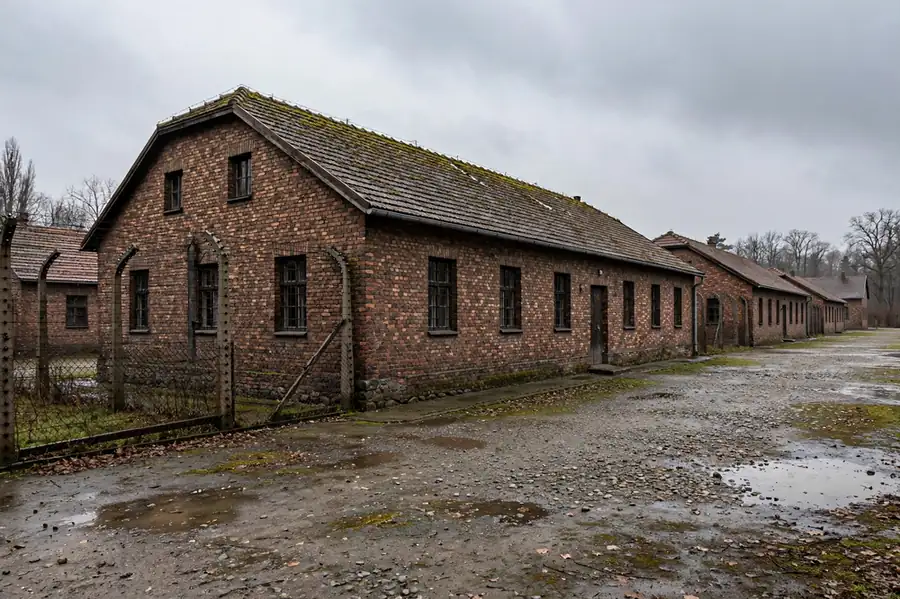
The first prisoners arrived in June 1940, and by the end of the year the camp held several thousand Poles, in conditions of extreme brutality: the prisoners were beaten, they were starved, and they were worked to death in the camp’s workshops and in the construction of the camp itself.
The camp’s first commandant was Rudolf Höss, a former SS officer who had served at Dachau and at Sachsenhausen, and who would, in the years that followed, turn Auschwitz into the largest killing centre in history.
Birkenau: The Extermination Camp
In 1941, after the German invasion of the Soviet Union, the camp was expanded: a second, much larger camp — Auschwitz II, or Birkenau — was built at the village of Brzezinka, about three kilometres from Auschwitz I, and it was, from the beginning, designed for a different purpose.
Birkenau was, at first, a camp for Soviet prisoners of war, of whom some 10,000 died in the winter of 1941–1942, from starvation and from disease, and it was, from 1942, the centre of the extermination of the Jews of Europe.
The decision to murder the Jews — the “Final Solution”, decided at the Wannsee Conference in January 1942 — was carried out, in large part, at Birkenau, where four large gas chambers and crematoria were built in 1942–1943, and where, in the words of one historian, “the murder of the Jews became an industrial process”.
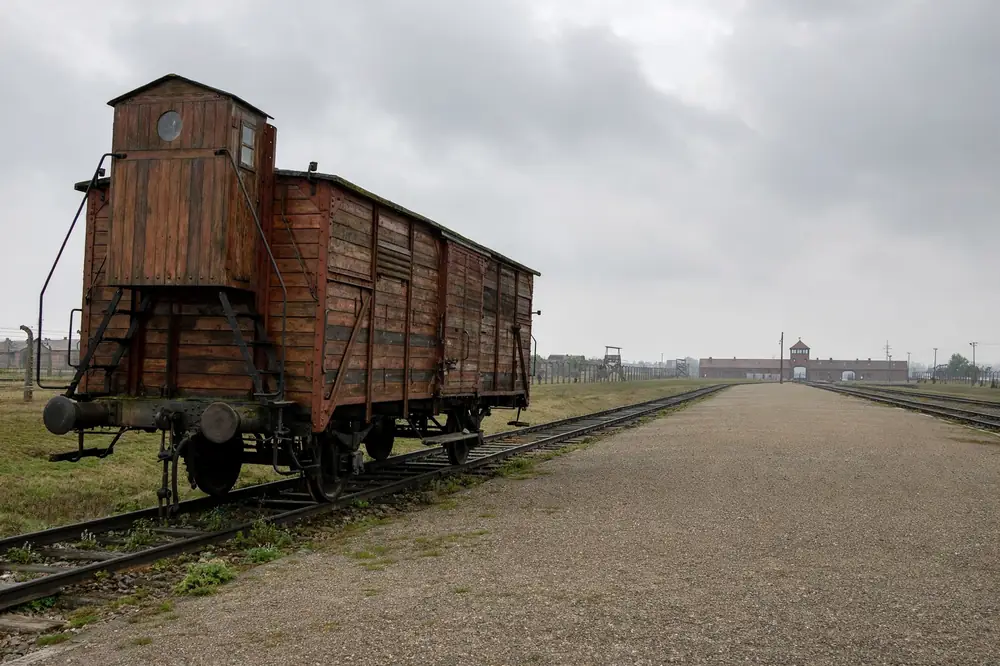
The trains arrived, day and night, from across Europe — from France, from the Netherlands, from Belgium, from Italy, from Greece, from Hungary, from Slovakia, and from Poland itself — and the deportees were, on arrival, subjected to a “selection”: those who were fit for work were sent to the camp, and those who were not — the old, the young, the sick, and the mothers with small children — were sent, within hours, to the gas chambers.
4. The Murder of About 1.1 Million People
The Numbers
The number of people murdered at Auschwitz is, today, established by the research of the Auschwitz-Birkenau State Museum, on the basis of the deportation records, the camp’s own records, and the testimony of the survivors and of the perpetrators. The museum’s figure — about 1.1 million — is the figure accepted by the great majority of historians, and it is, in the words of the museum, “a minimum figure, based on the documents that survive”.
The victims were, in the great majority, Jews — about 960,000, by the museum’s estimate — and, in smaller numbers, Poles (about 70,000 to 75,000), Roma and Sinti (about 21,000), Soviet prisoners of war (about 15,000), and others, including Jehovah’s Witnesses, homosexuals, and political prisoners from across Europe.
The figure of 1.1 million is, it should be noted, far lower than the figure that was, for many years, inscribed on the memorial at the camp — 4 million, a figure based on the Soviet estimate of 1945 — and far lower than the figure given by the camp’s first commandant, Rudolf Höss, at his trial, when he claimed that 2.5 million people had been murdered at Auschwitz.
Both of the higher figures have been shown, by the research of the museum, to be wrong: the Soviet figure was, in the words of one historian, “a political figure, not a historical one”, and Höss’s figure was, in the words of another, “an exaggeration, made under interrogation”.
The figure of about 1.1 million is, in the words of the museum, “the figure that the documents support” — and it is, by any measure, a figure that defies comprehension.
The Killing Process
The murder at Auschwitz was, in the words of one historian, “a process, not an event”. The deportees arrived by train, in cattle cars, after journeys that lasted, in some cases, for days, without food, without water, and without sanitation.
On arrival at Birkenau, they were, as noted above, subjected to a selection by SS doctors, including, most notoriously, Josef Mengele, who conducted medical experiments on the prisoners, above all on twins and on children. Those selected for death were told that they were being taken for disinfection and for showers, and they were led to the gas chambers, where they were killed with Zyklon B — a pesticide, in the form of pellets, that released hydrogen cyanide gas — and where their bodies were then burned in the crematoria, or, when the crematoria could not cope, in open pits.
Those selected for work were sent to the camp, where they were, in the words of one survivor, “worked to death”: they were given starvation rations, they were beaten, they were exposed to disease, and they were, in the end, killed by the conditions of the camp, or, when they could no longer work, sent to the gas chambers.
The process was, in the words of the historian Raul Hilberg, “a bureaucracy of murder” — a system in which the killing was organised, documented, and carried out, day after day, for three years, by ordinary men, in uniform, who regarded it as their duty.
The Gas Chambers and Crematoria
The gas chambers and crematoria at Birkenau were, in the words of one historian, “the heart of the camp”. Four large gas chamber and crematorium complexes — Crematoria II, III, IV and V — were built in 1942–1943, each capable, in the words of the camp’s own records, of killing and burning thousands of people a day.
The largest, Crematoria II and III, each had an underground undressing room and a gas chamber that could hold about 2,000 people, and a crematorium with five ovens, each with three muffles, capable of burning, in the words of the SS, “about 1,400 bodies a day”.
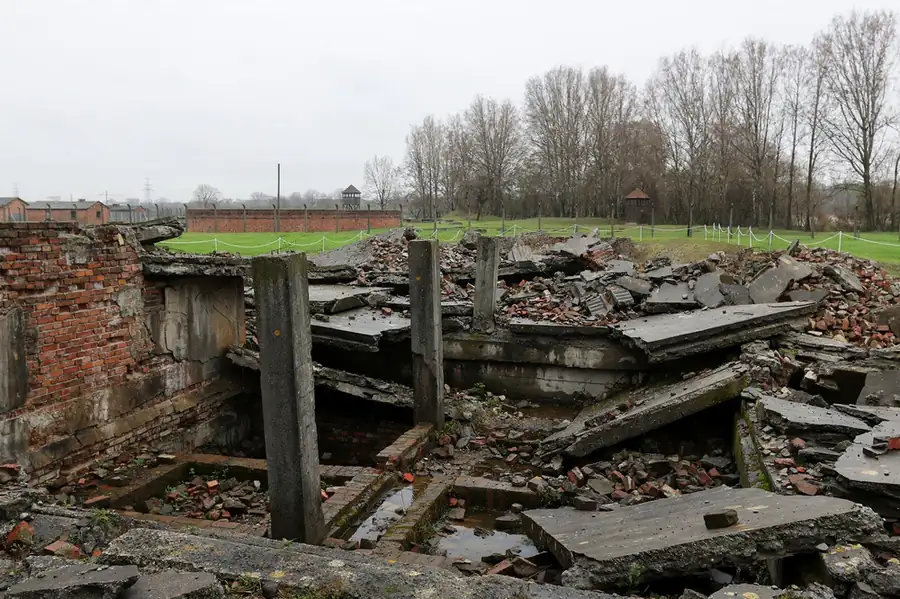
The complexes were, in November 1944, blown up by the SS, in an attempt to destroy the evidence, and they stand today as ruins — as the museum puts it, “a testimony in stone to the crime”. The gas chamber at Auschwitz I — a smaller chamber, in the basement of Block 11 — was used in 1941 and 1942, for the first gassings, and it stands today, reconstructed, as part of the museum’s exhibition.
The ruins and the reconstruction are, for the visitor, the most difficult part of the museum to see, and the most important: they are the place where the murder happened, and they are, in the words of one survivor, “the place where the world should come, and see, and remember”.
5. Daily Life and Resistance
Life in the Camp
For the prisoners who were selected for work, daily life at Auschwitz was, in the words of one survivor, “a life of hunger, of cold, of disease, and of fear”. The prisoners were woken before dawn, they were counted at roll call — in all weathers, for hours at a time — and they were marched to work, in the camp’s workshops, in the construction of the camp, and in the factories of the surrounding area, including the IG Farben factory at Monowitz, where they made synthetic rubber and fuel for the German war effort.
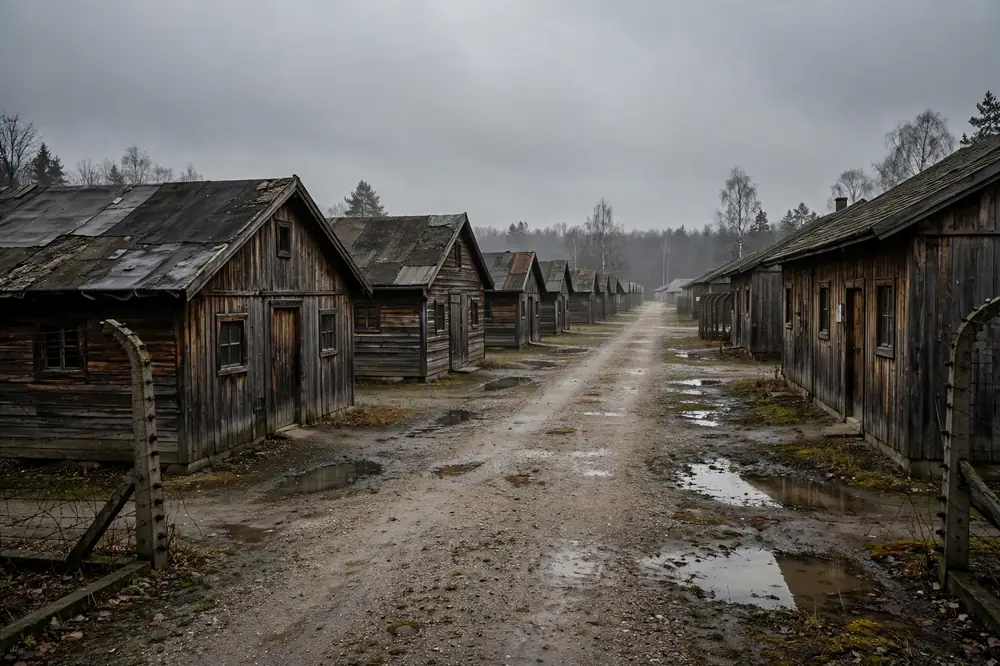
The food was, in the words of one survivor, “water with a few pieces of turnip, and a piece of bread that was, in reality, sawdust” — a ration of, by the museum’s estimate, about 1,300 calories a day, against a requirement of more than 3,000 for a man doing heavy labour.
The prisoners died, in large numbers, of starvation, of typhus, of dysentery, and of exhaustion, and they were, in the words of another survivor, “the living dead” — men and women who had, in the words of Primo Levi, “lost everything, including their names”, and who were known, in the camp, only by the numbers tattooed on their arms.
Resistance in the Camp
Despite the conditions, there was resistance at Auschwitz — resistance that is, in the words of one historian, “one of the most remarkable stories of the war”. The prisoners organised an underground movement, led by the Polish officer Witold Pilecki, who had, in 1940, deliberately allowed himself to be arrested and sent to Auschwitz, in order to organise resistance and to report on the camp to the outside world.
Pilecki’s reports — smuggled out of the camp, and sent to London — were among the first accounts of the murder at Auschwitz to reach the Allies, and they were, in the words of one historian, “ignored, for too long”.
In October 1944, the Sonderkommando — the prisoners who were forced to work in the gas chambers and crematoria — rose in revolt, blowing up Crematorium IV and killing several SS men, before being themselves killed. The revolt failed, but it is, in the words of the museum, “a testament to the human spirit, in the most inhuman of places”.
Other prisoners escaped — among them, in April 1944, Rudolf Vrba and Alfred Wetzler, two Slovak Jews, whose report — the Vrba–Wetzler report — gave the Allies, for the first time, a detailed account of the murder at Auschwitz, and led, in part, to the halting of the deportation of the Jews of Hungary.
6. Liberation, 27 January 1945
The Death Marches
In January 1945, as the Red Army approached, the SS evacuated Auschwitz, marching some 60,000 prisoners westwards, in the winter, in what became known as the death marches — marches in which, by the museum’s estimate, some 15,000 prisoners died, of cold, of hunger, and of exhaustion, and in which those who could not walk were shot.
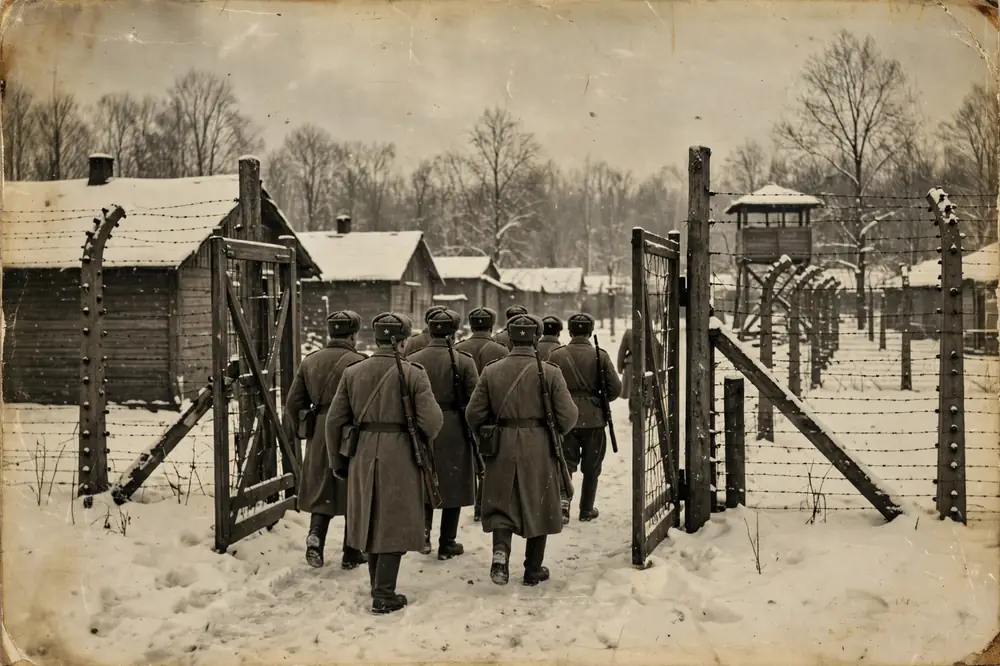
The SS left behind about 7,000 prisoners — the sick, the old, and the children, including, among them, the twins on whom Mengele had experimented — and they blew up the gas chambers and crematoria at Birkenau, in an attempt to destroy the evidence, and they burned the camp’s records.
On 27 January 1945, soldiers of the Red Army’s 60th Army, under General Pavel Kurochkin, entered Auschwitz, and they found, in the words of one Soviet officer, “a place of horror, beyond description”: the barracks, the bodies, the piles of belongings — the shoes, the suitcases, the spectacles — and the survivors, who were, in the words of another officer, “living skeletons”.
The date — 27 January — is now, by the decision of the United Nations, International Holocaust Remembrance Day, observed every year, around the world.
The Liberators’ Testimony
The testimony of the liberators is, for historians, one of the most important sources for the history of Auschwitz, because it was the first account, by outsiders, of what the camp had been. The Soviet soldiers, and the Soviet cameramen who filmed the liberation, recorded what they found: the barracks, the gas chambers, the crematoria, and the belongings of the victims — and their films and photographs were, in the months that followed, shown around the world, as evidence of the crime.
The liberators also, in the words of one historian, “saved the survivors”: they gave them food, they gave them medical care, and they, in the words of one survivor, “gave us back our humanity”. The liberation of Auschwitz was not, in itself, the end of the suffering: many of the survivors died in the weeks that followed, of disease and of malnutrition, and many more lived, for the rest of their lives, with the physical and psychological injuries of the camp.
But the liberation was, in the words of the museum, “the beginning of the memory” — the moment when the world first learned, in full, what had happened at Auschwitz, and when the task of remembering began.
7. The Museum Since 1947
Founding and Preservation
In July 1947, the Polish parliament established the Auschwitz-Birkenau State Museum on the site of the camp, with the aim, in the words of the law, “to preserve for all time the former Nazi concentration camp, and to remember its victims”.
The museum’s first director was, in the words of one historian, “a survivor, and a witness”, and the museum’s first task was to preserve the camp: the barracks, the fences, the watchtowers, and the ruins of the gas chambers, which were, in the years after the war, in danger of decay.
The museum’s work has, since 1947, been a work of conservation: of preserving the buildings, of cataloguing the belongings of the victims, and of maintaining the site as it was — a task that is, in the words of the museum, “a race against time”, because the barracks are made of wood and brick, and they are, in the Polish climate, decaying.
In 2009, the Auschwitz-Birkenau Foundation was established, with the support of governments around the world, to fund the preservation of the site, and it has, to date, raised more than 100 million euros for the work.
The Exhibitions
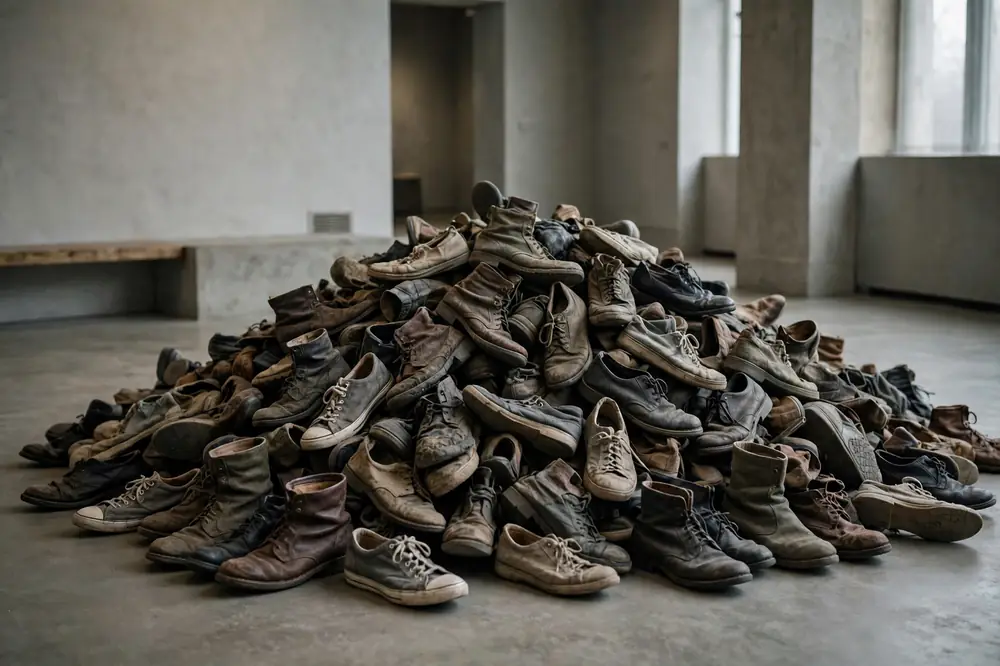
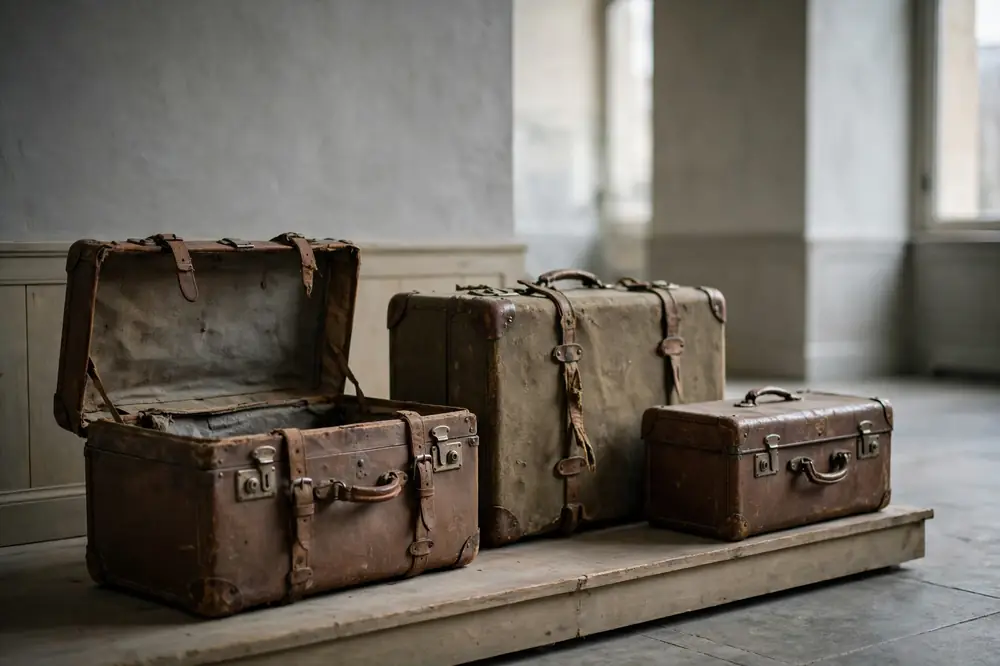
The museum’s exhibitions are, in the words of one visitor, “the most difficult, and the most important, exhibitions in the world”. In the barracks of Auschwitz I, the museum displays the belongings of the victims — the shoes, the suitcases, the spectacles, the prosthetic limbs, and the hair, cut from the heads of the women on arrival, and kept, by the SS, for use in the German textile industry — as evidence of the crime, and as a reminder that the victims were, in the words of the museum, “individuals, with names, with families, and with lives”.
The exhibitions also include the photographs of the prisoners, taken on arrival, and the documents of the camp — the registers, the orders, and the reports — which show, in the words of one historian, “the bureaucracy of murder”. In Birkenau, the museum has preserved the ruins of the gas chambers and crematoria, the barracks, and the railway ramp, where the selections took place, and it has, in recent years, opened new exhibitions, including the exhibition on the Roma and Sinti, and the exhibition on the Polish prisoners.
The museum’s exhibitions are, in the words of the museum, “not a place of entertainment, but a place of education” — and they are, for the visitor, an experience that is, in the words of one survivor, “impossible to forget”.
8. Visiting Information
How to Visit
The Auschwitz-Birkenau Museum is open to the public every day, and it is visited by more than two million people a year, from all over the world. Admission to the grounds is free, but visitors are, in the words of the museum, “strongly encouraged” to join a guided tour, which is the only way to see the exhibitions in full, and which is available in Polish, English, and many other languages.
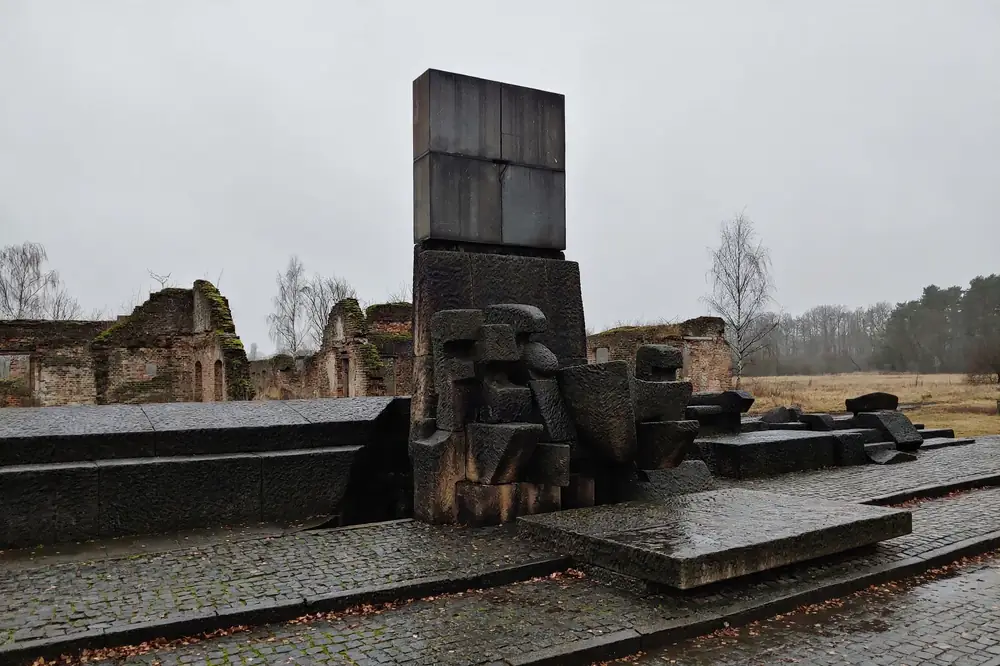
The museum is, in the words of its own guide, “a place of remembrance, not a tourist attraction”, and visitors are asked to behave with respect: to speak quietly, to dress appropriately, and to remember that the ground covers the ashes of the victims.
The museum is reached by bus or by train from Kraków, about an hour and a half away, and visitors should allow at least three and a half hours for the visit — for Auschwitz I and for Birkenau, which are three kilometres apart, and which are connected by a shuttle bus.
Children under the age of fourteen are, in the museum’s guidance, not recommended to visit, because of the nature of the exhibitions, and the museum asks parents to consider, carefully, whether their children are ready to see what the museum shows.
What Visitors See
Visitors to Auschwitz I begin at the gate, with the words Arbeit macht frei — “Work sets you free” — in wrought iron above it, and they walk through the barracks, where the exhibitions are housed, and where they see the belongings of the victims, the photographs of the prisoners, and the reconstructed gas chamber and crematorium.
At Birkenau, visitors walk along the railway ramp, where the selections took place, past the barracks — the wooden stables, in which hundreds of prisoners were housed, in conditions of extreme overcrowding — and to the ruins of the gas chambers and crematoria, which stand, in the words of the museum, “as a testimony in stone”.
The visit ends, for many visitors, at the International Monument to the Victims, at Birkenau, where plaques in many languages bear the words: “For ever let this place be a cry of despair and a warning to humanity, where the Nazis murdered about one and a half million men, women and children, mainly Jews, from various countries of Europe” — a text that, it should be noted, bears the old figure of 1.5 million, which the museum has, since 1990, corrected to about 1.1 million in its own research, but which remains on the monument as a historical document.
9. Commemoration and Education
International Holocaust Remembrance Day
On 27 January every year — the anniversary of the liberation of Auschwitz — the world observes International Holocaust Remembrance Day, established by the United Nations in 2005, and the ceremony at Auschwitz is, in the words of one participant, “the most important ceremony of remembrance in the world”.
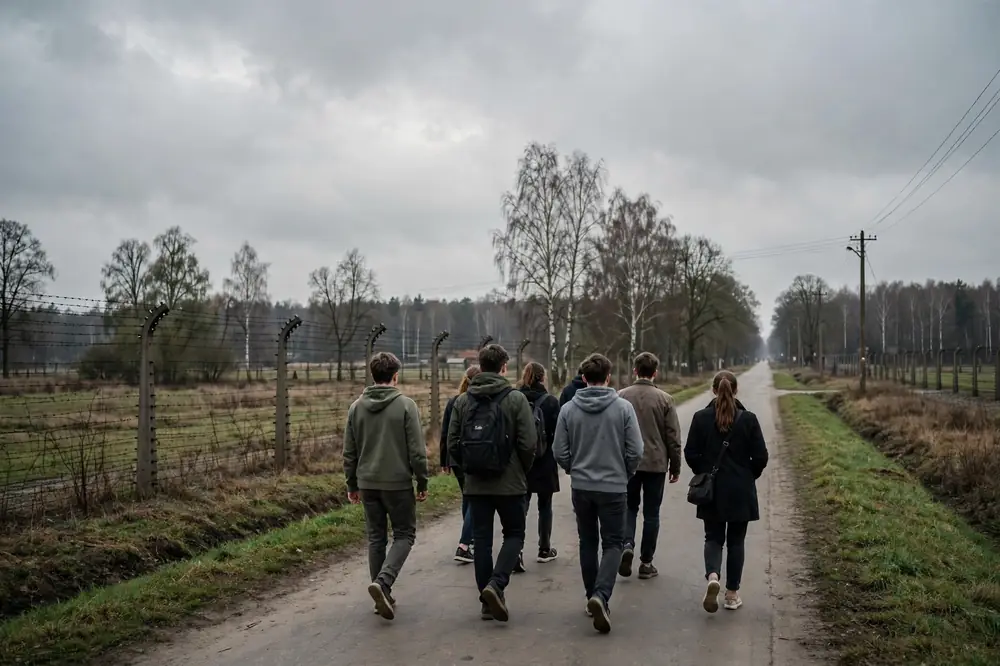
Survivors, heads of state, and young people from around the world gather at Birkenau, at the International Monument, to remember the victims, and to hear the testimony of the survivors — testimony that is, with each passing year, rarer, as the survivors, who are now in their nineties, die.
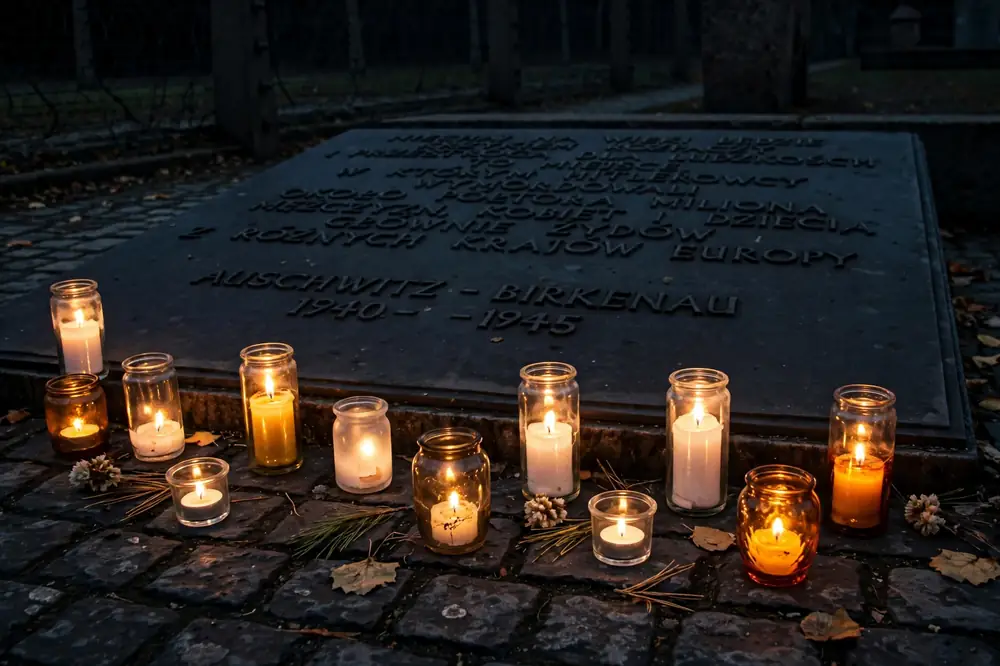
The ceremony is, in the words of the museum, “a call to remember, and a call to act” — a reminder that the Holocaust was not, in the words of one survivor, “a tragedy of the past, but a warning for the future”.
In addition to the annual ceremony, the museum runs educational programmes for teachers, for students, and for the police and the military, in Poland and around the world, and it is, in the words of the museum, “a centre of education, as well as of remembrance”.
The March of the Living
Every year, in April, thousands of young people — mostly Jewish students from Israel and from around the world — take part in the March of the Living, walking the three kilometres from Auschwitz I to Birkenau, in silence, in memory of the victims, and in a demonstration, in the words of the organisers, “that the Jewish people live”.
The March, which began in 1988, has become one of the most important educational programmes in the world, and it has, in the words of one participant, “changed my life, and my understanding of what it means to be Jewish, and what it means to be human”.
The March is, in the words of the museum, “a march of remembrance, and a march of hope” — a reminder that, in the words of the survivor Elie Wiesel, “to forget the dead is to kill them a second time”, and that the task of the living is to remember.
10. Legacy
A Legacy of Memory and Warning
The legacy of Auschwitz is, in the words of the museum, “a legacy of memory, and a legacy of warning”. Auschwitz is, today, the most visited Holocaust memorial in the world, and it is, in the words of UNESCO, “a place of outstanding universal value” — a place that, in the words of the World Heritage Committee, “is a symbol of the cruelty of the Nazi regime, and a warning to humanity”.
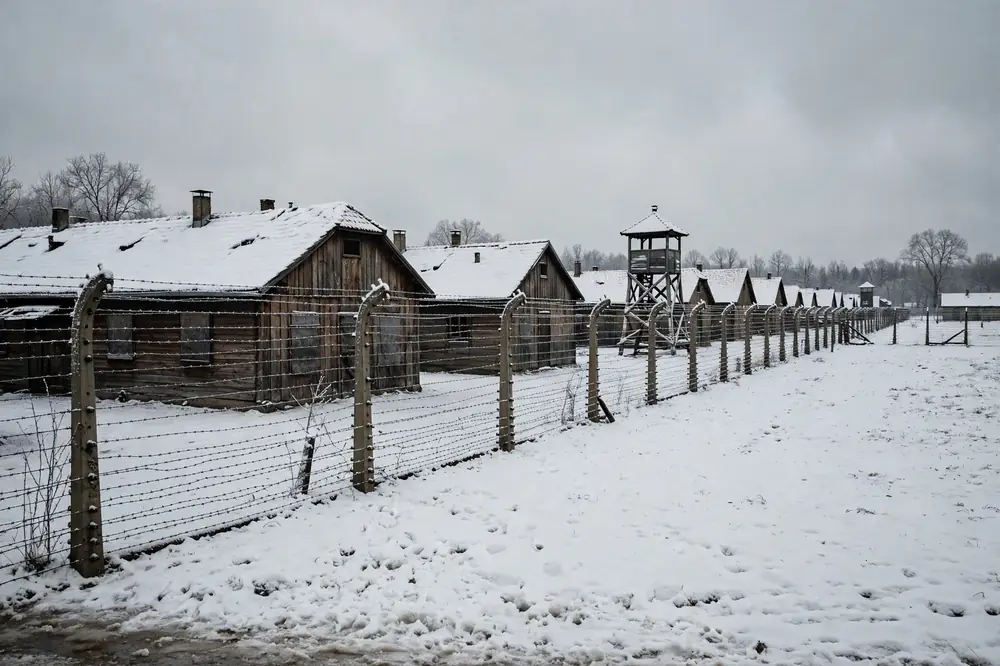
The museum’s task — to preserve the site, to remember the victims, and to educate the living — is, in the words of the museum’s director, “a task that will never be finished, because the memory of Auschwitz must be preserved for every generation, and because every generation must learn, anew, what happened there”.
The legacy of Auschwitz is also, in the words of one historian, “a legacy of the survivors”: of the men and women who survived the camp, who told their stories, and who, in doing so, made it impossible for the world to forget.
Their testimony — in the books of Primo Levi, of Elie Wiesel, of Viktor Frankl, and of hundreds of others — is, in the words of one survivor, “the most important legacy of Auschwitz”, because it is, in the end, the only thing that remains of the 1.1 million who died.
A Legacy for the Future
The legacy of Auschwitz is, finally, a legacy for the future. The museum’s educational programmes, the March of the Living, and the annual ceremony on 27 January are, in the words of the museum, “an investment in the future” — a belief that, by remembering the past, the world can prevent it from happening again.
The belief is, in the words of one historian, “an act of faith, in the face of the evidence” — because the world has, since Auschwitz, seen other genocides, in Cambodia, in Rwanda, in Bosnia, and in Darfur, and the warning of Auschwitz has not, in the end, prevented them.
But the museum, and the survivors, insist that the task is worth doing: that to remember is, in the words of Elie Wiesel, “to bear witness”, and that to bear witness is, in the end, the only thing that the living can do for the dead.
Auschwitz is, in the words of the museum, “a place where the dead speak, and where the living must listen” — and the task of the living, eighty years after the liberation, is to listen, and to remember, and to act.
Frequently Asked Questions
What is the Auschwitz-Birkenau Museum?
The Auschwitz-Birkenau State Museum is a museum and memorial on the site of the former Nazi German concentration and extermination camp at Oświęcim in Poland. It was founded in 1947 to preserve the camp and to remember its victims, and it was inscribed on the UNESCO World Heritage List in 1979.
How many people were murdered at Auschwitz?
About 1.1 million people were murdered at Auschwitz, according to the research of the Auschwitz-Birkenau State Museum. The great majority — about 960,000 — were Jews, with Poles, Roma and Sinti, Soviet prisoners of war and others making up the remainder.
When was Auschwitz liberated?
Auschwitz was liberated by the Red Army on 27 January 1945. About 7,000 prisoners were found alive. The date is now observed as International Holocaust Remembrance Day.
What is the difference between Auschwitz I and Birkenau?
Auschwitz I was the original concentration camp, founded in 1940, with brick barracks and the gate bearing the words Arbeit macht frei. Birkenau (Auschwitz II), built in 1941–1942 about three kilometres away, was the much larger camp where most of the murder took place, in the gas chambers and crematoria.
Can I visit the Auschwitz-Birkenau Museum?
Yes. The museum is open every day, admission to the grounds is free, and guided tours are available in many languages. Visitors are asked to behave with respect, and to allow at least three and a half hours for the visit to both Auschwitz I and Birkenau.
What is the March of the Living?
The March of the Living is an annual educational programme, held every April since 1988, in which thousands of young people, mostly Jewish students, walk in silence from Auschwitz I to Birkenau, in memory of the victims.
Related articles
Sources
- Auschwitz-Birkenau State Museum, official site and publications — the history of the camp, the figure of about 1.1 million victims, and visiting information.
- Wikipedia, “Auschwitz concentration camp” — the founding, Birkenau, the murder of about 1.1 million people and the liberation.
- Raul Hilberg, The Destruction of the European Jews (Yale University Press, 2003) — the bureaucracy of murder and the place of Auschwitz in the Holocaust.
- Primo Levi, If This Is a Man (1947) — survivor testimony of daily life in the camp.
- Elie Wiesel, Night (1960) — survivor testimony of Auschwitz and Birkenau.
- United States Holocaust Memorial Museum, Holocaust Encyclopedia, “Auschwitz” — the camp, the victims and the liberation of 27 January 1945.
- UNESCO, World Heritage List, “Auschwitz Birkenau, German Nazi Concentration and Extermination Camp (1940–1945)” — the inscription of 1979.