 WAR ATLAS MILITARY HISTORY MAGAZINE · WWI — WWII
Operation Mincemeat
1. Lead
Operation Mincemeat was a British deception operation of the Second World War in which a dead man’s body, dressed as a Royal Marines officer and carrying forged documents, was planted off the coast of Spain in April 1943 to convince the German high command that the Allies would invade Greece and Sardinia rather than Sicily.
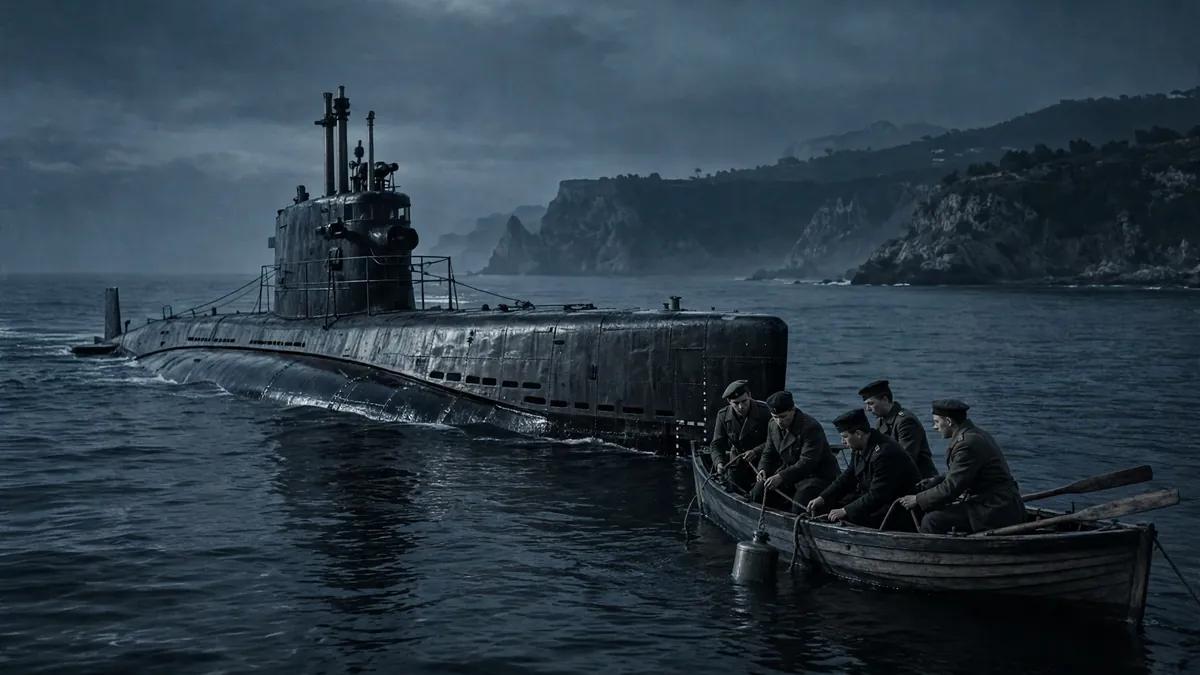
The operation was devised by Flight Lieutenant Charles Cholmondeley and Lieutenant Commander Ewen Montagu of British intelligence, as part of the wider deception plan Operation Barclay. On 30 April 1943, the submarine HMS Seraph released the body — that of Glyndwr Michael, a 34-year-old Welshman who had died after ingesting rat poison — near Huelva in southern Spain, where it was found by a fisherman the same morning.
The Spanish authorities shared the documents with German intelligence, and within weeks Adolf Hitler ordered reinforcements to Greece and Sardinia. When the Allies invaded Sicily on 10 July 1943 in Operation Husky, German forces were still expecting the main attack elsewhere.
Operation Mincemeat is now widely described by historians as one of the most effective military deceptions of the Second World War, although historians still debate exactly how much it contributed to the Allied victory in Sicily.
2. Key Facts
| Item | Detail |
|---|---|
| Definition | A British strategic deception operation that used a corpse carrying forged documents to mislead Germany about the target of the 1943 Allied invasion of Sicily |
| Origin | Idea from the 1939 “Trout Memo” of Rear Admiral John Godfrey; developed by Charles Cholmondeley and Ewen Montagu in early 1943 |
| Used by | British intelligence (Naval Intelligence Division and MI5), with the Royal Navy submarine HMS Seraph |
| Used in | Second World War, Mediterranean theatre, April–July 1943; part of Operation Barclay |
| Key examples | The planting of “Major William Martin” off Huelva, Spain, 30 April 1943; the Allied invasion of Sicily (Operation Husky), 10 July 1943 |
| Effectiveness | Successful: German documents show Hitler reinforced Greece and Sardinia, including moving the 1st Panzer Division to Greece; the exact effect on the Sicily campaign is disputed by historians |
3. Origins
Operation Mincemeat was born from a problem of geography. At the Casablanca Conference in January 1943, Winston Churchill and Franklin D. Roosevelt agreed that after the Allied victory in North Africa, the next step would be the invasion of Sicily, codenamed Operation Husky. Sicily was the obvious target: it was a large island with airfields, it guarded the central Mediterranean, and it was the natural stepping stone to mainland Italy. That very obviousness was the danger. The Germans knew Sicily was the logical objective, and the huge Allied build-up of ships, troops and supplies could not be hidden. The Allies therefore needed to persuade the Germans that the build-up was aimed somewhere else.
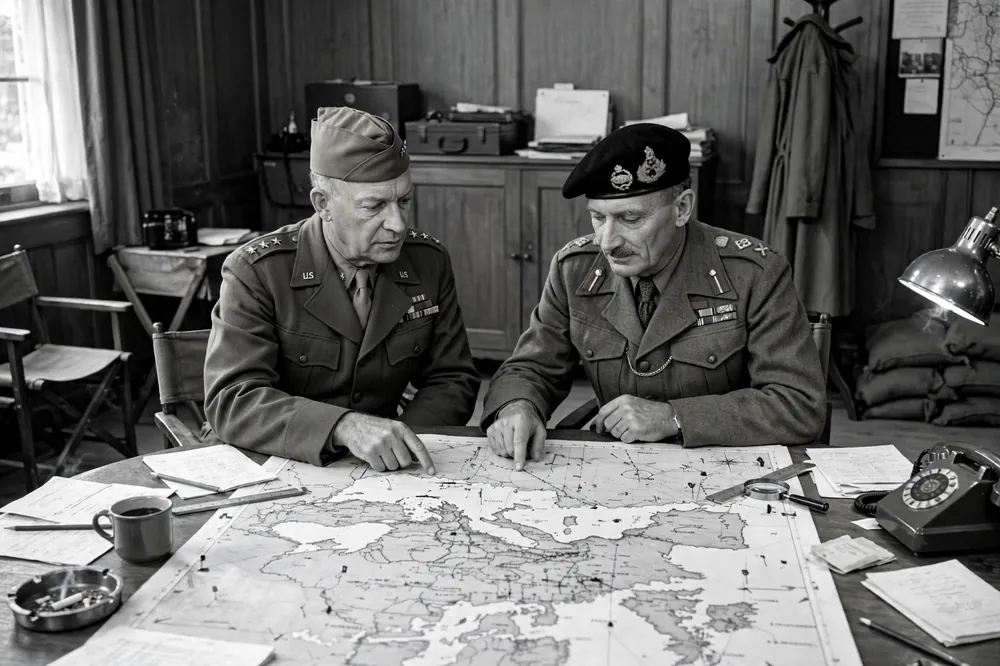
The idea of planting false documents on a corpse came from a 1939 memorandum known as the “Trout Memo”. Rear Admiral John Godfrey, the Director of Naval Intelligence, circulated a list of 51 ideas for deceiving the enemy, comparing deception to the techniques of fly fishing for trout. The memo is widely believed to have been drafted by his personal assistant, Lieutenant Commander Ian Fleming, later the creator of James Bond. Item 28 on the list proposed planting misleading documents on a body that the enemy would find. The idea itself was borrowed from a 1937 detective novel, The Milliner’s Hat Mystery by Basil Thomson, in which a corpse is used to mislead an investigation.
The idea was taken up in late 1942 by Flight Lieutenant Charles Cholmondeley, an RAF intelligence officer working for MI5 who was known as an “ideas man”. He proposed dropping a corpse from an aircraft so that it would wash ashore in enemy-held territory carrying false papers. His plan was presented to the Twenty Committee, the body that ran Britain’s double-agent network.
Lieutenant Commander Ewen Montagu of the Naval Intelligence Division, a barrister in civilian life, then took the idea and turned it into a practical operation. He argued that a body dropped from a plane would be too damaged to be convincing, and that a corpse floated ashore from the sea — apparently the victim of an air crash — would be far more believable.
The plan, codenamed Operation Mincemeat, was approved by Winston Churchill, and the Chief of the Imperial General Staff and the Allied commander in the Mediterranean, General Dwight D. Eisenhower, were informed.
4. How It Works
Operation Mincemeat worked because it was built around one psychological principle: people believe what they think they have discovered for themselves far more readily than what they are told. The Germans were never handed the false invasion plan. Instead, they were allowed to steal it — or so they believed. Every detail of the operation was designed to make the deception look like an accident.
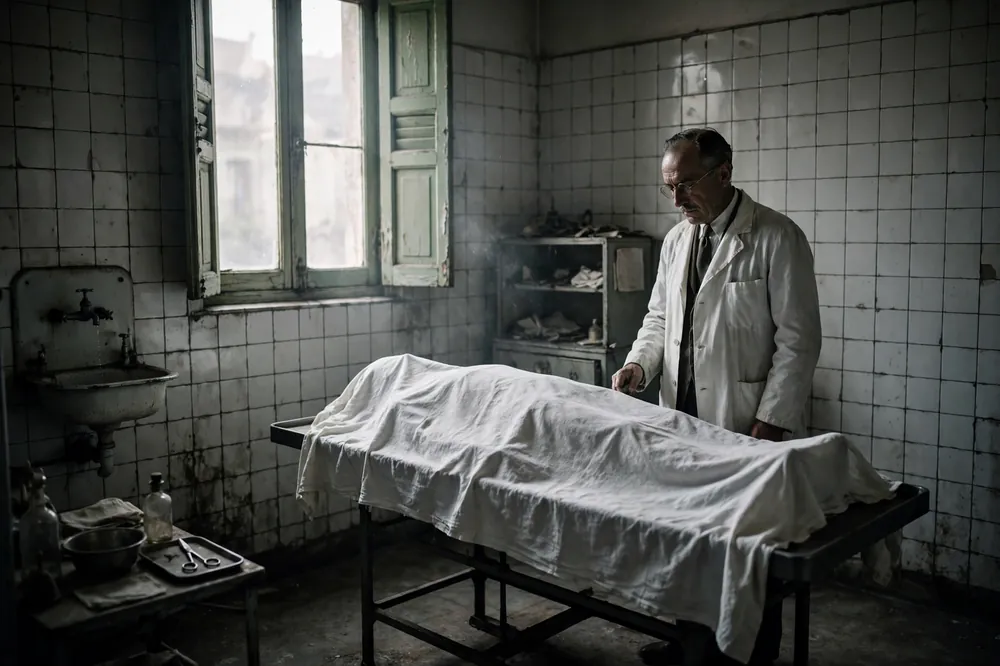
The first step was the body itself. The planners needed a corpse that would pass a medical examination as a man who had drowned after an aircraft crashed at sea. The coroner of St Pancras in London, Bentley Purchase, obtained the body of Glyndwr Michael, a 34-year-old Welshman who had been living homeless in London and who died on 28 January 1943 after ingesting rat poison containing phosphorus. The poison had caused fluid to build up in his lungs, which a pathologist could plausibly mistake for the effects of drowning. The body was kept on ice at Hackney Mortuary for about three months while the deception was prepared.
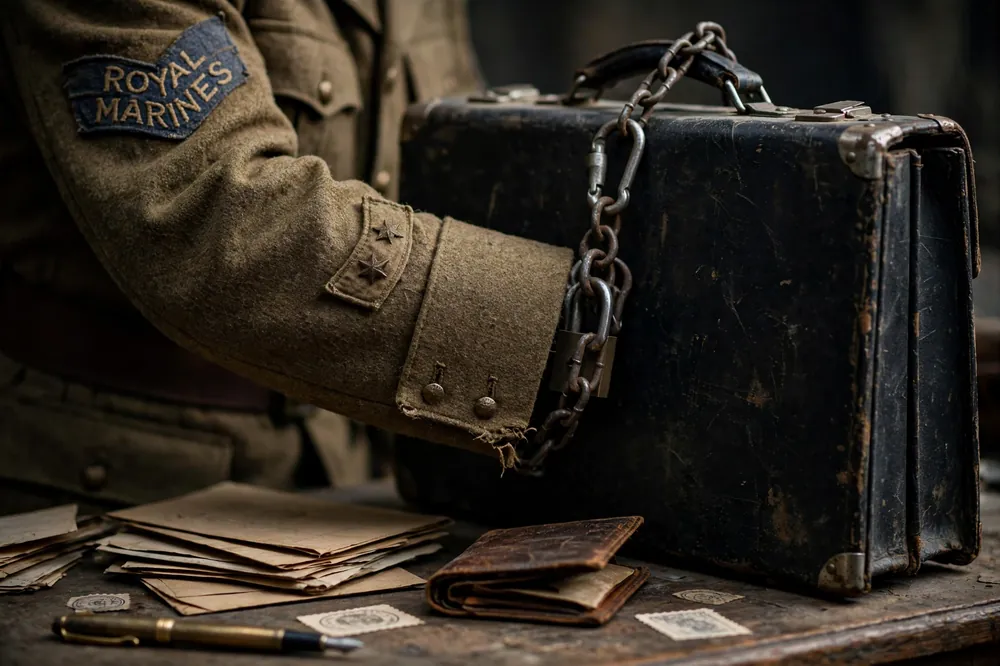
The second step was the identity. The dead man became Captain (Acting Major) William Martin of the Royal Marines — a rank senior enough to carry sensitive documents, but not so prominent that anyone in Berlin would recognise the name. Montagu and his team built an entire life for Martin. His pockets held a wallet with an overdraft notice from his bank, theatre and nightclub ticket stubs, a letter from his father, a photograph of his fiancée (in reality a clerk in MI5), and a receipt for an engagement ring. A briefcase was chained to his wrist, as was standard practice for officers carrying secret papers.
The third step was the documents. The centrepiece was a personal letter from Lieutenant General Sir Archibald Nye, Vice Chief of the Imperial General Staff, to General Sir Harold Alexander in North Africa. The letter mentioned, almost as an aside, that the Allies planned to invade Greece — reusing “Husky” as the codename for that operation — and that Sicily was merely a “cover target” for a feint codenamed Operation Brimstone. A second letter, from Admiral Lord Louis Mountbatten, added credibility. The trick was elegant: the letters did not shout the false plan; they whispered it, as senior officers writing to each other would.
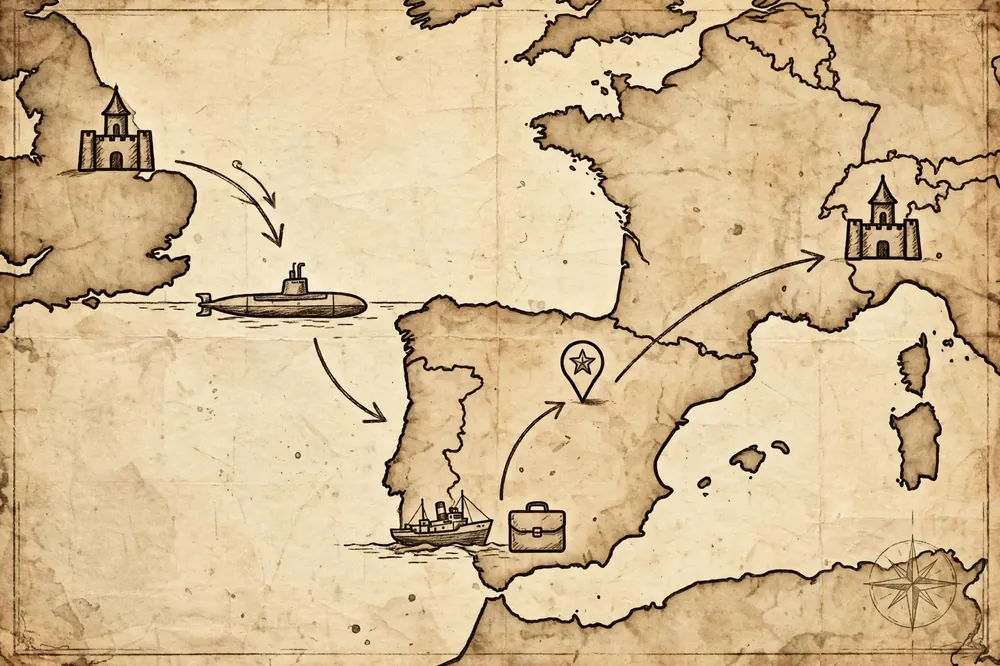
The fourth step was the delivery. Spain was officially neutral, but its government was sympathetic to the Axis and its ports were full of German agents. Huelva, on the Atlantic coast of southern Spain, was chosen because a known and active German agent, Adolf Clauss, was based there, and because the currents would carry a floating body ashore.
The body was sealed in a steel canister filled with dry ice and loaded aboard the submarine HMS Seraph, commanded by Lieutenant Bill Jewell. Seraph left Holy Loch in Scotland on 19 April 1943. In the early hours of 30 April, the submarine surfaced about a mile off Huelva, the crew held a short memorial service — Jewell read from Psalm 39 — and the body was lowered into the sea wearing a life jacket.
A Spanish fisherman found it later that morning.
The final step was patience. The British did not try to control what happened next. The Spanish performed an autopsy, which concluded that the man had drowned after an aircraft crash at sea — exactly the verdict the planners had hoped for. Before returning the briefcase to the British, the Spanish shared its contents with German intelligence, who photographed the documents and sent the copies to Berlin. Ultra decrypts of German radio messages later confirmed that the deception had been accepted: on 14 May 1943, a decrypted German message warned that the invasion would come in the Balkans, with a feint against the Dodecanese.
5. Historical Examples
The execution of the plan was itself the operation’s first great test. On 17 April 1943, the body was dressed in the uniform of Major Martin, sealed in its canister with dry ice, and driven overnight to Scotland by Jock Horsfall, a racing driver working for MI5.
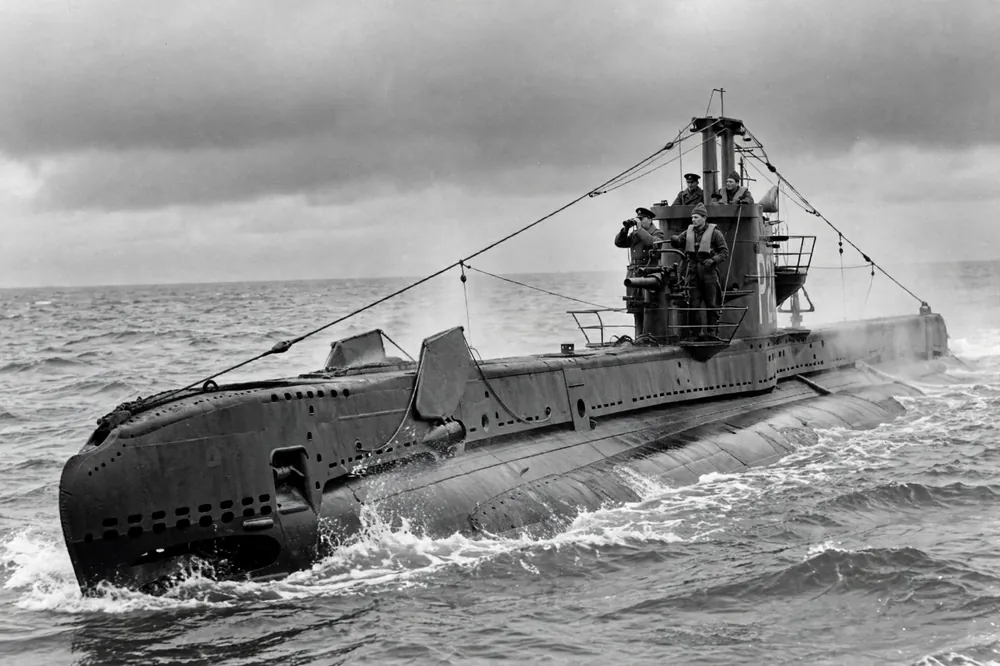
The canister was loaded onto HMS Seraph without most of the crew knowing what it contained; they were told the submarine was delivering a meteorological device off the Spanish coast. Seraph sailed on 19 April and, after a ten-day voyage, surfaced off Huelva at about 04:15 on 30 April. The body was found by fishermen at about 09:30 the same morning and handed to the Spanish naval authorities.
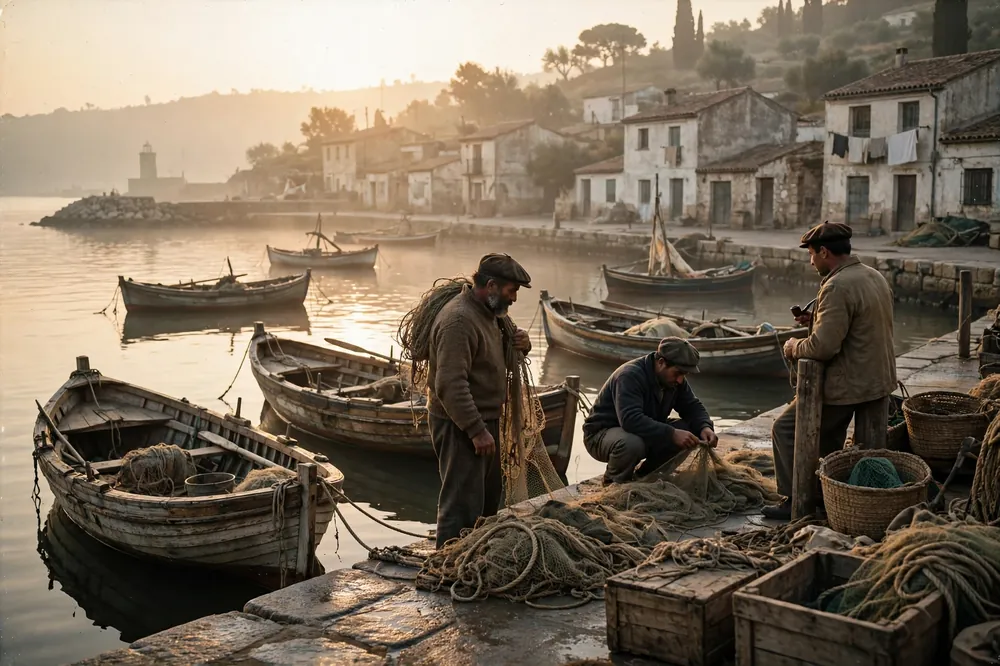
Within days the documents were in German hands, and the British naval attaché in Madrid reported the body’s discovery in early May. The operation had taken less than two weeks from departure to delivery, and the Germans never suspected that the corpse had been planted.
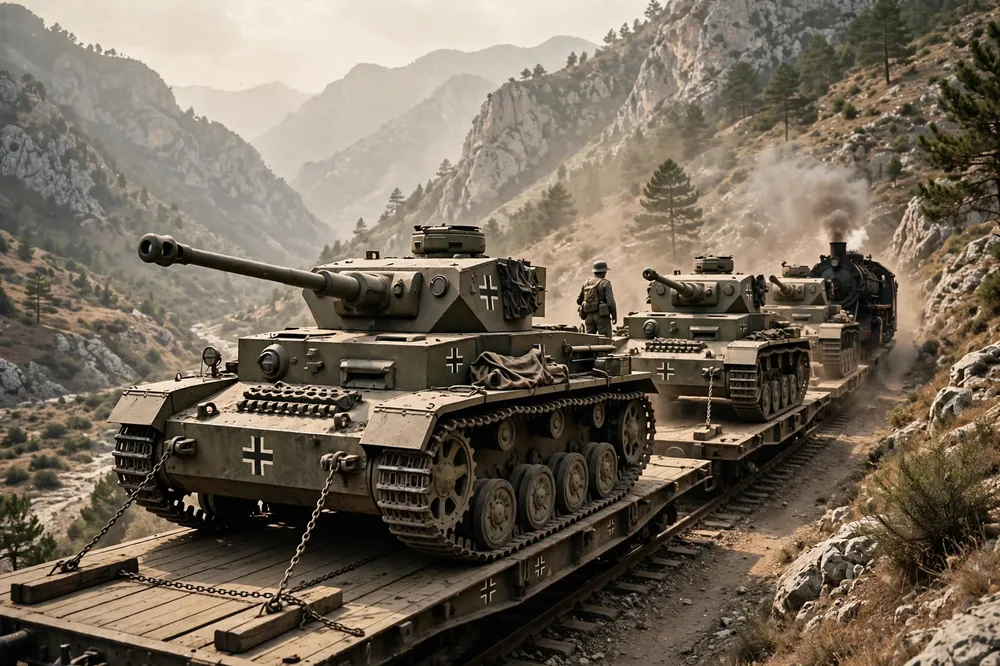
The deception produced rapid and measurable results. On 12 May 1943, Hitler issued a directive ordering the reinforcement of Greece and Sardinia at the expense of Sicily. The experienced 1st Panzer Division was transferred from France to Salonika in Greece. By the end of June, according to British post-war accounts, the German garrison on Sardinia had doubled to about 10,000 men, with fighter aircraft moved there in support.
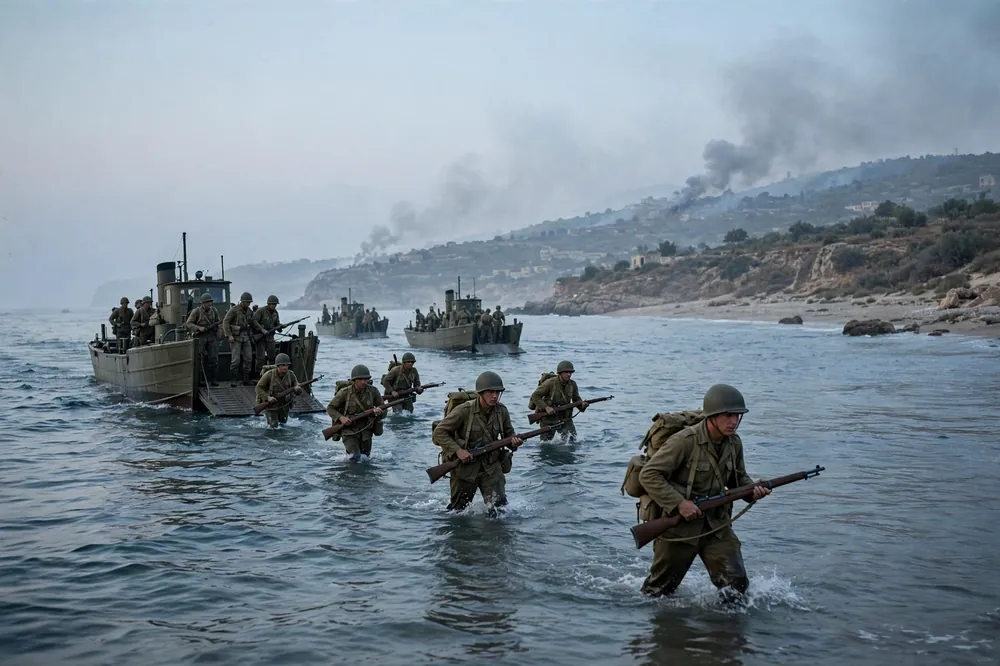
German torpedo boats were transferred from Sicily to the Greek islands, minefields were repositioned, and seven German divisions were transferred to Greece with ten more posted to the Balkans. In late July, Hitler sent Field Marshal Erwin Rommel to Salonika to prepare the defence of the region. Ultra intercepts confirmed that the German high command remained convinced that Greece was the main target even after the Sicily landings had begun.
The real test came on 10 July 1943, when Allied forces landed in south-eastern Sicily in Operation Husky. The landings met lighter resistance than expected at the beaches, and even four hours after the invasion began, German aircraft were still leaving Sicily to reinforce Sardinia.
The Germans remained convinced for about two more weeks that the main Allied attacks would fall on Sardinia and Greece, and kept forces out of action there until it was too late. Only on 12 July did they order the 3rd Regiment of the 1st Fallschirmjäger (parachute) Division to drop onto the island ahead of the advancing British Eighth Army.
The Allied campaign in Sicily lasted until 17 August 1943, when the last Axis forces evacuated across the Strait of Messina. Sicily was secured more quickly, and with lower losses, than Allied planners had predicted — although, as the assessment section below explains, historians disagree on how much of that success was due to Mincemeat itself.
The invasion force that landed on 10 July 1943 was large and multinational. The British Eighth Army, commanded by General Bernard Montgomery, landed on the south-eastern coast of the island, while the American Seventh Army, commanded by Lieutenant General George S. Patton, landed further west in the Gulf of Gela.
The two armies advanced on parallel axes: Montgomery’s forces drove north towards Catania and Mount Etna, and Patton’s forces drove west and then north towards Palermo. Axis forces in Sicily consisted of two German divisions — the Hermann Göring Panzer Division and the 15th Panzergrenadier Division — and a larger Italian garrison of about ten divisions, many of them coastal units of limited mobility.
The German commander on the island, General Hans-Valentin Hube, conducted a fighting withdrawal towards Messina, and the last Axis forces crossed to the Italian mainland on 17 August 1943. The campaign lasted 38 days. The Allied navies and air forces controlled the sea and the air throughout, which limited the Axis ability to reinforce the island and, in the end, allowed the evacuation to proceed — a point that historians cite when weighing how much of the Allied success was due to deception and how much to material superiority.
6. Strengths
Operation Mincemeat’s greatest strength was its psychological realism. The deception did not ask the Germans to believe an improbable story; it gave them a story they had apparently discovered by accident, in the form of documents that looked exactly like the real correspondence of senior officers.
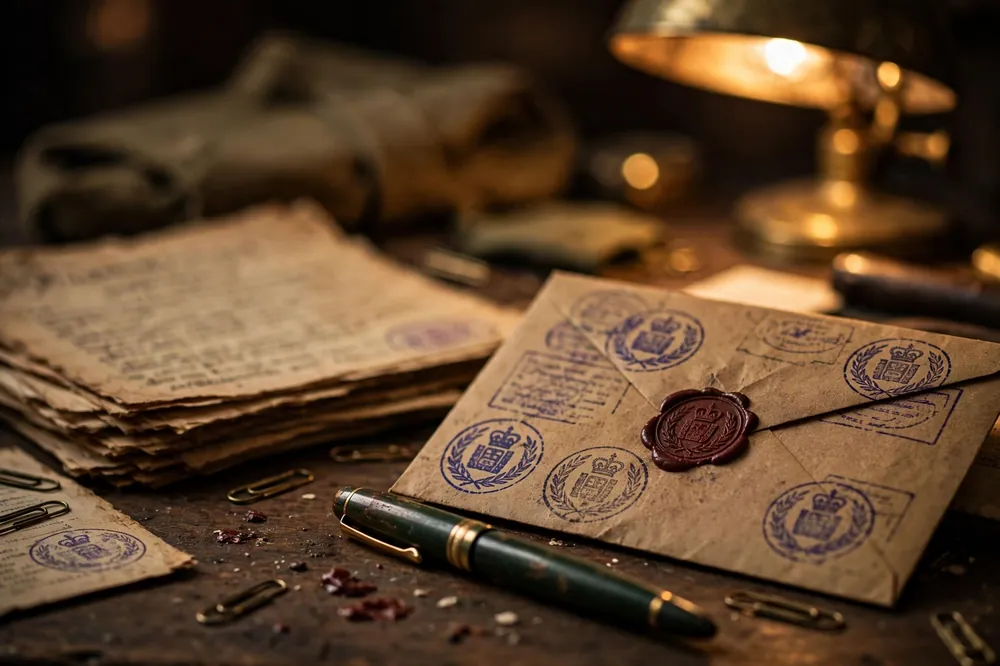
The “pocket litter” — the bank notice, the theatre tickets, the photograph of a fiancée — built a complete human being out of a corpse, and the medical evidence supported the cover story, because the Spanish autopsy concluded that Martin had drowned after an air crash.
The operation was also low in cost and involved no Allied casualties: it cost one submarine voyage and no Allied lives, yet it moved whole divisions. Finally, it was aimed at the right person. The documents were written to be read not by front-line officers but by the German high command, and they reached Hitler himself, who personally ordered the redeployment.
7. Weaknesses and Countermeasures
The operation was fragile at every stage, and its planners knew it. If the Spanish autopsy had found rat poison instead of drowning, if the body had decomposed too far during the ten-day voyage, if the currents had carried it out to sea instead of ashore, or if the Germans had checked the identity of “Major Martin” against Royal Marines records, the deception would have collapsed — and worse, it would have told the Germans that a deception was under way.
The choice of Spain was itself a gamble: the British had to trust a neutral government that was friendly to Germany to pass the documents on, without any control over the timing. The operation also depended on a single channel of confirmation. The British could only be sure the Germans had taken the bait by reading Ultra decrypts, and for several weeks in May 1943 they waited in uncertainty.
The German countermeasure, in principle, was simple: verify. A check of Royal Marines officer lists, a second medical opinion, or a comparison of the letter’s handwriting and paper with known samples could have exposed the fraud. That none of this happened is usually explained by the Germans’ confidence in their Spanish sources and by the fact that the documents confirmed what Hitler already believed — that the Balkans, with their oil and raw materials, were too important for the Allies to ignore. The operation’s weakness, in other words, was also its strength: it worked because it told the enemy what he wanted to hear.
A third weakness was the dependence on Spanish behaviour. The British could not control what the Spanish did with the body or with the briefcase. If the Spanish authorities had buried the body without examining the papers, or if they had returned the briefcase to the British without showing it to the Germans, the operation would have failed silently — the British would have waited for a German reaction that never came.
The planners reduced this risk by choosing Huelva, where the German agent Adolf Clauss was known to be active, and by making the briefcase conspicuous: it was chained to the body, it was clearly marked as containing official papers, and it was the kind of object that any intelligence service would want to examine.
Even so, the British waited for weeks in May 1943 without knowing whether the documents had reached Berlin, and their only confirmation came from Ultra decrypts.
8. Evolution
Mincemeat was not the first deception of its kind, and it was far from the last. The idea of planting false papers on a body had been discussed in British intelligence since 1939, and the Allies had already run smaller deceptions in North Africa. But Mincemeat was the first time the technique was used at the strategic level, aimed at the enemy’s high command rather than at a local commander.
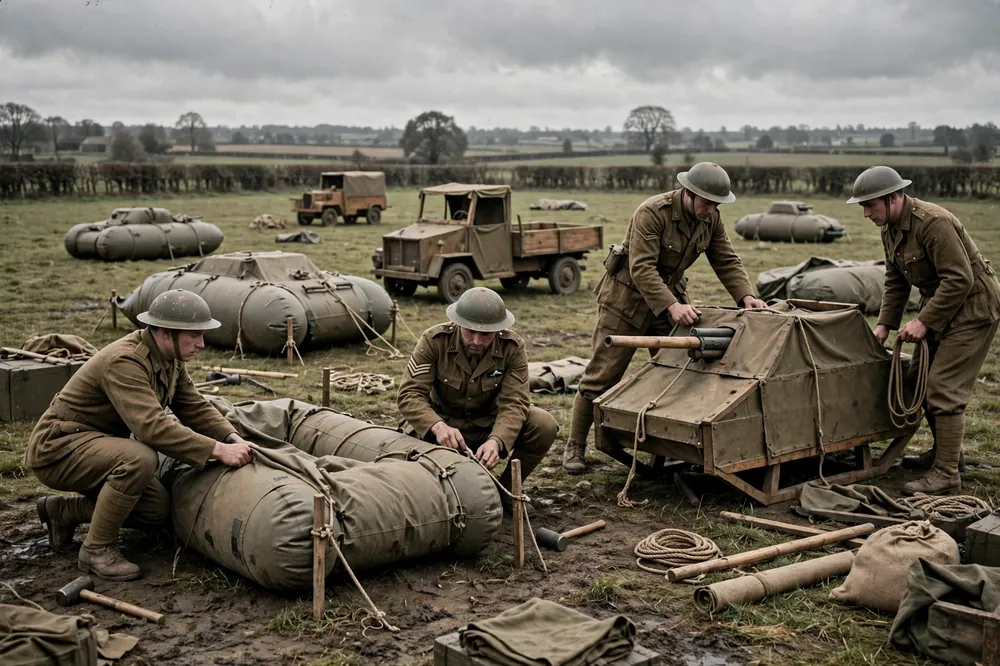
Its success shaped the much larger deception for the invasion of Normandy a year later: Operation Fortitude, part of Operation Bodyguard, used a fictitious army group under General George S. Patton, fake radio traffic, dummy tanks and double agents to convince the Germans that the main landing would come at the Pas-de-Calais rather than Normandy.
The lesson of Mincemeat — that the enemy must be allowed to “discover” the false plan himself — became a central principle of Allied deception doctrine.
After the war, the techniques of Mincemeat entered the standard practice of intelligence services. The use of a dead body as a deception carrier was not repeated in the same form, but the principles — building a complete and verifiable false identity, using a neutral third party as the channel, and confirming the result through signals intelligence — were studied in intelligence schools for decades. The operation also influenced popular culture: Ewen Montagu’s 1953 book The Man Who Never Was was made into a film in 1956, and Ben Macintyre’s 2010 book Operation Mincemeat was adapted into a film in 2021.
9. Legacy and Modern Use
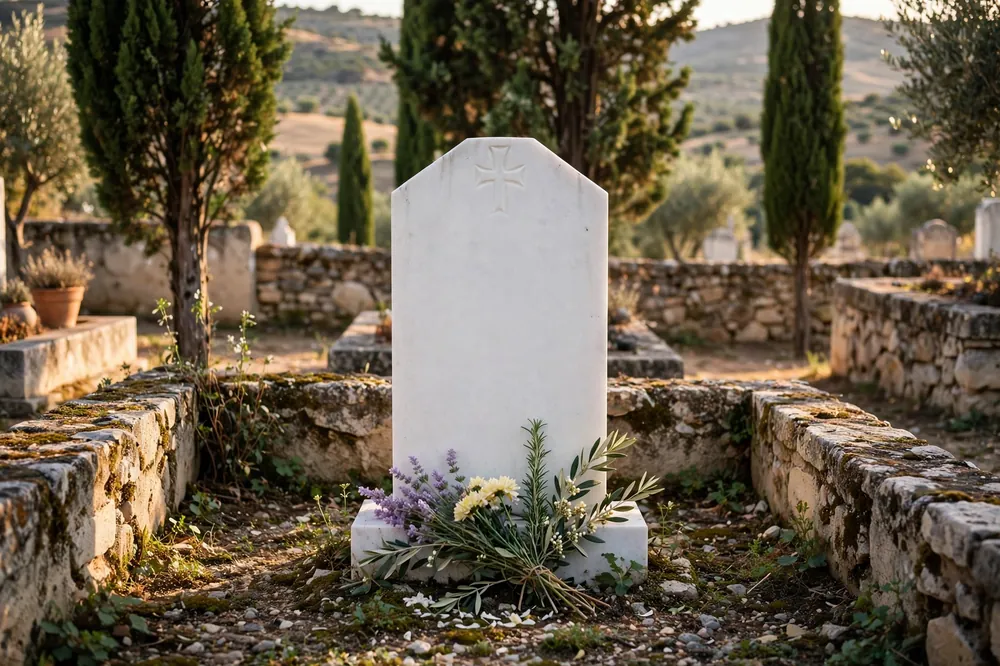
The most visible legacy of Operation Mincemeat is a grave. Glyndwr Michael is buried in the San Marco section of the Roman Catholic cemetery at Huelva, under a headstone that reads “Major William Martin” and records his death on 24 April 1943. The headstone was updated in the late 1990s to add the words “Glyndwr Michael, served as Major William Martin”. In 1998, the Royal Marines added a further inscription. The grave has become a place of remembrance, and in 2021 the British government formally acknowledged Michael’s role.
Militarily, Mincemeat’s legacy is the modern discipline of military deception, known in NATO doctrine as MILDEC. Modern deception still follows the same principles: it must be consistent with what the enemy already believes, it must be delivered through a channel the enemy trusts, and its effect must be confirmed by intelligence rather than assumed.
In an age of satellite imagery and electronic surveillance, planting a body is no longer the method of choice, but the underlying idea — feeding the enemy a coherent false picture that he discovers himself — is visible in cyber deception, in decoy equipment, and in information operations. The operation is still taught at military staff colleges as the classic case study of a strategic deception that succeeded.
10. Assessment by Historians
Historians agree that Operation Mincemeat was a carefully executed piece of intelligence work and that the German high command was genuinely misled. The Ultra decrypts and the captured German records leave no doubt that Hitler ordered troops to Greece and Sardinia because of the documents. Where historians disagree is on the question of how much difference it made.
The official British historian of the Sicily campaign and later writers have noted that Sicily was taken more quickly and with lower losses than predicted, and that German forces were still expecting an attack on Greece and Sardinia two weeks after the landings.
Others, however, point out that the Allies enjoyed overwhelming air and naval superiority in the Mediterranean by the summer of 1943, and that the German forces in Sicily were relatively weak — two German divisions and a larger but poorly equipped Italian garrison — so the invasion might have succeeded quickly in any case.
A second debate concerns the identity of the corpse. Montagu, who arranged for the body, never revealed the man’s real name in his lifetime, saying only that he had died of pneumonia. In 1996, the amateur historian Roger Morgan identified the body as Glyndwr Michael, and Ben Macintyre confirmed the identification in his 2010 book using declassified files. That identification is now generally accepted, but some Spanish researchers have disputed it, and the question has never been settled beyond doubt. What is not disputed is that the man, whoever he was, gave his death a purpose he never chose — a fact that has made Mincemeat as much a subject of ethical discussion as of military admiration.
Frequently Asked Questions
What was Operation Mincemeat? Operation Mincemeat was a British deception operation of April 1943 in which a corpse dressed as Royal Marines officer “Major William Martin” and carrying forged documents was planted off Spain to convince Germany that the Allies would invade Greece and Sardinia instead of Sicily.
Who was the “man who never was”? The body was that of Glyndwr Michael, a 34-year-old Welshman who died in London in January 1943 after ingesting rat poison. His identity was established by historian Roger Morgan in 1996 and confirmed by Ben Macintyre in 2010, although some Spanish researchers have disputed it.
How did the Germans get the false documents? The Spanish authorities found the body, performed an autopsy, and — before returning the briefcase to Britain — shared its contents with German intelligence, which photographed the papers and sent them to Berlin.
Did Operation Mincemeat work? Yes, in the sense that Hitler believed the deception and ordered reinforcements, including the 1st Panzer Division, to Greece and Sardinia. Historians debate how much this changed the outcome in Sicily, since the Allies already had overwhelming air and naval superiority.
When did the Allies invade Sicily? Operation Husky, the Allied invasion of Sicily, began on 10 July 1943. The island was secured by 17 August 1943.
Is Operation Mincemeat the same as Operation Barclay? No. Operation Barclay was the wider Mediterranean deception campaign of 1943, and Operation Mincemeat was one part of it — the most famous part.
Related articles
Sources
- Wikipedia, “Operation Mincemeat” — overview, dates, the Trout Memo, the role of HMS Seraph, and the assessment that the operation’s exact effect is unknown although Sicily was taken more quickly than anticipated.
- Encyclopaedia Britannica, “Operation Mincemeat” — summary of the deception and its purpose in covering the invasion of Sicily.
- Ben Macintyre, Operation Mincemeat: How a Dead Man and a Bizarre Plan Fooled the Nazis and Assured an Allied Victory (Crown, 2010) — identification of Glyndwr Michael, the construction of the “William Martin” identity, and the German reaction.
- Ewen Montagu, The Man Who Never Was (Evans Brothers, 1953) — first-hand account by one of the operation’s planners.
- National Archives (UK), declassified files on Operation Mincemeat — original documents, including the Nye letter and Ultra decrypts confirming German acceptance of the deception.
- Imperial War Museum, “Operation Mincemeat” (iwm.org.uk) — the story of the operation, the role of HMS Seraph and the burial of “Major William Martin” at Huelva.