 WAR ATLAS MILITARY HISTORY MAGAZINE · WWI — WWII
Douglas MacArthur
1. Lead
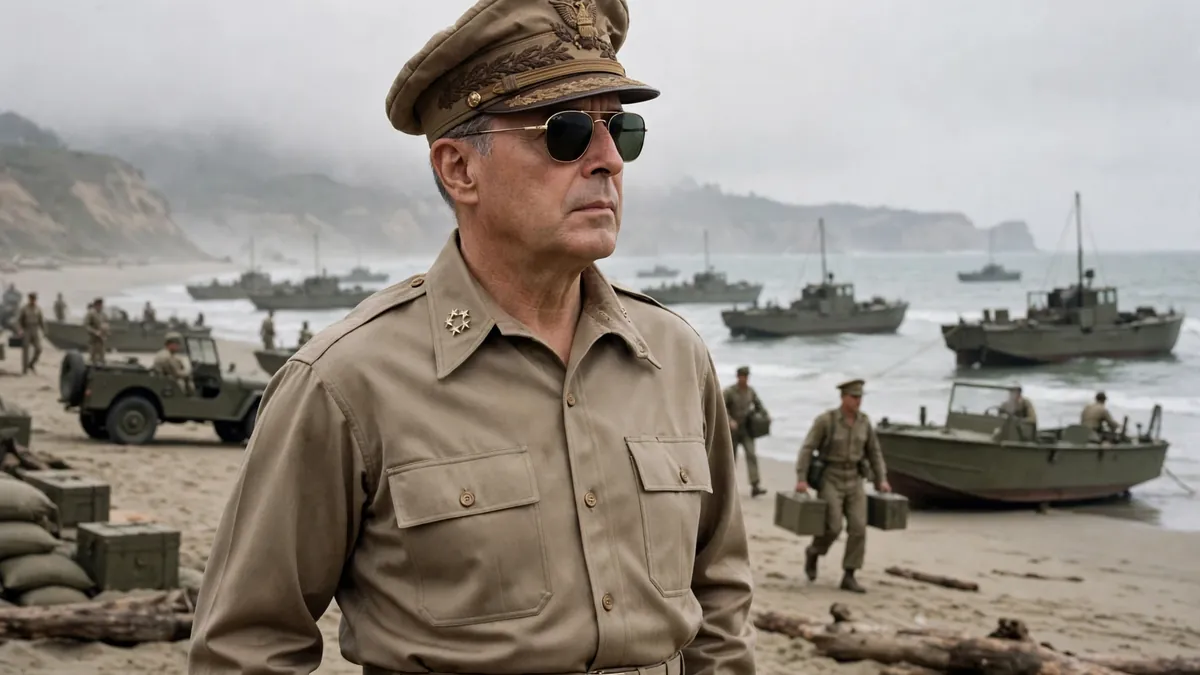
Douglas MacArthur (26 January 1880 – 5 April 1964) was an American general whose career spanned five decades, from the Philippine–American War to the Korean War, and whose commands included the United States Army, the Southwest Pacific Area in the Second World War, the occupation of Japan, and the United Nations Command in Korea.
He graduated first in his class from West Point in 1903, served with distinction in the First World War, and was Chief of Staff of the United States Army from 1930 to 1935. In the Second World War he commanded the defence of the Philippines in 1941–1942, was ordered to leave for Australia in March 1942, and returned to the Philippines at Leyte in October 1944, fulfilling the promise — “I shall return” — that he had made on leaving.
On 2 September 1945, aboard the battleship Missouri in Tokyo Bay, he accepted the formal surrender of Japan, and as Supreme Commander for the Allied Powers he directed the occupation of Japan from 1945 to 1951. In the Korean War he commanded United Nations forces, carried out the landing at Inchon in September 1950, and was relieved of command by President Harry S.
Truman on 11 April 1951 after public disagreements over the conduct of the war — a decision that remains a central case study in the principle of civilian control of the military. MacArthur is among the most discussed American generals of the twentieth century: the same record that includes the return to the Philippines and the occupation of Japan also includes the loss of the Philippines in 1942, the costly fighting in the Philippines in 1944–1945, and the advance to the Yalu River in 1950 that preceded the Chinese intervention in Korea.
This article presents that record from the sources, with disputed points identified as disputed.
2. Key Facts
| Born | 26 January 1880, Little Rock Barracks, Arkansas, United States |
| Died | 5 April 1964, Washington, D.C., United States (aged 84) |
| Nationality | American |
| Role / Office | General of the Army (five-star); Chief of Staff, United States Army (1930–1935); Supreme Commander, Southwest Pacific Area (1942–1945); Supreme Commander for the Allied Powers, occupation of Japan (1945–1951); Commander, United Nations Command, Korea (1950–1951); Field Marshal of the Philippine Army (1936) |
| Known for | Defence and recapture of the Philippines; accepting Japan’s surrender aboard USS Missouri; the occupation of Japan; the Inchon landing; relief by President Truman in 1951 |
| Spouse / Family | Married Louise Cromwell Brooks (1922–1929, divorced); married Jean Faircloth in 1937; one son, Arthur MacArthur IV. Son of Lieutenant General Arthur MacArthur Jr., a Medal of Honor recipient, and Mary Pinkney Hardy MacArthur |
3. Early Life
Douglas MacArthur was born on 26 January 1880 at the Little Rock Barracks in Arkansas, the son of Arthur MacArthur Jr., a United States Army officer who had received the Medal of Honor for his service in the American Civil War and later served as military governor of the Philippines, and Mary Pinkney Hardy MacArthur.
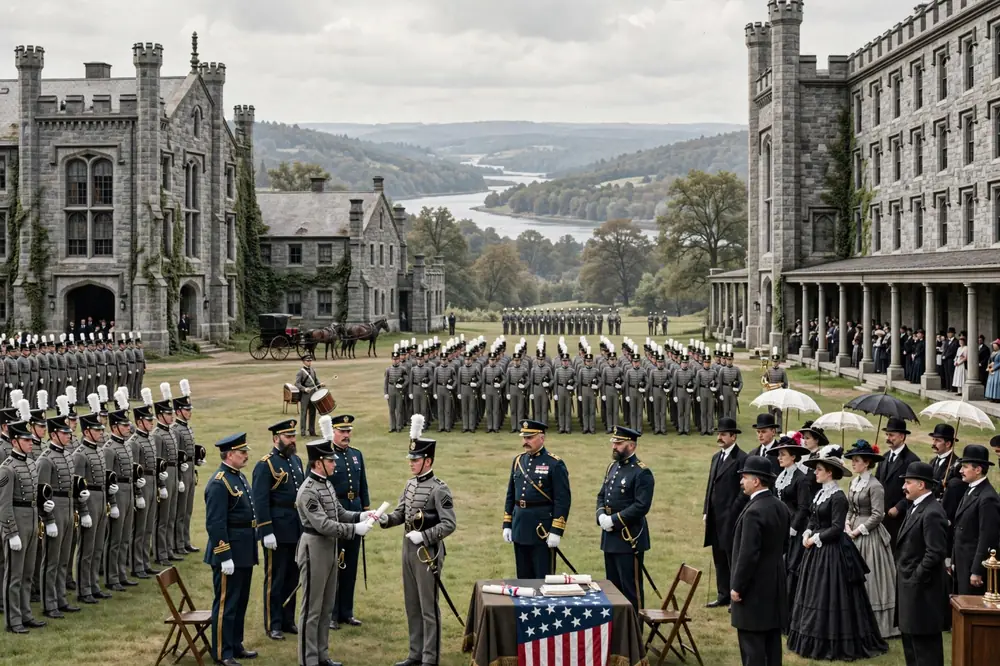
He grew up on army posts, moving with his father’s assignments, and was educated in part by his mother, who took a close interest in his schooling. In 1899 he entered the United States Military Academy at West Point. His mother moved to a hotel near the academy to be close to him during his years there.
He graduated first in his class of 93 cadets on 11 June 1903, with one of the highest academic averages recorded at the academy, and served as First Captain of the Corps of Cadets, the highest cadet rank. He was commissioned a second lieutenant in the Corps of Engineers.
His first assignment was in the Philippines, where his father had served as military governor, and he supervised construction work at Iloilo and carried out surveys on several islands. His tour was cut short by illness, including malaria. In 1905–1906 he served as aide to his father on a tour of the Far East, including Japan and the battlefields of the Russo-Japanese War.
Between 1906 and 1914 he served in a series of engineering and staff posts in the United States and the Philippines, and in 1914, during the American occupation of Veracruz in Mexico, he carried out a reconnaissance mission for which he was nominated for the Medal of Honor; the award was not made.
He later served on the staff of the War Department in Washington, where he worked on the organisation of the National Guard and on the preparations for the expansion of the army.
His early service in the Philippines is part of the same record. After graduating in 1903 he was sent to Iloilo, where he supervised the construction of a wharf, and he carried out surveys at Tacloban, Calbayog and Cebu City. His tour was cut short in October 1904 when he contracted malaria and a skin infection during a survey on Bataan — the same peninsula where, nearly forty years later, his forces would make their stand. In 1905–1906 he served as aide to his father on the tour of the Far East, which took in Japan and the battlefields of the Russo-Japanese War, and gave him his first direct observation of the Japanese Army.
4. Rise to Prominence
MacArthur’s rise was built on his record in the First World War and on his staff and command posts in the 1920s. In 1917–1918 he served in France as chief of staff of the 42nd “Rainbow” Division, then as commander of its 84th Infantry Brigade and, briefly, as divisional commander.
He was promoted to brigadier general and received two Distinguished Service Crosses and seven Silver Stars; he was again nominated for the Medal of Honor, which was not awarded. His service in France made his reputation as a field commander and brought him to the attention of the army’s senior leadership.
After the war he served as Superintendent of West Point from 1919 to 1922, where he revised the curriculum and expanded the academy’s athletics programme. From 1930 to 1935 he was Chief of Staff of the United States Army, the army’s senior post, serving under Presidents Hoover and Roosevelt.
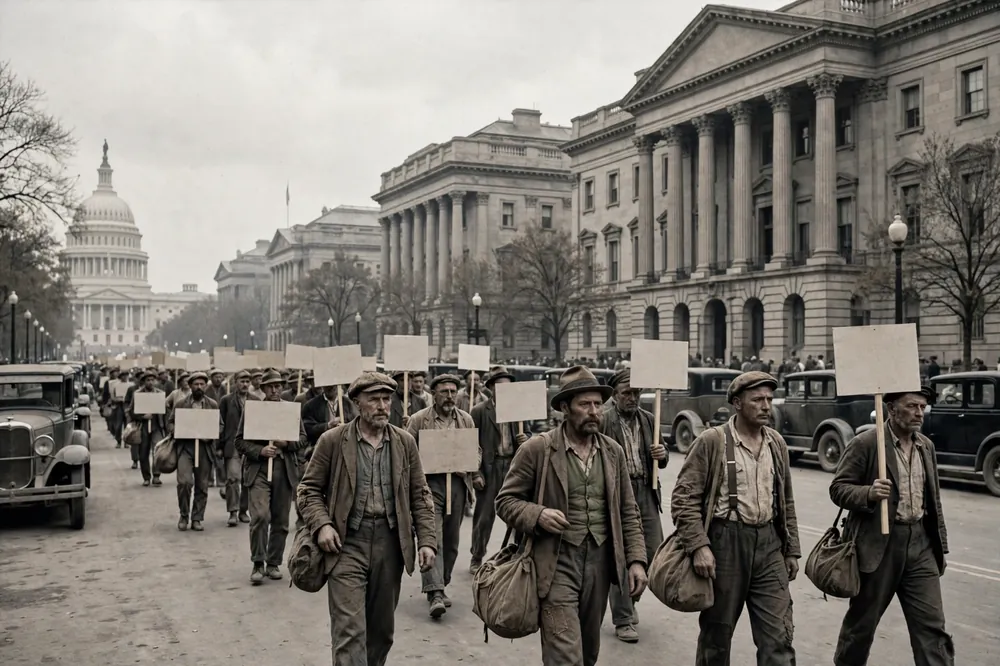
In that post he dealt with the army’s reduced budgets during the Depression and, in 1932, with the Bonus Army — a march on Washington by unemployed First World War veterans seeking early payment of a promised bonus. MacArthur commanded the troops that dispersed the veterans’ camp; the operation, in which two veterans were killed and the camp was burned, drew public criticism and remains a contested episode in his record.
In 1935 he went to the Philippines as military adviser to the Commonwealth government under President Manuel Quezon, with the task of building a Filipino defence force. In 1936 he accepted the rank of Field Marshal of the Philippine Army, a rank no other American has held. He retired from the United States Army in 1937 but remained in the Philippines as Quezon’s adviser.
In July 1941, as war with Japan approached, he was recalled to active duty and appointed commander of United States Army Forces in the Far East.
5. Role in World War II
The Philippines, 1941–1942 / Philippines, 1941–1942
When Japan attacked Pearl Harbor on 7 December 1941 and invaded the Philippines the following day, MacArthur commanded the defence of the islands with American and Filipino forces under the pre-war plan known as War Plan Orange. The plan assumed that Japanese forces could not be prevented from landing on Luzon, and called for American and Filipino forces to withdraw to the Bataan Peninsula and the island fortress of Corregidor and to hold out until reinforcements arrived.
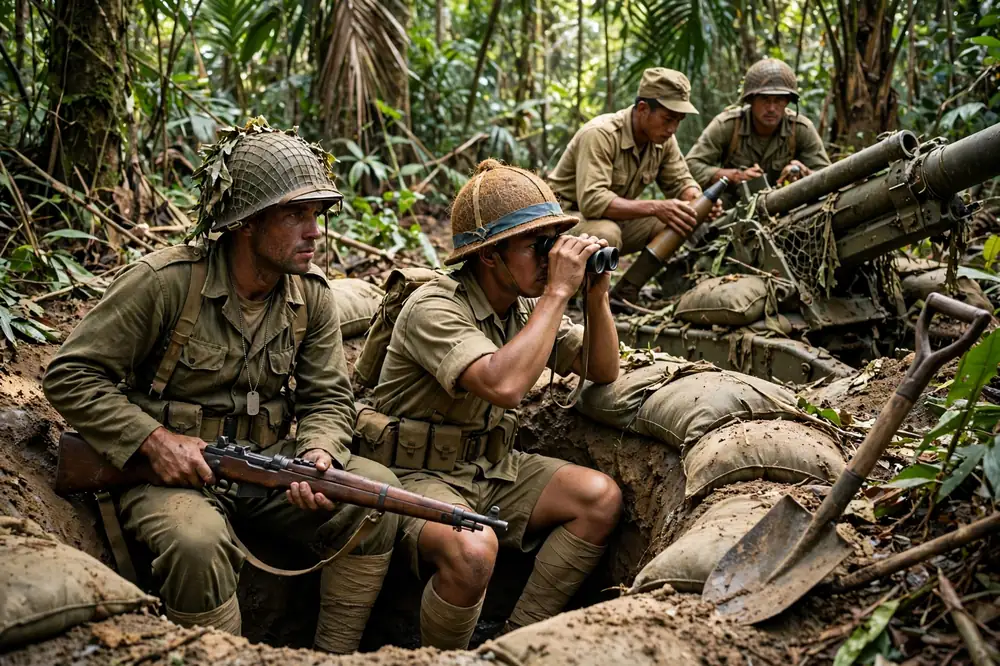
The defence was weakened from the start: on 8 December, Japanese aircraft destroyed a large part of MacArthur’s air force on the ground at Clark Field, a loss that has been the subject of extended historical debate. Accounts differ on why the aircraft were caught on the ground — whether the warning was delayed, whether MacArthur’s headquarters was slow to act, or whether the timing of the Japanese attack left no opportunity to disperse them — and the sources do not settle the question.
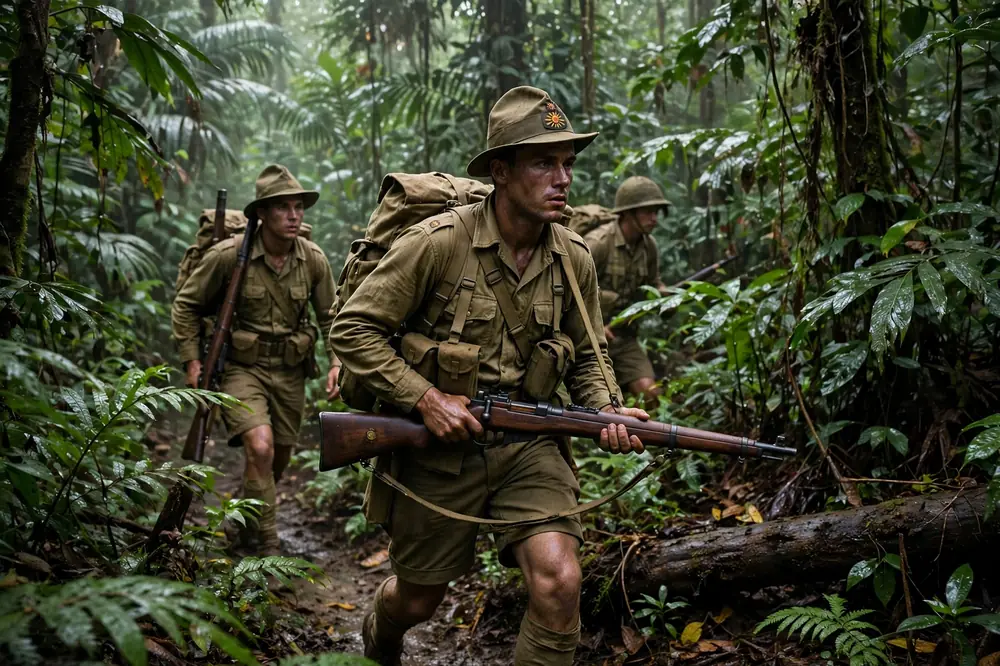
What is established is that the loss of air cover left the defenders exposed to Japanese air attack and to the landing of Japanese forces. MacArthur’s forces withdrew to Bataan as planned, and his headquarters moved to Corregidor, in the Malinta Tunnel. From December 1941 to March 1942 the defenders held Bataan and Corregidor against Japanese attack, in deteriorating conditions of food, medicine and ammunition.
MacArthur visited the front rarely, and the troops on Bataan gave him the nickname “Dugout Doug” — a name recorded in contemporary accounts and in later histories, and one that MacArthur’s supporters have described as unfair given his responsibilities as theatre commander. On 23 February 1942 President Roosevelt ordered MacArthur to leave the Philippines for Australia.
On the night of 11–12 March 1942 he left Corregidor by PT boat with his family and staff, travelled to Mindanao, and flew to Australia. On arrival he announced, in a statement that became widely known: “I came through and I shall return.” For his defence of the Philippines he was awarded the Medal of Honor in 1942, making the MacArthurs the first father and son both to receive the award.
The forces he left behind surrendered: Bataan fell on 9 April 1942, and Corregidor on 6 May. The prisoners taken on Bataan were subjected to the Bataan Death March, in which thousands of American and Filipino prisoners died from killings, disease and starvation — an event recorded as a war crime in the post-war trials.
In April 1942 MacArthur was appointed Supreme Commander of the Southwest Pacific Area, with headquarters in Australia. His command covered Australia, New Guinea, the Philippines and the Netherlands East Indies, and his forces included American and Australian ground, air and naval units — the naval forces being, from November 1943, the Seventh Fleet under Admiral Thomas Kinkaid.
The campaign that followed was a series of operations along the northern coast of New Guinea, advancing by successive landings that bypassed Japanese strongpoints: Buna and Gona in late 1942 and early 1943, Lae and Finschhafen, the Huon Peninsula, and the Admiralty Islands and Hollandia in 1944. The fighting was conducted in difficult terrain and climate, with long supply lines and heavy losses from disease on both sides.
MacArthur’s method — the bypassing of strong Japanese positions rather than direct assault — is credited by his supporters with saving lives and time, and is criticised by others on the grounds that bypassed Japanese forces remained a threat and that some operations, notably the prolonged fighting at Buna, were costly. Both assessments are recorded in the literature.
The first of these operations, the Battle of Buna–Gona, fought from 16 November 1942 to 22 January 1943, illustrates the cost of the campaign. Australian and American forces attacked Japanese beachheads at Buna, Gona and Sanananda, in terrain of swamp and jungle, with supply lines that depended on air drops until airstrips could be cut.
The official United States Army history records total Allied battle casualties of 8,546, including 3,095 dead, and Japanese losses of about 7,000 dead; disease added heavily to the toll, with thousands of cases of malaria, dysentery, dengue fever and scrub typhus on both sides.
MacArthur pressed for a rapid conclusion to the battle and did not visit the front during the campaign; the official history and later accounts record that his pressure lengthened the fighting and increased casualties, a judgement his supporters have disputed. The battle ended in an Allied victory, and MacArthur’s subsequent operations in New Guinea relied more on bypassing Japanese positions than on direct assault.
In the autumn of 1944 the question of the next objective was decided in MacArthur’s favour: the Philippines would be retaken before Formosa, the alternative favoured by the United States Navy. The decision reflected both strategic argument — the Philippines offered bases for the advance toward Japan — and political considerations, including MacArthur’s commitment to return.
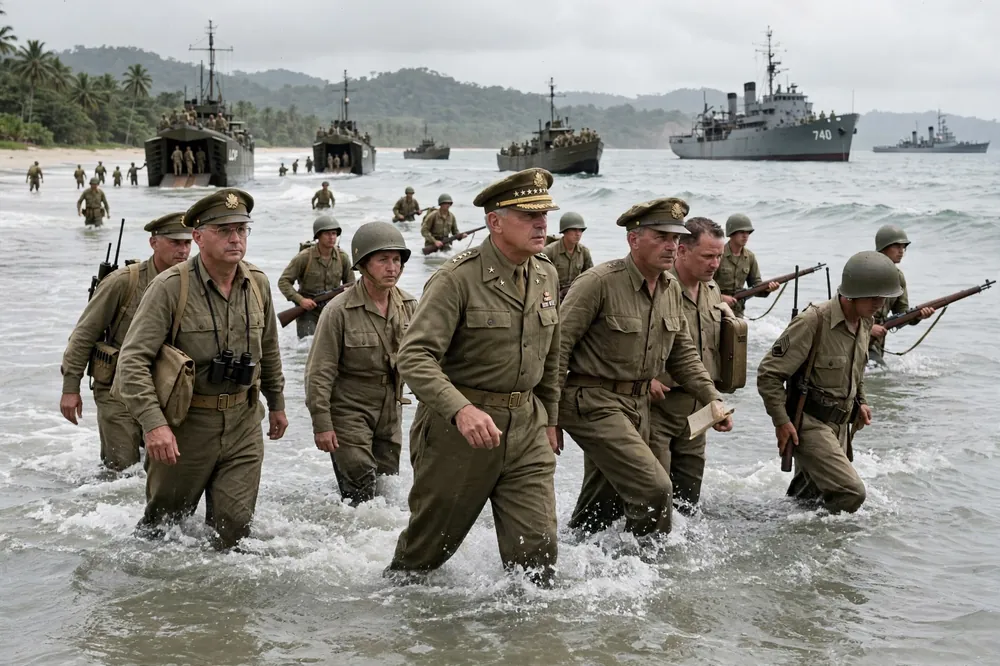
On 20 October 1944 MacArthur’s forces landed on Leyte, and MacArthur waded ashore through the surf to the beach, where he broadcast the message: “People of the Philippines, I have returned. By the grace of Almighty God our forces stand again on Philippine soil.” The landing was supported by the Seventh Fleet under Kinkaid, and the Japanese naval attempt to destroy the invasion force led to the Battle of Leyte Gulf, 23–26 October 1944, the largest naval battle of the war.
In January 1945 his forces landed at Lingayen Gulf on Luzon, and in February they entered Manila. The battle for Manila, fought from February to March 1945, was one of the most destructive urban battles of the Pacific War. Japanese forces under Rear Admiral Iwabuchi resisted in the city, and American artillery and air attack, together with Japanese demolition and the killing of civilians by Japanese troops, destroyed large parts of the city.
Civilian deaths in Manila are estimated in the literature at around 100,000, although estimates vary and the precise figure is disputed; the deaths resulted from both the fighting and the deliberate killing of civilians by Japanese forces, which was documented in the post-war war crimes trials. The recapture of the Philippines was completed with the campaigns in the southern Philippines and Borneo in 1945.
MacArthur was promoted to General of the Army, the five-star rank, in December 1944. He was designated to command the planned invasion of Japan in November 1945; when the atomic bombings of Hiroshima and Nagasaki in August 1945 were followed by Japan’s surrender, the invasion was not needed, and MacArthur accepted the surrender instead.
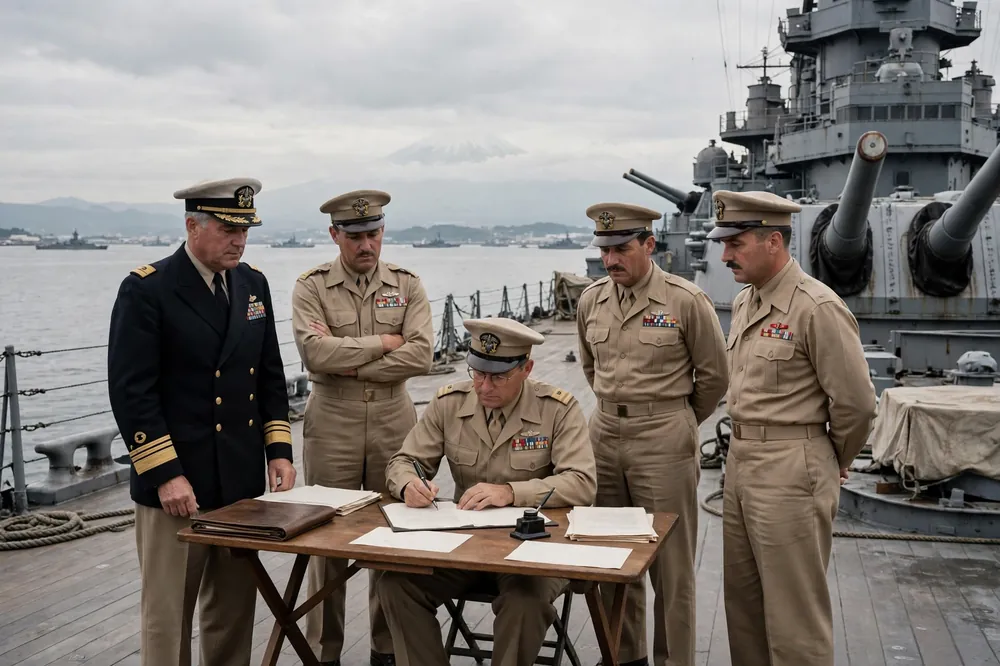
On 2 September 1945, aboard the battleship Missouri in Tokyo Bay, MacArthur presided over the formal surrender of Japan, accepting the surrender documents from the Japanese representatives. As Supreme Commander for the Allied Powers (SCAP), he then directed the occupation of Japan from 1945 to 1951, exercising authority that was, in practice, close to that of a head of government.
The occupation’s programme included the demilitarisation of Japan, the trial of war criminals before the International Military Tribunal for the Far East, land reform, the breaking up of the large industrial combines, the extension of the vote to women, and the drafting of a new constitution, adopted in 1947, which included the renunciation of war in Article 9.
One of the most consequential decisions of the occupation was the decision to retain Emperor Hirohito on the throne rather than to try him as a war criminal. MacArthur’s supporters argue that the decision made the occupation workable and secured Japanese cooperation; his critics argue that it shielded the emperor from responsibility for the war and left the question of war responsibility unresolved.
Both positions are recorded in the literature, and the documentary record shows that MacArthur advised Washington in favour of retaining the emperor. By 1951, when the occupation was approaching its end, Japan had a democratic constitution, a reformed land system and a recovering economy, and the occupation is generally assessed in the literature as one of the more successful post-war occupations, although the assessment is qualified by the criticisms noted above.
6. Key Decisions
Several decisions in MacArthur’s career have been the subject of detailed historical examination. The first is the decision, in December 1941, to withdraw to Bataan under War Plan Orange rather than to attempt a defence of the whole of Luzon.
The plan was a pre-war one, and the decision to follow it is generally described in the literature as the only practicable course given the forces available, although the execution — in particular the loss of supplies and the loss of the air force at Clark Field — has been criticised.
The second is the decision to leave the Philippines in March 1942 on Roosevelt’s orders, and to promise a return. The decision was Roosevelt’s, not MacArthur’s, but MacArthur’s public promise of return committed American strategy to the Philippines and shaped the allocation of forces in the Pacific for the next two years.
The third is the decision, in 1944, to retake the Philippines before Formosa, which MacArthur argued for on strategic and political grounds and which was accepted by the Joint Chiefs of Staff. The fourth is the decision to retain Emperor Hirohito, discussed above.
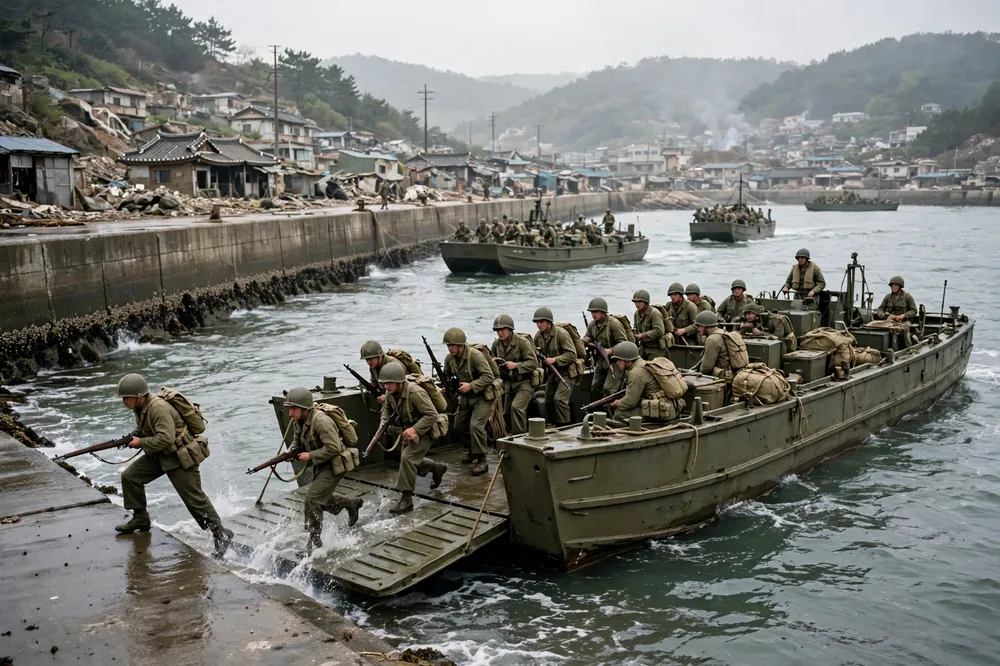
The fifth, in the Korean War, is the decision to carry out the landing at Inchon in September 1950 and, after its success, to advance into North Korea toward the Yalu River. The Inchon decision was taken against the advice of several senior officers, who regarded the landing as high-risk because of the tides and the confined harbour; its success is recorded as a fact.
The advance to the Yalu is assessed differently: MacArthur and his staff judged, on the intelligence available to them, that China would not intervene in strength; the Chinese intervention in November 1950, in large numbers, showed that judgement to have been wrong. The record shows that warnings of Chinese intervention were received and were discounted, and the question of why they were discounted remains a subject of historical analysis.
The relief was examined in public hearings held by the Senate Armed Services and Foreign Relations Committees in May and June 1951, in which MacArthur, the Joint Chiefs of Staff and administration officials testified. The hearings produced a large public record on the conduct of the Korean War and on the respective roles of the president and the theatre commander. They did not produce a shared conclusion: the committees’ members divided along the same lines as the wider public debate, and the record remains a principal source for historians of the relief.
7. Controversies
The controversies of MacArthur’s career are numerous, and they are best stated as a series of questions on which the sources differ. The loss of the air force at Clark Field on 8 December 1941: accounts differ on the chain of responsibility, and the sources do not assign it to a single decision.
The nickname “Dugout Doug” and the criticism that MacArthur rarely visited the front on Bataan: the nickname is documented, and the infrequency of his visits is documented; his supporters argue that his place was at his headquarters, and his critics argue that a theatre commander should have been seen by his troops.
The Bonus Army operation of 1932: the facts — that MacArthur commanded the troops, that two veterans were killed, and that the camp was burned — are not disputed; what is disputed is whether MacArthur exceeded his orders, since President Hoover’s instructions were to clear the camp but, according to the record, MacArthur continued the operation across the Anacostia River after being ordered to stop.
The occupation of Japan and the retention of the emperor: the two positions are set out above. The Korean War: the advance to the Yalu and the handling of the Chinese intervention are assessed in the literature as an intelligence failure, with disagreement over whether the failure lay in the collection of intelligence, in its interpretation at MacArthur’s headquarters, or in the political assumptions underlying the advance.
His relief by Truman: the facts are not disputed — Truman relieved him on 11 April 1951, with the agreement of the Joint Chiefs of Staff — but the interpretation is. Truman’s stated reasons were MacArthur’s public disagreement with administration policy and his unwillingness to conduct a limited war; MacArthur’s supporters have argued that his views on the conduct of the war were correct and that his relief was political; Truman’s supporters have argued that it was a necessary assertion of civilian control.
The historical literature treats the relief as a defining case of civilian control of the military, and assessments of its wisdom continue to differ.
8. Later Life and Death
After his relief, MacArthur returned to the United States, where he was received with public demonstrations of support, and on 19 April 1951 he addressed a joint session of Congress, concluding with the words: “Old soldiers never die; they just fade away.” He did not return to active service. He served as chairman of the board of the Remington Rand Corporation and was involved in veterans’ and civic organisations.
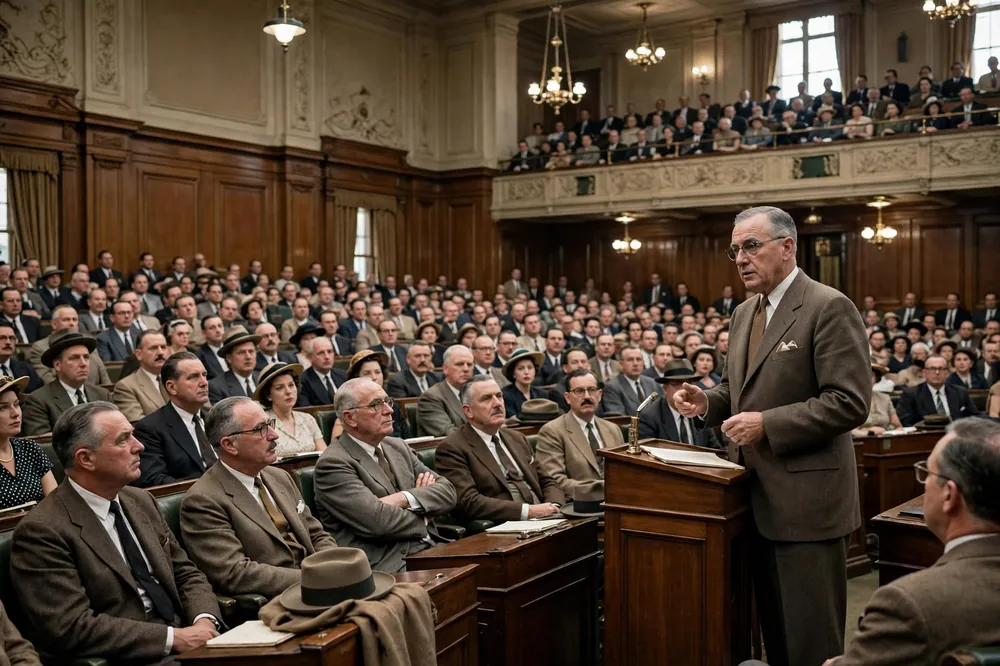
On 12 May 1962, at the age of 82, he returned to West Point to receive the Sylvanus Thayer Award and delivered, without notes, the address known by its refrain, “Duty, Honor, Country”. He died at Walter Reed Army Medical Center in Washington, D.C., on 5 April 1964, aged 84.
He was buried at the MacArthur Memorial in Norfolk, Virginia, in the rotunda of the former Norfolk courthouse, where his papers and records are preserved. His wife Jean survived him, and his son Arthur MacArthur IV lived a private life away from public attention.
In his later years MacArthur served as chairman of the board of the Remington Rand Corporation, a post he held through the 1950s, and he published his memoirs, Reminiscences, in 1964, the year of his death. The memoirs present his account of the Philippines, the occupation of Japan and the Korean War, and they are cited in the literature as a primary source that must be read alongside the official records, which differ from his account on several points, including the loss of the air force at Clark Field.
9. Legacy
MacArthur’s legacy is a divided one, and the division is part of the legacy. In the Philippines he is remembered for the return of 1944 and for the liberation of the islands, and his name is preserved in the MacArthur Memorial in Norfolk and in the memorials at Leyte.
In Japan the occupation he directed is remembered for the constitution of 1947, land reform and the extension of the vote to women, and the Japanese name sometimes applied to him, “the foreign shogun”, is recorded in the literature as a description used by Japanese commentators of the period.
In the United States his relief by Truman is taught in military and civilian institutions as the defining case of civilian control of the military. The Inchon landing is studied in staff colleges as an example of an amphibious operation carried out against professional advice and against difficult tidal conditions, and the advance to the Yalu is studied as an example of intelligence failure.
His papers, held at the MacArthur Memorial Archives in Norfolk, are a principal source for the history of the Pacific War and of the occupation of Japan. The “Duty, Honor, Country” address of 1962 is still quoted at West Point.
Assessments of his generalship continue to differ, and that continuing difference is itself the most durable part of his record: there is no other American general of the Second World War about whom the literature is so divided.
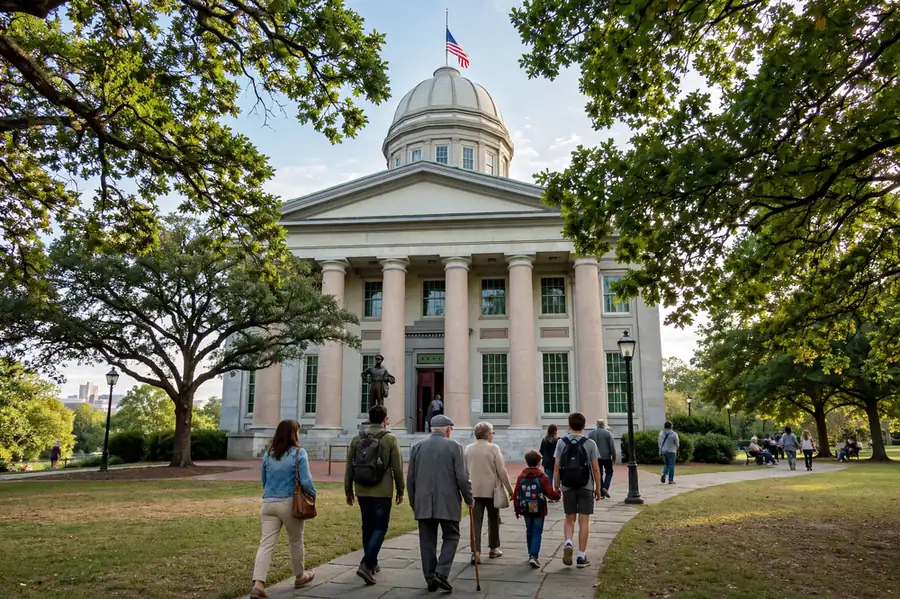
In the Philippines, the memory of MacArthur is a public one: the landing at Leyte on 20 October 1944 is commemorated at the MacArthur Landing Memorial National Park at Palo, Leyte, where statues of MacArthur and his staff wading ashore reproduce the image of the return. The anniversary of the landing is observed locally, and the memorial is a site of official ceremony. In the United States, the MacArthur Memorial in Norfolk, Virginia, holds his papers and his medals, and the ‘Duty, Honor, Country’ address is part of the academy’s tradition at West Point.
10. Assessment by Historians
Historians’ assessments of MacArthur fall into two broad groups, and the literature has not reconciled them. The first group, represented by the biographer William Manchester in American Caesar (1978), presents MacArthur as a commander of unusual ability whose faults were the faults of his strengths — a view that emphasises the return to the Philippines, the occupation of Japan and the Inchon landing, and treats the failures as the consequences of the same qualities that produced the successes.
The second group, represented by the official histories and by a number of academic biographers, presents a more critical assessment: that MacArthur’s record in the Philippines in 1941–1942 included serious errors, that the Philippines campaign of 1944–1945 was costly in ways that have been questioned, and that the Korean War ended, for him, in an intelligence failure and in relief. D.
Clayton James’s three-volume biography (1970–1985) is the fullest scholarly account and is often cited as the most balanced: it documents the achievements and the errors in detail and concludes that MacArthur’s place in American military history is a major one, but that it is not an unqualified one.
More recent scholarship has added two points: that the occupation of Japan, long treated as MacArthur’s most successful post-war achievement, depended on the work of a large staff and on Japanese cooperation, and that the relief by Truman, long treated as a political act, is now more often treated as a constitutional one.
The assessment that commands the widest agreement is a limited one: that MacArthur was a commander of considerable ability in operations of his own choosing, that his judgement was less reliable when it depended on intelligence about an adversary’s intentions, and that his career illustrates both the possibilities and the limits of a theatre commander operating at a distance from his government.
Frequently Asked Questions
Who was Douglas MacArthur? Douglas MacArthur was an American general who commanded the Southwest Pacific Area in the Second World War, accepted Japan’s surrender in 1945, directed the occupation of Japan, and commanded United Nations forces in the Korean War until President Truman relieved him in April 1951.
What did MacArthur mean by “I shall return”? On leaving the Philippines for Australia in March 1942, MacArthur said, “I came through and I shall return.” The statement was a public commitment to retake the Philippines, which he did with the landings on Leyte on 20 October 1944.
Why was Douglas MacArthur relieved of command in Korea? President Truman relieved him on 11 April 1951, with the agreement of the Joint Chiefs of Staff. Truman’s stated reasons were MacArthur’s public disagreement with administration policy and his unwillingness to conduct a limited war. The relief is treated in the literature as a defining case of civilian control of the military.
What was MacArthur’s role in the occupation of Japan? As Supreme Commander for the Allied Powers from 1945 to 1951, he directed the occupation, including demilitarisation, war crimes trials, land reform, women’s suffrage and the drafting of the 1947 constitution. He also decided to retain Emperor Hirohito on the throne, a decision that remains debated.
What happened at the Battle of Manila? From February to March 1945, American forces fought Japanese forces under Rear Admiral Iwabuchi in Manila. Large parts of the city were destroyed by artillery, air attack and demolition, and many civilians were killed — by the fighting and by deliberate killings by Japanese troops. Civilian deaths are estimated at around 100,000, although estimates vary.
When did Douglas MacArthur die? He died on 5 April 1964 at Walter Reed Army Medical Center in Washington, D.C., aged 84, and was buried at the MacArthur Memorial in Norfolk, Virginia.
Related articles
Sources
- Wikipedia, “Douglas MacArthur” — dates, commands, career outline and controversies, cross-checked against the sources below.
- Encyclopædia Britannica, “Douglas MacArthur” (britannica.com) — biography, Southwest Pacific, occupation of Japan and Korean War.
- D. Clayton James, The Years of MacArthur, 3 vols. (Houghton Mifflin, 1970–1985) — the fullest scholarly biography.
- William Manchester, American Caesar: Douglas MacArthur, 1880–1964 (Little, Brown, 1978).
- MacArthur Memorial Archives, Norfolk, Virginia (macarthurmemorial.org) — papers, the 1942 “I shall return” statement, and the records of the occupation.
- Samuel Eliot Morison, History of United States Naval Operations in World War II, Vol. XIII, The Liberation of the Philippines (Little, Brown, 1959) — Leyte and the Philippines campaign.
- U.S. Army Center of Military History, “The Occupation of Japan” and Korean War histories — SCAP programme and the relief of 11 April 1951.
Further reading
- Douglas MacArthur, Reminiscences (McGraw-Hill, 1964).
- Richard B. Frank, MacArthur (Palgrave Macmillan, 2007).
- Michael Schaller, Douglas MacArthur: The Far Eastern General (Oxford University Press, 1989).