 WAR ATLAS MILITARY HISTORY MAGAZINE · WWI — WWII
U-505
1. Lead
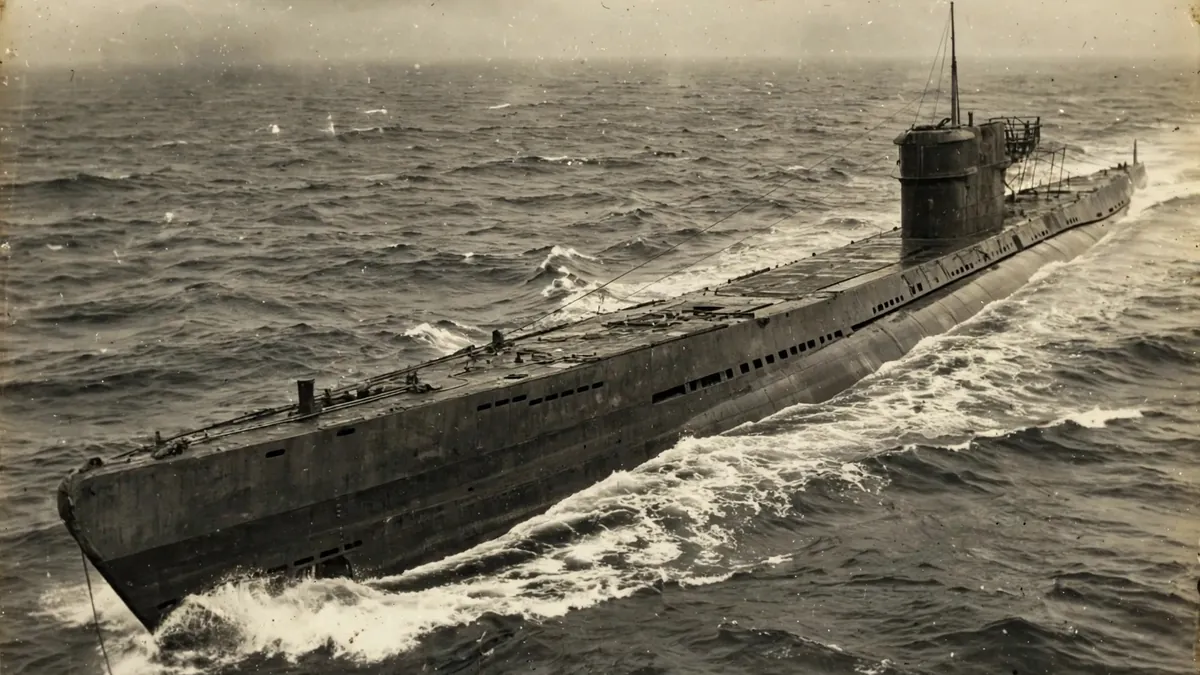
The U-505 was a German Type IXC U-boat of the Second World War, and it is famous as the first enemy warship to be captured by the United States Navy on the high seas since the War of 1812. Built by Deutsche Werft in Hamburg and commissioned on 26 August 1941, U-505 made twelve war patrols in the Atlantic and in the Caribbean, sank eight Allied merchant ships totalling about 45,000 tons, and was then captured on 4 June 1944 by the hunter-killer group of the escort carrier USS Guadalcanal, under Captain Daniel Gallery, off the coast of West Africa. The American boarding party, led by Lieutenant Albert David, reached the U-boat before its crew could scuttle it, and they recovered its Enigma cipher machine, its codebooks and its secret documents, which were of immense value to Allied intelligence. The U-boat was towed secretly to Bermuda, its crew was held in isolation so that Germany would not learn that it had been captured, and after the war the boat was given to the Museum of Science and Industry in Chicago, where it has been on display since 1954 and where it remains one of the most visited museum ships in the United States.
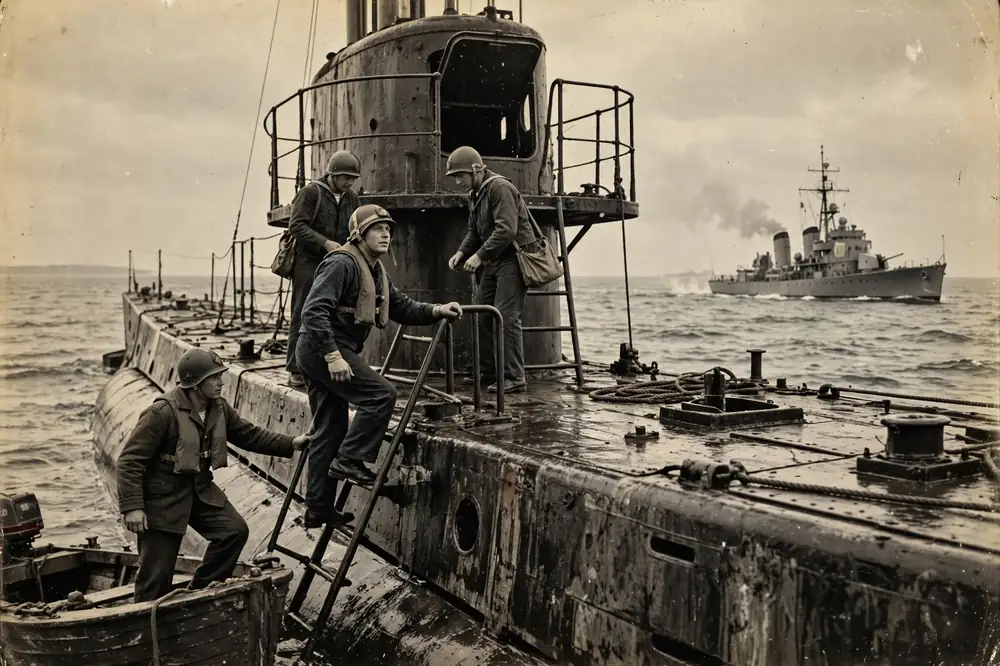
The story of U-505 is a story of the Battle of the Atlantic, of the hunter-killer groups that the United States Navy developed to fight the U-boats, and of the intelligence war that was fought alongside the war at sea. The capture was not an accident: Captain Gallery had trained his group for months to capture a U-boat intact, and he had drilled his boarding party in the skills they would need to enter a U-boat, to close its sea valves, to secure its codebooks and to keep it afloat. The capture of U-505 was the only time in the Second World War that an Allied boarding party captured a U-boat at sea, and it was one of the most dramatic actions of the Atlantic war. Today the U-boat, preserved in a purpose-built underground hall in Chicago, is a memorial to the men who served in it, to the men who captured it, and to the thousands of sailors who died in the Battle of the Atlantic.
2. Key Facts
| Type | Type IXC U-boat (ocean-going submarine) |
| Origin | Germany |
| Builder | Deutsche Werft, Hamburg |
| Launched | 25 May 1941 |
| Commissioned | 26 August 1941 |
| Captured | 4 June 1944 |
| Displacement | 1,120 tons surfaced; 1,232 tons submerged |
| Length | 76.76 m |
| Beam | 6.76 m |
| Draught | 4.70 m |
| Crew | 48 (59 men aboard at capture) |
| Propulsion | 2 × MAN diesel engines, 4,400 hp surfaced; 2 × electric motors, 1,000 hp submerged |
| Speed | 18.3 knots surfaced; 7.3 knots submerged |
| Range | About 13,450 nautical miles at 10 knots surfaced |
| Test depth | 230 m |
| Armament | 6 × 533 mm torpedo tubes (4 bow, 2 stern); 22 torpedoes; 1 × 105 mm deck gun; 1 × 37 mm AA gun; 1 × 20 mm AA gun |
| Ships sunk | 8 ships, about 45,000 tons |
| Commanders | Axel-Olaf Loewe; Peter Zschech; Harald Lange |
3. Background and Development
The Type IX U-Boat
The Type IX U-boat was the ocean-going submarine of the German Navy, designed for long patrols far from home, in the Atlantic, in the Caribbean and in the Indian Ocean. The Type IXC, of which U-505 was an example, was the most numerous version of the type, with 54 boats built, and it was larger and longer-ranged than the Type VII, which was the workhorse of the U-boat fleet, but which was designed for shorter patrols in the North Atlantic. The Type IXC displaced 1,120 tons on the surface and 1,232 tons submerged, it was 76.76 metres long, and it had a range of about 13,450 nautical miles at 10 knots on the surface, which allowed it to patrol off the coast of the United States, in the Caribbean and off West Africa, where the Type VII could not reach. The Type IX was armed with six torpedo tubes, four in the bow and two in the stern, and it carried 22 torpedoes, a 105 mm deck gun and anti-aircraft guns, and it was crewed by 48 to 56 men.
Building U-505
U-505 was built at Deutsche Werft in Hamburg, and this section explains how the boat was constructed and who commanded her in her first years, because both shaped the U-boat that was captured in June 1944. The first part covers Deutsche Werft, Hamburg: U-505 was built by Deutsche Werft in Hamburg, one of the main builders of U-boats, and it was launched on 25 May 1941 and commissioned on 26 August 1941, under the command of Kapitänleutnant Axel-Olaf Loewe. The boat’s construction was typical of the Type IXC: a double-hulled design, with a pressure hull inside an outer hull, diesel engines for surface running and electric motors for submerged running, and batteries that were charged by the diesels when the boat was on the surface. The boat’s crew lived in cramped conditions, with bunks shared between men on different watches, with little fresh water and with food that deteriorated on long patrols, and the boat’s patrols, which lasted for weeks, were hard on men and on machines alike. U-505 was one of the last U-boats to be built before the Allied bombing of Hamburg damaged the shipyards, and it was a product of the German shipbuilding industry at its peak. The second part introduces the first commanders: U-505’s first commander, Axel-Olaf Loewe, took the boat on its first patrols, and he was succeeded in 1942 by Peter Zschech, who commanded the boat during its most successful period, and who was killed in October 1943, when U-505 was attacked by depth charges and Zschech, believing the boat was lost, shot himself in the control room. The boat’s last commander was Harald Lange, who was in command when U-505 was captured in June 1944, and who was wounded in the attack and was taken prisoner with his crew. The three commanders were typical of the U-boat service: young, highly trained, and willing to take their boats far from home on patrols that lasted for months, and the loss of Zschech, who was one of the most experienced commanders in the U-boat fleet, was a blow to the boat and to its crew, who never fully recovered from his death.
Deutsche Werft, Hamburg
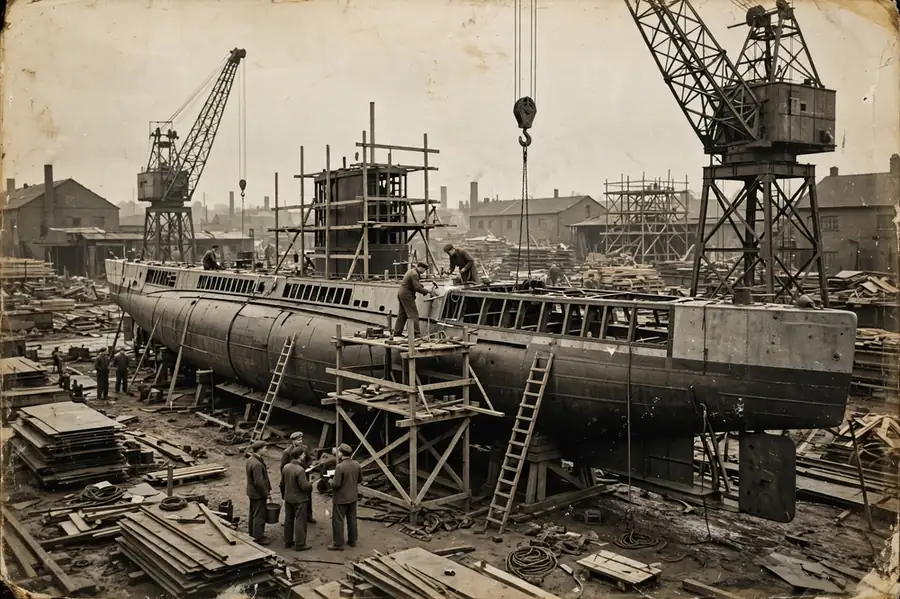
U-505 was built by Deutsche Werft in Hamburg, one of the main builders of U-boats, and it was launched on 25 May 1941 and commissioned on 26 August 1941, under the command of Kapitänleutnant Axel-Olaf Loewe. The boat’s construction was typical of the Type IXC: a double-hulled design, with a pressure hull inside an outer hull, diesel engines for surface running and electric motors for submerged running, and batteries that were charged by the diesels when the boat was on the surface. The boat’s crew lived in cramped conditions, with bunks shared between men on different watches, with little fresh water and with food that deteriorated on long patrols, and the boat’s patrols, which lasted for weeks, were hard on men and on machines alike. U-505 was one of the last U-boats to be built before the Allied bombing of Hamburg damaged the shipyards, and it was a product of the German shipbuilding industry at its peak.
The First Commanders
U-505’s first commander, Axel-Olaf Loewe, took the boat on its first patrols, and he was succeeded in 1942 by Peter Zschech, who commanded the boat during its most successful period, and who was killed in October 1943, when U-505 was attacked by depth charges and Zschech, believing the boat was lost, shot himself in the control room. The boat’s last commander was Harald Lange, who was in command when U-505 was captured in June 1944, and who was wounded in the attack and was taken prisoner with his crew. The three commanders were typical of the U-boat service: young, highly trained, and willing to take their boats far from home on patrols that lasted for months, and the loss of Zschech, who was one of the most experienced commanders in the U-boat fleet, was a blow to the boat and to its crew, who never fully recovered from his death.
The Battle of the Atlantic
U-505 was commissioned at a time when the U-boats were winning the Battle of the Atlantic, and when German submarines were sinking Allied merchant ships faster than the Allies could build them. The boat’s first patrols were in the Atlantic and in the Caribbean, where it sank eight merchant ships, and where it operated as part of the wolf packs that attacked Allied convoys. By 1943, however, the Allies had developed new weapons against the U-boats — radar, sonar, escort carriers, long-range aircraft and the hunter-killer groups that hunted U-boats with aircraft and destroyers — and the U-boats were losing the battle. U-505’s later patrols were less successful, and the boat was attacked again and again, until it was finally captured in June 1944, a month after the Allies had landed in Normandy and the Battle of the Atlantic had been effectively won.
4. Design
Hull and Propulsion
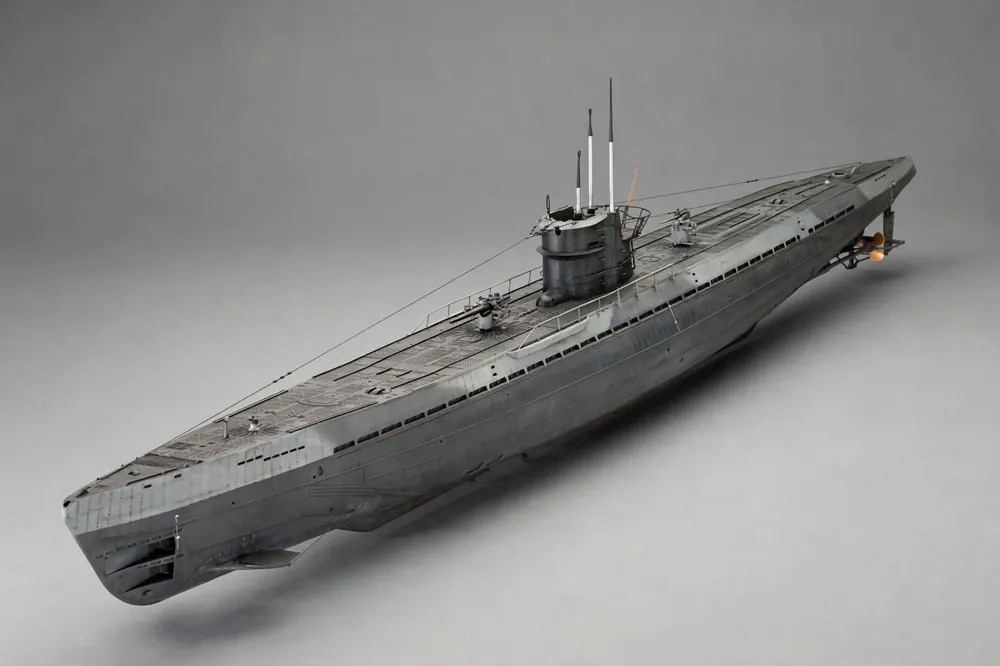
The Type IXC was a double-hulled submarine, with a pressure hull of about 58 metres in length inside an outer hull of 76.76 metres, and with ballast tanks between the two hulls that were flooded to dive and blown with compressed air to surface. The boat was powered on the surface by two MAN diesel engines, which gave a total of 4,400 horsepower and a surface speed of 18.3 knots, and submerged by two electric motors, which gave 1,000 horsepower and a submerged speed of 7.3 knots. The boat’s batteries, which powered the electric motors, were charged by the diesels when the boat was on the surface, and the boat could remain submerged for about a day at low speed, before it had to surface to recharge its batteries and to renew its air. The boat’s test depth was 230 metres, although U-boats sometimes dived deeper in an emergency, and the boat’s crew of 48 to 56 men lived in the pressure hull, in conditions that were cramped, damp and noisy.
Armament and Sensors
U-505’s weapons and sensors decided what she could do at sea and why the Americans wanted her intact, and this section explains both, from the torpedo tubes to the Enigma machine. The first part covers torpedoes and the deck gun: U-505 was armed with six 533 mm torpedo tubes, four in the bow and two in the stern, and it carried 22 torpedoes, which were its main weapon against merchant ships and against warships. The torpedoes were of the G7a and G7e types, with a range of up to 12,500 metres and a warhead of about 280 kilograms of explosive, and they were fired from the tubes by compressed air, after the boat’s torpedo crew had set their depth, their speed and their course. The boat also carried a 105 mm deck gun, which was used to sink merchant ships that had been stopped by torpedoes, or to attack ships that were too small to be worth a torpedo, and anti-aircraft guns, a 37 mm gun and a 20 mm gun, which were used against Allied aircraft, although the boat’s best defence against aircraft was to dive, and the guns were of limited use. The boat’s armament was typical of the Type IXC, and it was enough to sink the eight merchant ships that U-505 claimed, but it was not enough to fight a warship, and U-505 never engaged a warship in a surface action. The second part turns to sensors and the Enigma machine: U-505 was fitted with a hydrophone array, which allowed it to listen for the propellers of ships, and with a periscope, which allowed it to see ships on the surface when it was submerged, and with a radio, which allowed it to receive orders from the U-boat command in France and to report its position and its successes. The boat also carried an Enigma cipher machine, which was used to encode and decode its radio messages, and the codebooks and the documents that were needed to use the machine, which were kept in the control room and in the captain’s cabin. The Enigma machine and its codebooks were the boat’s most important cargo, and they were the reason why the American boarding party risked their lives to capture the boat intact, because the capture of the machine and its documents would allow the Allies to read German naval messages and to know where the U-boats were and where they were going.
Torpedoes and the Deck Gun
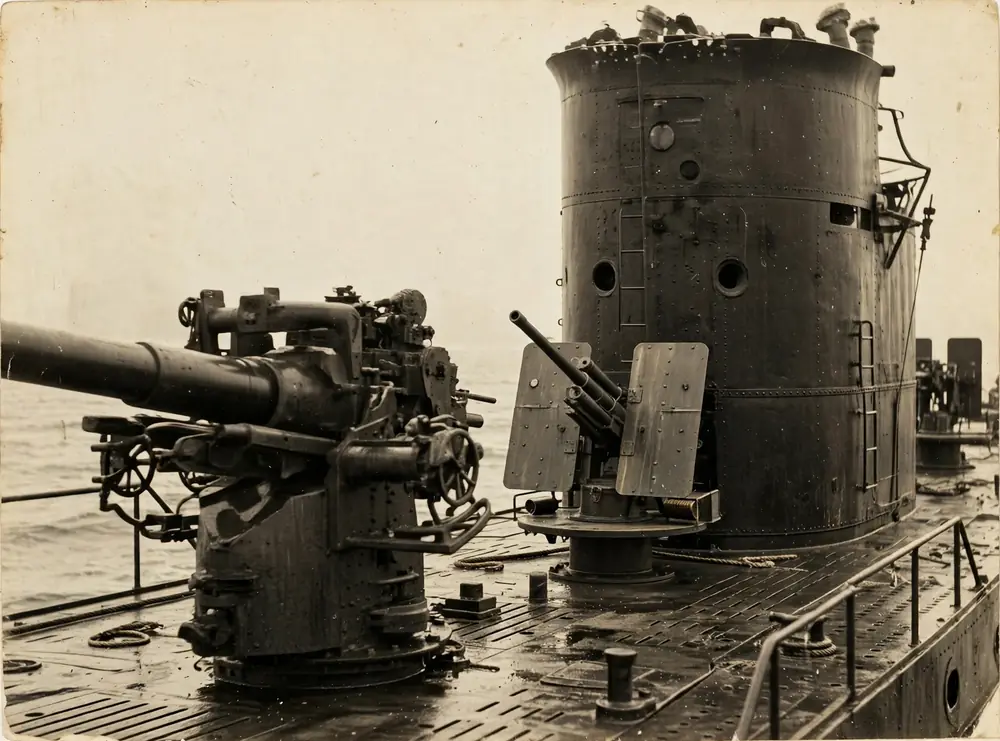
U-505 was armed with six 533 mm torpedo tubes, four in the bow and two in the stern, and it carried 22 torpedoes, which were its main weapon against merchant ships and against warships. The torpedoes were of the G7a and G7e types, with a range of up to 12,500 metres and a warhead of about 280 kilograms of explosive, and they were fired from the tubes by compressed air, after the boat’s torpedo crew had set their depth, their speed and their course. The boat also carried a 105 mm deck gun, which was used to sink merchant ships that had been stopped by torpedoes, or to attack ships that were too small to be worth a torpedo, and anti-aircraft guns — a 37 mm gun and a 20 mm gun — which were used against Allied aircraft, although the boat’s best defence against aircraft was to dive, and the guns were of limited use. The boat’s armament was typical of the Type IXC, and it was enough to sink the eight merchant ships that U-505 claimed, but it was not enough to fight a warship, and U-505 never engaged a warship in a surface action.
Sensors and the Enigma Machine
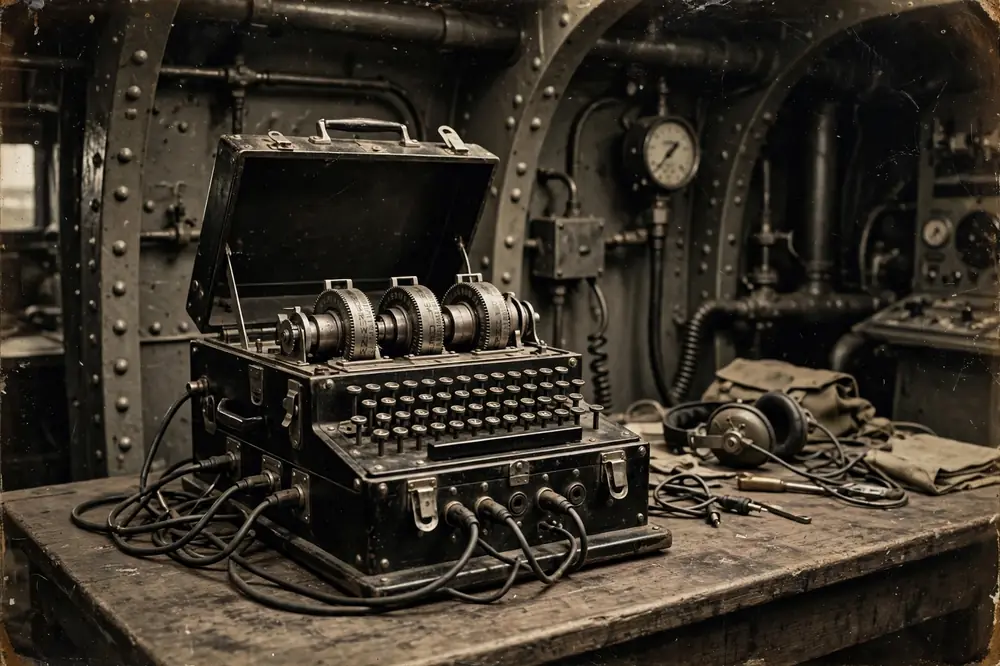
U-505 was fitted with a hydrophone array, which allowed it to listen for the propellers of ships, and with a periscope, which allowed it to see ships on the surface when it was submerged, and with a radio, which allowed it to receive orders from the U-boat command in France and to report its position and its successes. The boat also carried an Enigma cipher machine, which was used to encode and decode its radio messages, and the codebooks and the documents that were needed to use the machine, which were kept in the control room and in the captain’s cabin. The Enigma machine and its codebooks were the boat’s most important cargo, and they were the reason why the American boarding party risked their lives to capture the boat intact, because the capture of the machine and its documents would allow the Allies to read German naval messages and to know where the U-boats were and where they were going.
Life Aboard a U-Boat
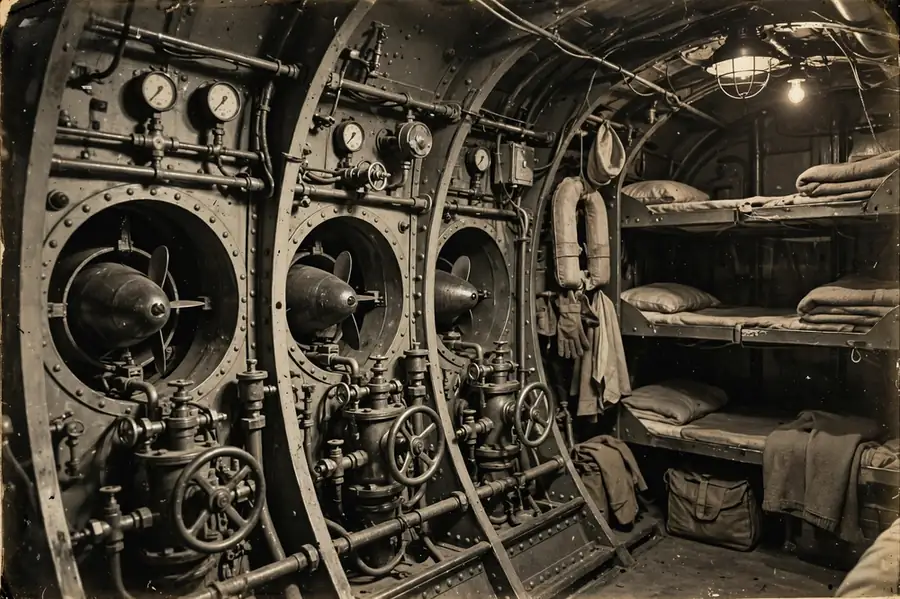
Life aboard U-505 was hard, and it was typical of life aboard a U-boat. The crew of 48 to 56 men lived in a pressure hull that was about 58 metres long and about 4.5 metres in diameter, with bunks that were shared between men on different watches, with a single toilet for the whole crew, with little fresh water and with food that was fresh for the first days of a patrol and canned or preserved for the rest. The boat was damp, it was noisy, and it smelled of diesel, of sweat and of unwashed bodies, and the men who served in it were young, they were highly trained, and they knew that their chances of survival were poor: of the 40,000 men who served in the U-boat service, about 30,000 died, a casualty rate of about 75 per cent, the highest of any service in the Second World War. The men of U-505, who survived the war as prisoners, were among the lucky ones.
5. Variants
The Type IX Family
| Variant | Years | Key features | Production |
|---|---|---|---|
| Type IX | 1938–1939 | Original ocean-going design; 8 built | 8 |
| Type IXB | 1939–1940 | Longer range; 14 built | 14 |
| Type IXC | 1941–1942 | Most numerous; 54 built; U-505 was a IXC | 54 |
| Type IXC/40 | 1942–1944 | Slightly larger; longer range; 87 built | 87 |
| Type IXD | 1942–1944 | Long-range; larger; 30 built | 30 |
| Type IXD2 | 1942–1944 | Longest range; Indian Ocean operations | Included above |
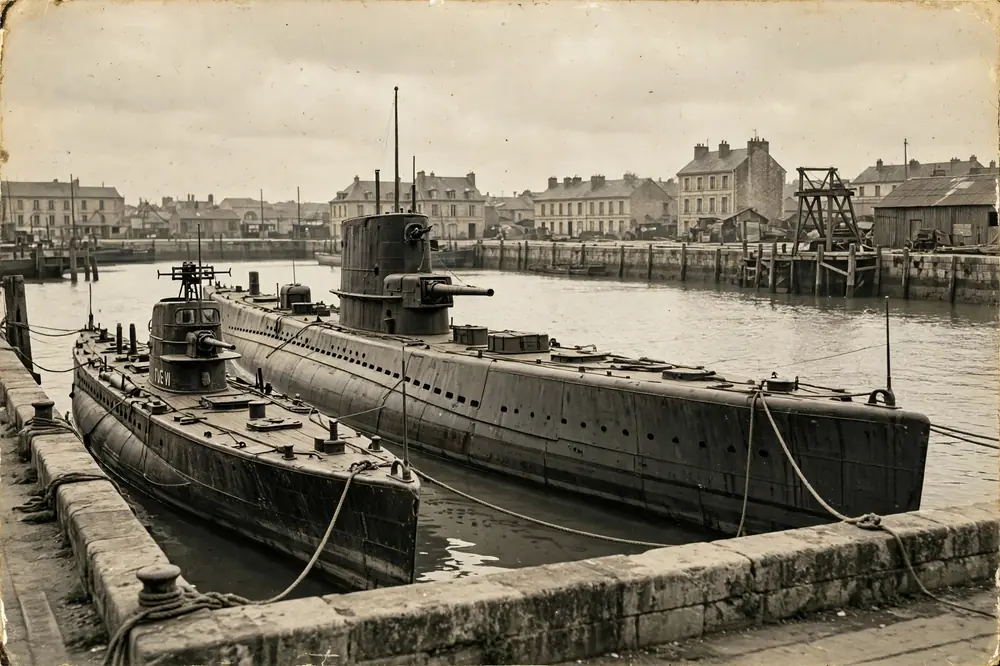
The Type IX family was the ocean-going branch of the German U-boat fleet, and U-505 was a Type IXC, the most numerous version, with 54 boats built. The Type IXC was an improvement on the Type IXB, with a larger fuel capacity and a longer range, and it was followed by the Type IXC/40, which was slightly larger and had an even longer range, and by the Type IXD, which was designed for operations in the Indian Ocean and which had a range of more than 20,000 nautical miles. The Type IX boats were larger and more comfortable than the Type VII, but they were slower to dive, they were easier to detect, and they were less manoeuvrable, and they were used for the long patrols in the Atlantic, in the Caribbean and in the Indian Ocean, where their range was needed and where the Type VII could not reach.
U-505 Among Its Sisters
U-505 was one boat among many Type IXCs, and this section explains what, if anything, set her apart from her sisters, and what happened to the rest of the Type IX fleet. The first part asks what made U-505 different, and the answer is that she was not different from her sister boats in design, and she was not the most successful Type IXC in terms of ships sunk: other Type IXC boats sank more ships and more tonnage, and U-505’s record of eight ships and about 45,000 tons was respectable but not outstanding. What made U-505 different was its capture, and the fact that it was the only U-boat to be captured intact by the Allies in the Second World War, and the fact that its capture gave the Allies the Enigma machine and the codebooks that helped them to read German naval messages. U-505’s sisters were sunk, one after another, in the Atlantic, in the Caribbean and in the Indian Ocean, and most of them lie on the seabed, with their crews, while U-505 survives in Chicago, as a museum ship and as a memorial to the men who served in the U-boat service and to the men who fought against them. The second part covers the fate of the Type IX fleet: of the 54 Type IXC boats built, most were sunk during the war, and only a handful survived to be surrendered at the end of the war, when they were scuttled by the Allies in Operation Deadlight or were used for trials and then scrapped. The Type IXC/40 and the Type IXD boats suffered the same fate, and the Type IX family, which had been the pride of the German U-boat fleet in 1941, was destroyed by 1945, along with the rest of the U-boat service. The survival of U-505 is therefore an accident of history: it survived because it was captured, and it was captured because Captain Gallery had trained his men to capture a U-boat, and because the American boarding party reached it before its crew could scuttle it. The boat’s survival is a reminder that history is made by men and by decisions, as much as by machines.
What Made U-505 Different
U-505 was not different from its sister boats in design, and it was not the most successful Type IXC in terms of ships sunk: other Type IXC boats sank more ships and more tonnage, and U-505’s record of eight ships and about 45,000 tons was respectable but not outstanding. What made U-505 different was its capture, and the fact that it was the only U-boat to be captured intact by the Allies in the Second World War, and the fact that its capture gave the Allies the Enigma machine and the codebooks that helped them to read German naval messages. U-505’s sisters were sunk, one after another, in the Atlantic, in the Caribbean and in the Indian Ocean, and most of them lie on the seabed, with their crews, while U-505 survives in Chicago, as a museum ship and as a memorial to the men who served in the U-boat service and to the men who fought against them.
The Fate of the Type IX Fleet
Of the 54 Type IXC boats built, most were sunk during the war, and only a handful survived to be surrendered at the end of the war, when they were scuttled by the Allies in Operation Deadlight or were used for trials and then scrapped. The Type IXC/40 and the Type IXD boats suffered the same fate, and the Type IX family, which had been the pride of the German U-boat fleet in 1941, was destroyed by 1945, along with the rest of the U-boat service. The survival of U-505 is therefore an accident of history: it survived because it was captured, and it was captured because Captain Gallery had trained his men to capture a U-boat, and because the American boarding party reached it before its crew could scuttle it. The boat’s survival is a reminder that history is made by men and by decisions, as much as by machines.
6. Operational History
The Early Patrols, 1941–1942
U-505’s first patrols were in the Atlantic and in the Caribbean, where it sank eight merchant ships, including the British ship Royston Grange, the American ship Thomas McKean and the Norwegian ship Benwood, which was sunk off the coast of Florida in April 1942. The boat operated as part of the wolf packs that attacked Allied convoys, and it was successful in the first year of its service, when the Allies had few escorts and when the U-boats could attack convoys with relative impunity. The boat’s commanders, Loewe and then Zschech, were experienced and aggressive, and they took the boat close to the coast of the United States, where it sank ships in sight of land, and where it operated in the Caribbean, where it sank ships carrying oil and supplies to the Allies. The boat’s early success was typical of the U-boats in 1942, when they sank more Allied ships than in any other year of the war.
The Turning Point, 1943
By 1943 the Battle of the Atlantic had turned against the U-boats, and this section follows U-505 through the year that broke her, from the depth-charge attack that killed her commander to the last patrols that led to her capture. The first part covers the attacks and the death of Zschech: in 1943 the Allies’ new weapons began to tell, and U-505 was attacked again and again by aircraft and by destroyers, and its patrols became less successful. In October 1943, the boat was attacked by depth charges from British destroyers, and it was forced to the surface, where it was attacked by aircraft, and its commander, Peter Zschech, believing that the boat was lost, shot himself in the control room, in front of his crew. The boat’s first officer, Paul Meyer, took command and managed to dive the boat and to escape, but the boat was badly damaged, and it had to return to France for repairs. The death of Zschech was a blow to the boat and to its crew, and it was a sign of the pressure that U-boat commanders were under, as the Allies’ weapons improved and the U-boats’ chances of survival declined. The boat never fully recovered from the loss of its commander, and its later patrols were less aggressive and less successful. The second part follows the last patrols: U-505’s last patrols, under Harald Lange, were in the Atlantic off West Africa, where the boat was hunting for Allied merchant ships and where it was itself hunted by the hunter-killer group of the escort carrier USS Guadalcanal. The boat had made twelve patrols, it had sunk eight ships, and it was on its twelfth patrol when it was found by the Guadalcanal’s aircraft on 4 June 1944. The boat’s crew, who were tired and who had been at sea for weeks, did not know that they were being hunted, and they were surprised when the American destroyer escorts attacked them with depth charges and forced them to the surface. The boat’s last patrol was its last, and it ended not with the boat’s sinking, but with its capture, which was a fate that no other U-boat suffered in the Second World War.
Attacks and the Death of Zschech
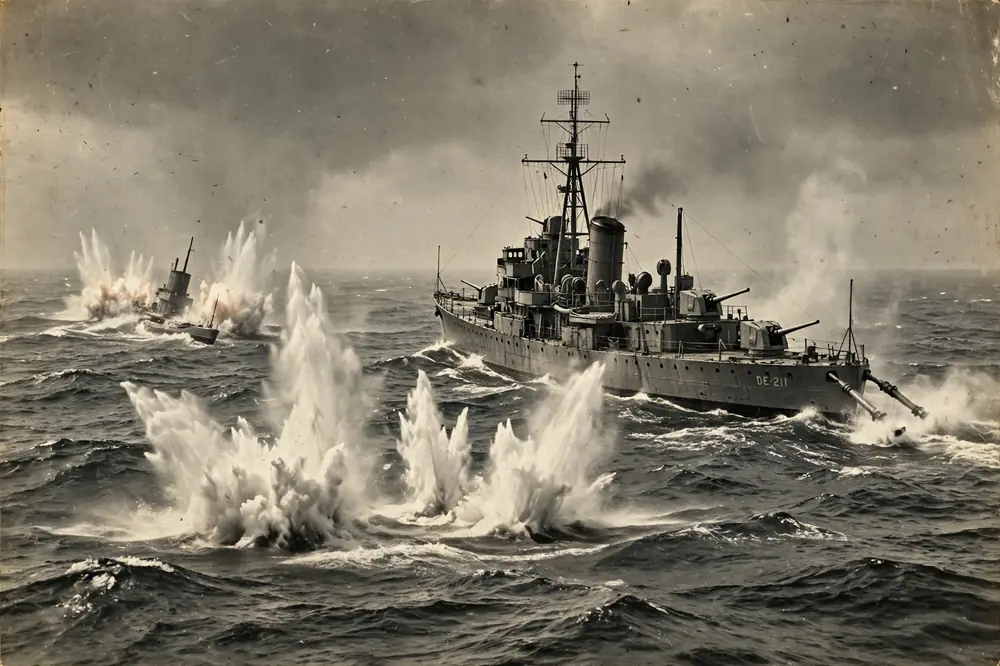
In 1943 the Allies’ new weapons began to tell, and U-505 was attacked again and again by aircraft and by destroyers, and its patrols became less successful. In October 1943, the boat was attacked by depth charges from British destroyers, and it was forced to the surface, where it was attacked by aircraft, and its commander, Peter Zschech, believing that the boat was lost, shot himself in the control room, in front of his crew. The boat’s first officer, Paul Meyer, took command and managed to dive the boat and to escape, but the boat was badly damaged, and it had to return to France for repairs. The death of Zschech was a blow to the boat and to its crew, and it was a sign of the pressure that U-boat commanders were under, as the Allies’ weapons improved and the U-boats’ chances of survival declined. The boat never fully recovered from the loss of its commander, and its later patrols were less aggressive and less successful.
The Last Patrols
U-505’s last patrols, under Harald Lange, were in the Atlantic off West Africa, where the boat was hunting for Allied merchant ships and where it was itself hunted by the hunter-killer group of the escort carrier USS Guadalcanal. The boat had made twelve patrols, it had sunk eight ships, and it was on its twelfth patrol when it was found by the Guadalcanal‘s aircraft on 4 June 1944. The boat’s crew, who were tired and who had been at sea for weeks, did not know that they were being hunted, and they were surprised when the American destroyer escorts attacked them with depth charges and forced them to the surface. The boat’s last patrol was its last, and it ended not with the boat’s sinking, but with its capture, which was a fate that no other U-boat suffered in the Second World War.
The Capture, 4 June 1944
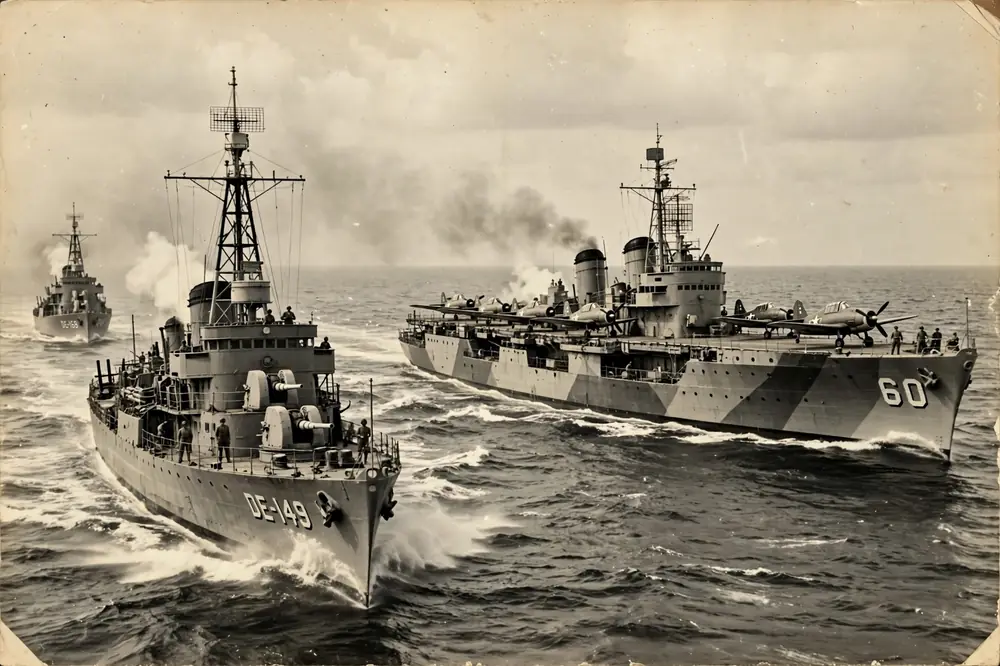
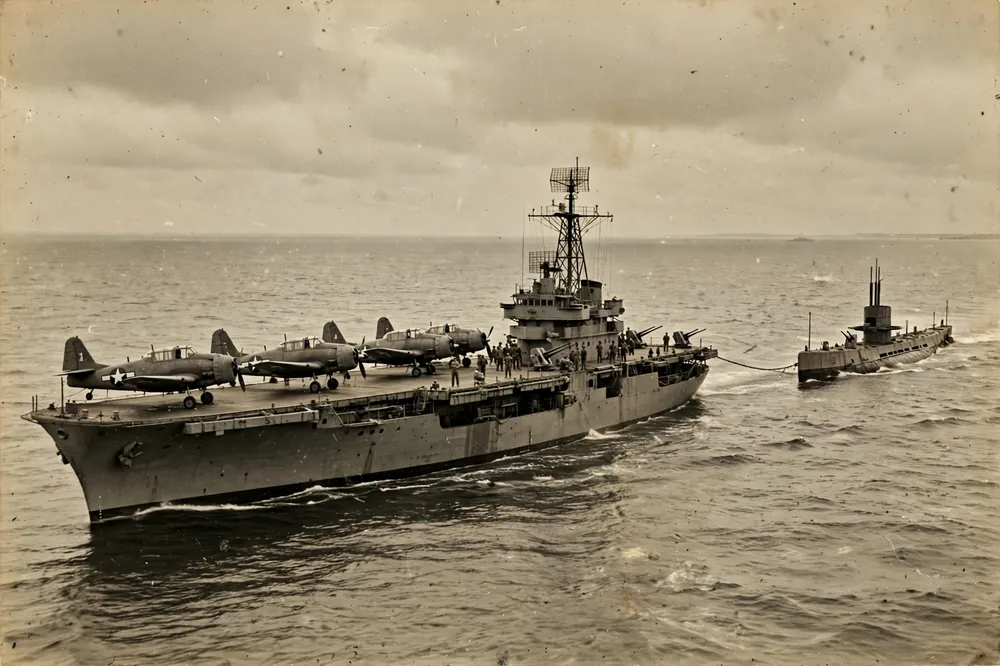
On 4 June 1944, the hunter-killer group of the escort carrier USS Guadalcanal, under Captain Daniel Gallery, found U-505 off the coast of West Africa, near the Cape Verde Islands. The group’s destroyer escorts, USS Pillsbury, USS Chatelain, USS Flaherty, USS Jenks and USS Pope, attacked the U-boat with depth charges, and forced it to the surface, where its crew abandoned ship and the boat began to sink. Lieutenant Albert David led a boarding party of nine men from the Pillsbury in a whaleboat, and they reached the U-boat, entered it through the conning tower hatch, closed its sea valves, secured its Enigma machine and its codebooks, and kept it afloat until it could be towed. David was awarded the Medal of Honor for his actions, the only naval officer in the Second World War to receive the medal for a boarding action, and he died of wounds received in the action a few months later. The capture was a triumph for Gallery, who had trained his men for months to capture a U-boat, and for the United States Navy, which had captured an enemy warship at sea for the first time in more than a century.
The Secret Tow to Bermuda
After its capture, U-505 was towed secretly to Bermuda, where it was studied by American engineers and where its Enigma machine and its codebooks were examined by Allied intelligence. The boat’s crew, 59 men, were taken prisoner and were held in isolation in Louisiana, so that Germany would not learn that the boat had been captured, and so that the Allies could continue to read German naval messages without the Germans knowing that their codes had been compromised. The secrecy was maintained for the rest of the war, and the German Navy believed that U-505 had been sunk, and it did not change its codes, which allowed the Allies to read its messages and to know where its U-boats were. The capture of U-505 was therefore not only a naval victory, but an intelligence victory, and it contributed to the Allied victory in the Battle of the Atlantic, even though its full value was not known until after the war.
7. Performance and Specifications
Speed, Range and Depth
| Specification | U-505 (Type IXC) |
|---|---|
| Displacement (surfaced) | 1,120 tons |
| Displacement (submerged) | 1,232 tons |
| Length | 76.76 m |
| Beam | 6.76 m |
| Speed (surfaced) | 18.3 knots |
| Speed (submerged) | 7.3 knots |
| Range (surfaced) | About 13,450 nautical miles at 10 knots |
| Range (submerged) | About 63 nautical miles at 4 knots |
| Test depth | 230 m |
| Diesel power | 4,400 hp |
| Electric power | 1,000 hp |
| Torpedo tubes | 6 × 533 mm |
| Torpedoes carried | 22 |
| Deck gun | 1 × 105 mm |
| Crew | 48 |
The table shows the Type IXC’s strengths and its weaknesses: it was fast on the surface, it had a very long range, and it carried a large number of torpedoes, but it was slow submerged, it could remain submerged for only a short time, and it was vulnerable to aircraft and to destroyers when it was on the surface. The figures are the values most commonly given in the published histories, and they vary slightly between sources, because different boats were fitted with different equipment, and because the German records are incomplete. The reader should treat the numbers as approximate, and as a guide to the boat’s capability rather than as exact measurements for a single boat.
Comparison with the Type VII
Compared with the Type VII, the workhorse of the U-boat fleet, the Type IXC was larger, longer-ranged and more heavily armed, but it was slower to dive, it was easier to detect, and it was less manoeuvrable. The Type VII displaced about 769 tons on the surface and 871 tons submerged, it was 67.1 metres long, and it had a range of about 8,500 nautical miles, which was enough for patrols in the North Atlantic, but not for patrols off the United States or in the Caribbean. The Type IXC, with its longer range and its larger torpedo load, was used for the long patrols that the Type VII could not make, and it was the boat that took the U-boat war to the coast of the United States, to the Caribbean and to the Indian Ocean. The Type VII was built in far larger numbers — more than 700 were built, against 54 Type IXCs — and it sank more ships, but the Type IXC was the boat that made the U-boat war a global war.
Why the U-Boat Lost the Battle
The U-boat lost the Battle of the Atlantic because the Allies developed weapons and tactics that the U-boat could not counter, and because the Allies built ships faster than the U-boats could sink them. Radar allowed Allied aircraft to find U-boats on the surface at night, sonar allowed destroyers to find them submerged, escort carriers allowed convoys to be protected by aircraft far from land, and the hunter-killer groups, of which the Guadalcanal group was an example, hunted U-boats with aircraft and destroyers, and sank them in increasing numbers. The Type IXC, with its slow diving time and its vulnerability on the surface, was particularly vulnerable to these weapons, and the U-boat service, which had lost about 30,000 men out of 40,000 who served, was destroyed by 1945. U-505’s capture, in June 1944, was a symbol of the U-boat’s defeat, and of the Allies’ victory in the Atlantic.
Torpedo Performance
U-505 carried 22 torpedoes, of the G7a and G7e types, which were the standard torpedoes of the German U-boat service, and which had a range of up to 12,500 metres, a speed of up to 40 knots, and a warhead of about 280 kilograms of explosive. The G7a was a steam-powered torpedo, which left a visible wake, and which was faster, while the G7e was an electrically powered torpedo, which left no wake, and which was slower, but which was harder to detect, and which was preferred for attacks on convoys, where a visible wake would have given away the U-boat’s position. The torpedoes were fired from the boat’s six tubes, four in the bow and two in the stern, and they were set, by the torpedo crew, for depth, for speed and for course, before they were fired, and they were the boat’s main weapon, against merchant ships and against warships, and they sank the eight ships that U-505 claimed.
8. Operators
Germany
U-505 was used by the German Navy, the Kriegsmarine, from its commissioning on 26 August 1941 to its capture on 4 June 1944, and it was operated by the 2nd U-boat Flotilla, based at Lorient in France, and later by the 2nd and 10th Flotillas. The boat’s crew were German sailors, trained in the U-boat service, and they served on the boat for its twelve patrols, from the Atlantic to the Caribbean and to West Africa. The boat’s service was typical of the Type IXC boats, which were used for long patrols far from home, and which were crewed by men who were young, highly trained and willing to take their boats to sea for months at a time. The boat’s capture was a blow to the German Navy, not only because it lost a U-boat, but because it lost the Enigma machine and the codebooks that the boat carried, and because it did not know that it had lost them.
The United States After Capture
Capture did not end U-505’s story, and this section follows the boat into American hands, from the engineers who studied her to the crew who were held prisoner in isolation so that Germany would never learn she had been taken. The first part covers study and display: after its capture, U-505 was used by the United States Navy for study, and it was examined by American engineers who wanted to learn how German U-boats were built, how they were operated and how they could be defeated. The boat was towed to Bermuda, where it was studied, and then to the United States, where it was used for trials and for training, and where it was shown to the public as a war prize. After the war, the boat was given to the Museum of Science and Industry in Chicago, where it has been on display since 1954, and where it is now preserved in a purpose-built underground hall. The boat’s service with the United States Navy was short, but it was important, because it gave the Allies the Enigma machine and the codebooks, and because it allowed American engineers to study a German U-boat at first hand. The second part follows the crew as prisoners: the boat’s crew, 59 men, were taken prisoner and were held in isolation in Louisiana, so that Germany would not learn that the boat had been captured. The men were treated well, and they were allowed to write home, but their letters were censored, and they were not allowed to tell their families that they were prisoners, because the Allies wanted Germany to believe that U-505 had been sunk. The crew remained prisoners until the end of the war, when they were repatriated to Germany, and they learned then that their boat had been captured and that it was on display in Chicago. Some of the crew later visited the boat in Chicago, and they were welcomed by the museum, which preserves the boat as a memorial to the men who served in it and to the men who captured it.
Study and Display
After its capture, U-505 was used by the United States Navy for study, and it was examined by American engineers who wanted to learn how German U-boats were built, how they were operated and how they could be defeated. The boat was towed to Bermuda, where it was studied, and then to the United States, where it was used for trials and for training, and where it was shown to the public as a war prize. After the war, the boat was given to the Museum of Science and Industry in Chicago, where it has been on display since 1954, and where it is now preserved in a purpose-built underground hall. The boat’s service with the United States Navy was short, but it was important, because it gave the Allies the Enigma machine and the codebooks, and because it allowed American engineers to study a German U-boat at first hand.
The Crew as Prisoners
The boat’s crew, 59 men, were taken prisoner and were held in isolation in Louisiana, so that Germany would not learn that the boat had been captured. The men were treated well, and they were allowed to write home, but their letters were censored, and they were not allowed to tell their families that they were prisoners, because the Allies wanted Germany to believe that U-505 had been sunk. The crew remained prisoners until the end of the war, when they were repatriated to Germany, and they learned then that their boat had been captured and that it was on display in Chicago. Some of the crew later visited the boat in Chicago, and they were welcomed by the museum, which preserves the boat as a memorial to the men who served in it and to the men who captured it.
9. Legacy and Influence
The Intelligence Victory
U-505’s legacy is, above all, its capture, and the intelligence victory that followed it. The Enigma machine and the codebooks that the American boarding party recovered allowed the Allies to read German naval messages, and to know where the U-boats were and where they were going, and the secrecy that surrounded the capture allowed the Allies to continue reading those messages for the rest of the war, without the Germans knowing that their codes had been compromised. The capture of U-505 was one of the most important intelligence coups of the Second World War, and it contributed to the Allied victory in the Battle of the Atlantic, even though its full value was not known until after the war, when the story of the capture was finally told. The boat’s Enigma machine is now on display in Chicago, alongside the boat itself, and it is one of the most important artefacts of the intelligence war.
The Hunter-Killer Group
The capture of U-505 was also a triumph for the hunter-killer group, a new kind of naval force that the United States Navy had developed to fight the U-boats. The hunter-killer group, which consisted of an escort carrier and a number of destroyer escorts, hunted U-boats with aircraft and with sonar, and it sank U-boats in increasing numbers in 1943 and 1944, until the U-boat service was destroyed. The Guadalcanal group, under Captain Gallery, was one of the most successful hunter-killer groups, and its capture of U-505 was its most famous action. The hunter-killer group became a standard part of naval warfare after the war, and it is still used today, in the form of carrier battle groups and of anti-submarine task forces, which hunt submarines with aircraft, with sonar and with torpedoes, just as the Guadalcanal group hunted U-505 in June 1944.
U-505 in Popular Culture
In popular culture U-505 is remembered as the U-boat in Chicago, and it appears in books, in films and in television programmes about the Battle of the Atlantic, where it is shown as the only U-boat to be captured intact by the Allies. The boat’s story is told in the Museum of Science and Industry in Chicago, where visitors can tour the boat and can learn about the men who served in it and the men who captured it, and in the book U-505: The Final Journey, which tells the story of the boat’s capture and of its journey to Chicago. The boat’s survival, in a city far from the sea, is a reminder that the Battle of the Atlantic was fought far from land, and that its story is preserved in a museum in the middle of America, where millions of people have visited it and have learned about the war at sea.
The U-Boat War in Memory
The U-boat war is remembered in Germany as a tragedy, in which about 30,000 men, out of 40,000 who served, died, a casualty rate of about 75 per cent, the highest of any service in the Second World War, and in Britain and in the United States as a victory, in which the Allies, by building ships faster than the U-boats could sink them, and by developing new weapons, won the Battle of the Atlantic. U-505, which survived the war as a prisoner, and which is now a museum ship in Chicago, is a memorial to both sides: to the German crew, who served in a boat that was their home for months at a time, and to the American boarding party, who risked their lives to capture it, and to the Allied sailors who died in the merchant ships that U-505 sank. The boat’s preservation ensures that the story of the U-boat war will not be forgotten.
10. Surviving Examples
The Museum of Science and Industry, Chicago
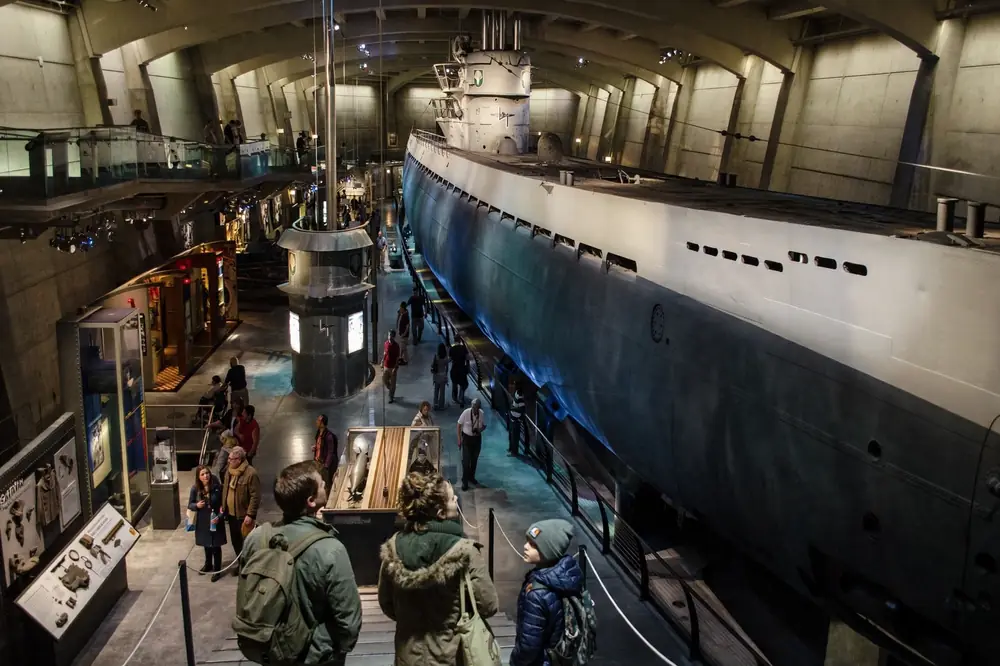
U-505 is the only surviving Type IXC U-boat, and it is on display at the Museum of Science and Industry in Chicago, where it has been since 1954. The boat was originally displayed outdoors, where it was exposed to the weather, and in 2004 it was moved into a purpose-built underground hall, where it is preserved in a controlled environment and where visitors can tour it and can learn about its history. The museum’s display includes the boat’s Enigma machine, its codebooks and the equipment that its crew used, and it tells the story of the boat’s patrols, of its capture and of its journey to Chicago. The boat is one of the most visited museum ships in the United States, and it is visited by more than a million people each year, who come to see the only U-boat captured intact in the Second World War.
Visiting U-505 Today
U-505 is the only surviving Type IXC, and the easiest U-boat in the world to visit, and this section explains what a visitor will see on a tour through the boat and what the boat means as a memorial. The first part describes a tour through the boat: visitors to the museum can tour U-505, walking through its compartments, from the torpedo room in the bow to the engine room in the stern, and they can see the bunks where the crew slept, the control room where the boat was steered, and the conning tower where the captain stood when the boat was on the surface. The tour is guided, and the guides tell the story of the boat’s crew, of the men who captured it, and of the Battle of the Atlantic, and they show visitors the Enigma machine and the codebooks that were recovered from the boat. The tour is one of the most popular attractions in Chicago, and it is a reminder that a museum ship can be more than a ship: it can be a classroom, a memorial and a place where history comes alive. The second part explains the boat as a memorial: U-505 is preserved as a memorial to the men who served in the U-boat service, to the men who captured it, and to the thousands of sailors who died in the Battle of the Atlantic. The museum’s display honours both sides: the German crew, who served in a boat that was their home for months at a time, and the American boarding party, who risked their lives to capture it, and the Allied sailors who died in the merchant ships that U-505 sank. The boat’s preservation ensures that the story of the Battle of the Atlantic will not be forgotten, and that future generations will be able to see, at first hand, the boat that fought in that battle and that was captured in it. For most visitors, the easiest way to see a U-boat is to visit U-505 in Chicago, where the boat is preserved in a hall that was built for it, and where its story is told in full.
A Tour Through the Boat
Visitors to the museum can tour U-505, walking through its compartments, from the torpedo room in the bow to the engine room in the stern, and they can see the bunks where the crew slept, the control room where the boat was steered, and the conning tower where the captain stood when the boat was on the surface. The tour is guided, and the guides tell the story of the boat’s crew, of the men who captured it, and of the Battle of the Atlantic, and they show visitors the Enigma machine and the codebooks that were recovered from the boat. The tour is one of the most popular attractions in Chicago, and it is a reminder that a museum ship can be more than a ship: it can be a classroom, a memorial and a place where history comes alive.
The Boat as a Memorial
U-505 is preserved as a memorial to the men who served in the U-boat service, to the men who captured it, and to the thousands of sailors who died in the Battle of the Atlantic. The museum’s display honours both sides: the German crew, who served in a boat that was their home for months at a time, and the American boarding party, who risked their lives to capture it, and the Allied sailors who died in the merchant ships that U-505 sank. The boat’s preservation ensures that the story of the Battle of the Atlantic will not be forgotten, and that future generations will be able to see, at first hand, the boat that fought in that battle and that was captured in it. For most visitors, the easiest way to see a U-boat is to visit U-505 in Chicago, where the boat is preserved in a hall that was built for it, and where its story is told in full.
Frequently Asked Questions
What is U-505?
U-505 was a German Type IXC U-boat of the Second World War, commissioned in August 1941. It was captured by the United States Navy on 4 June 1944, and it is now on display at the Museum of Science and Industry in Chicago.
How was U-505 captured?
U-505 was forced to the surface by depth charges from the hunter-killer group of the escort carrier USS Guadalcanal on 4 June 1944. A boarding party led by Lieutenant Albert David entered the U-boat, closed its sea valves and secured its Enigma machine and codebooks.
How many ships did U-505 sink?
U-505 sank eight Allied merchant ships, totalling about 45,000 tons, during its twelve war patrols.
What happened to the crew of U-505?
The crew of 59 men were taken prisoner and held in isolation in Louisiana, so that Germany would not learn that the boat had been captured. They were repatriated to Germany after the war.
Where is U-505 today?
U-505 is on display at the Museum of Science and Industry in Chicago, in a purpose-built underground hall, where it has been since 1954.
Why was the capture of U-505 important?
The capture gave the Allies the U-boat’s Enigma machine and codebooks, which allowed them to read German naval messages, and it was the first enemy warship captured by the US Navy at sea since the War of 1812.
Sources
- Wikipedia, “German submarine U-505” — commissioning, patrols, eight ships sunk, capture on 4 June 1944 and display in Chicago.
- Museum of Science and Industry, Chicago, “U-505 Submarine” — the capture, the Enigma machine and the boat’s preservation.
- Daniel V. Gallery, Twenty Million Tons Under the Sea (Naval Institute Press, 1956) — the hunter-killer group and the capture of U-505.
- Clay Blair, Hitler’s U-Boat War: The Hunted, 1942–1945 (Random House, 1998) — U-505’s patrols, the death of Zschech and the Battle of the Atlantic.
- Jak P. Mallmann Showell, U-Boats in Camera (Sutton Publishing, 1999) — Type IXC design and photographs of U-505.
- National WWII Museum, New Orleans — the Battle of the Atlantic and the hunter-killer groups.