 WAR ATLAS MILITARY HISTORY MAGAZINE · WWI — WWII
Wilhelm Keitel
1. Lead
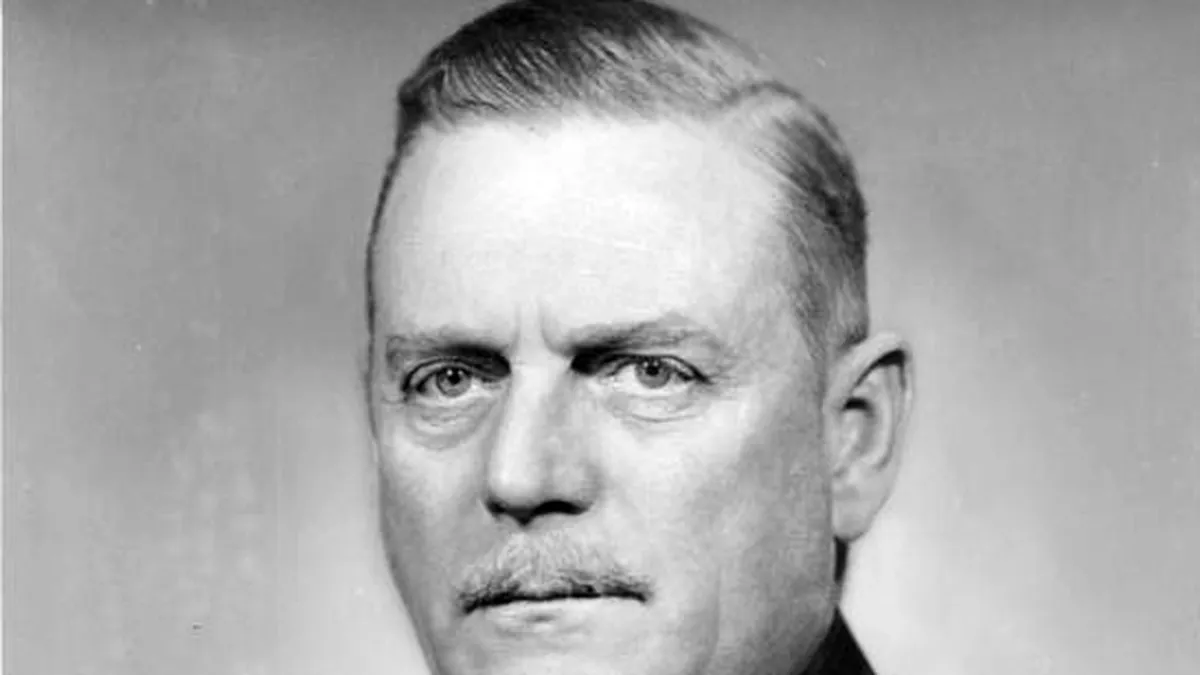
Wilhelm Keitel (22 September 1882 – 16 October 1946) was a German field marshal and, from 1938 to 1945, Chief of the Oberkommando der Wehrmacht (OKW), the High Command of the Armed Forces, making him Adolf Hitler’s principal military adviser and the highest-ranking officer in the German armed forces. Born in Helmscherode in Brunswick, the son of a landowner, he entered the Prussian army as an artillery officer in 1901, served on the Western Front in the First World War, and rose through the Reichswehr to become a trusted staff officer whose loyalty, industry and lack of independence made him, in Hitler’s eyes, the ideal chief of staff. He signed some of the most criminal orders of the Second World War — the Commissar Order of June 1941, the Night and Fog Decree of December 1941, and the orders that led to the murder of Soviet prisoners of war — and he was tried by the International Military Tribunal at Nuremberg, convicted of war crimes and crimes against humanity, and hanged on 16 October 1946.
Keitel’s career raises one of the central questions of the German war: how far is a professional soldier responsible for the orders he transmits and the policies he helps to carry out? Keitel’s defence at Nuremberg was that he was a soldier who obeyed orders, that he had no power to oppose Hitler, and that he had tried, in private, to moderate the criminal orders he was given. The Tribunal rejected that defence, holding that he had not only transmitted criminal orders but had himself pressed for their execution, and that a senior officer who knowingly participates in a war of aggression and in the murder of prisoners and civilians cannot plead obedience as an excuse. His fellow officers, who had despised him during the war as “Lakeitel” — a play on his name and the German word for lackey — regarded his trial as the just end of a man who had sold the honour of the German officer corps for the favour of a dictator. Historians continue to debate whether Keitel was a criminal, a coward, or simply a man whose professional virtues — loyalty, diligence, obedience — became, in the service of a criminal regime, the instruments of crime.
2. Key Facts
| Born | 22 September 1882, Helmscherode, Duchy of Brunswick, German Empire |
| Died | 16 October 1946 (aged 64), Nuremberg, Germany (executed) |
| Nationality | German |
| Role / Office | Generalfeldmarschall (Field Marshal); Chief of the Oberkommando der Wehrmacht (OKW), 1938–1945; Hitler’s principal military adviser |
| Known for | Chief of the OKW; signatory of the Commissar Order (1941) and the Night and Fog Decree (1941); convicted and executed at the Nuremberg Trials |
| Spouse / Family | Lisa Fontaine (married 1909, died 1971); three sons and three daughters; son Karl-Heinz Keitel, an SS officer |
| Military rank | Generalfeldmarschall (Field Marshal, from 1940) |
3. Early Life and Education
Family and Childhood
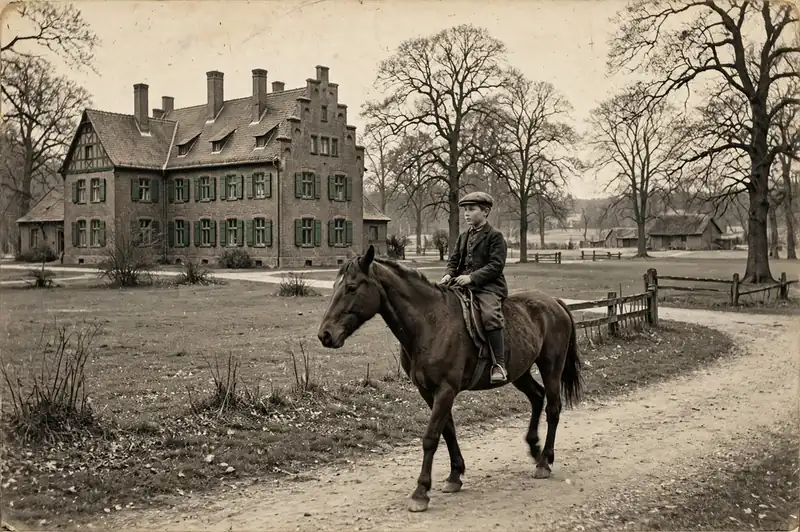
Wilhelm Bodewin Johann Gustav Keitel was born on 22 September 1882 at Helmscherode, the family estate in the Duchy of Brunswick, where his father, Carl Keitel, was a landowner of modest means. The family was not aristocratic, but it was respectable and prosperous, and Wilhelm grew up in the world of the north German landed gentry, a world of estates, hunting and local administration in which a career in the army was the natural ambition of a younger son. He was a quiet and diligent boy, more notable for application than for brilliance, and his school reports describe a pupil who worked hard and who was liked by his teachers. He attended the Gymnasium at Göttingen, where he studied the classical curriculum of the German secondary school, and in 1901, at the age of eighteen, he entered the Prussian army as a Fahnenjunker, an officer cadet, in the 6th Field Artillery Regiment at Wolfenbüttel. The choice of the artillery, rather than the more prestigious cavalry or infantry, was significant: the artillery was the technical arm of the army, and it attracted officers who were methodical, mathematical and interested in the science of gunnery, qualities that Keitel possessed in full measure.
The Artillery Officer
The artillery into which Keitel entered was undergoing a revolution. The introduction of the quick-firing field gun, the improvement of indirect fire, and the development of the telephone and the radio as means of controlling artillery fire had made the artilleryman a technician as much as a soldier, and Keitel, who had a talent for organisation and for detail, found his place in it. He was commissioned as a second lieutenant in 1902, and he spent the years before the First World War in regimental service, learning the business of gunnery and of staff work, and marrying Lisa Fontaine, the daughter of a landowner, in 1909. He was not a flamboyant officer, and he did not seek the limelight; his reputation in the regiment was that of a reliable and hardworking officer who could be trusted to carry out his orders thoroughly and without complaint. That reputation — for reliability, for diligence and for obedience — would define his whole career, and it would, in the end, be the quality that Hitler valued most in him.
Education and First Service
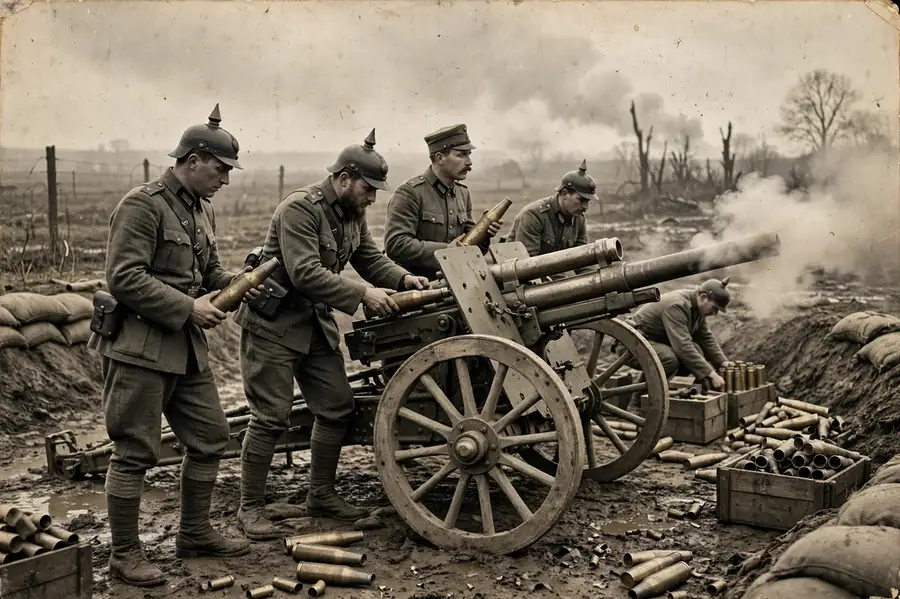
Keitel’s first service was as a battery officer, and he learned the practical business of commanding guns in the field, of calculating ranges and of directing fire. When the First World War broke out in August 1914, he was serving as a battery commander on the Western Front, and he was wounded in the arm by shrapnel in September 1914, an injury that left him with a permanently weakened right arm. After his recovery he was transferred to staff work, serving as a staff officer in the 19th Reserve Division and then in the 199th Infantry Division, and he spent the rest of the war on the staffs of divisions and corps, learning the business of planning, of supply and of administration. He was awarded the Iron Cross First and Second Class, and he ended the war as a captain, a staff officer of solid but unremarkable reputation. The war taught him, as it taught most staff officers, the importance of organisation and of detail, and it also taught him the habit of obedience: on the staff, an officer’s duty was to carry out the orders of his commander, not to question them, and Keitel, who had never been inclined to question authority, took that lesson to heart.
4. Rise to Prominence
The Reichswehr and the War Ministry
After the war, Keitel was one of the officers retained in the Reichswehr, and he rose steadily through the ranks, serving in the War Ministry in Berlin and as a staff officer in various commands. He was promoted to major in 1923, to lieutenant colonel in 1929, and to colonel in 1933, and in 1934 he was appointed chief of the Organisation Department of the War Ministry, a post that gave him responsibility for the expansion of the army under the National Socialist regime. In that post he worked closely with General Werner von Blomberg, the Minister of War, and with General Walther von Reichenau, the head of the Armed Forces Office, and he became known as a man who could be relied upon to carry out the rearmament programme efficiently and without raising awkward questions. He was not a political officer, and he never joined the Nazi Party; but he was sympathetic to the regime’s promise to restore the army’s standing, and he was willing to serve it. In 1935 he was promoted to major general, and in 1936 he became chief of the Armed Forces Office, the predecessor of the OKW, a post that placed him at the centre of the military bureaucracy.
Chief of the OKW, 1938
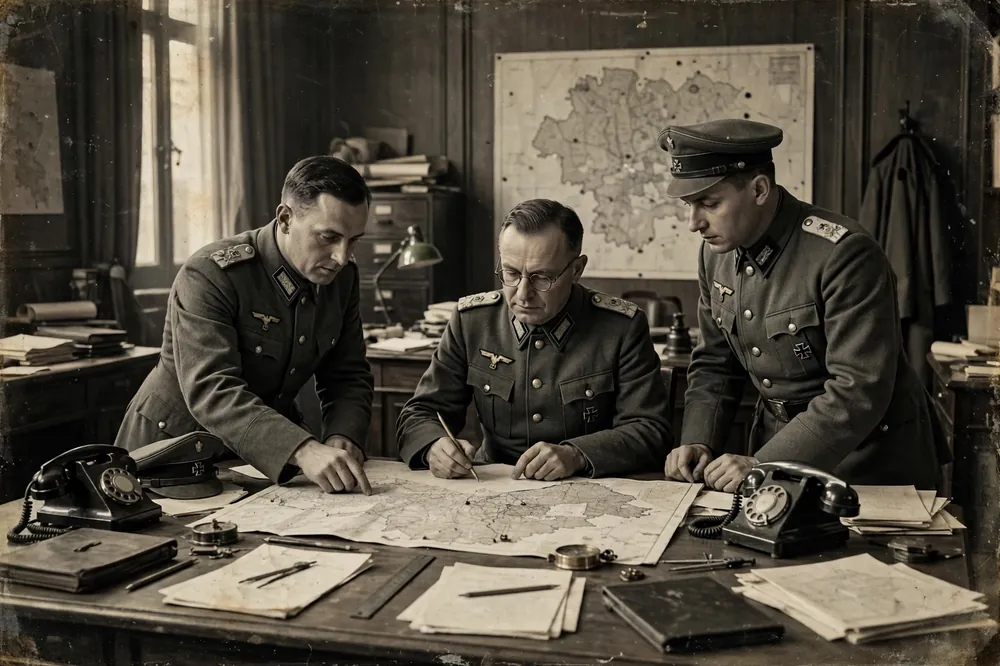
Keitel’s rise to the top came in February 1938, in the Blomberg-Fritsch crisis, when Hitler dismissed Blomberg and the Commander-in-Chief of the Army, Werner von Fritsch, and took personal command of the armed forces. Hitler abolished the War Ministry and created the OKW, the High Command of the Armed Forces, as his own military staff, and he appointed Keitel as its chief. The choice was deliberate: Hitler wanted a chief of staff who would not oppose him, who would carry out his orders without argument, and who would not, as Blomberg and Fritsch had done, attempt to assert the independence of the army. Keitel, who had never shown independence, was the ideal candidate, and he accepted the post with the words, according to his own account, that he would serve as Hitler’s “faithful shield-bearer”. In the same year he was promoted to general, and in 1940, after the fall of France, he was promoted to field marshal, the highest rank in the German army. He was now the highest-ranking officer in the German armed forces, and he was also, in the eyes of his fellow officers, the most despised: they called him “Lakeitel”, the lackey, and they regarded him as a man who had betrayed the traditions of the General Staff for the sake of Hitler’s favour.
5. Wilhelm Keitel’s Role in World War II
The Early Victories and the OKW
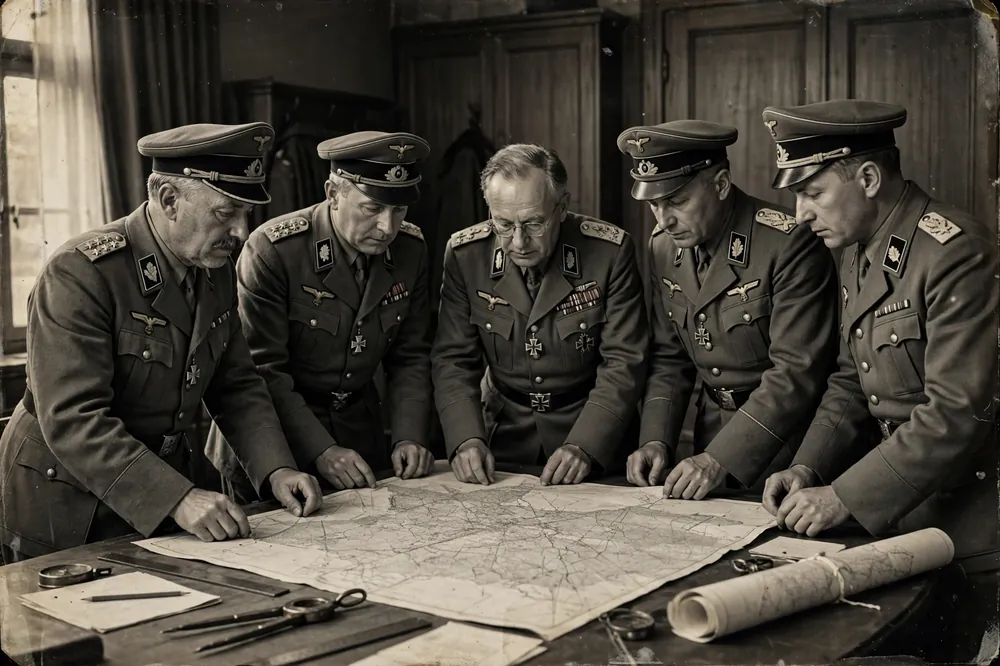
As Chief of the OKW, Keitel’s role in the early years of the war was administrative rather than operational: the OKW was responsible for the overall direction of the war, for the coordination of the three services, and for the theatres of war outside the Eastern Front, while the Army High Command, the OKH, was responsible for operations on the Eastern Front. Keitel’s task was to transmit Hitler’s orders to the services, to coordinate their execution, and to ensure that the armed forces carried out the Führer’s will. He performed that task with diligence, and he was present at the conferences at which Hitler decided on the invasions of Poland, Denmark, Norway, France and the Soviet Union. He signed the orders for those invasions, and he signed the orders that followed them, including the order of 1941 that directed the execution of Soviet political commissars. He did not plan the campaigns — that was the work of the General Staff — but he was the channel through which Hitler’s will reached the armed forces, and he was, in that sense, the indispensable instrument of Hitler’s command.
The Commissar Order
The Commissar Order of 6 June 1941 is the most important of the criminal orders that Keitel signed, and it deserves to be described in detail. The order, issued in preparation for the invasion of the Soviet Union, directed German troops to execute captured Soviet political commissars — the officers who were responsible for political education in the Red Army — on the grounds that they were the bearers of Bolshevik ideology and therefore not entitled to the protection of the laws of war. Keitel transmitted the order to the Army High Command, and he added his own instruction that it should be carried out “without mercy”. The order was carried out in the summer and autumn of 1941, and thousands of commissars were murdered; the exact number is not known, but historians estimate that several thousand were killed. Keitel later claimed that he had opposed the order in private, but there is no contemporary evidence that he did so, and the Tribunal at Nuremberg found that he had not only transmitted the order but had pressed for its execution, and that he was therefore guilty of war crimes.
The War in the East and the Criminal Orders
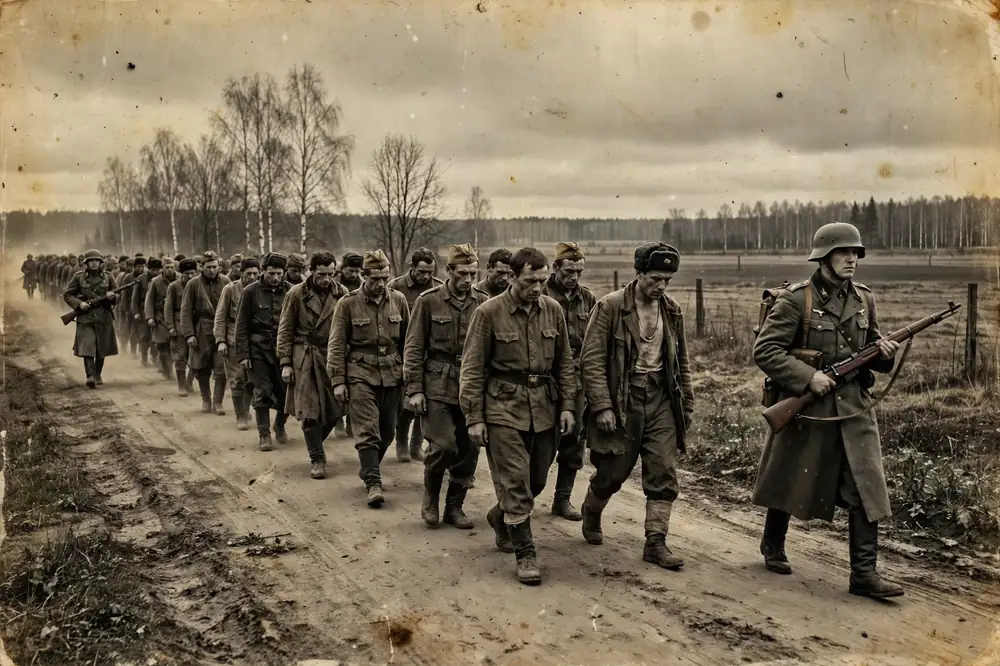
The war against the Soviet Union brought Keitel into direct contact with the criminal character of the German war. The OKW was responsible for the treatment of Soviet prisoners of war, and Keitel signed the orders that led to the death of more than three million Soviet prisoners, most of them from starvation, disease and exposure in German camps in the winter of 1941–1942. He also signed the Night and Fog Decree of 7 December 1941, which directed that civilians in the occupied territories who were suspected of resistance should be taken to Germany and made to disappear, without trace, so that their families would not know whether they were alive or dead. He signed the order of 1942 that directed the execution of captured Allied commandos, and he signed the orders that authorised the use of Soviet prisoners as forced labour. In each case, his defence at Nuremberg was the same: he had transmitted the orders, but he had not made them, and he had tried to mitigate them. In each case, the Tribunal found that he had done more than transmit them: he had pressed for their execution, he had refused to intervene when he was told of their consequences, and he had, by his signature, given the authority of the High Command to crimes that were, in the words of the Tribunal, “a deliberate and systematic violation of the laws of war”.
The Last Years of the War
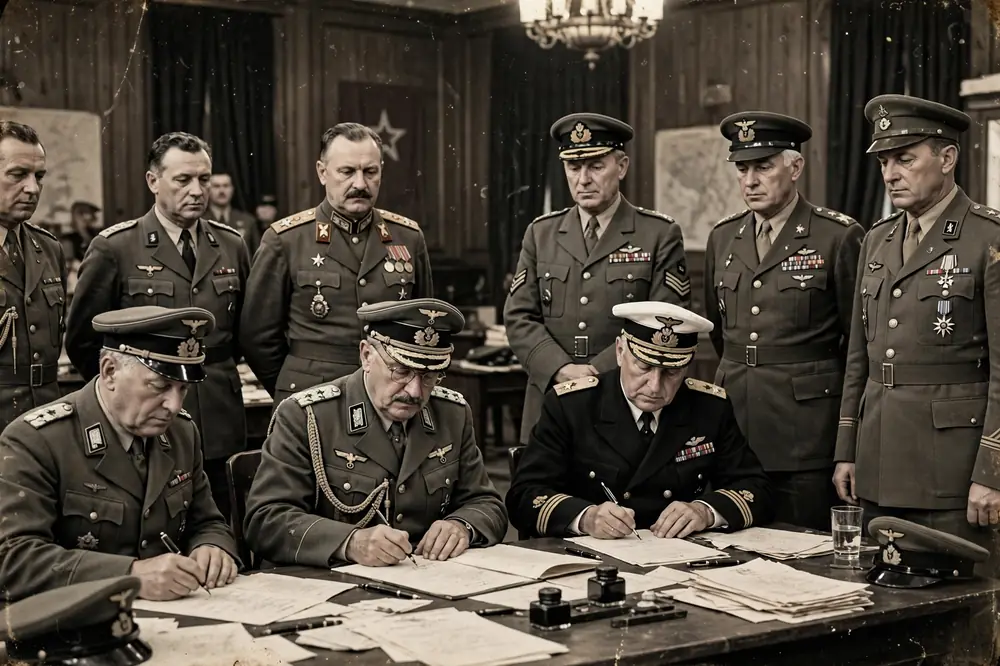
In the last years of the war, Keitel’s role became increasingly marginal. Hitler, who had always made the major decisions himself, relied less and less on the OKW, and Keitel spent his time transmitting orders that he knew could not be carried out, and attending conferences at which Hitler berated his generals for their failures. He was present at the conference on 20 July 1944, when Claus von Stauffenberg’s bomb exploded, and he was slightly wounded; he was also present at the subsequent purge, in which he signed the orders that dismissed and arrested the officers suspected of involvement in the plot, and he served as a member of the Court of Honour that expelled the conspirators from the army so that they could be tried by the People’s Court. In the last weeks of the war, he was with Hitler in Berlin, and he signed the last orders of the regime, including the order that directed the German armies to continue fighting after Hitler’s death. On 8 May 1945, he signed the instrument of unconditional surrender of the German armed forces at Berlin, in the presence of the Allied commanders, and he was then arrested by the British. He spent the last year of his life in prison at Nuremberg, awaiting trial.
6. Key Decisions
Decisions in Office
Accepting the post of Chief of the OKW (February 1938). Keitel’s decision to accept the post, knowing that Hitler wanted a chief of staff who would not oppose him, was the decisive choice of his career. It gave him the highest rank in the German armed forces, and it made him the instrument of Hitler’s command; it also meant that he would be held responsible for the orders he transmitted, a responsibility he did not understand until he stood in the dock at Nuremberg.
Signing the Commissar Order (June 1941). His signature on the Commissar Order, and his instruction that it should be carried out “without mercy”, was the single most criminal act of his career. He later claimed that he had opposed the order in private, but the Tribunal found that he had pressed for its execution, and that his signature gave the order the authority of the High Command.
Signing the Night and Fog Decree (December 1941). The Night and Fog Decree, which directed that suspected resisters should disappear without trace, was a violation of the laws of war, and Keitel’s signature on it made him responsible for the fate of thousands of civilians who were taken to Germany and never seen again.
Decisions at Nuremberg
Pleading obedience (1945–1946). At Nuremberg, Keitel’s defence was that he had obeyed orders, and that a soldier had no right to disobey the orders of his superior. The Tribunal rejected that defence, holding that the orders he had transmitted were manifestly criminal, and that a senior officer who knowingly participates in crimes cannot plead obedience. The decision established the principle, which has since become a cornerstone of international law, that obedience to orders is not a defence to a charge of war crimes.
Refusing to resign (1938–1945). Keitel never resigned, although he later claimed that he had several times considered doing so. His critics argue that resignation, even if it would not have stopped the crimes, would have deprived Hitler of the authority of the High Command, and that Keitel’s decision to remain was itself a crime; his defenders argue that resignation would have changed nothing, and that Keitel, who had no political power, could not have stopped Hitler. The debate continues, but the Tribunal’s judgement was clear: a man who remains in office, who signs criminal orders, and who presses for their execution, is responsible for the crimes he helps to commit.
7. Controversies
Obedience and Responsibility
The central controversy about Keitel is the question of obedience and responsibility, and it is a controversy that goes beyond Keitel himself to the whole of the German officer corps. Keitel’s defence — that he was a soldier, that he obeyed orders, and that he had no power to oppose Hitler — was the defence of many German officers after the war, and it was rejected at Nuremberg on the grounds that the orders Keitel transmitted were manifestly criminal, and that a senior officer who knowingly participates in crimes cannot plead obedience. The Tribunal’s judgement, which has since become a cornerstone of international law, was that the fact that a person acted pursuant to the order of his government or of a superior does not free him from responsibility under international law, provided that a moral choice was in fact possible to him. Keitel’s case was, in that sense, a test case: if a field marshal, the highest-ranking officer in the German armed forces, could not plead obedience, then no soldier could. His critics argue that the judgement was just, and that Keitel, who had pressed for the execution of criminal orders, deserved his fate; his defenders argue that the judgement was harsh, and that Keitel, who had no power to oppose Hitler and who had tried, in private, to mitigate the orders, was a scapegoat for the crimes of the regime. The debate continues, but the principle established at Nuremberg — that obedience is not a defence to a charge of war crimes — has not been seriously challenged since.
“Lakeitel” and the Officer Corps
A second controversy concerns Keitel’s reputation among his fellow officers. During the war, the German officer corps despised Keitel, calling him “Lakeitel” — a play on his name and the German word for lackey — and regarding him as a man who had betrayed the traditions of the General Staff for the sake of Hitler’s favour. After the war, many of those same officers used Keitel as a scapegoat, blaming him for the crimes of the regime and presenting themselves as soldiers who had fought a clean war. Historians have shown that this picture is false: the officer corps as a whole participated in the war of annihilation in the East, and Keitel, although he was the most servile of Hitler’s generals, was not the only one who signed criminal orders. The controversy over Keitel’s reputation is therefore also a controversy over the reputation of the German officer corps as a whole, and over the question of how far the “clean Wehrmacht” myth was sustained by blaming a single man for the crimes of many.
The Surrender and the Trial
A third controversy concerns Keitel’s conduct at the surrender and at the trial. On 8 May 1945, Keitel signed the instrument of unconditional surrender at Berlin, and he did so, according to the accounts of those present, with a show of dignity that impressed even his enemies. At Nuremberg, he conducted his defence with the same dignity, admitting that he had signed the criminal orders and that he bore responsibility for them, but arguing that he had done so as a soldier who obeyed orders. His final statement to the Tribunal, in which he admitted his guilt and asked for mercy, has been quoted as an example of a man who, at the end, understood the gravity of what he had done. His critics argue that his admission came too late, and that it was motivated by a desire to save his life rather than by genuine remorse; his defenders argue that it was sincere, and that Keitel, unlike many of his fellow defendants, did not attempt to deny his responsibility. The controversy over his conduct at the trial is therefore also a controversy over the sincerity of his remorse, and over the question of whether a man who has participated in great crimes can, by admitting them, redeem himself in the eyes of history.
8. Later Life and Death
Arrest and Imprisonment
Keitel’s later life was short, and it was spent in prison. After signing the surrender on 8 May 1945, he was arrested by the British and held in custody, first at Flensburg and then at Nuremberg, where he was indicted by the International Military Tribunal on charges of conspiracy, crimes against peace, war crimes and crimes against humanity. He spent more than a year in the prison at Nuremberg, preparing his defence with his lawyer, Dr Otto Nelte, and writing his memoirs, which were published after his death. The conditions of his imprisonment were strict, but he was allowed to receive visitors, including his wife Lisa, and he wrote letters to his family in which he expressed his belief that he had done his duty as a soldier and that history would judge him more kindly than his contemporaries. He also wrote, in his memoirs, that he had known that the war was lost by 1943, and that he had continued to serve because he believed that a soldier’s duty was to obey, even when obedience led to disaster.
Trial, Sentence and Execution
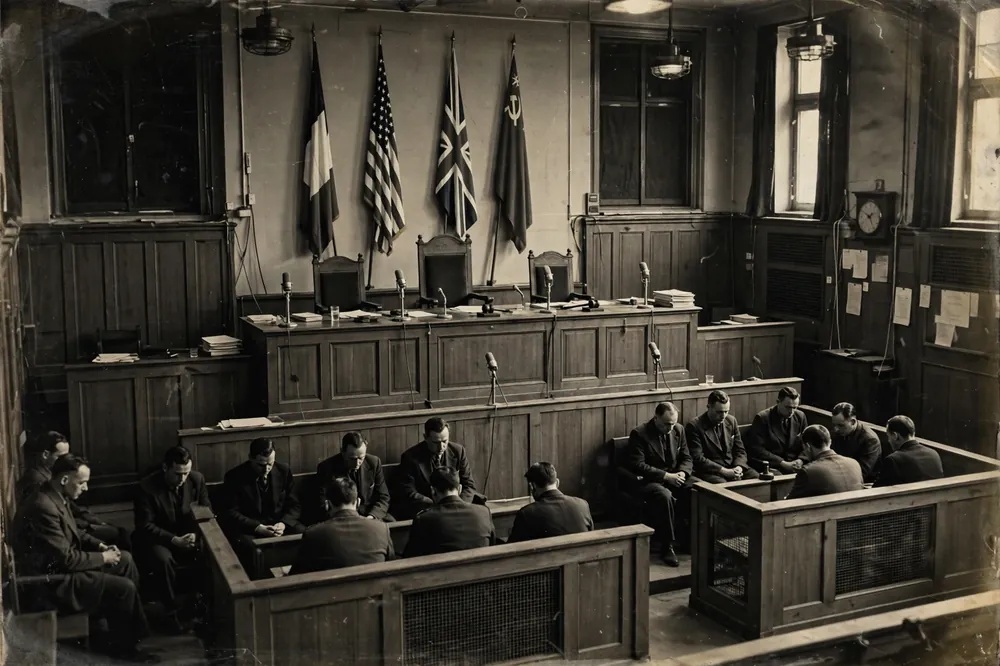
Keitel was tried at Nuremberg from November 1945 to October 1946, and the trial was the most important event of his later life. The prosecution presented evidence that he had signed the Commissar Order, the Night and Fog Decree, the orders for the murder of Soviet prisoners, and the orders for the execution of commandos, and that he had pressed for their execution. Keitel admitted that he had signed the orders, but he argued that he had done so as a soldier who obeyed orders, and that he had tried, in private, to mitigate them. The Tribunal rejected that defence, and on 1 October 1946 it convicted him on all four counts of the indictment, and sentenced him to death by hanging. He was executed on 16 October 1946, in the gymnasium of the Nuremberg prison, together with nine other condemned men, and his body was cremated and his ashes scattered in the Isar River, so that his grave could not become a place of pilgrimage. His last words, according to the accounts of those present, were an appeal to God and to the German people, and a statement that he had followed his conscience as a soldier. He was sixty-four years old, and he was the highest-ranking German officer to be executed at Nuremberg.
9. Legacy of Wilhelm Keitel
The Nuremberg Principle
Keitel’s lasting legacy is the principle established at his trial: that obedience to orders is not a defence to a charge of war crimes. The Nuremberg Principles, adopted by the United Nations in 1950, state that the fact that a person acted pursuant to the order of his government or of a superior does not relieve him from responsibility under international law, provided that a moral choice was in fact possible to him, and that principle has since been applied in the trials of war criminals in Yugoslavia, Rwanda and elsewhere. Keitel’s case is cited in every textbook of international law as the leading example of the principle, and his name is associated, not with military glory, but with the limits of obedience. In that sense, his legacy is a negative one: he is remembered, not for what he achieved, but for what his trial established, and for the warning that his career provides to soldiers who are asked to carry out criminal orders.
A Warning to Soldiers
Keitel’s career is also a warning to soldiers about the dangers of unthinking obedience. He was, by all accounts, a diligent and loyal officer, a man who worked hard, who obeyed his orders, and who never questioned the authority of his superiors. Those virtues, which are the virtues of a good staff officer in peacetime, became, in the service of a criminal regime, the instruments of crime, and Keitel’s fate shows that loyalty and obedience, without judgement and without conscience, are not virtues at all, but vices. Military schools around the world now teach Keitel’s case as an example of what can happen when a soldier surrenders his judgement to his superior, and when the habit of obedience is allowed to replace the duty to think. His legacy is therefore a cautionary tale, and it is a tale that remains relevant whenever soldiers are asked to carry out orders that they know, or should know, to be criminal.
10. Assessment by Historians
The Military Assessment
Military historians assess Keitel as a competent staff officer and a poor commander, and the assessment rests on the distinction between the two roles. As a staff officer, he was diligent, organised and reliable, and he was trusted by his superiors to carry out the administrative business of the army efficiently. As a commander, he was never tested in the field, and he never showed the independence of judgement that a commander needs. His appointment as Chief of the OKW was, in that sense, a mistake: Hitler wanted a chief of staff who would not oppose him, and Keitel was the ideal candidate, but the price of that appointment was that the German armed forces had, at their head, a man who could not think for himself, and who could not, when it mattered, tell Hitler that he was wrong. Historians argue that the German war effort suffered from Keitel’s appointment, because it removed the last check on Hitler’s interference in military affairs, and because it meant that the OKW, which should have been a professional military staff, became instead a bureaucratic instrument of Hitler’s will.
The Moral Assessment
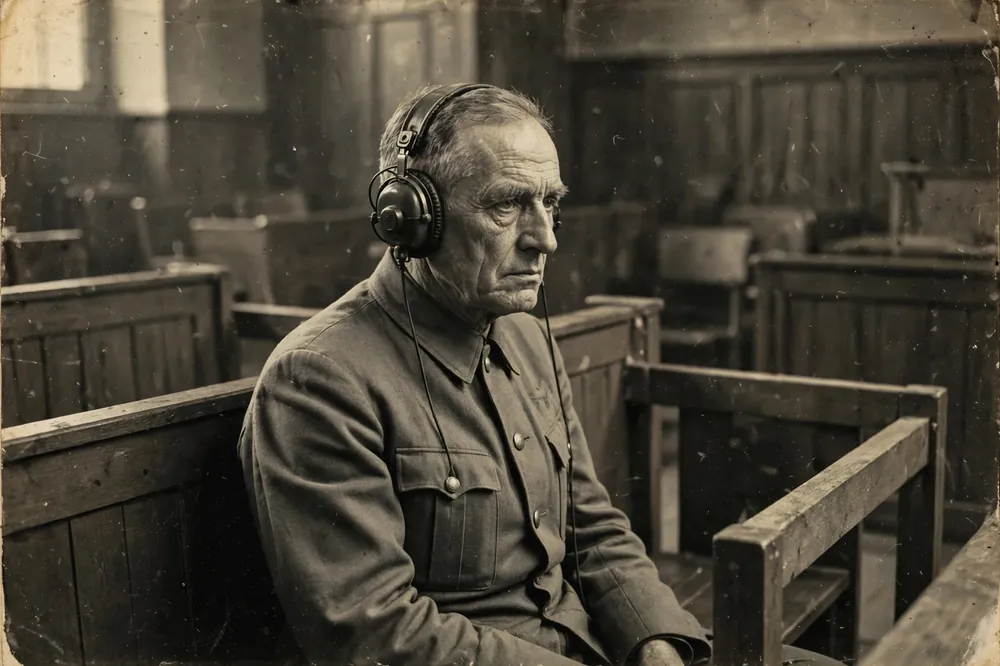
The moral assessment of Keitel is unequivocal, and it has not changed since the judgement at Nuremberg. He was a senior officer who signed criminal orders, who pressed for their execution, and who continued to serve a criminal regime long after he knew that the war was lost and that the regime was murdering millions of people. His defenders argue that he was a weak man, not a wicked one, and that his crime was cowardice rather than cruelty; his critics reply that cowardice, in a man of his rank, is itself a crime, and that the distinction between weakness and wickedness is of no comfort to the victims of the orders he signed. The consensus among historians is that Keitel was guilty as charged, and that his execution was just. He is remembered, not as a great soldier, but as a warning: a man whose professional virtues became, in the absence of moral courage, the instruments of crime, and whose fate shows that the plea of obedience is no defence when the orders are manifestly criminal.
Frequently Asked Questions
Who was Wilhelm Keitel?
Wilhelm Keitel (1882–1946) was a German field marshal and Chief of the OKW, the High Command of the Armed Forces, from 1938 to 1945. He was Hitler’s principal military adviser, and he was tried and executed at Nuremberg for war crimes and crimes against humanity.
What was the OKW?
The OKW, the Oberkommando der Wehrmacht, was the High Command of the Armed Forces, created by Hitler in February 1938 after the dismissal of the Minister of War, Werner von Blomberg. It was Hitler’s own military staff, responsible for the overall direction of the war and for the coordination of the army, navy and air force.
What orders did Keitel sign?
Keitel signed the Commissar Order of June 1941, which directed the execution of captured Soviet political commissars, the Night and Fog Decree of December 1941, which directed the disappearance of suspected resisters, and the orders that led to the death of more than three million Soviet prisoners of war. He also signed the orders for the execution of captured Allied commandos.
Why was Keitel called “Lakeitel”?
His fellow officers called him “Lakeitel”, a play on his name and the German word for lackey, because they regarded him as Hitler’s servant, a chief of staff who would carry out Hitler’s orders without argument and without independence.
Was Keitel’s defence of obedience accepted at Nuremberg?
No. The Tribunal rejected the defence of superior orders, holding that Keitel had not only transmitted criminal orders but had pressed for their execution, and that obedience to orders is not a defence to a charge of war crimes when the orders are manifestly criminal.
How was Keitel executed?
He was sentenced to death by hanging on 1 October 1946, and he was executed on 16 October 1946 in the gymnasium of the Nuremberg prison. His body was cremated and his ashes were scattered in the Isar River.
Sources
- Wikipedia, “Wilhelm Keitel” — consolidated biography: birth 22 September 1882, death 16 October 1946, Chief of the OKW 1938–1945, the criminal orders, the Nuremberg trial and execution.
- International Military Tribunal, Trial of the Major War Criminals Before the International Military Tribunal, Nuremberg (1947–1949) — the indictment, the evidence on the Commissar Order and the Night and Fog Decree, and the judgement on Keitel.
- Wilhelm Keitel, The Memoirs of Field-Marshal Wilhelm Keitel (1965) — memoirs written in prison at Nuremberg; the defence of obedience, the account of his service under Hitler.
- Ian Kershaw, Hitler 1936–1945: Nemesis (2000) — Hitler’s command of the armed forces, the creation of the OKW, and Keitel’s role as Hitler’s chief of staff.
- Geoffrey P. Megargee, Inside Hitler’s High Command (2000) — the structure of the OKW and the OKH, and the failure of the German high command.
- Telford Taylor, The Anatomy of the Nuremberg Trials (1992) — the trial of Keitel, the defence of superior orders, and the judgement.