 WAR ATLAS MILITARY HISTORY MAGAZINE · WWI — WWII
Balkans Campaign
1. Lead
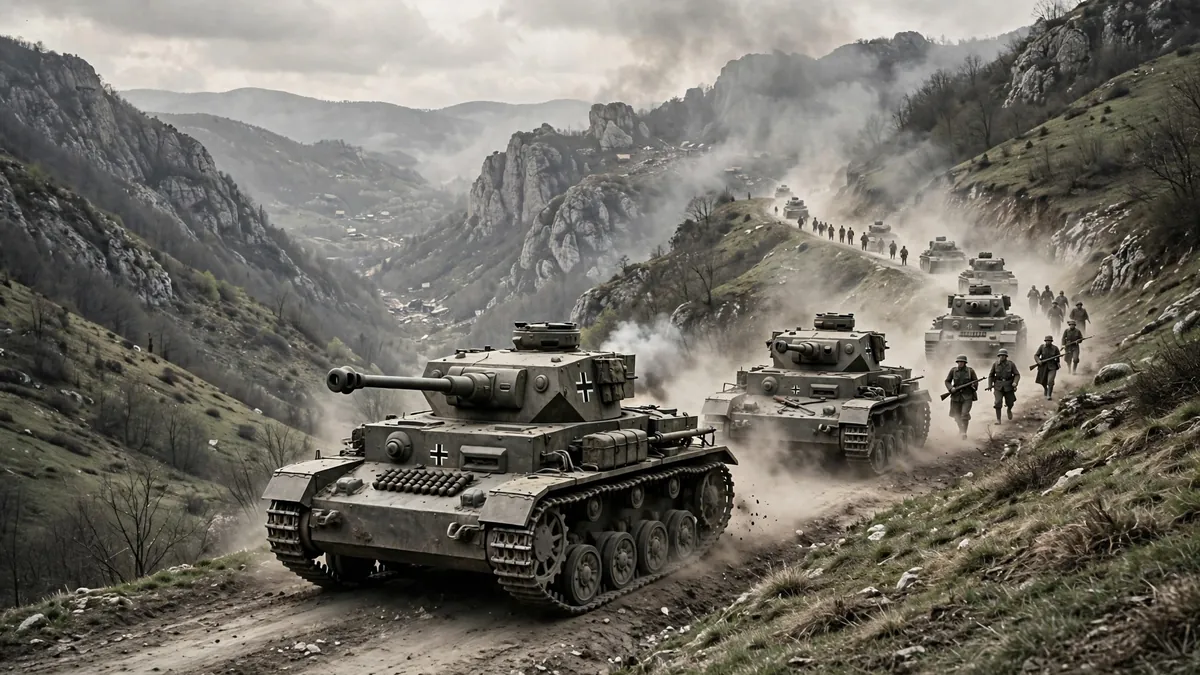
The Balkans Campaign was Germany’s invasion of Yugoslavia and Greece in April 1941, fought from 6 to 30 April in the Second World War. In less than four weeks, the German Army, with Italian, Hungarian and Bulgarian help, destroyed the Yugoslav Army, drove the British expeditionary force out of Greece, and took control of the Balkan peninsula.
Yugoslavia surrendered on 17 April, Greece on 23 April, and the last British troops were evacuated from the Greek mainland by 30 April. The campaign is remembered for the speed of the German victory, for the bombing of Belgrade, and for the argument that has never been settled: whether the Balkan diversion delayed the German invasion of the Soviet Union, Operation Barbarossa, long enough to matter.
What is certain is that the campaign cost Germany time, men and aircraft it could ill afford, and that it left a legacy of resistance and civil war in Yugoslavia and Greece that lasted until the end of the war.
2. Key Facts
| Date | 6–30 April 1941 (Yugoslavia surrendered 17 April; Greece 23 April) |
| Location | Yugoslavia and Greece, Balkan peninsula, south-east Europe |
| Result | Axis victory; Yugoslavia and Greece occupied; British evacuated to Crete and Egypt |
| Axis commanders | Field Marshal Wilhelm List (German 12th Army); Gen. Maximilian von Weichs (2nd Army); Gen. Ewald von Kleist (1st Panzer Group) |
| Allied commanders | Gen. Henry Maitland Wilson (British W Force); Gen. Dušan Simović (Yugoslav Army); Gen. Alexandros Papagos (Greek Army) |
| Axis strength | About 680,000 Germans, plus Italian, Hungarian and Bulgarian troops; 1,200+ aircraft |
| Allied strength | About 850,000 Yugoslavs; about 430,000 Greeks; about 62,000 British, Australian and New Zealand troops |
| Axis losses | German: about 5,500 killed and wounded; Italian losses heavier |
| Allied losses | Yugoslav: about 100,000+ prisoners; Greek: heavy; British: about 3,700 killed, wounded and missing, 12,000+ prisoners |
3. Background
The Balkans before April 1941
In the autumn of 1940, Italy invaded Greece from Albania, and the Greeks drove the Italians back. The war in Greece, which the Italians had expected to win in weeks, became a humiliation for Mussolini and a problem for Hitler, who needed the Balkans secure before he invaded the Soviet Union. In March 1941, Yugoslavia, under pressure from Germany, signed the Tripartite Pact, joining the Axis.
Two days later, on 27 March, Yugoslav officers overthrew the government in a coup, repudiated the pact, and declared Yugoslavia’s neutrality. Hitler, who had planned to use Yugoslavia as a passage to Greece, was furious. On the same day, he issued Directive No.
25, ordering the destruction of Yugoslavia, and he postponed the invasion of the Soviet Union, which had been set for May, to make room for the Balkan campaign. The decision was made in anger, and it has been argued ever since that it cost Germany the war in the east.
Greece and the British expedition
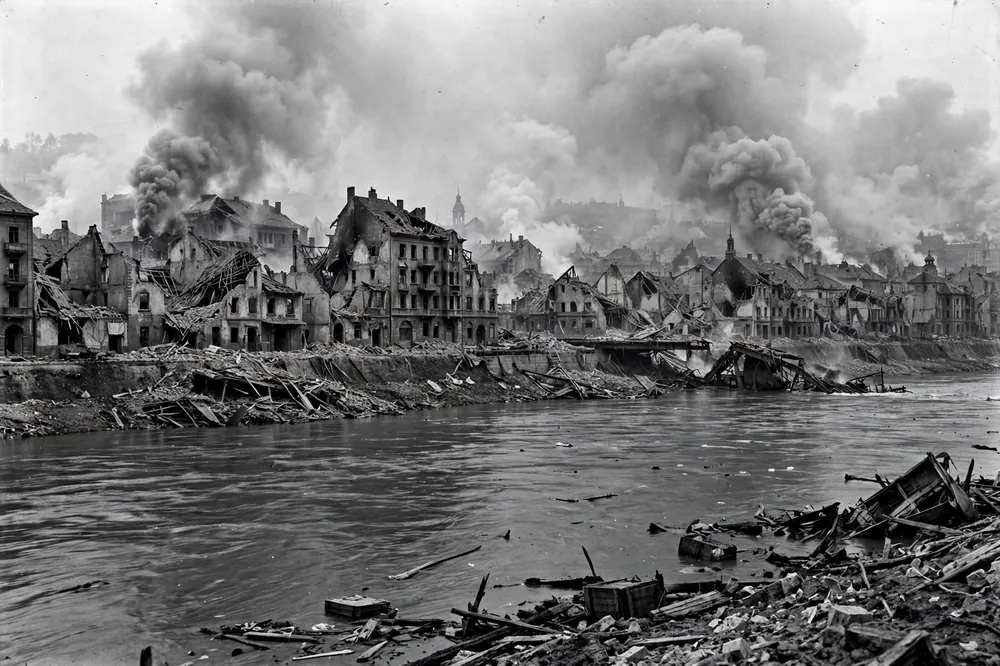
Britain had promised to defend Greece, and in March 1941 it sent an expeditionary force — W Force, under Lieutenant General Henry Maitland Wilson — made up of British, Australian and New Zealand troops, about 62,000 men in total. The force was sent to hold a line in northern Greece, the Aliakmon Line, but it arrived too late and in too little strength: the Greeks had most of their army fighting the Italians in Albania, and the British had few tanks, few guns and almost no aircraft.
The Greek commander, General Alexandros Papagos, and the British disagreed about where to defend, and the Yugoslav Army, which was supposed to hold the eastern flank, collapsed in days. The British force, outnumbered and outmatched in the air, was never in a position to hold Greece, and its commanders knew it.
The German plan
The German plan, Operation Marita for Greece and Operation 25 for Yugoslavia, was a model of the blitzkrieg that had conquered France in 1940. The German 12th Army, under Field Marshal Wilhelm List, would attack Greece from Bulgaria, through the Metaxas Line and the Monastir Gap, while the 2nd Army, under General Maximilian von Weichs, attacked Yugoslavia from Austria, Hungary and Romania, and the 1st Panzer Group, under General Ewald von Kleist, drove on Belgrade.
The attack would be supported by more than 1,200 aircraft of the Luftwaffe, and it would begin with the bombing of Belgrade, the Yugoslav capital, on the first morning. The plan depended on speed: the Yugoslav Army was large but slow to mobilise, and the Greeks were already committed in Albania, and the Germans intended to destroy both before they could concentrate.
4. Opposing Forces
The Axis attacking force was overwhelming. Germany committed the 12th Army and the 2nd Army, with the 1st Panzer Group, a total of about 680,000 men, 1,200 aircraft and hundreds of tanks, including the Panzer divisions that had conquered France. Italy contributed troops from Albania, Hungary contributed troops from the north, and Bulgaria allowed the Germans to attack from its territory.
The German Army of 1941 was at the height of its power: its divisions were fully equipped, its officers were experienced, and its air force, the Luftwaffe, had no equal in Europe. Its weakness was that it was fighting on a timetable — Hitler wanted the Balkans finished quickly, so that the invasion of the Soviet Union could begin — and it was fighting in mountains, where tanks and aircraft were less effective than on the plains of France.
| Axis | Allies | |
|---|---|---|
| Infantry | German 12th and 2nd Armies; Italian 9th and 11th Armies; Hungarian and Bulgarian troops | Yugoslav Army (about 850,000 on paper); Greek Army (about 430,000); British W Force (62,000) |
| Tanks | 1st Panzer Group; hundreds of Panzer III and IV tanks | Few tanks; British had about 100 light tanks |
| Artillery | Well equipped; heavy artillery for the Metaxas Line | Short of guns; Yugoslav artillery outdated |
| Aircraft | 1,200+ Luftwaffe aircraft; air superiority from the first day | Fewer than 100 British aircraft; Greek and Yugoslav air forces small and outdated |
| Supply | By rail and road from Germany and Bulgaria | Yugoslav mobilisation incomplete; Greek supply lines stretched to Albania |
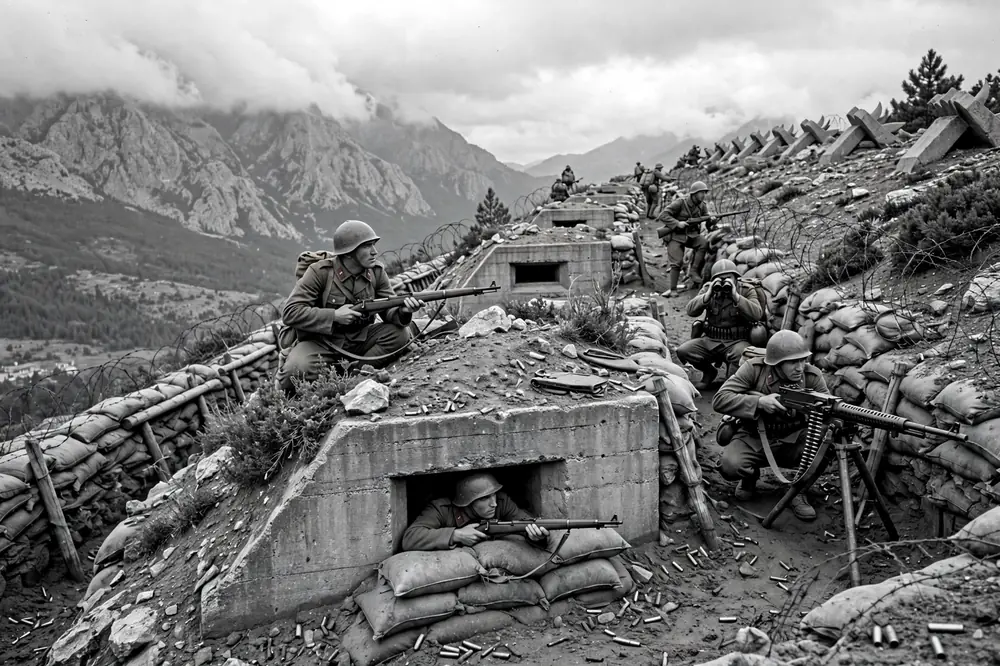
The Allied defence was large on paper and weak in reality. The Yugoslav Army numbered about 850,000 men on paper, but it was slow to mobilise, its equipment was outdated, its officers were divided by the ethnic tensions of Yugoslavia — Serbs, Croats, Slovenes and Bosnian Muslims who did not trust each other — and its air force was small.
The Greek Army, about 430,000 men, was a good fighting force, but most of it was in Albania, fighting the Italians, and it could not be moved to the north in time. The British W Force, about 62,000 men, was well trained but small, and it had almost no air support.
The three Allied armies never fought as one: the Yugoslavs fought alone in the north, the Greeks fought alone in Albania, and the British fought alone in the south.
5. The Battle
6 April: the bombing of Belgrade
The campaign began on 6 April 1941, Palm Sunday, with the bombing of Belgrade. More than 300 German bombers, escorted by fighters, attacked the Yugoslav capital in waves, killing thousands of civilians — estimates range from about 2,000 to 17,000 dead, and the true figure is not known — and destroying much of the city centre.
The bombing, codenamed Operation Punishment, was intended as revenge for the coup of 27 March and as a warning to the Yugoslav Army. At the same time, German ground forces crossed the Yugoslav frontiers from Austria, Hungary, Romania and Bulgaria, and the Luftwaffe attacked Yugoslav airfields, destroying most of the Yugoslav Air Force on the ground.
The Yugoslav Army, which had only just begun to mobilise, was caught by surprise, and its command and communications collapsed within days.
The fall of Yugoslavia
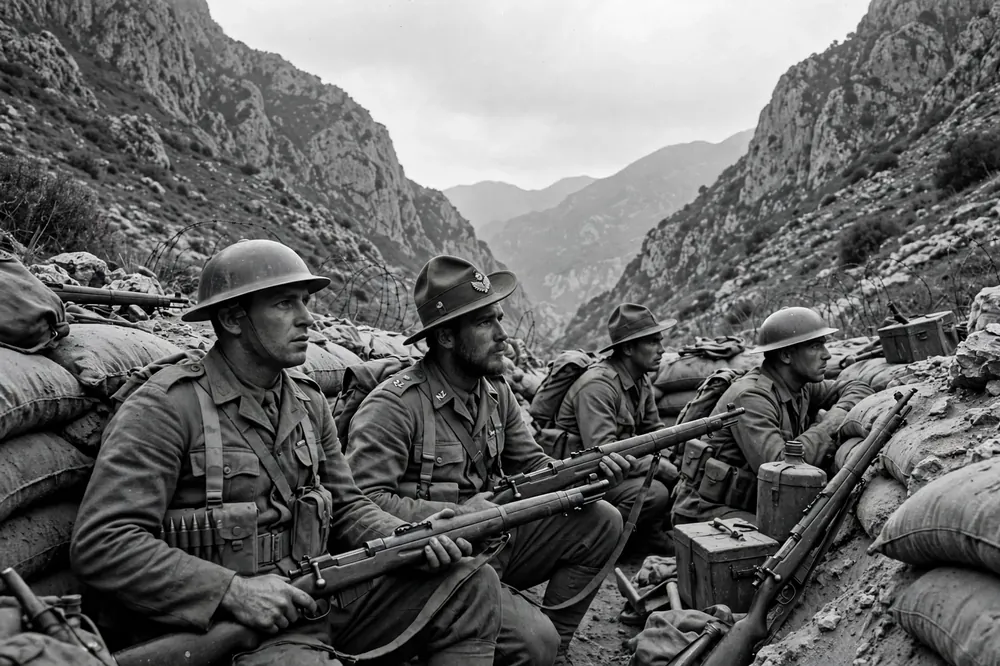
The Yugoslav collapse was swift. The 1st Panzer Group, under General Ewald von Kleist, drove on Belgrade from the north, and the 2nd Army attacked from Austria and Hungary. The Yugoslav divisions, scattered and poorly coordinated, were cut off and surrounded, and many of them surrendered without fighting. On 12 April, German tanks entered Belgrade, and on 17 April the Yugoslav Army surrendered unconditionally.
The campaign in Yugoslavia had lasted eleven days. The Yugoslav government and the young King Peter II fled to London, and Yugoslavia was divided between Germany, Italy, Hungary and Bulgaria, and the puppet state of Croatia was proclaimed. The speed of the collapse shocked the Allies, and it left the British in Greece exposed: the Yugoslav Army, which was supposed to hold the eastern flank, no longer existed.
The fall of Greece
In Greece, the German 12th Army attacked on 6 April from Bulgaria. Its first target was the Metaxas Line, the Greek fortifications along the Bulgarian frontier, which held for three days before the Germans broke through the Monastir Gap, the pass through the mountains from Yugoslavia into northern Greece.
The British W Force, which had taken up a position on the Aliakmon Line, was outflanked, and it began a fighting retreat southwards, through the passes of Mount Olympus and Thermopylae — the same pass where the Spartans had fought the Persians in 480 BC.
The retreat was conducted under constant air attack, and the British, Australian and New Zealand troops fought a series of rearguard actions, at Vevi, at Olympus and at Thermopylae, that allowed the main force to reach the ports of southern Greece. On 23 April, the Greek Army in Albania surrendered, and on 27 April German troops entered Athens.
The British evacuation, Operation Demon, took 50,000 men off the beaches of southern Greece between 24 and 30 April, but it left behind 12,000 prisoners and most of its equipment. The campaign in Greece was over.
6. Turning Point
The Monastir Gap / Khe Monastir
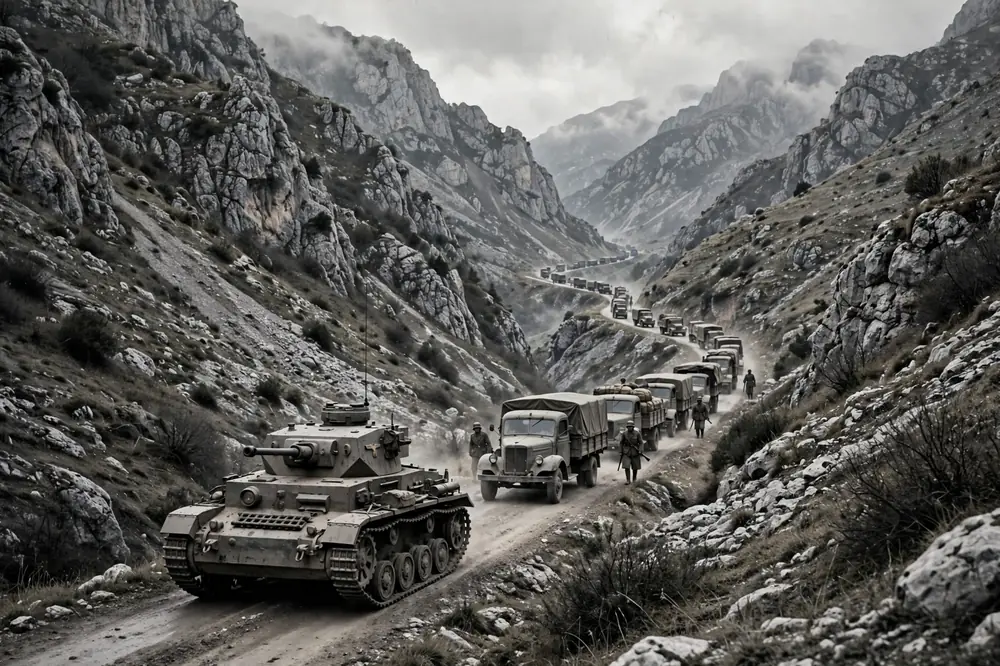
The turning point of the campaign was the German breakthrough through the Monastir Gap on 8–9 April. The gap, a pass through the mountains on the Yugoslav–Greek frontier, was the key to northern Greece: whoever held it could outflank the Aliakmon Line, and whoever lost it would see their army cut off.
The Yugoslav Army, which was supposed to hold the gap, collapsed before it could be defended, and the German 12th Army, which had been stopped at the Metaxas Line, drove through the gap and into the rear of the British and Greek forces. The breakthrough made the defence of northern Greece impossible, and it turned the campaign from a battle into a retreat.
The British, who had planned to hold a line, were forced to fight a rearguard action all the way to the sea.
The debate over Barbarossa
The second turning point is a matter of history, not of battle: the delay to Operation Barbarossa. Hitler had planned to invade the Soviet Union in May 1941, and the Balkan campaign forced him to postpone it to 22 June.
For decades, historians argued that the delay — five weeks — cost Germany the war in the east, because the invasion, which began in June, ran into the Russian winter before it could take Moscow. More recent historians have questioned this: they point out that the spring of 1941 was unusually wet, and that the roads in Russia would not have been passable in May, and that the German Army was not ready in May in any case.
The debate has never been settled, and it probably never will be. What is certain is that the Balkan campaign cost Germany time, and that time, in a war against the Soviet Union, was the one thing Germany could not afford to lose.
7. Casualties and Losses
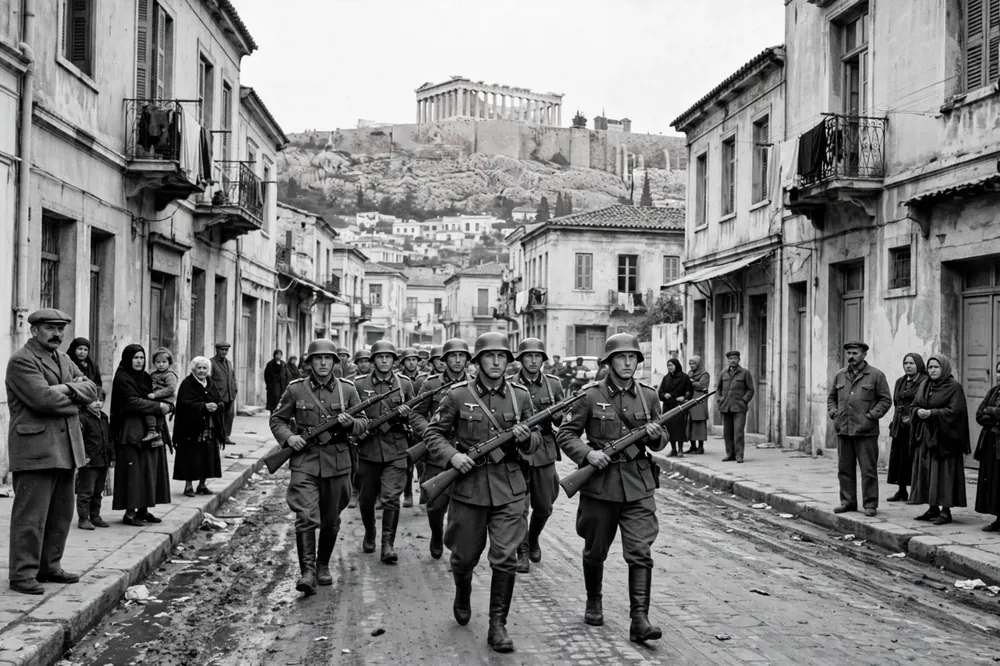
Casualty figures for the Balkans Campaign are estimates, and sources differ widely, especially for Yugoslavia and Greece. German losses were light: about 5,500 killed and wounded in total, including about 1,100 killed, a figure that shows how completely the campaign was won. Italian losses were heavier, and Hungarian and Bulgarian losses were small.
Allied losses were far heavier, but they are hard to count, because the Yugoslav and Greek armies disintegrated and their records were lost. Yugoslav losses are estimated at about 100,000 men taken prisoner, with thousands killed and wounded. Greek losses were heavy, especially in the fighting in Albania and in the retreat, and the British lost about 3,700 killed, wounded and missing, with more than 12,000 taken prisoner.
| Axis | Allies | |
|---|---|---|
| Killed | German: about 1,100 (estimate) | Yugoslav and Greek: thousands (estimates vary) |
| Wounded and missing | German: about 4,400 (estimate) | British: about 3,700; Yugoslav and Greek: many thousands |
| Prisoners | Few | Yugoslav: about 100,000+; Greek: tens of thousands; British: 12,000+ |
| Total | German: about 5,500 | Allied: well over 150,000 (estimate) |
| Civilians | — | Belgrade bombing: about 2,000–17,000 dead (estimates vary) |
The civilian cost of the campaign was also heavy, and it did not end with the fighting. The bombing of Belgrade killed thousands of civilians, and the occupation that followed brought reprisals, deportations and, in Yugoslavia, a civil war between the Partisans, the Chetniks and the Ustasha that killed hundreds of thousands of people. The campaign’s military losses were small compared with the losses of the war that followed in the Balkans, but they were the beginning of that war. The British evacuation, which saved 50,000 men, was a success of its kind, but it was a retreat, and it left Greece and Yugoslavia to four years of occupation.
8. Map and Geography
Mountains and passes
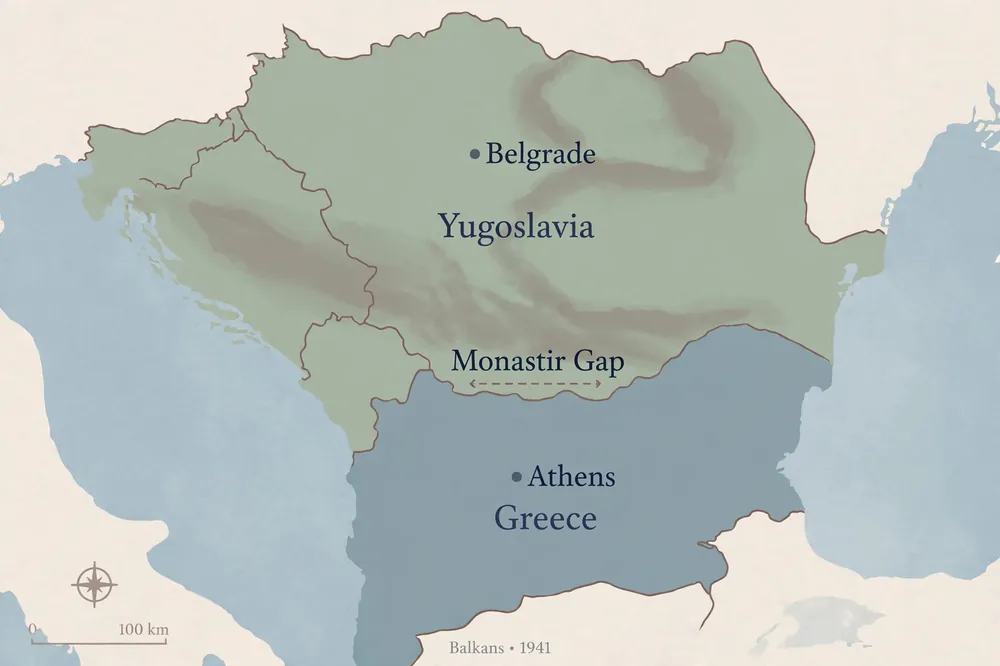
The Balkans are a land of mountains, and the campaign was fought in and over them. Yugoslavia is cut by the Dinaric Alps, which run along the Adriatic coast, and by the mountains of Serbia and Macedonia, which separate the Danube plain in the north from the Aegean in the south.
Greece is cut by the Pindus mountains, which run down the spine of the country, and by the passes of Mount Olympus and Thermopylae, which guard the road from the north to Athens. The campaign was, in large part, a campaign of passes: the Monastir Gap, the Olympus Pass, the Thermopylae Pass, and the Metaxas Line, which guarded the passes from Bulgaria into Greece.
Whoever held the passes held the campaign, and the Germans, who had the tanks and the aircraft to force them, held them all.
The Aegean and the sea
The sea mattered as much as the mountains. The British evacuation from Greece was a sea operation, and the Royal Navy, which controlled the Aegean, was able to take 50,000 men off the beaches of southern Greece and carry them to Crete and Egypt. The Germans, who had no navy in the Mediterranean, could not stop the evacuation, and they could not follow the British to Crete by sea.
The campaign ended, therefore, not with the destruction of the British force but with its escape, and the next battle in the Mediterranean — the Battle of Crete in May 1941 — was fought because the British had escaped to Crete.
The geography of the Balkans, with its mountains and its seas, shaped the campaign at every stage, and it shaped the war that followed: the mountains sheltered the resistance, and the sea carried the Allies away.
9. Outcome and Legacy of the Balkans Campaign
Occupation and resistance
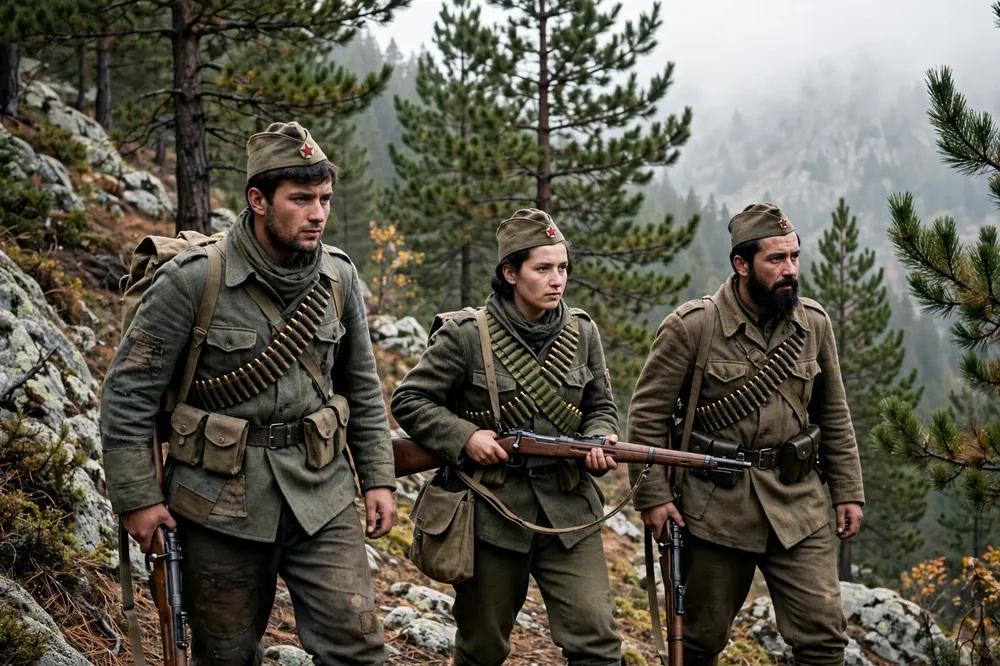
The Balkans Campaign ended with the occupation of Yugoslavia and Greece, and the occupation lasted until 1944–1945. In Yugoslavia, the occupation produced a resistance movement, the Partisans under Josip Broz Tito, and a civil war between the Partisans, the Chetniks under Draža Mihailović, and the Ustasha regime in Croatia, a war that killed hundreds of thousands of people and that has shaped the history of the Balkans ever since.
In Greece, the occupation produced a resistance movement, and a civil war after the war, that divided the country for a generation. The campaign, which Hitler had intended as a short diversion, created a running sore in the German war effort: German divisions were tied down in the Balkans for the rest of the war, fighting partisans in the mountains, and they were not available for the front in Russia.
Crete and the war in the Mediterranean
The campaign’s immediate consequence was the Battle of Crete, fought in May 1941, when the Germans, who could not reach Crete by sea, attacked it by air, with paratroops. The battle was a German victory, but it cost the German paratroop force so heavily that Hitler never used it again in a major airborne operation.
The campaign also shaped the war in the Mediterranean: the loss of Greece and Yugoslavia gave the Germans airfields from which they could attack British shipping, and it gave them control of the Aegean, but it also committed them to a theatre they had not wanted, and it delayed the invasion of the Soviet Union.
The Balkans Campaign is remembered, above all, as the campaign that showed how quickly a country could be conquered, and how slowly it could be held.
The governments in exile
After the campaign, the governments of Yugoslavia and Greece went into exile. The young King Peter II of Yugoslavia and his government fled to London, where they remained for the rest of the war, and the Greek King George II and his government fled first to Crete and then to Egypt.
The governments in exile were, in theory, the legitimate governments of their countries, but in practice they had little power: the real power in Yugoslavia passed to the Partisans under Tito, who fought the Germans and who, after the war, refused to restore the King, and the real power in Greece passed to the resistance movements, which fought the Germans and which, after the war, fought a civil war.
The exile governments are remembered as a symbol of the campaign’s aftermath: the countries had been conquered, their governments had fled, and their peoples were left to fight the occupation alone, in the mountains and in the cities, for four years.
10. Commanders
Field Marshal Wilhelm List (Germany). Commander of the German 12th Army, which attacked Greece from Bulgaria. List, a veteran of the First World War, had commanded the 12th Army in the invasion of France and was given the Greek campaign. He later commanded Army Group A in the Soviet Union and was tried for war crimes after the war.
General Maximilian von Weichs (Germany). Commander of the German 2nd Army, which attacked Yugoslavia from Austria and Hungary. Weichs, a cavalry officer, later commanded Army Group B in the Soviet Union and Army Group F in the Balkans, where he directed the war against the Partisans.
General Ewald von Kleist (Germany). Commander of the 1st Panzer Group, whose tanks drove on Belgrade and broke the Yugoslav Army. Kleist, one of the finest Panzer commanders of the war, later commanded the 1st Panzer Army in the Soviet Union and was captured by the British in 1945.
Lieutenant General Henry Maitland Wilson (Britain). Commander of W Force, the British expeditionary force in Greece. Wilson, known as “Jumbo” for his size, conducted the fighting retreat from the Aliakmon Line to the sea and the evacuation, Operation Demon. He later became Supreme Allied Commander in the Mediterranean.
General Dušan Simović (Yugoslavia). Commander of the Yugoslav Air Force and the leader of the coup of 27 March 1941 that overthrew the government and repudiated the Tripartite Pact. Simović became prime minister of the Yugoslav government-in-exile, but he could not save his army from the German attack.
General Alexandros Papagos (Greece). Commander-in-Chief of the Greek Army. Papagos, who had driven the Italians back in Albania, was responsible for the defence of Greece against the Germans, but his army was committed in Albania and could not be moved in time. He was captured by the Germans and spent the war in a concentration camp.
11. Frequently Asked Questions
How long did the Balkans Campaign last?
From 6 to 30 April 1941, less than four weeks. Yugoslavia surrendered on 17 April, after eleven days, and Greece surrendered on 23 April. The last British troops were evacuated from the Greek mainland by 30 April. The speed of the campaign is the point: in less than four weeks, two countries were conquered, an expeditionary force was driven into the sea, and the Balkans were under Axis control. The campaign was short because the German attack was overwhelming — armour, aircraft and paratroops striking together — and because the Yugoslav Army, still mobilising, collapsed before it could form a front.
Why did Germany invade Yugoslavia?
Because Yugoslav officers overthrew the government on 27 March 1941 and repudiated the Tripartite Pact, which Yugoslavia had signed two days before. Hitler, who had planned to use Yugoslavia as a passage to Greece, ordered its destruction on the same day, in Directive No. 25. The coup changed everything for Hitler, because Yugoslavia had been counted on as a quiet flank: its army was supposed to stay out of the way while Germany attacked Greece. Once the new government rejected the pact, Hitler could not leave a hostile Yugoslavia behind his armies, and he ordered its destruction the same day the coup took place.
Did the Balkans Campaign delay Operation Barbarossa?
It delayed the invasion of the Soviet Union from May to 22 June 1941, a delay of about five weeks. Whether the delay cost Germany the war in the east is still debated: some historians say it did, because the invasion ran into the Russian winter before taking Moscow, while others say the spring of 1941 was too wet for an invasion in May in any case. The debate matters because the delay is one of the what-ifs of the war: if the invasion had begun in May, the Germans might have reached Moscow before the winter. Against that, the spring rains would have made the roads impassable.
How many civilians died in the bombing of Belgrade?
Estimates range from about 2,000 to 17,000 dead, and the true figure is not known. The bombing, on 6 April 1941, destroyed much of the city centre and was intended as revenge for the coup of 27 March. The range is so wide because the bombing destroyed the records that would have settled the figure, and because the two sides counted differently. The true figure will probably never be known, which is why historians give a range rather than a single number. What is not disputed is that the bombing was deliberate, and that it struck the city centre.
What was Operation Demon?
Operation Demon was the British evacuation of Greece, from 24 to 30 April 1941, in which the Royal Navy took about 50,000 British, Australian and New Zealand troops off the beaches of southern Greece and carried them to Crete and Egypt. About 12,000 men were left behind as prisoners. The evacuation was a defeat, but it was an organised one: the Navy took off most of the army, and the men who were saved were carried to Crete and Egypt, where they could fight again. The 12,000 left behind became prisoners, and their loss was the price of a campaign fought against overwhelming odds from the start.
What happened in Yugoslavia and Greece after the campaign?
Both countries were occupied until 1944–1945. In Yugoslavia, the occupation produced the Partisan resistance under Tito and a civil war that killed hundreds of thousands. In Greece, it produced a resistance movement and a civil war after the war. German divisions were tied down in the Balkans for the rest of the war. The occupation shaped the rest of the war in the Balkans: German divisions were tied down fighting partisans in the mountains. The resistance movements that grew under occupation became the armies that liberated their countries, and the civil wars that followed them shaped Yugoslavia and Greece for a generation.
12. Sources
- Wikipedia, “Balkans campaign (World War II)” — dates, strength, casualties and the course of the campaign.
- Encyclopædia Britannica, “Balkans Campaign” — background and the invasion of Yugoslavia and Greece.
- Martin van Creveld, Hitler’s Strategy 1940–1941: The Balkan Clue (Cambridge University Press, 1973) — the debate over Barbarossa and the delay.
- Christopher Buckley, Greece and Crete 1941 (HMSO, 1952) — the official British history of the campaign in Greece.
- Jozo Tomasevich, War and Revolution in Yugoslavia, 1941–1945 (Stanford University Press, 1975) — Yugoslavia and the occupation.
- Heinz Richter, Greece in World War II — the Greek Army and the campaign in Greece.
- Alan Bullock, Hitler: A Study in Tyranny (Odhams, 1952).
- Mark Mazower, Inside Hitler’s Greece: The Experience of Occupation, 1941–44 (Yale University Press, 1993).