 WAR ATLAS MILITARY HISTORY MAGAZINE · WWI — WWII
Günther Rall
1. Lead
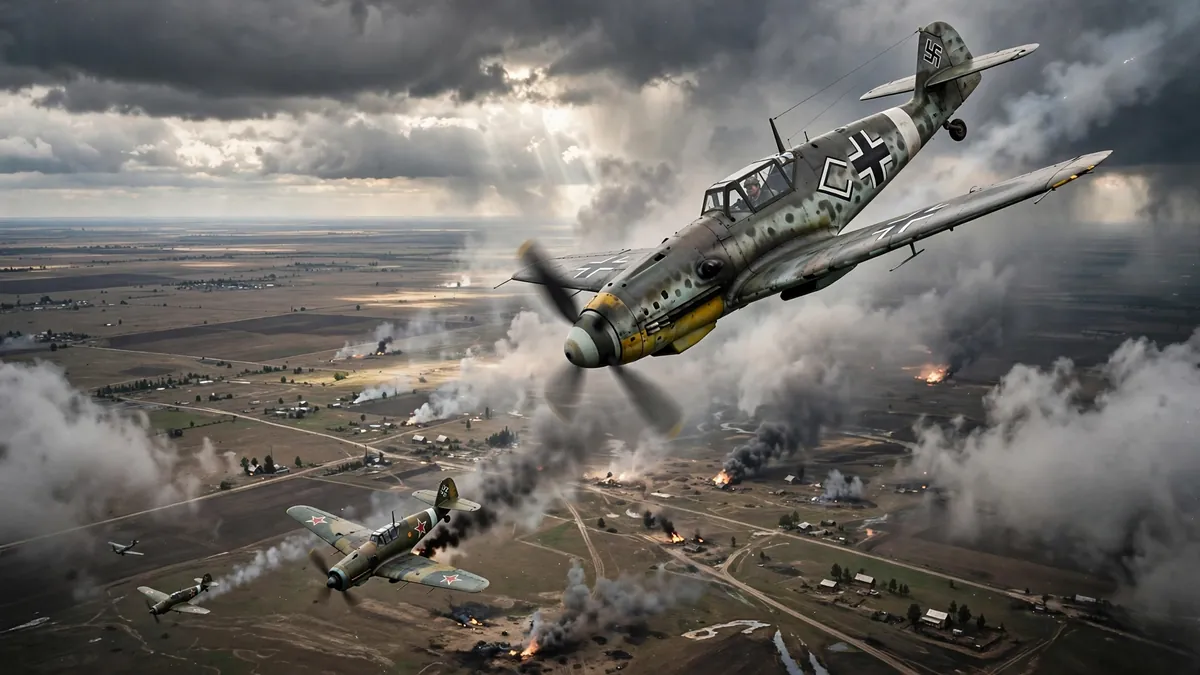
Günther Rall (1918–2009) was the third-highest-scoring fighter ace in history. Credited with 275 aerial victories, he flew with Jagdgeschwader 52 on the Eastern Front, the most successful fighter wing of the Second World War, and he was awarded the Knight’s Cross with Oak Leaves and Swords.
He was shot down eight times, wounded five times, and he survived the war to become one of the most important figures in the post-war German air force, serving as Inspector of the Air Force and as a senior commander in NATO.
Rall’s career spans the whole history of German military aviation in the twentieth century: from the Luftwaffe of the Second World War, through the disgrace and the division of Germany, to the rebuilding of the Bundesluftwaffe in the Cold War, and his life is a story of a pilot who flew for a criminal regime and then helped to build a democratic air force.
2. Key Facts
| Born | 10 March 1918, Gaggenau, German Empire |
| Died | 4 October 2009, Bad Reichenhall, Germany (aged 91) |
| Service | Luftwaffe, 1936–1945; Bundesluftwaffe, 1956–1975 / Luftwaffe, 1936–1945; Bundesluftwaffe, 1956–1975 |
| Unit | JG 52 (Eastern Front); JG 300 (Defence of the Reich) |
| Aerial victories | 275 credited (272 on the Eastern Front, 3 in the West) |
| Combat missions | 621 sorties |
| Times shot down | 8 / 8 |
| Highest award | Knight’s Cross with Oak Leaves and Swords |
| Post-war role | Inspector of the German Air Force, 1971–1974 |
3. Early Life
A Black Forest childhood
Günther Rall was born on 10 March 1918 at Gaggenau, in the Black Forest region of Baden, in the last year of the First World War. He grew up in the Weimar Republic, in a Germany that was, like the Germany of Rudorffer’s childhood, humiliated by defeat and by the Treaty of Versailles, and he was drawn to aviation as a boy.
He learned to fly gliders in the clubs that sprang up across Germany in the 1930s, and in 1936, at the age of eighteen, he joined the Luftwaffe, the new German air force that Hitler had created in defiance of the treaty. He trained as a fighter pilot, and he was commissioned as an officer in 1938.
He was twenty-one when the war began, and he was posted to Jagdgeschwader 52, the wing with which he would spend most of the war.
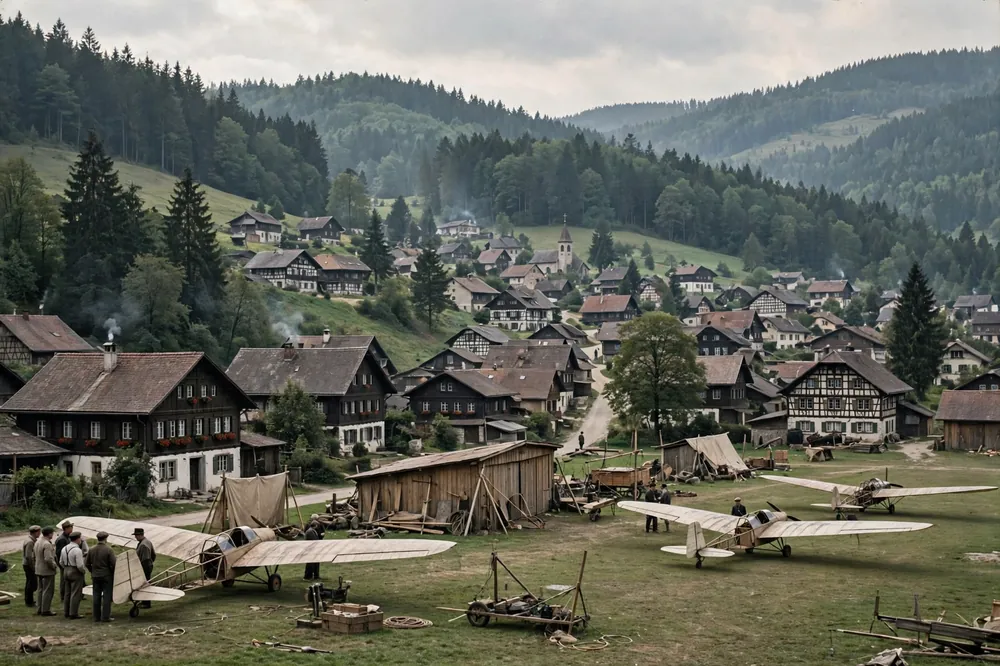
Rall learned to fly in the gliding clubs that sprang up across Germany in the 1930s, ostensibly civilian sporting organisations that were, in fact, the training ground for the future Luftwaffe. The Treaty of Versailles had forbidden Germany to have a military air force, and the gliding clubs were the means by which a generation of young Germans learned to fly, in defiance of the treaty.
Rall, who was a natural pilot, took to gliding with enthusiasm, and he learned the fundamentals of flight — the feel of the air, the reading of the wind, and the discipline of the landing — in aircraft that had no engine and no second chance.
When he joined the Luftwaffe in 1936, he was already an experienced glider pilot, and his training as a fighter pilot, which followed, built on the foundation that gliding had given him.
First service
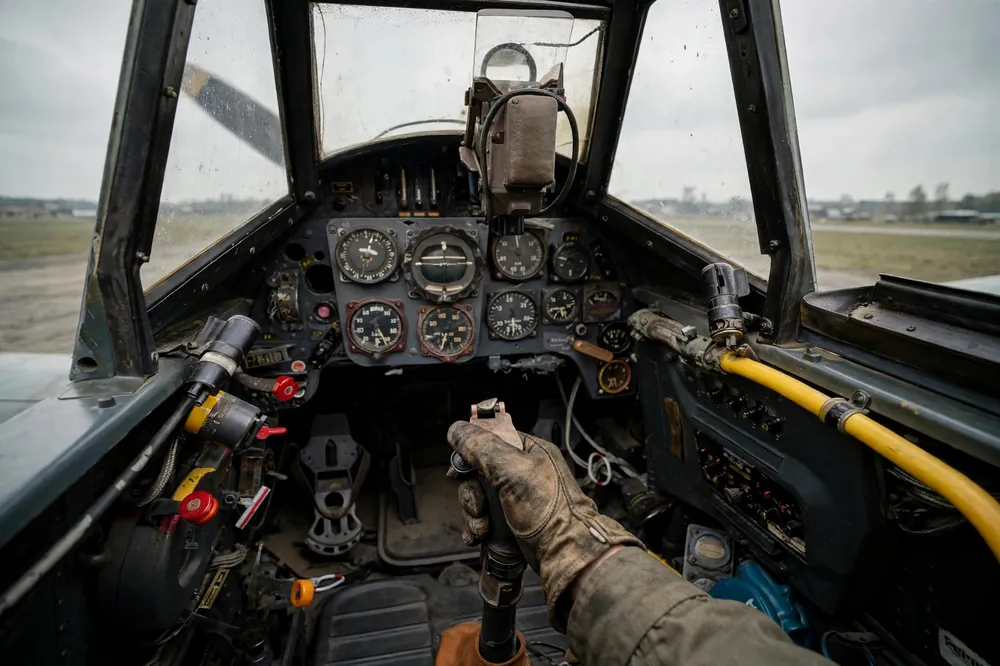
Rall’s first combat service was in the Battle of France in 1940 and in the Battle of Britain later that year, flying the Messerschmitt Bf 109. He claimed his first victories over France, but his time in the west was brief: in 1941 his unit was transferred to the Eastern Front for the invasion of the Soviet Union, and it was there, over the steppes and the forests of Russia, that Rall would make his reputation.
He was a pilot of exceptional skill, with superb eyesight and a calm, methodical approach to combat, and he developed a reputation for being a “thinking” pilot, one who studied his enemy and planned his attacks, rather than relying on aggression alone.
His comrades in JG 52, which included the two highest-scoring aces in history, Erich Hartmann and Gerhard Barkhorn, regarded him as one of the best pilots in the wing.
4. The Eastern Front with JG 52
The most successful fighter wing
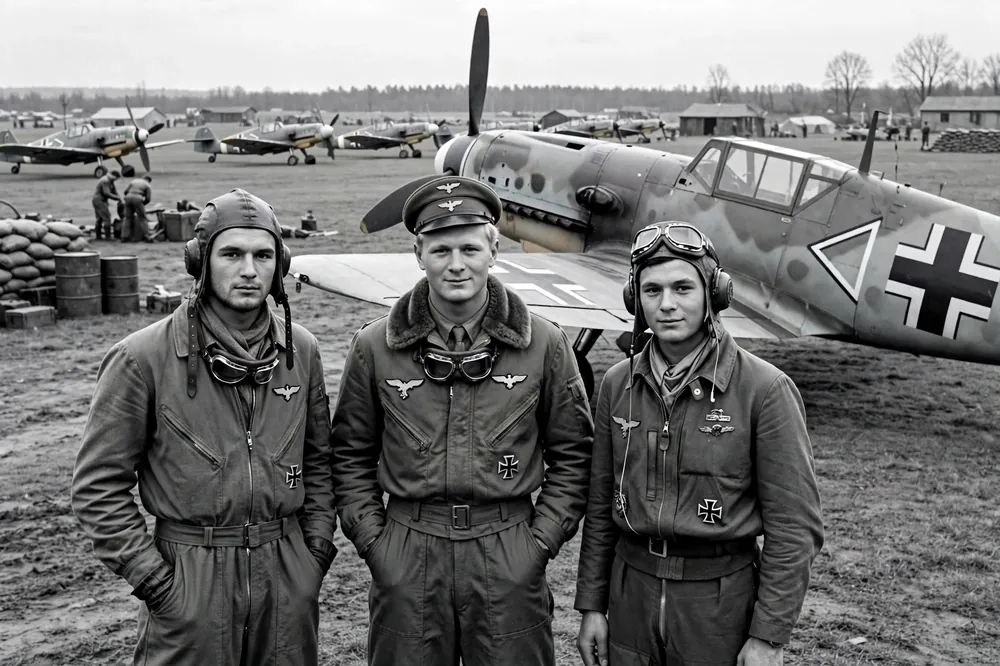
Jagdgeschwader 52 was the most successful fighter wing in history, credited with more than 10,000 aerial victories during the war, and Rall was one of its leading pilots. The wing fought on the Eastern Front from the first day of the invasion to the last, over the Ukraine, the Caucasus, the Crimea and the steppes, and its pilots — Hartmann, Barkhorn, Rall and dozens of others — became the highest-scoring aces in history.
The reasons for JG 52’s success were the same as the reasons for the German aces’ success in general: the Soviet air force in 1941–43 was large but poorly trained, its pilots flew obsolete aircraft, and the German pilots, who were among the best trained in the world, were able to score heavily.
Rall, flying the Bf 109, claimed victory after victory, and by 1942 he was already among the Luftwaffe’s leading aces.
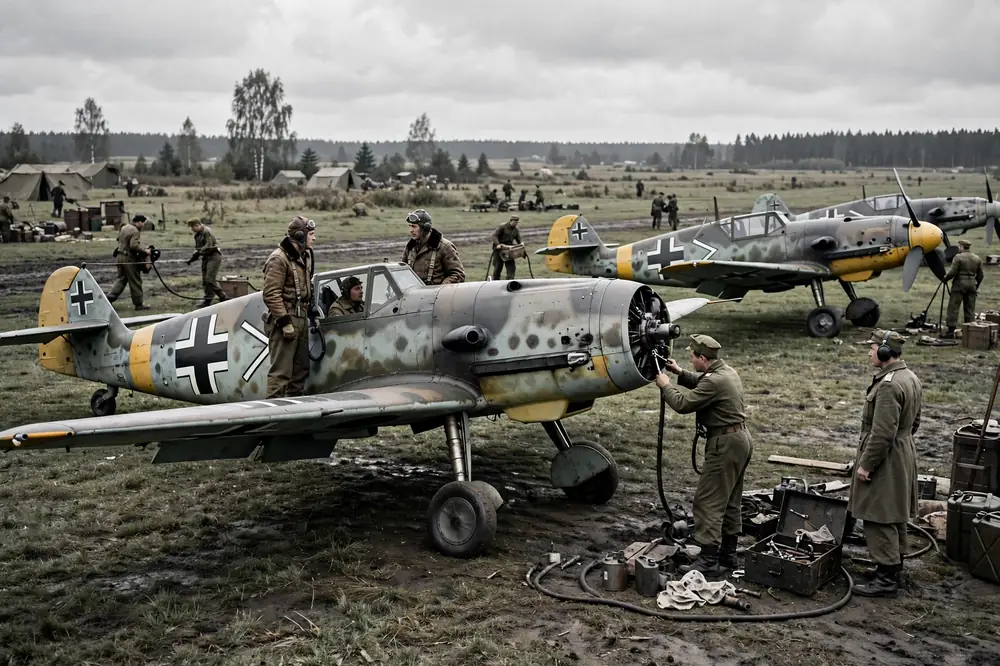
Jagdgeschwader 52’s pilots included Erich Hartmann, credited with 352 victories, the highest total in history, and Gerhard Barkhorn, credited with 301, the second-highest, and Rall, credited with 275, the third-highest, and the wing’s record — more than 10,000 victories — was the highest of any fighter wing in history.
The wing fought on the Eastern Front from the first day of the invasion to the last, and its bases moved with the front, from airfields in Romania and the Ukraine to airfields in Poland and Czechoslovakia, as the German armies retreated.
The wing’s pilots, who flew every day, in all weathers, became the most experienced fighter pilots in the world, and their scores, however they are judged today, are a measure of the intensity of the air war on the Eastern Front, and of the opportunities it offered to a skilled pilot.
275 credited victories
Rall’s official score was 275 credited victories, of which 272 were claimed on the Eastern Front and 3 in the West, from 621 combat missions. The figure of 275 places him third among all fighter aces in history, behind Erich Hartmann, credited with 352 victories, and Gerhard Barkhorn, credited with 301, both of whom were his comrades in JG 52.
The figure is a credited total under the Luftwaffe’s confirmation system, and it should be understood as such: the Luftwaffe’s system was rigorous, requiring a witness or wreckage, but on the Eastern Front, where the fighting was fluid and the wreckage often fell behind Soviet lines, confirmation was sometimes based on the pilot’s report and the testimony of his wingman, and modern research suggests that German victory totals, while broadly accurate in their order of magnitude, are not exact counts of aircraft destroyed.
Rall himself, in his later years, was candid about the system and its limitations, and he never claimed that his 275 victories were an exact, independently verified count.
5. Shot Down and Wounded
Eight shoot-downs
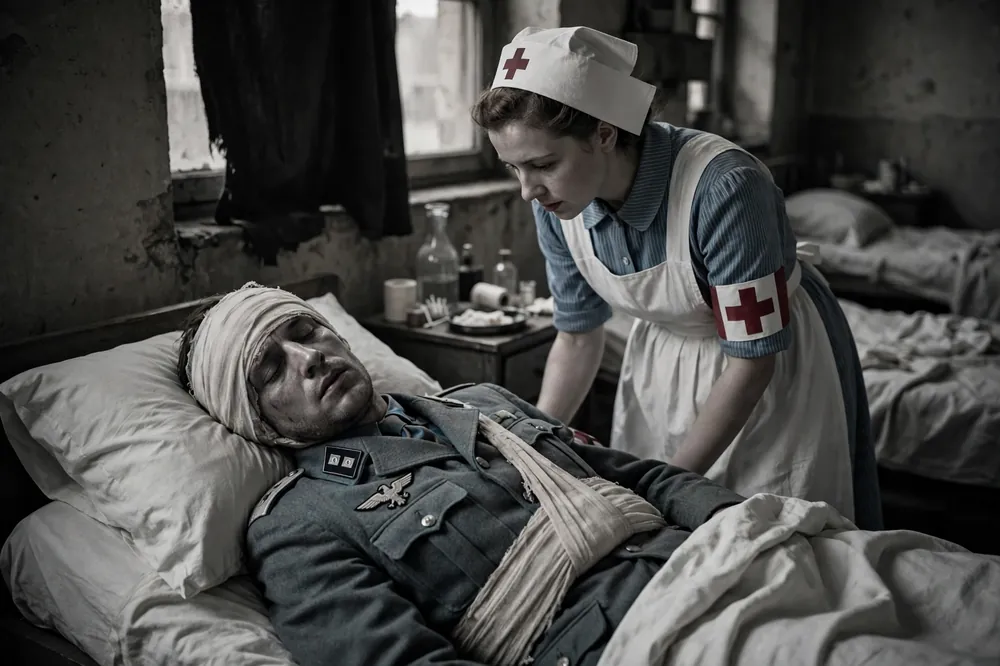
Rall was shot down eight times during the war, and he was wounded five times, figures that testify to the danger of his service and to his determination to return to combat. His most serious wound came in November 1943, when he was shot down over the Eastern Front and suffered a broken back.
He spent months in hospital, and his back was so badly injured that his doctors told him he would never fly again. Rall, who was determined to return to the front, underwent a long and painful rehabilitation, and he taught himself to walk again, and then to fly. He returned to combat in 1944, still suffering from his injury, and he continued to fly until the end of the war.
His recovery, and his return to the front, are among the most remarkable stories of the war, and they are a measure of a man who regarded flying as his life.
The Defence of the Reich
In the last months of the war, Rall was transferred to the West, to command Jagdgeschwader 300, a unit flying in the Defence of the Reich against the Allied bomber fleets. The air war over Germany in 1944–45 was a desperate and losing battle: the Allied bombers, escorted by long-range fighters, were destroying German cities by day and by night, and the Luftwaffe, short of fuel, pilots and aircraft, could do little to stop them.
Rall, who had spent most of the war on the Eastern Front, found the Western air war a different and harder fight: the American fighters, in particular, were formidable opponents, and the German pilots were outnumbered and outmatched. He claimed three victories in the West, and he was shot down again, and wounded again, in the last weeks of the war.
When the war ended, he was in an American prisoner-of-war camp, and his flying career, as a Luftwaffe pilot, was over.
6. Prisoner and Civilian
After the war
After his release from captivity, Rall, like many Luftwaffe veterans, found it difficult to adjust to civilian life in a defeated and divided Germany. He worked in civilian jobs, including a period in industry, and he lived quietly in the 1950s, a decade in which the former Luftwaffe pilots were regarded with suspicion by the new West German state and by the Allies.
The Luftwaffe’s aces were, in the eyes of many, tainted by their service to the Nazi regime, and their wartime records were a source of controversy. Rall himself was candid about his service: he had been a soldier, he said, and he had done his duty, but he did not defend the regime he had served, and he did not seek to glorify the war.
His attitude, and his willingness to speak honestly about the war, would serve him well when the new German air force was created.
The new Luftwaffe
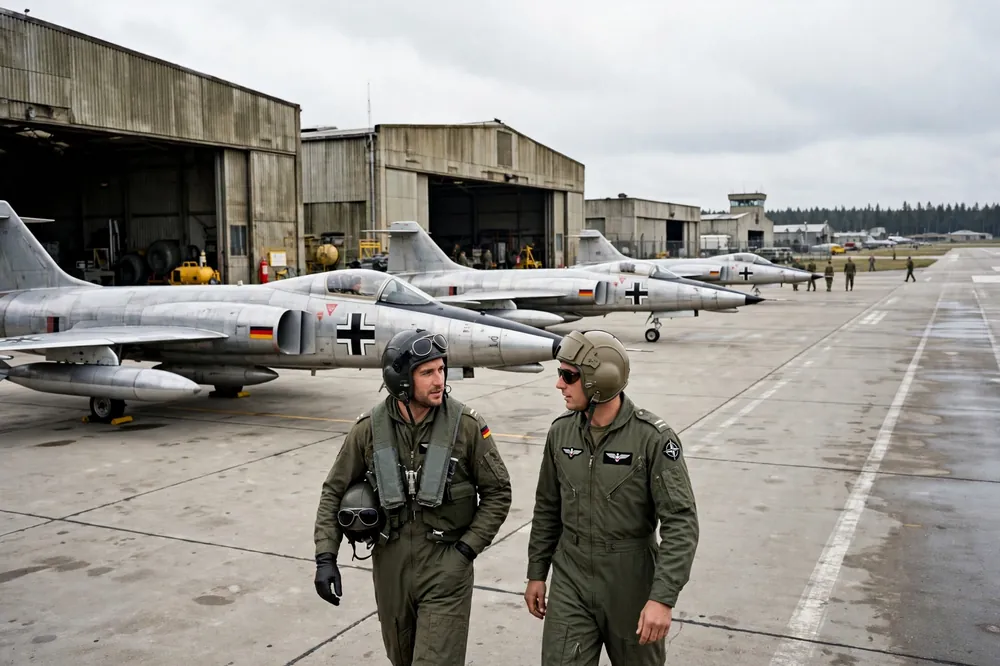
In 1956, West Germany was permitted to rearm, and the new German air force, the Bundesluftwaffe, was created as part of NATO. Rall was one of the former Luftwaffe officers who were invited to join it, and he rose rapidly through its ranks.
He was, by then, a man in his late thirties, with a wealth of flying experience and a reputation as one of the great fighter pilots of the war, and the new air force needed men like him. He served in a series of senior posts, including command of a fighter wing and staff appointments in Bonn, and he was involved in the introduction of new aircraft, notably the American F-104 Starfighter, into the German air force.
His career in the Bundesluftwaffe was, in many ways, a second flying career, and it was one in which he was able to apply the lessons of the war to the building of a new, democratic air force.
7. Inspector of the Air Force
The highest post
In 1971 Rall was appointed Inspector of the German Air Force, the highest post in the Bundesluftwaffe, a position he held until his retirement in 1974. As Inspector, he was responsible for the air force’s readiness, its training, and its doctrine, and he was a senior figure in NATO’s air forces.
His appointment was a remarkable one: a man who had flown for the Luftwaffe in the Second World War was now the head of the democratic German air force, and a senior commander in the alliance that had defeated the Germany he had fought for.
Rall’s tenure as Inspector was marked by his emphasis on training, on safety, and on the lessons of the war, and he was respected by his NATO colleagues, including the American and British airmen who had fought against him. He retired in 1974, after a career in the air that had lasted nearly forty years.
NATO and the Cold War
Rall’s post-war career was, in a sense, a story of reconciliation: the former Luftwaffe ace, who had fought against the Western Allies, became a senior commander in the alliance that united them, and he worked alongside the men who had been his enemies.
His experience in NATO, and his friendships with Allied airmen, were a part of the broader reconciliation between Germany and its former enemies in the Cold War, a reconciliation that was built on the shared threat of the Soviet Union and on the shared values of the democratic West.
Rall’s life, from the Luftwaffe to NATO, is a story of a man who lived through the whole arc of twentieth-century German history, and who, in the end, helped to build a Germany that was a part of the West, not its enemy.
8. The Memoirs
“My Flight Log”
Rall’s memoirs, published in English as My Flight Log in 2004, are among the most important accounts of the Luftwaffe’s fighter war, and they are notable for their honesty and their detail. Rall wrote about his victories, his shoot-downs, his wounds, and his broken back, and he wrote about the men he flew with — Hartmann, Barkhorn and the others — and about the war itself, with a candour that is rare among the memoirs of the German aces.
He was, in his memoirs, clear about the nature of the regime he had served, and he did not seek to excuse it, and he was clear, too, about the limitations of the Luftwaffe’s victory claims, and about the reasons why the German aces scored so heavily on the Eastern Front.
His memoirs are a primary source for the history of the air war, and they are still read today by historians and by aviation enthusiasts.
The ace as witness
Rall’s long life — he lived to ninety-one — meant that he was, for many years, one of the last surviving great aces, and he was sought out by historians, journalists and filmmakers who wanted to hear the story of the air war from a man who had lived it.
He was a generous witness, willing to talk about his experiences, and he was a thoughtful one, reflecting on the war, on the regime, and on the lessons of his life. His interviews and his memoirs are a valuable record, not only of the air war but of the moral complexities of serving in a criminal regime, and of the possibility of a second life, in a democratic Germany, after it.
He died on 4 October 2009, at Bad Reichenhall, aged ninety-one, one of the last of the great aces.
9. Legacy and Assessment
The third-highest ace
Rall’s 275 credited victories place him third among all fighter aces in history, and his record is often cited as evidence of the extraordinary skill of the Luftwaffe’s fighter pilots. But historians today are careful to put the numbers in context, as Rall himself was.
The Soviet air force in 1941–43 was large but poorly trained, its pilots flew obsolete aircraft, and the German pilots, who were among the best trained in the world, were able to score heavily. By 1944–45, the Soviet air force had improved dramatically, and German pilots found the fighting much harder.
Rall’s career spans this change: his greatest scores came in 1942–43, when the Soviet air force was still recovering, and his later service, in the Defence of the Reich, was fought against the Western Allies, whose pilots were among the best in the world. His record must be read with this context in mind.
A pilot of two Germanys
Rall’s legacy is unique among the great aces, because his career did not end in 1945. He flew for the Luftwaffe, he was a prisoner, he worked in civilian life, and then he helped to build the Bundesluftwaffe, and he ended his career as its Inspector, a senior commander in NATO.
His life is a story of two Germanys: the Germany of the Third Reich, which he served as a young pilot, and the democratic Germany of the Federal Republic, which he helped to defend as a senior officer. His memoirs, his interviews, and his long life made him a bridge between the two, and a witness to the whole history of German military aviation in the twentieth century.
He is remembered in Germany today not only as an ace but as a man who lived through the war, learned from it, and helped to build something better after it.
10. JG 52
The wing of aces
Jagdgeschwader 52 deserves a place in this story, because it shaped Rall’s career and the careers of Hartmann and Barkhorn. The wing was credited with more than 10,000 aerial victories, the highest total of any fighter wing in history, and its pilots included the three highest-scoring aces of all time.
The wing’s success was a product of its leadership, its training, and the conditions of the Eastern Front, where the Soviet air force offered an almost unlimited number of targets. But the wing’s success was also a product of the war itself: the Eastern Front was a war of attrition, fought over vast distances, and the air war was a central part of it.
JG 52’s record is a reminder that the air war on the Eastern Front was the largest air war in history, and that its aces, for all their skill, were fighting in conditions that favoured the attacker.
The aces and their critics
The great German aces have always been controversial figures, and Rall was no exception. Their scores were achieved, in large part, on the Eastern Front, against an enemy that was, for much of the war, less well trained and less well equipped than they were, and their victories were in the service of a criminal regime.
Rall himself was aware of this, and he addressed it in his memoirs and his interviews, with a candour that many of his fellow aces did not share. He did not claim that his service had been innocent, and he did not seek to glorify it, but he did claim that he had been a soldier, and that he had done his duty as he understood it.
His story, like the story of all the German aces, is a reminder that military skill and moral judgement are different things, and that history must hold both in view at once.
11. Frequently Asked Questions
How many victories was Günther Rall credited with?
Rall was credited with 275 aerial victories, of which 272 were on the Eastern Front and 3 in the West. He ranks third among all fighter aces in history, behind Erich Hartmann (352) and Gerhard Barkhorn (301). The figure is a credited total under the Luftwaffe’s confirmation system. He ranks third among all fighter aces in history, behind Erich Hartmann, credited with 352 victories, and Gerhard Barkhorn, credited with 301, both of whom were his comrades in JG 52. The figure is a credited total under the Luftwaffe’s confirmation system, and it should be understood as such, not as an independently verified count.
How many times was Rall shot down?
He was shot down eight times and wounded five times during the war. His most serious wound, in November 1943, broke his back, and his doctors told him he would never fly again. He recovered and returned to combat in 1944. His most serious wound, in November 1943, broke his back, and his doctors told him he would never fly again, but he underwent a long and painful rehabilitation and returned to combat in 1944. He flew 621 combat missions, and he was wounded five times, but he survived them all.
What was Rall’s post-war career?
He joined the new West German Air Force, the Bundesluftwaffe, in 1956, rose to become Inspector of the Air Force in 1971–1974, and served as a senior commander in NATO. He retired in 1974. He was involved in the introduction of the F-104 Starfighter into German service, and he served on NATO staffs, working alongside the American and British airmen who had once been his enemies. He rose to become Inspector of the Air Force in 1971–1974, the highest post in the Bundesluftwaffe, and he served as a senior commander in NATO.
Which unit did Rall fly with?
He flew most of the war with Jagdgeschwader 52 on the Eastern Front, the most successful fighter wing in history, credited with more than 10,000 victories. In the last months of the war he commanded JG 300 in the Defence of the Reich. JG 52 was credited with more than 10,000 aerial victories, the highest total of any fighter wing in history, and its pilots included the three highest-scoring aces of all time. In the last months of the war Rall commanded JG 300 in the Defence of the Reich, against the Allied bomber fleets.
Did Rall write memoirs?
Yes. His memoirs were published in English as My Flight Log in 2004. They are noted for their honesty about his service, the Luftwaffe’s victory claims, and the nature of the regime he served. His memoirs were published in English as My Flight Log in 2004, and they are noted for their honesty about his service, the Luftwaffe’s victory claims, and the nature of the regime he served. They are a primary source for the history of the air war, and they are still read today by historians and by aviation enthusiasts.
When did Rall die?
He died on 4 October 2009 at Bad Reichenhall, Germany, aged ninety-one, one of the last surviving great aces of the Second World War. He was one of the last surviving recipients of the Knight’s Cross with Oak Leaves and Swords, and his memoirs, published in 2004, remain a primary source for the air war. He was one of the last surviving great aces of the Second World War, and his death was widely reported in Germany and abroad, where he was remembered as a pilot of two Germanys.
12. Sources
- Wikipedia, “Günther Rall” — birth and death dates, 275 credited victories, JG 52 and JG 300, eight shoot-downs, Inspector of the Air Force 1971–1974.
- Wikipedia, “List of World War II flying aces” — Rall’s ranking as third-highest scoring ace.
- Günther Rall, My Flight Log (English edition, 2004) — his memoirs, including his wounds, his broken back, and his post-war career.
- John Weal, Jagdgeschwader 52: The Experten (Osprey, 2004) — the history of JG 52 and its aces.
- Mike Spick, Luftwaffe Fighter Aces (Greenhill, 1996) — the aces and their tactics.
- Encyclopædia Britannica, “Günther Rall” — biography and record.
- Christer Bergström, Black Cross / Red Star (Pacifica, 2000–) — the air war on the Eastern Front.
- Hugh Morgan and John Weal, German Jet Aces of World War 2 (Osprey, 1998).