 WAR ATLAS MILITARY HISTORY MAGAZINE · WWI — WWII
OSS — Office of Strategic Services
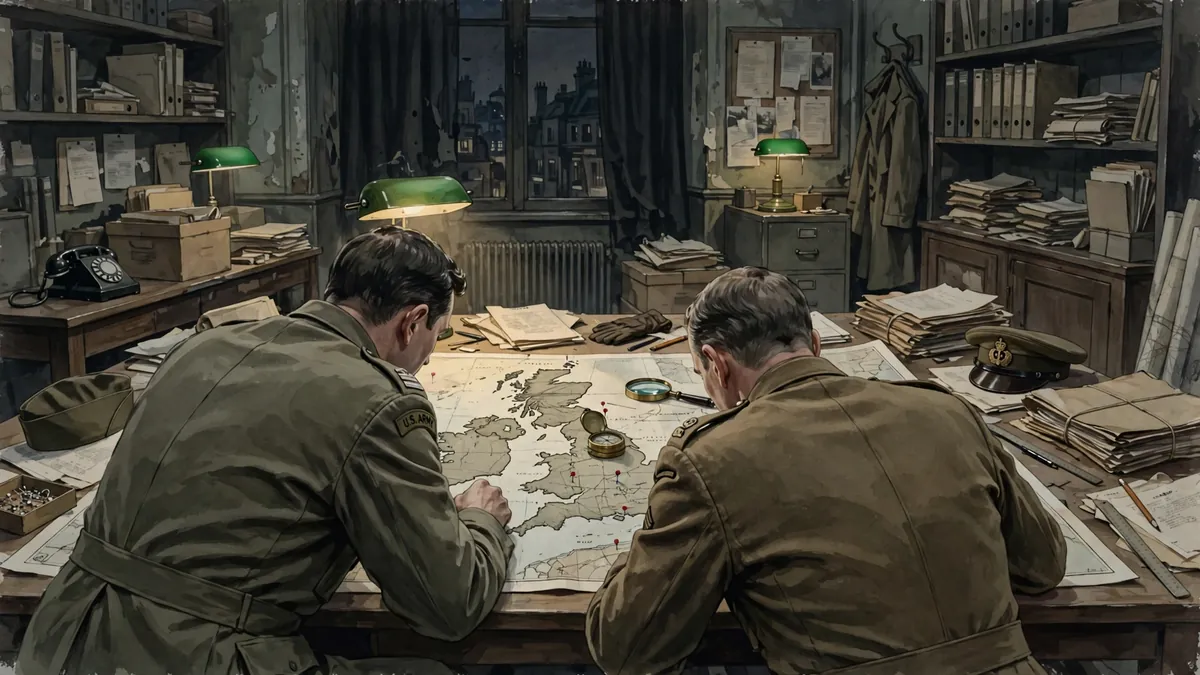
The Office of Strategic Services (OSS) was the United States’ first centralised intelligence agency, created in June 1942 to collect secret intelligence, conduct sabotage and subversion, and support resistance movements in occupied Europe and Asia during the Second World War. Led by Major General William J. “Wild Bill” Donovan, the OSS grew from a small staff to an organisation of about 13,000 people, with stations and bases around the world.
Its agents parachuted into occupied France, worked with partisans in Yugoslavia and Burma, analysed enemy economies and societies, and spread “black” propaganda. The OSS was dissolved in October 1945, shortly after the war, but its people, methods and files became the foundation of the Central Intelligence Agency (CIA), founded in 1947, and of the U.S. Army Special Forces.
1. Key Facts
| What | Office of Strategic Services — the first U.S. central intelligence agency |
| Founded | 13 June 1942 (as the OSS; its predecessor, the Coordinator of Information, was created 11 July 1941) |
| Dissolved | 1 October 1945 |
| Director | Major General William J. Donovan |
| Headquarters | Washington, D.C. |
| Personnel | About 13,000 at its peak, including about 4,500 in overseas stations; roughly a third were women |
| Branches | Secret Intelligence (SI), Special Operations (SO), Morale Operations (MO), Research and Analysis (R&A), X-2 (counter-espionage), Operational Groups (OG) |
| Main theatres | Occupied France, Italy, Yugoslavia, Greece, North Africa, China, Burma, India |
| Successor | Central Intelligence Agency (CIA), founded 1947; also the U.S. Army Special Forces |
2. Background
When the United States entered the Second World War in December 1941, it had no central intelligence service. The Army, the Navy, the State Department and the Federal Bureau of Investigation each collected intelligence for their own purposes, and there was no organisation to coordinate them, to run agents abroad, or to support resistance movements in occupied countries.
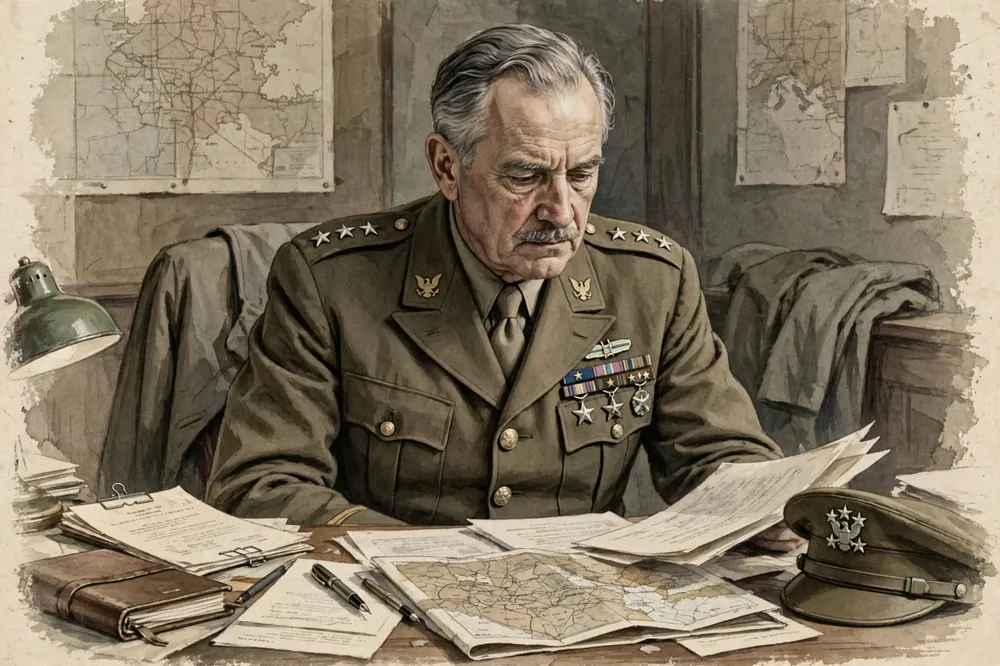
Britain, by contrast, had the Secret Intelligence Service (MI6), the Special Operations Executive (SOE) and a well-developed system for secret warfare. In 1940, President Franklin D. Roosevelt sent William J. Donovan, a decorated hero of the First World War, a lawyer and a Republican, to Britain to study British intelligence.
Donovan returned convinced that the United States needed a single organisation for both intelligence and secret operations, and in July 1941 Roosevelt appointed him Coordinator of Information (COI), with a small staff and a mandate to collect and analyse information.
The COI’s early work was analysis rather than operations: its Research and Analysis branch, staffed largely by academics, produced reports on enemy countries for the military and the government. But Donovan wanted more — a service that could send agents into occupied territory, arm and organise resistance groups, and carry out sabotage.
The military services resisted, fearing a rival, and the COI’s work was hampered by rivalry with the Army and Navy intelligence services. In June 1942, Roosevelt dissolved the COI and created the Office of Strategic Services under the Joint Chiefs of Staff, with Donovan as its director.
The OSS was given a dual mandate: to collect secret intelligence, and to carry out “special operations” — sabotage, subversion and support for resistance movements — that the regular armed forces could not do openly.
Donovan and the British model
Donovan modelled the OSS on the British services he had studied, and the British provided training, advice and, in the early years, bases and cover for OSS operations. OSS officers trained at British schools in sabotage, parachuting, wireless operation and secret writing, and the OSS worked closely with the SOE in France, where the two services divided the country between them — the SOE working mainly with the networks it had built before the Americans arrived, and the OSS working with the French resistance groups that the SOE had not yet reached.
The relationship was not always smooth: the British worried that the OSS would compete with them, and the Americans worried that the British were using the OSS for British purposes. But the cooperation worked, and the OSS’s Jedburgh teams — three-man teams of American, British and French officers dropped into France before D-Day — were a joint Anglo-American-French operation.
3. Creation and Organisation
The OSS was organised into branches, each with a distinct task. Secret Intelligence (SI) recruited and ran agents in enemy and neutral countries and collected information on enemy forces, politics and economies. Special Operations (SO) organised sabotage, supported resistance movements and supplied them with arms, money and wireless operators.
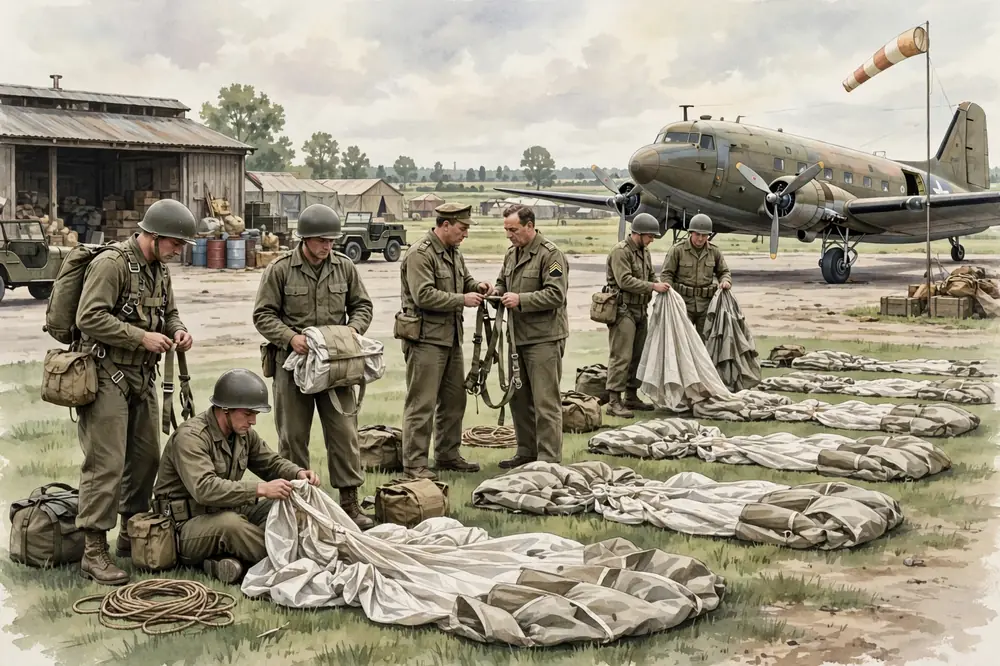
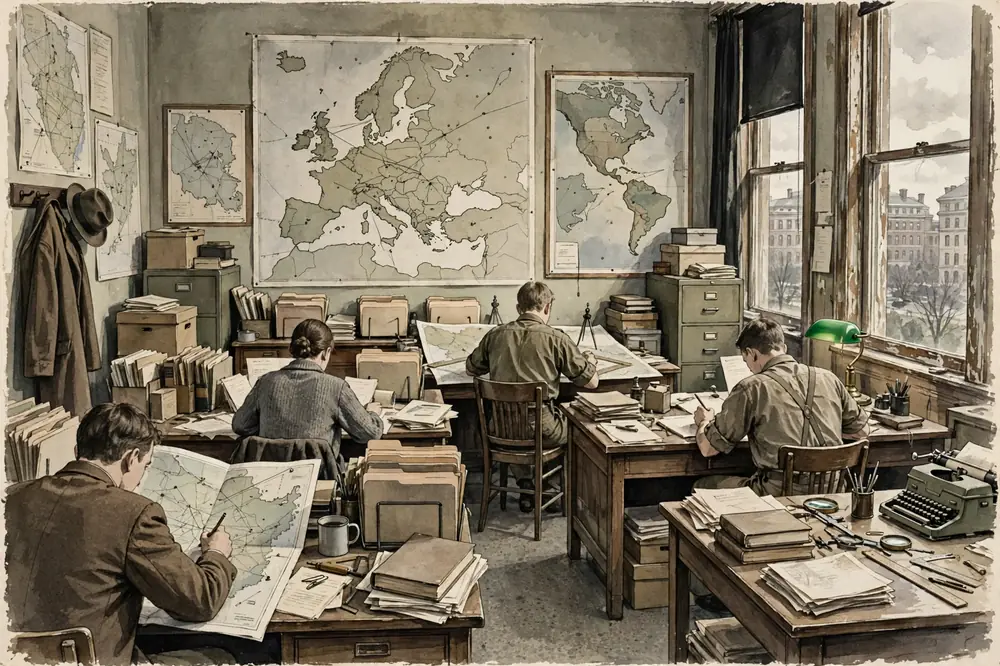
Morale Operations (MO) produced “black” propaganda — leaflets, radio broadcasts and rumours presented as if they came from inside Germany or from German soldiers themselves. Research and Analysis (R&A), the largest branch, employed hundreds of academics — historians, economists, geographers and political scientists — who produced studies of enemy countries, maps and guides for the armed forces, including the handbooks used by troops landing in North Africa and Normandy.
X-2 was the counter-espionage branch, which worked with the British to identify German agents, and Operational Groups (OG) were uniformed American soldiers, often of foreign birth, who operated in teams behind enemy lines.
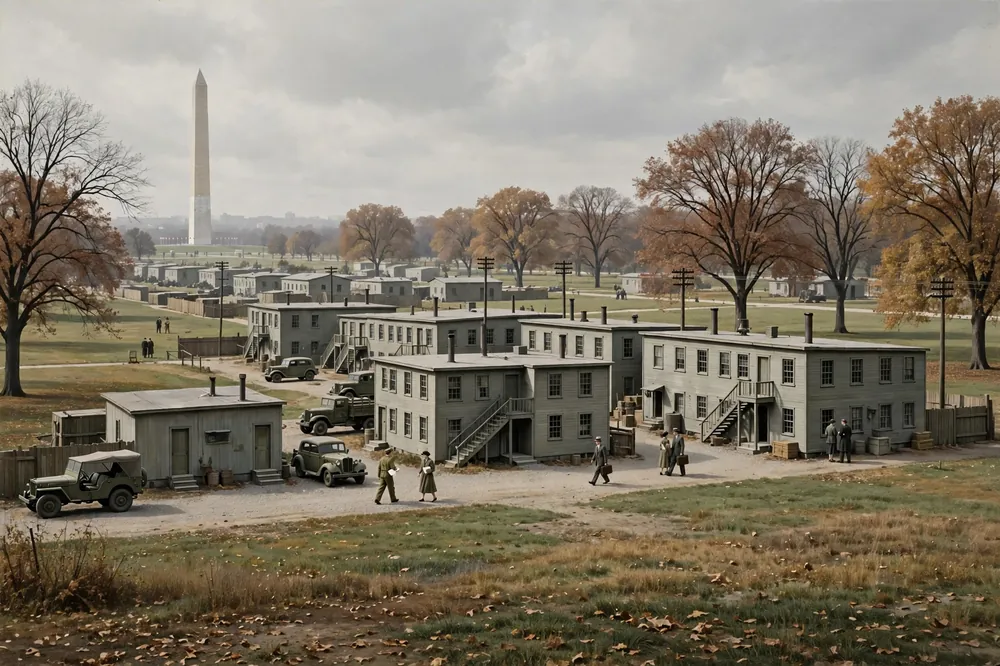
The OSS’s headquarters were in Washington, D.C., in a group of temporary buildings on the National Mall, and its training camps were in the United States and Britain. Recruits were drawn from the armed forces, from universities, from business and from the immigrant communities of the United States — the OSS valued language skills, and many of its agents were first- or second-generation Americans who spoke French, German, Italian, Norwegian, Greek or Chinese.
About a third of the OSS’s personnel were women, who served as analysts, wireless operators, secretaries, couriers and, in a few cases, as agents in the field. The OSS’s budget and personnel grew rapidly: from a few hundred people in 1942 to about 13,000 at its peak in 1944-1945, with stations in London, Algiers, Cairo, Chungking (Chongqing), New Delhi and elsewhere.
Training
OSS training was practical and, by the standards of the time, realistic. Recruits learned to shoot, to use explosives, to parachute, to operate a wireless set, to use invisible ink and codes, and to live under cover in enemy territory.
The training schools — known as “the Farm” in Virginia and other sites in the United States, and the British schools at Beaulieu and elsewhere — taught agents to expect capture and interrogation, and to resist it. The training was also, by later standards, short: an agent might receive only a few weeks of preparation before being dropped into occupied France, and many agents learned the details of their work only after they arrived.
The OSS’s casualty rate reflected that haste: a significant number of agents were captured and killed, particularly in France, where the German security services penetrated several networks.
4. Operations in Europe
The OSS’s largest European operation was in France, in support of the D-Day landings of 6 June 1944. In the weeks before D-Day, 93 Jedburgh teams — each of three men, one American, one British and one French — were parachuted into France to link up with the French resistance, the maquis, to organise sabotage of railways and communications, and to report on German movements.
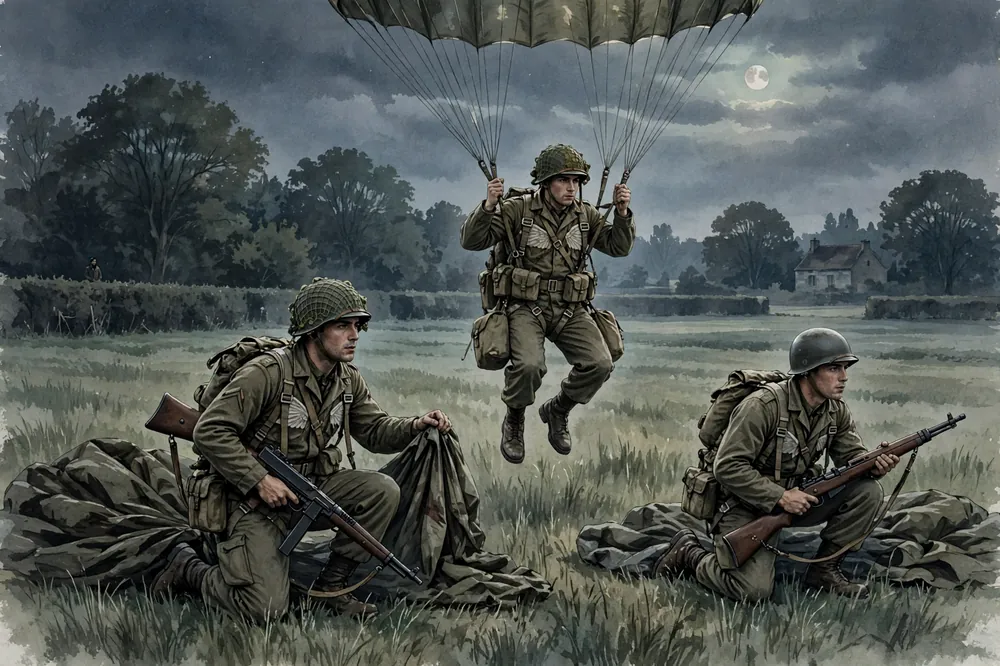
OSS Operational Groups, uniformed American soldiers, were dropped in larger teams to attack German garrisons and to protect the flanks of the invasion. OSS agents also worked in Italy, where they supported the partisans in the north after the Allied landings, in Yugoslavia, where they worked with Tito’s partisans, in Greece, and in Norway, where OSS Operational Groups took part in the sabotage of German shipping and in the operations that harassed the German garrison.
In North Africa, the OSS ran agents and propaganda in advance of the Allied landings of November 1942, and in the Balkans it collected intelligence on German forces and on the political situation.
The Jedburgh teams and D-Day
The Jedburgh operation, run jointly by the OSS, the SOE and the French Bureau Central de Renseignements et d’Action (BCRA), was the OSS’s best-known European operation. The teams were dropped by night into occupied France from June to September 1944, often into areas where the maquis were already fighting.
They carried wireless sets, weapons and money, and their task was to arm and organise the resistance, to arrange supply drops, and to coordinate sabotage with the Allied advance. The teams suffered losses — several were captured or killed — but they are credited with helping to delay German reinforcements to Normandy, by cutting railway lines and attacking convoys, and with supporting the French uprising in Paris in August 1944.
The Jedburgh model — small teams working with local resistance — became the model for later American special forces operations.
5. Operations in Asia
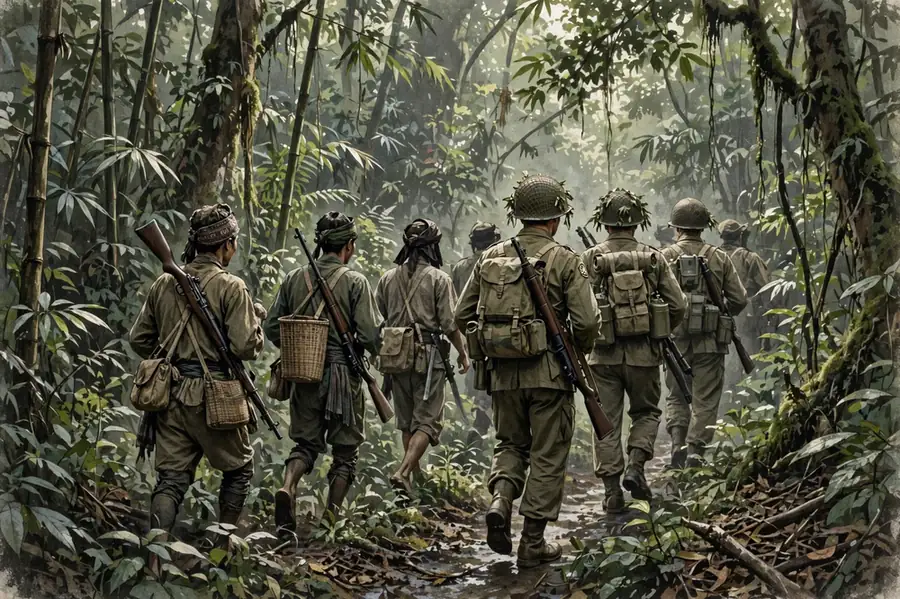
In Asia, the OSS’s largest operation was Detachment 101, in Burma. Created in 1942, Detachment 101 worked with the Kachin people of northern Burma, training and arming them as guerrillas to fight the Japanese. At its peak, Detachment 101 fielded about 10,000 Kachin guerrillas, supported by a few hundred American officers and NCOs, and it is credited with killing thousands of Japanese soldiers, rescuing downed Allied airmen, and providing intelligence for the Allied advance into Burma.
In China, the OSS worked with the Chinese Nationalists and, in the last months of the war, with the Chinese Communists, and it ran the “Dixie Mission” to the Communist headquarters at Yan’an in 1944 — the first official American contact with the Chinese Communist leadership.
The OSS also operated in India, Thailand and French Indochina, where, in the final weeks of the war, OSS officers worked with Ho Chi Minh’s Viet Minh, supplying arms and medical aid in the expectation that the Viet Minh would help rescue Allied prisoners and fight the Japanese.
Detachment 101
Detachment 101 is regarded by historians as the OSS’s most successful operation. Its commander, Colonel Carl Eifler, and later Colonel William Peers, built a force that combined American officers with Kachin guerrillas who knew the jungle, and the detachment’s operations — ambushes, the destruction of bridges and supply dumps, and the rescue of airmen — tied down Japanese forces far larger than its own numbers.
The detachment’s Kachin Rangers, as they were called, were paid, fed and armed by the Americans, and they fought alongside them until the end of the war. After the war, the Kachin were largely abandoned by the United States, and their treatment has been cited as an early example of a pattern that would recur in American covert operations: local allies recruited for a war, and left to their fate when the war ended.
6. People
The OSS recruited an unusually diverse group of people, and many of them became well known after the war. Among its officers were the future CIA directors Allen Dulles, who ran the OSS station in Bern, Switzerland, and Richard Helms; the future Supreme Court justice Arthur Goldberg; the historian Arthur Schlesinger Jr., who worked in R&A; the film director John Ford, who ran the OSS photographic unit; the chef Julia Child, who worked for the OSS in Ceylon and China; and the baseball player Moe Berg, who served as an agent in Europe.
Women served in large numbers: Virginia Hall, an American who had lost a leg in a hunting accident, worked for the SOE and then the OSS in France, organising resistance networks and escaping the Gestapo; she was awarded the Distinguished Service Cross.
The OSS’s diversity — its academics, its immigrants, its women — was unusual for the American government of the time, and it was a product of Donovan’s belief that intelligence work needed people who knew the world, not only people who knew the Army.
Allen Dulles in Bern
Allen Dulles, who ran the OSS station in Bern from November 1942, was the OSS’s most important agent in Europe. From neutral Switzerland, Dulles built a network of agents and informants inside Germany and in the German-occupied countries, and he received information on German military plans, on the V-2 rocket programme, and on the German resistance to Hitler.
His most famous operation was Operation Sunrise, the secret negotiation in the spring of 1945 that led to the surrender of German forces in northern Italy — a negotiation conducted without the knowledge of the Soviet Union, which protested when it learned of it.
Dulles went on to become the longest-serving director of the CIA, from 1953 to 1961, and his time in Bern shaped the CIA’s early practice of running stations abroad.
7. Intelligence and Analysis
The OSS’s Research and Analysis branch was, in the judgement of many historians, its most valuable contribution to the war. R&A produced thousands of reports — on the German economy, on Japanese shipping, on the politics of occupied countries, on the targets for bombing — and its maps and handbooks were used by the armed forces in every theatre.
The branch’s work was also the origin of a new profession in the United States: the intelligence analyst. After the war, many R&A staff went on to found or staff the CIA’s Directorate of Intelligence, and the universities and think tanks of post-war America.
The OSS’s other branches also left a record: its Morale Operations branch produced leaflets and radio broadcasts in German, Italian and Japanese, and its X-2 branch, working with the British, helped to identify German agents and to run double agents against the Germans. The OSS’s files, declassified in large part in the 1970s and later, are now a major source for historians of the war.
8. Dissolution
The OSS was dissolved on 1 October 1945, by order of President Harry S. Truman. The decision reflected the politics of the post-war period: the military services, which had resented the OSS during the war, wanted its functions returned to them; the State Department did not want a secret service of its own; and Truman, who had not been close to Donovan, did not see the need for a peacetime central intelligence agency.
The OSS’s branches were divided between the War Department and the State Department: the Secret Intelligence and X-2 branches went to the War Department as the Strategic Services Unit, and Research and Analysis went to the State Department. Donovan left government service and returned to his law practice.
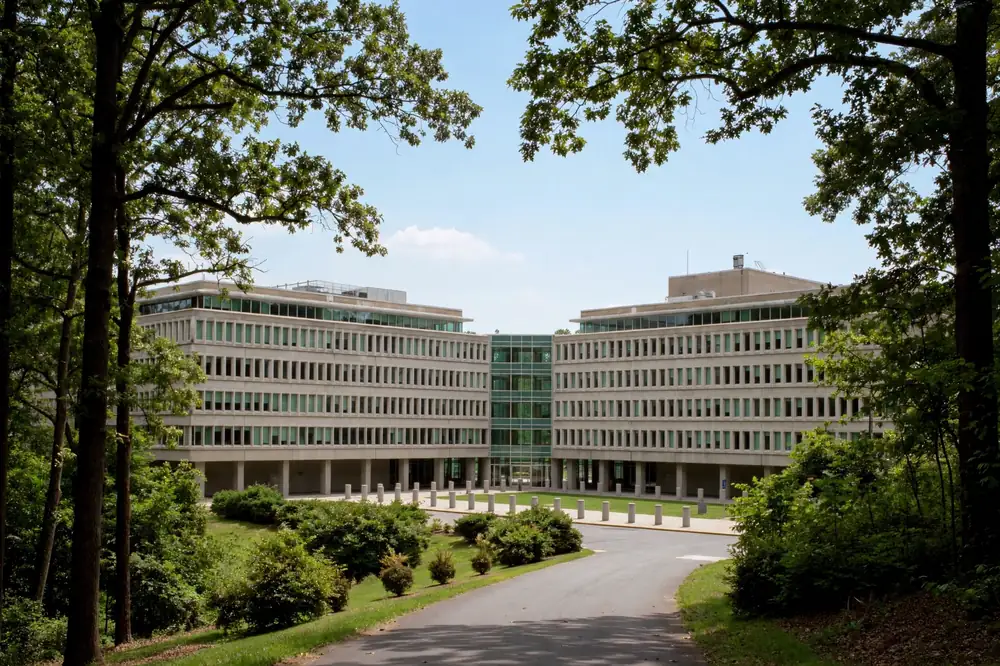
Within two years, the Cold War changed the calculation: the Soviet Union’s actions in Eastern Europe and the need for intelligence on the Soviet Union led to the creation of the Central Intelligence Group in 1946 and the Central Intelligence Agency in 1947, and many former OSS officers joined the new agency, bringing its files, its methods and its people with them.
9. Legacy
The OSS’s legacy is the modern American intelligence system. The CIA, founded in 1947, inherited the OSS’s mission, its personnel and its methods, and the CIA’s Directorate of Operations — its clandestine service — descends directly from the OSS’s Secret Intelligence and Special Operations branches. The U.S.
Army Special Forces, founded in 1952, trace their lineage to the OSS’s Operational Groups and to Detachment 101, and their motto and their practice of working with local forces behind enemy lines come from the OSS. The OSS also left a cultural legacy: the image of the American secret agent, the training at “the Farm”, and the idea of intelligence as a profession all date from the OSS, and they have shaped American films, novels and television ever since.
The OSS’s records, held at the U.S. National Archives, are a major source for the history of the war, and the OSS Society, founded by veterans, preserves the memory of the organisation and awards the Donovan Award to Americans who have served the country in intelligence and special operations.
Frequently Asked Questions
What was the OSS?
The Office of Strategic Services was the United States’ first central intelligence agency, created in June 1942 and dissolved in October 1945. It collected secret intelligence and carried out sabotage and support for resistance movements in the Second World War.
Who led the OSS?
Major General William J. “Wild Bill” Donovan, a First World War hero and lawyer, directed the OSS from its creation in 1942 until its dissolution in 1945.
What did the OSS do in France?
The OSS dropped Jedburgh teams and Operational Groups into occupied France before and after D-Day to arm and organise the French resistance, sabotage railways and communications, and report on German movements.
What was Detachment 101?
Detachment 101 was the OSS unit in Burma that trained and armed about 10,000 Kachin guerrillas to fight the Japanese. It is regarded as the OSS’s most successful operation.
How is the OSS related to the CIA?
The CIA, founded in 1947, inherited the OSS’s mission, personnel and methods. Many former OSS officers joined the CIA, and the CIA’s clandestine service descends from the OSS’s intelligence and special operations branches.
When was the OSS dissolved?
On 1 October 1945, by order of President Harry S. Truman, shortly after the end of the Second World War.
Related articles
Sources
- Central Intelligence Agency, “The Office of Strategic Services: America’s First Intelligence Agency” (cia.gov) — founding, organisation and dissolution.
- U.S. National Archives, Records of the Office of Strategic Services — personnel, operations and declassified files.
- Wikipedia, “Office of Strategic Services” — founding 13 June 1942, dissolution 1 October 1945, about 13,000 personnel, Detachment 101, Jedburgh teams.
- Douglas Waller, Wild Bill Donovan: The Spymaster Who Created the OSS and Modern American Espionage (Free Press, 2011) — Donovan’s life and the creation of the OSS.
- Patrick K. O’Donnell, Operatives, Spies, and Saboteurs: The Unknown Story of the Men and Women of World War II’s OSS (Free Press, 2004) — operations in Europe and Asia.
- Thomas N. Moon and Carl F. Eifler, The Deadliest Colonel (Vantage Press, 1975) and William R. Peers, Behind the Burma Road (Little, Brown, 1963) — Detachment 101.
- R. Harris Smith, OSS: The Secret History of America’s First Central Intelligence Agency (University of California Press, 1972) — the OSS and its dissolution.