 WAR ATLAS MILITARY HISTORY MAGAZINE · WWI — WWII
Bataan Death March
1. Lead
The Bataan Death March was the forced march of about 76,000 American and Filipino prisoners of war by the Imperial Japanese Army in the Philippines in April 1942, after the surrender of the Bataan peninsula. Over about a week, the prisoners were marched about 65 miles (about 105 kilometres) from Mariveles and Bagac, at the southern tip of Bataan, to San Fernando, and then taken by rail to Capas, near the prison camp at Camp O’Donnell.
Thousands died on the march — from starvation, disease, exhaustion and heat, and from beatings, bayonettings and shootings by their guards. Estimates of the dead vary: about 500 to 650 Americans and about 5,000 to 10,000 Filipinos are commonly cited, though some estimates are higher.
The march is remembered as one of the most notorious Japanese war crimes of the Second World War, and its commander, General Masaharu Homma, was tried and executed after the war.
2. Key Facts
| What | Forced march of American and Filipino prisoners of war |
| When | 9-17 April 1942 (the main march; some groups took longer) |
| Where | Bataan peninsula, Luzon, Philippines — from Mariveles and Bagac to San Fernando, then by rail to Capas |
| Distance | About 65 miles (about 105 km) on foot, plus about 25 miles (about 40 km) by rail |
| Prisoners | About 76,000 in total: about 12,000 Americans and about 64,000 Filipinos |
| Deaths on the march | About 500-650 Americans and about 5,000-10,000 Filipinos, according to commonly cited estimates; totals vary by source |
| Commander | General Masaharu Homma, commander of the Japanese 14th Army |
| Aftermath | Prisoners held at Camp O’Donnell and Cabanatuan; many more died in captivity; Homma tried and executed in 1946 |
| Remembrance | Bataan Memorial Death March (annual event in New Mexico, USA); Capas National Shrine in the Philippines |
3. Background
The Philippines, an American colony, was attacked by Japan on 8 December 1941, hours after the attack on Pearl Harbor. The Japanese 14th Army, under General Masaharu Homma, landed on Luzon on 10 December and advanced on Manila. The American and Filipino forces, under General Douglas MacArthur, withdrew to the Bataan peninsula, west of Manila Bay, and to the island fortress of Corregidor, where they held out for four months.
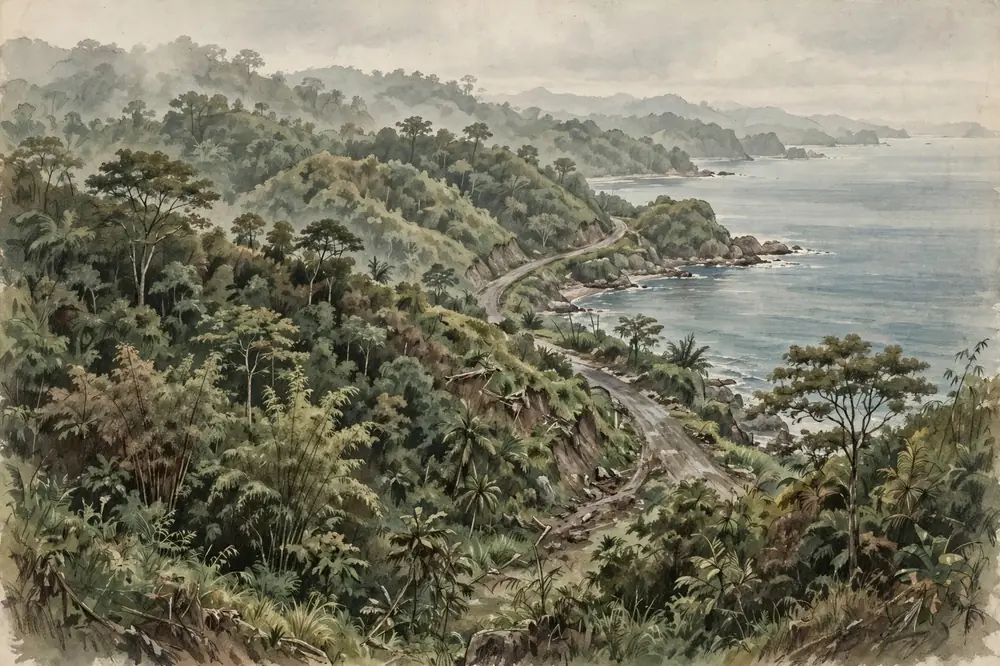
The defenders were short of food, medicine and ammunition; by March 1942 they were on half rations, and disease — malaria, dysentery and beri-beri — was widespread. MacArthur was ordered to Australia in March 1942, and command passed to Major General Jonathan Wainwright, with Major General Edward King commanding the forces on Bataan.
On 9 April 1942, with his troops starving and unable to fight on, King surrendered the Bataan force — about 76,000 men, the largest American surrender in history.
The Japanese plan
The Japanese had not expected so many prisoners, and they had made almost no preparations for them. Homma’s staff had estimated that about 25,000 prisoners would surrender; the actual number was about three times that. There was not enough food, water or transport, and the Japanese plan was to march the prisoners to San Fernando, about 65 miles away, where they would be taken by rail to Capas and then marched to Camp O’Donnell.
The march was to be carried out in groups of about 500 to 1,000 men, and the Japanese expected it to take about a week. The prisoners, many of them already sick and weakened by months of half rations and disease, were given almost no food or water for the march, and they were marched in the tropical heat of April, the hottest month in the Philippines, with temperatures often above 35 degrees Celsius.
The surrender at Bataan
The surrender itself was chaotic. General King surrendered without consulting Wainwright, who was on Corregidor, and the Japanese did not at first accept the surrender as covering all the forces on Bataan. The prisoners were gathered at Mariveles, at the southern tip of the peninsula, and at Bagac, on the western coast, and were searched and stripped of their possessions. Many were beaten, and some were killed on the spot. Filipino soldiers who tried to escape into the jungle were hunted down, and some were executed. The prisoners were then formed into columns and set off on the march north, along the main road that runs up the eastern side of the Bataan peninsula.
4. What Happened
The march
The march began on 9 April 1942. The prisoners were marched in groups, with Japanese guards on foot and on horseback, and they were given almost no water. The road was dusty, and the sun was fierce; men who fell behind were beaten, bayoneted or shot, and those who stopped to drink from roadside pools or artesian wells were often killed.
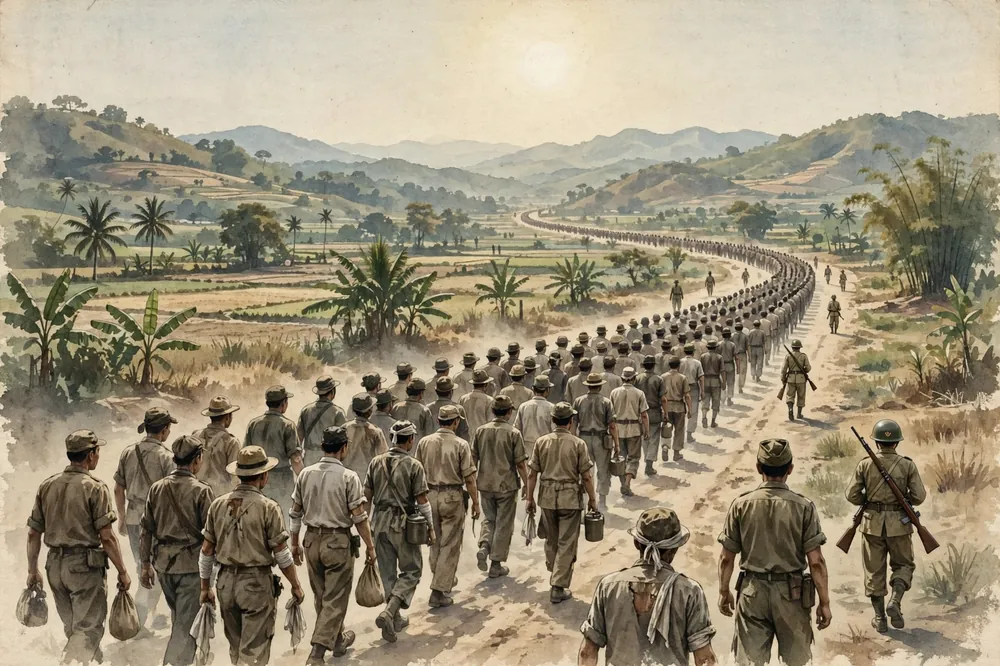
Filipino civilians who tried to give the prisoners food or water were beaten and, in some cases, killed. The prisoners were halted at night in open fields, without shelter, and were given small amounts of rice — often a handful per man — and little water. The march took about five to nine days for most groups, depending on when they started and how fast they were driven.
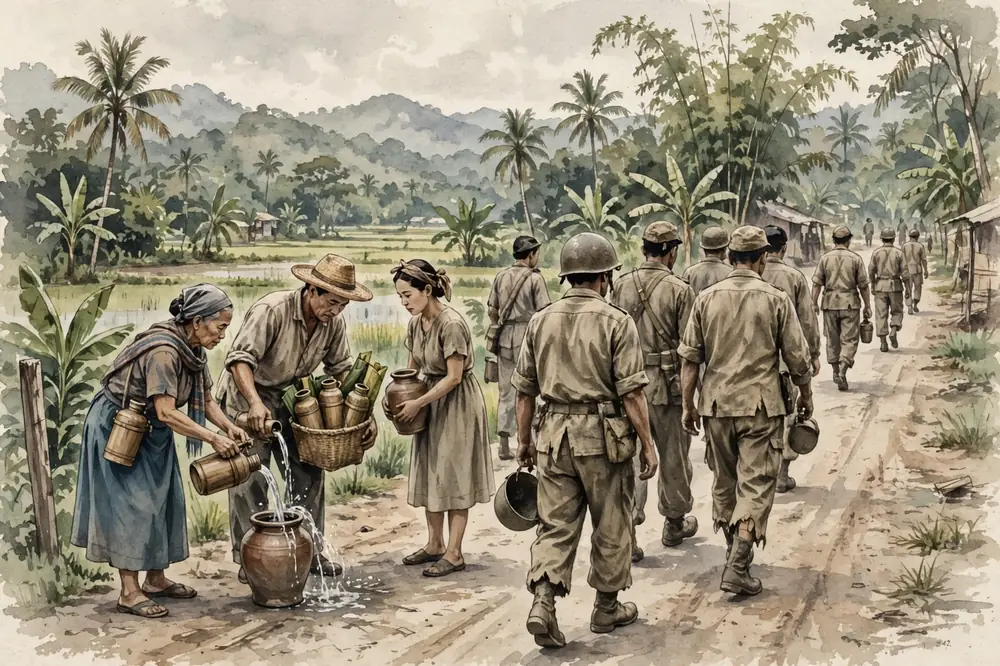
Some groups were marched at night, to avoid the heat; others were marched in the day. The men arrived at San Fernando exhausted, sick and, in many cases, dying. From San Fernando they were packed into railway boxcars — about a hundred men to a car built for forty — for the journey to Capas, and from Capas they were marched a further nine miles to Camp O’Donnell.
The death toll
The number of men who died on the march is not known exactly, because the Japanese kept no reliable records and many bodies were left by the roadside. The most commonly cited figures are about 500 to 650 Americans and about 5,000 to 10,000 Filipinos, though some accounts give higher totals, and the Filipino figure is particularly uncertain because many Filipino prisoners were not counted.
The deaths were caused by a combination of starvation, dehydration, heatstroke, disease — above all malaria and dysentery — and by the violence of the guards. The guards’ behaviour varied: some guards gave the prisoners water and food, and some Filipino and American officers reported acts of kindness; but many guards beat, bayoneted and shot prisoners for falling behind, for drinking water, or for no reason at all.
The march was not an organised programme of killing, but a forced march carried out with indifference to the prisoners’ lives, and with a brutality that was, in the judgement of the post-war trials, a war crime.
Camp O’Donnell and Cabanatuan
The march did not end the prisoners’ suffering. Camp O’Donnell, the camp to which most of the prisoners were taken, was a former Filipino army camp with almost no facilities: there was not enough water, food or medicine, and disease spread rapidly.
About 1,500 Americans and about 20,000 Filipinos died at Camp O’Donnell in the months after the march, according to commonly cited figures, and the camp was closed in January 1943. The American prisoners were then transferred to Cabanatuan, where conditions were better but still harsh, and many were later sent to Japan, Manchuria and Korea as forced labourers on the “hell ships” — unmarked transport ships that were attacked by American submarines, killing thousands of prisoners.
Of the about 12,000 Americans who surrendered on Bataan, only about 8,000 were alive at the end of the war; of the about 64,000 Filipinos, the number who survived is not known with certainty, but a large proportion died in captivity.
5. The Route Today
The route of the Bataan Death March is marked today by a series of concrete markers, each about three feet high, placed at kilometre intervals along the road from Mariveles to San Fernando. The markers, erected by the Philippine government, bear a plaque describing the march and the distance from the starting point.
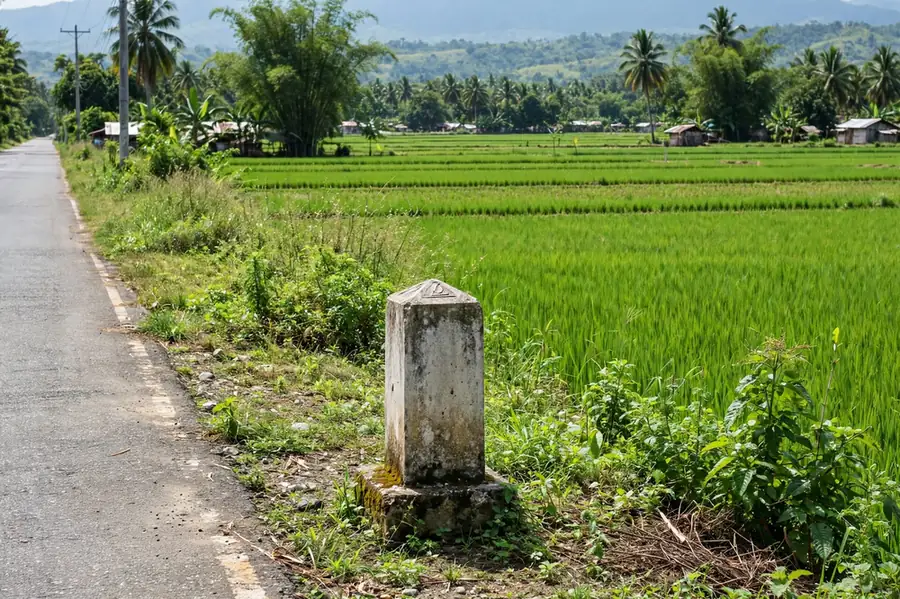
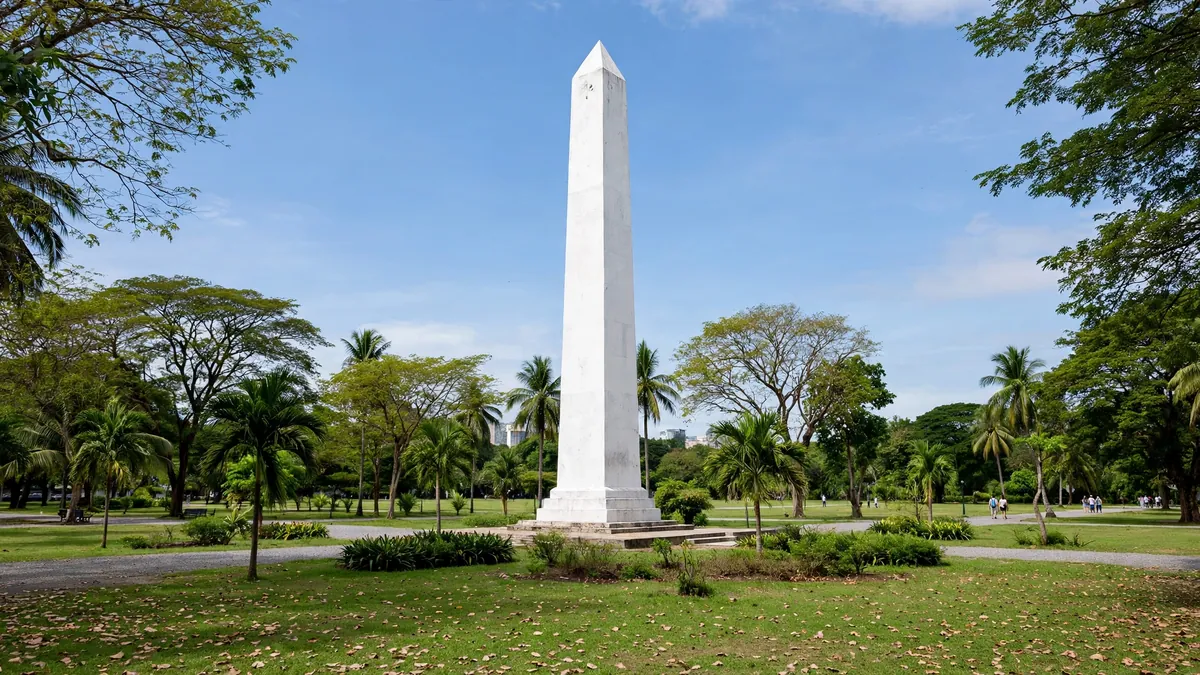
The road itself is now a busy highway, and the landscape has changed: the fields and villages along the route are built up, and the towns of Balanga, Orani and San Fernando have grown. At Capas, the site of Camp O’Donnell is now the Capas National Shrine, a large memorial park with an obelisk, a museum and the names of the prisoners who died there.
The shrine is the main memorial of the march in the Philippines, and it is visited by Filipino school groups, by American veterans’ families and by visitors from Japan. The route is also walked each year by participants in commemorative marches, and by the Filipino and American soldiers who take part in the annual Bataan Memorial Death March in New Mexico.
6. Survivors and Testimony
The testimony of the survivors is the main source for the history of the march, and many survivors wrote memoirs after the war. Among the best known are the accounts of American officers who kept diaries during the march and in the camps, and of Filipino soldiers who described the march from the Filipino point of view — a perspective that was long under-represented in American accounts, which focused on the American prisoners.
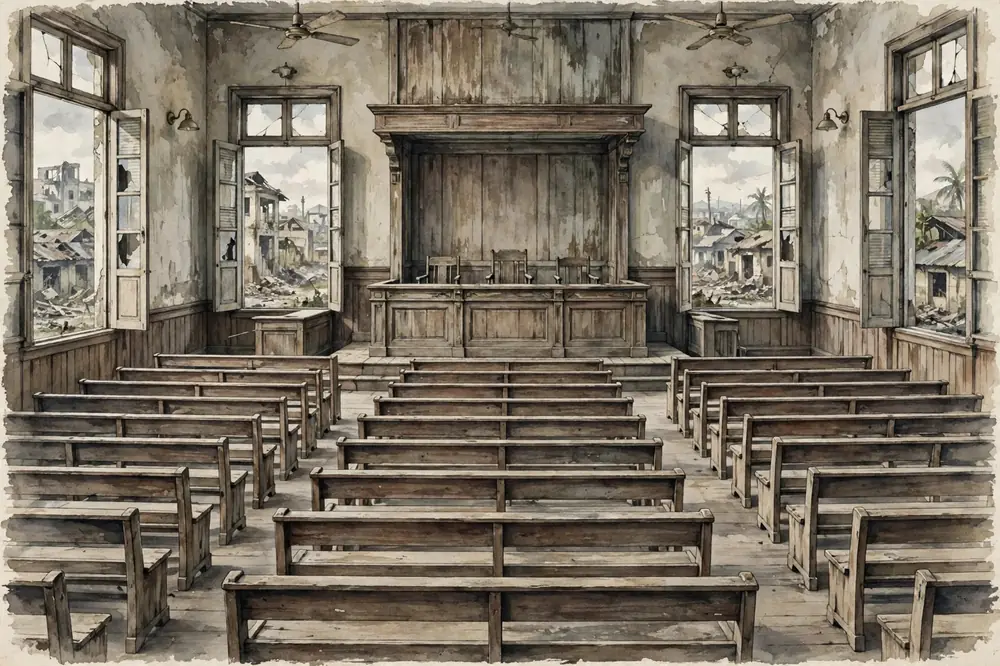
The survivors describe the heat, the thirst, the beatings and the killings, and also the acts of kindness: Filipino civilians who risked their lives to give the prisoners food and water, Japanese guards who looked the other way, and fellow prisoners who carried the sick. The survivors also describe the camps that followed, and the “hell ships” that took them to Japan.
Many survivors suffered from the effects of their captivity for the rest of their lives — from malaria, from malnutrition, and from what would now be called post-traumatic stress. The American Defenders of Bataan and Corregidor, an organisation of survivors and their families founded in 1946, preserved the survivors’ testimony and campaigned for recognition of the Filipino soldiers’ service.
The Filipino perspective
For the Philippines, the Bataan Death March is a national event, and the Filipino soldiers who marched and died are remembered as heroes of the country’s resistance to Japan. The Filipino perspective is also a reminder that the march was, in numbers, a Filipino tragedy: about 64,000 of the about 76,000 prisoners were Filipino, and the Filipino dead on the march and in the camps outnumbered the American dead by a large margin.
The Philippines marks 9 April each year as Araw ng Kagitingan — the Day of Valour — a national holiday commemorating the fall of Bataan, and the ceremonies at the Capas National Shrine and at Mount Samat, on the Bataan peninsula, are among the country’s most important commemorations.
The recognition of Filipino veterans by the United States — who were promised American citizenship and benefits, and then denied them by the Rescission Act of 1946 — remained a source of grievance for decades, and was only partly addressed by later American legislation.
7. Trials and Justice
General Masaharu Homma, the commander of the Japanese 14th Army, was tried by an American military commission in Manila in 1946. The prosecution argued that Homma was responsible for the march and for the treatment of the prisoners, as the commander of the forces that carried it out.
Homma’s defence was that he had not ordered the march in the form it took, that he had not known of the killings, and that the march had been organised by his subordinates. The commission convicted him of war crimes and sentenced him to death; the conviction was upheld by the United States Supreme Court, and Homma was executed by firing squad on 3 April 1946.
The trial was controversial: some American officers, including General MacArthur’s staff, questioned whether Homma had known of the march’s conditions, and the trial has been cited by historians as an example of the application of the doctrine of command responsibility — the principle that a commander is responsible for the crimes of his subordinates if he knew or should have known of them and failed to prevent them.
Other Japanese officers involved in the march were also tried, and several were executed or imprisoned.
8. Visiting Information
The Capas National Shrine, on the site of Camp O’Donnell, is the main site for visitors. It is in the municipality of Capas, in Tarlac province, about 100 kilometres north of Manila, and is reached by road from Manila or from Angeles City.
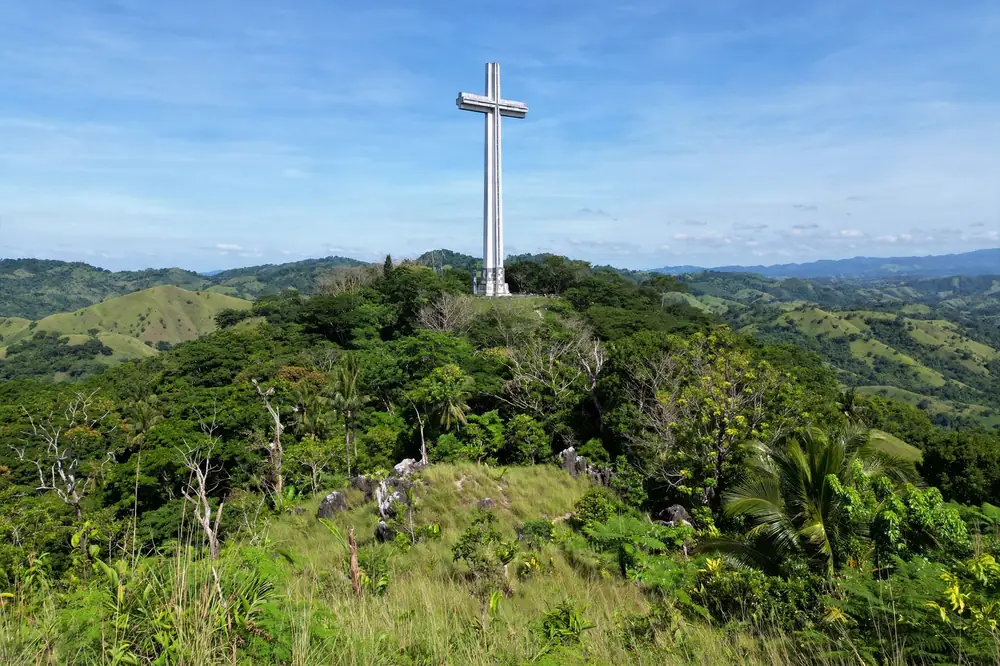
The shrine is open daily and admission is free; it contains a museum, an obelisk 70 metres high, and walls bearing the names of the prisoners who died at Camp O’Donnell. The Bataan Death March markers along the road from Mariveles to San Fernando can be visited by car, and the Mount Samat National Shrine, on the Bataan peninsula, with its large cross and museum, commemorates the battle of Bataan and the march.
Visitors are advised to travel in the cooler months, from December to February, and to allow a full day for the route from Mariveles to Capas. As at all memorial sites, visitors are asked to behave with respect.
9. Commemoration and Education
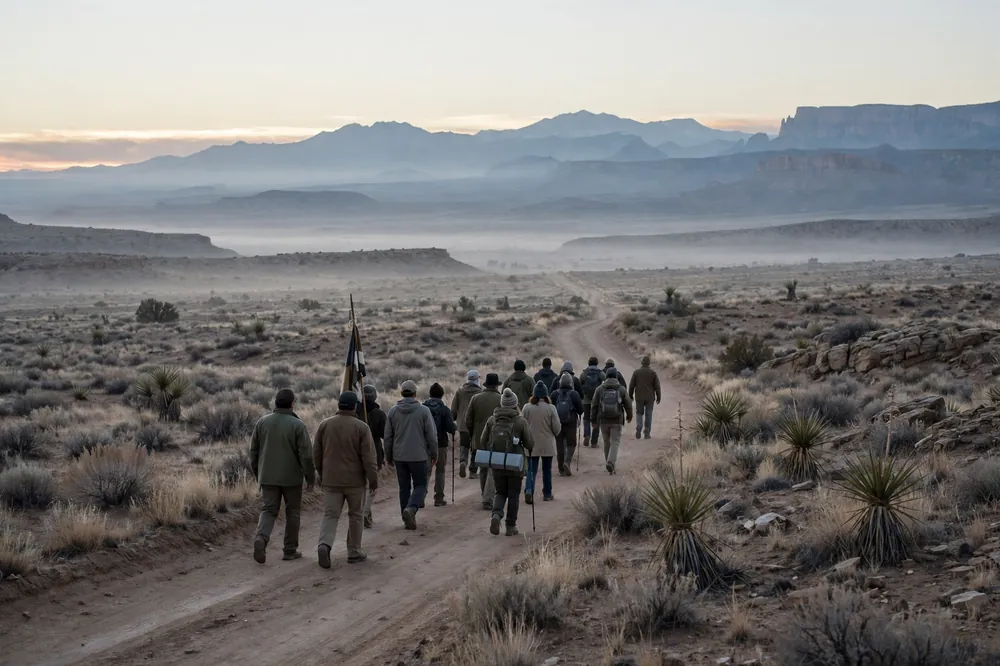
The Bataan Death March is commemorated in the Philippines and the United States. In the Philippines, 9 April is Araw ng Kagitingan, the Day of Valour, and ceremonies are held at the Capas National Shrine and at Mount Samat. In the United States, the Bataan Memorial Death March, held each year since 1989 at White Sands Missile Range in New Mexico, is a 26.2-mile march through the desert in which thousands of marchers — soldiers, veterans and civilians — walk the distance of the march in memory of the prisoners.
The event was founded by the Army ROTC cadets of New Mexico State University in honour of the New Mexico National Guard’s 200th Coast Artillery Regiment, many of whose men were captured on Bataan and died on the march and in the camps.
The march is also taught in American schools as part of the history of the Pacific War, and the testimony of the survivors is preserved by the Bataan-Corregidor Memorial Foundation and by the U.S. National Archives.
10. Legacy
The legacy of the Bataan Death March is, first, legal: the trial of General Homma was one of the early applications of the doctrine of command responsibility, and it influenced the later development of international humanitarian law, including the Geneva Conventions of 1949, which strengthened the protection of prisoners of war.
Second, the march shaped the memory of the Pacific War in the United States, where it became a symbol of Japanese brutality and of American endurance, and in the Philippines, where it became a symbol of national sacrifice. Third, the march shaped the relationship between the United States and the Philippines: the shared suffering of American and Filipino soldiers on Bataan is remembered in both countries as a bond between them, even as the later dispute over Filipino veterans’ benefits showed that the bond was not always honoured.
The march is also a reminder, for the study of war, that the treatment of prisoners is a measure of an army, and that a march organised without food, water or medical care is, in its consequences, a crime even when it is not ordered as one.
Frequently Asked Questions
What was the Bataan Death March?
The forced march of about 76,000 American and Filipino prisoners of war by the Japanese Army in the Philippines in April 1942, from Mariveles and Bagac to San Fernando, and then by rail to Capas.
How many people died on the Bataan Death March?
About 500 to 650 Americans and about 5,000 to 10,000 Filipinos died on the march itself, according to commonly cited estimates. Many more died in the prison camps that followed.
How far was the Bataan Death March?
About 65 miles (about 105 kilometres) on foot from Mariveles and Bagac to San Fernando, plus about 25 miles (about 40 kilometres) by rail to Capas, and a further nine miles on foot to Camp O’Donnell.
What happened to General Homma?
General Masaharu Homma, commander of the Japanese 14th Army, was tried by an American military commission in Manila in 1946, convicted of war crimes and executed by firing squad on 3 April 1946.
Where is the Bataan Death March remembered?
At the Capas National Shrine in the Philippines, at Mount Samat on the Bataan peninsula, and at the annual Bataan Memorial Death March at White Sands Missile Range in New Mexico, USA.
When is the Day of Valour in the Philippines?
9 April each year, known as Araw ng Kagitingan, commemorates the fall of Bataan and the Death March.
Related articles
Sources
- U.S. National Archives, Records of the Bataan Death March and the trial of General Masaharu Homma — prisoner numbers, the march route and the trial.
- Wikipedia, “Bataan Death March” — about 76,000 prisoners, about 65 miles, death estimates of 500-650 Americans and 5,000-10,000 Filipinos.
- Hampton Sides, Ghost Soldiers: The Epic Account of World War II’s Greatest Rescue Mission (Doubleday, 2001) — the Bataan prisoners and the Cabanatuan camps.
- Donald J. Young, The Battle of Bataan: A History of the 90-Day Siege and Eventual Surrender of 75,000 Filipino and United States Troops to the Japanese in World War II (McFarland, 1992) — the campaign and the surrender.
- Capas National Shrine, official information — the memorial, the museum and the names of the prisoners.
- Bataan Memorial Death March, official site (bataanmarch.com) — the annual event at White Sands Missile Range, New Mexico, held since 1989.