 WAR ATLAS MILITARY HISTORY MAGAZINE · WWI — WWII
Bernard Freyberg
1. Lead
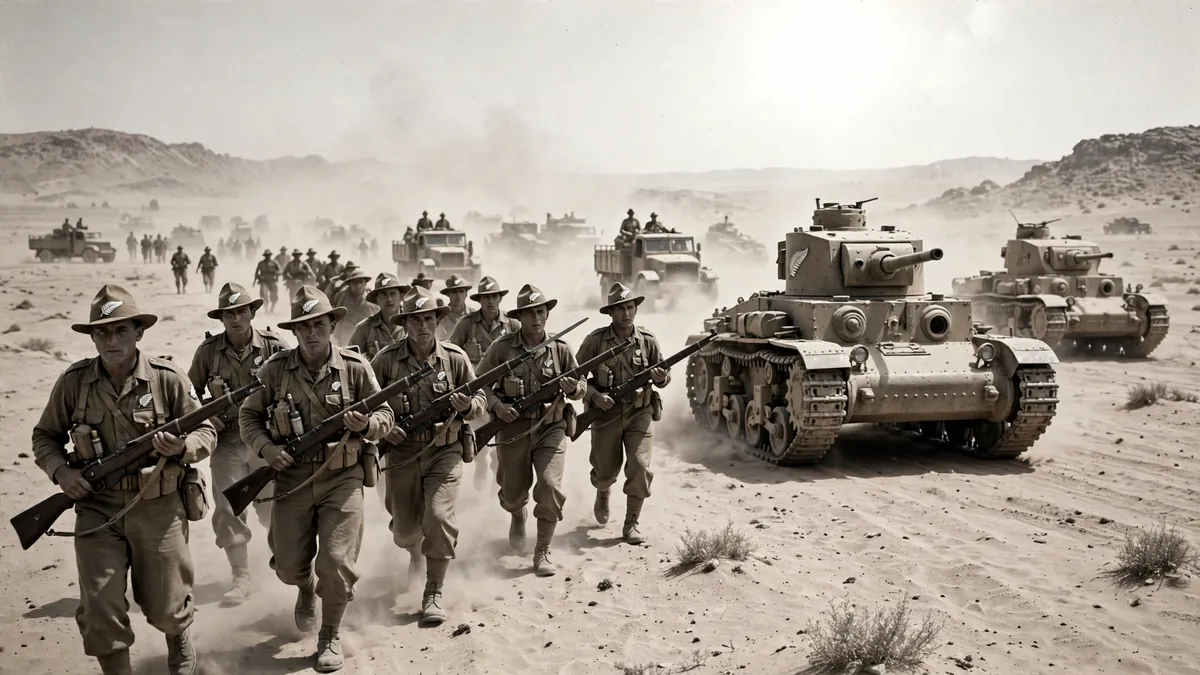
Bernard Cyril Freyberg (1889–1963) was New Zealand’s most famous soldier, a winner of the Victoria Cross in the First World War and the commander of the 2nd New Zealand Division throughout the Second World War. A big, brave, and famously aggressive general, Freyberg led his division through the campaigns in Greece and Crete in 1941, the desert war in North Africa, including the two battles of El Alamein, and the long and bloody campaign in Italy, including the four battles of Monte Cassino.
He was wounded nine times in the two world wars, he was one of the most decorated soldiers in the British Empire, and after the war he served as Governor-General of New Zealand, the representative of the Crown in his adopted country.
His men called him “Tiny” — an ironic nickname for a man who stood six feet two inches tall — and they followed him because they knew that he would never ask them to do anything he would not do himself.
2. Key Facts
| Born | 14 June 1889, Richmond, London, England |
| Died | 4 July 1963, Windsor, England (aged 74) |
| Service | British Army and New Zealand Military Forces, 1914–1946 |
| Commands | 2nd New Zealand Division, 1939–1945 |
| Major campaigns | Greece (1941); Crete (1941); El Alamein (1942); Italy, incl. Monte Cassino (1943–45) |
| Highest award | Victoria Cross (1916) |
| Wounds | Wounded 9 times in two world wars |
| Post-war role | Governor-General of New Zealand, 1946–1952 |
3. Early Life
From London to New Zealand
Bernard Freyberg was born on 14 June 1889 at Richmond, in London, the son of a well-to-do family, but he was, from the age of two, a New Zealander: his family emigrated to New Zealand in 1891, and he grew up in Wellington, where he was educated at Wellington College.
He was a big, athletic boy, a good swimmer and a good rugby player, and he left school to work as a dental technician, a trade he practised in Wellington and, later, in San Francisco, where he lived for a time before the First World War.
He was, in 1914, a young man of twenty-five, living in California, when the war broke out, and he immediately sailed for England to enlist. He joined the Royal Naval Division, a formation of sailors and marines fighting as infantry, and he was sent to the Gallipoli campaign in 1915, where his war began.
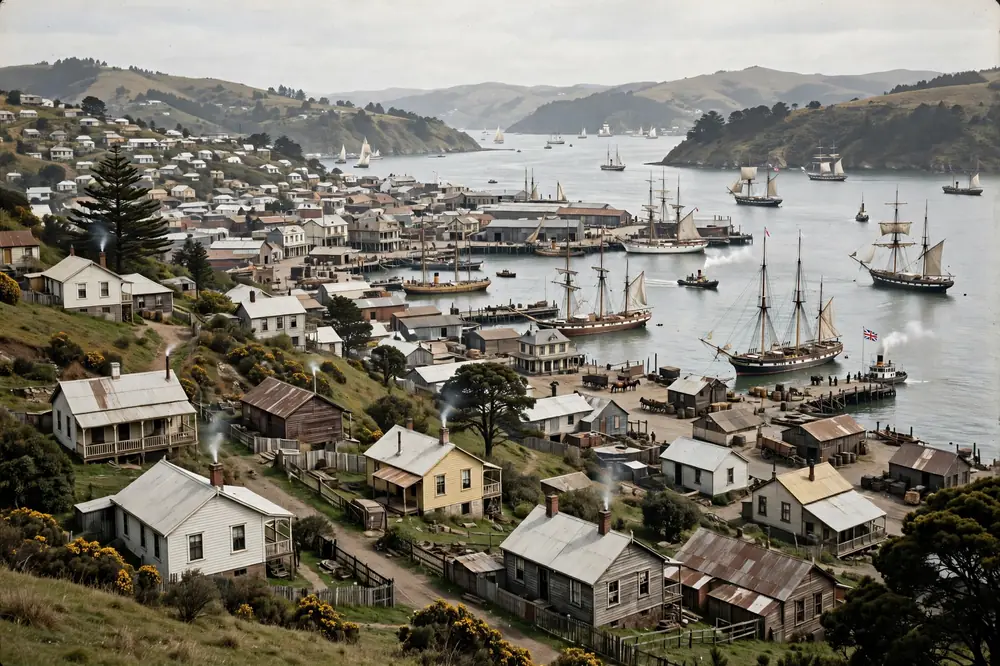
Freyberg was a big, athletic boy, a good swimmer and a good rugby player, and he left school to work as a dental technician, a trade he practised in Wellington and, later, in San Francisco, where he lived for a time before the First World War.
He was, in 1914, a young man of twenty-five, living in California, when the war broke out, and he immediately sailed for England to enlist, leaving his work and his life in America behind him. His decision to enlist was, in part, a product of his upbringing: he had grown up in New Zealand, in a society that regarded service to the Empire as a duty, and he believed, as many young men of his generation did, that the war was a cause worth fighting for.
He joined the Royal Naval Division, a formation of sailors and marines fighting as infantry, and he was sent to the Gallipoli campaign in 1915, where his war began.
Gallipoli and the Victoria Cross
Freyberg’s First World War service was, by any measure, extraordinary. At Gallipoli, he swam ashore at night, under fire, to light flares for a landing, and he was mentioned in despatches. On the Western Front, in November 1916, at Beaucourt-sur-Ancre, during the Battle of the Somme, he won the Victoria Cross, the highest British decoration for bravery.
As a captain in the Hood Battalion of the Royal Naval Division, he led his men in an attack, was wounded, and, though wounded, continued to lead, capturing a village and holding it against counterattacks. The citation for his Victoria Cross praised his “most conspicuous bravery, determination and leadership”, and it noted that he had been wounded three times in the action and had refused to leave the field.
He was wounded nine times in the two world wars, and he was, by the end of the First World War, one of the most decorated soldiers in the British Empire, with the Victoria Cross, the Distinguished Service Order with two bars, and the Military Cross.
4. Between the Wars
A professional soldier
Between the wars, Freyberg remained in the British Army, serving in a series of staff and command appointments, and rising to the rank of major general. He was, by the 1930s, a well-known figure in the British Army, a man whose Victoria Cross and whose reputation for bravery made him a natural choice for command.
In 1939, when the Second World War broke out, the New Zealand government asked for him to command its expeditionary force, the 2nd New Zealand Division, and Freyberg, who regarded himself as a New Zealander, accepted. He was, at fifty, a general of long experience, and he was given a command that would make him one of the most famous generals of the war.
His division, which he trained in Egypt, was a volunteer force, drawn from every part of New Zealand, and it was, in Freyberg’s words, “a division of free men”, who fought because they chose to, not because they were ordered to.
Training the division
Freyberg trained his division hard in Egypt in 1940–41, instilling the discipline and the aggression that would characterise its fighting throughout the war. The 2nd New Zealand Division was, by the standards of the British Army, a tough and independent-minded formation, and its men were known for their physical toughness, their initiative, and their willingness to fight.
Freyberg, who shared their qualities, was the ideal commander for them: he was big, brave, and famously aggressive, and he led from the front, visiting the front lines constantly and sharing the dangers of his men. His division’s first battles would be in Greece and Crete, in the spring of 1941, and they would be defeats, but they would also be the making of the division’s reputation.
The 2nd New Zealand Division was organised in three infantry brigades, with artillery, engineers, signals and medical units, and it included the 28th (Maori) Battalion, a unit of Maori soldiers that became one of the most famous battalions of the war.
The Maori Battalion, which fought with great distinction in Greece, Crete, North Africa and Italy, was a source of pride for New Zealand, and its men were known for their courage and their skill in battle. Freyberg, who commanded the division, regarded the Maori Battalion as one of his best units, and he was, in return, respected by its men, who knew that he valued them.
The division’s composition — volunteers from every part of New Zealand, including its Maori people — was a reflection of the country’s society, and it was, in Freyberg’s words, ‘a division of free men’.
5. Greece and Crete
The Greek campaign
In April 1941 the 2nd New Zealand Division was sent to Greece, as part of the British expeditionary force that had been sent to support the Greeks against the German invasion. The campaign was a disaster: the Germans, who had invaded Yugoslavia and Greece with overwhelming force, drove the British and Commonwealth forces back, and the New Zealanders, who fought a series of rearguard actions, were evacuated by sea to Crete.
Freyberg’s division fought well in Greece, and its rearguard actions — notably at Thermopylae, where the New Zealanders held the pass against the Germans — were among the finest of the campaign. But the campaign was lost, and the division, which had suffered heavy casualties, was evacuated to Crete, where it would fight its next battle, and its most famous one.
The Battle of Crete
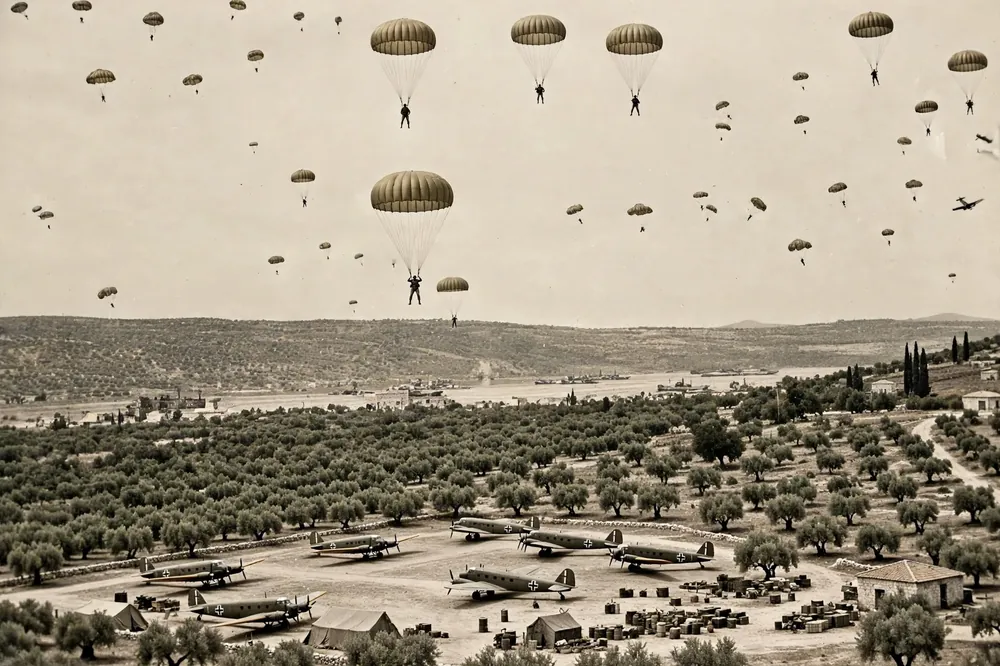
In May 1941 Freyberg was given command of the Allied forces on Crete, the great island in the Mediterranean, which the Germans attacked on 20 May 1941 in the first large-scale airborne invasion in history. Freyberg, who had more than 40,000 men under his command, including his own New Zealanders, British, Australian and Greek troops, was tasked with defending the island’s airfields, at Maleme, Retimo and Heraklion, against the German paratroops.
The battle was a close-run thing: the German paratroops suffered terrible casualties, and the Allied forces, who outnumbered them, might have won, but Freyberg, who was misled by intelligence about a seaborne invasion, held back his reserves, and the Germans captured the airfield at Maleme, which allowed them to fly in reinforcements. The Allies were forced to evacuate Crete by sea, and the island fell to the Germans.
The Battle of Crete remains controversial, and Freyberg’s conduct of it has been debated ever since: his defenders argue that he was misled by faulty intelligence and by the fear of a seaborne landing, while his critics argue that he failed to counterattack at Maleme when he had the chance, and that his caution cost the Allies the island.
6. North Africa
The desert war
After Crete, Freyberg’s division was rebuilt in Egypt, and it fought in the desert war in North Africa in 1941–42, in the campaigns that culminated in the two battles of El Alamein. The 2nd New Zealand Division was, by then, one of the best divisions in the British Eighth Army, and it distinguished itself in the fighting at Sidi Rezegh, at Minqar Qaim, and at Ruweisat Ridge, where its men fought with a courage and a determination that became legendary.
Freyberg, who led from the front, was wounded again in the desert, and his division suffered heavy casualties, but it also won a reputation as one of the hardest-fighting formations in the Eighth Army. The desert war was a war of movement, fought over vast distances, and it was a war in which the New Zealanders, who were tough, resourceful and aggressive, excelled.
El Alamein / El Alamein
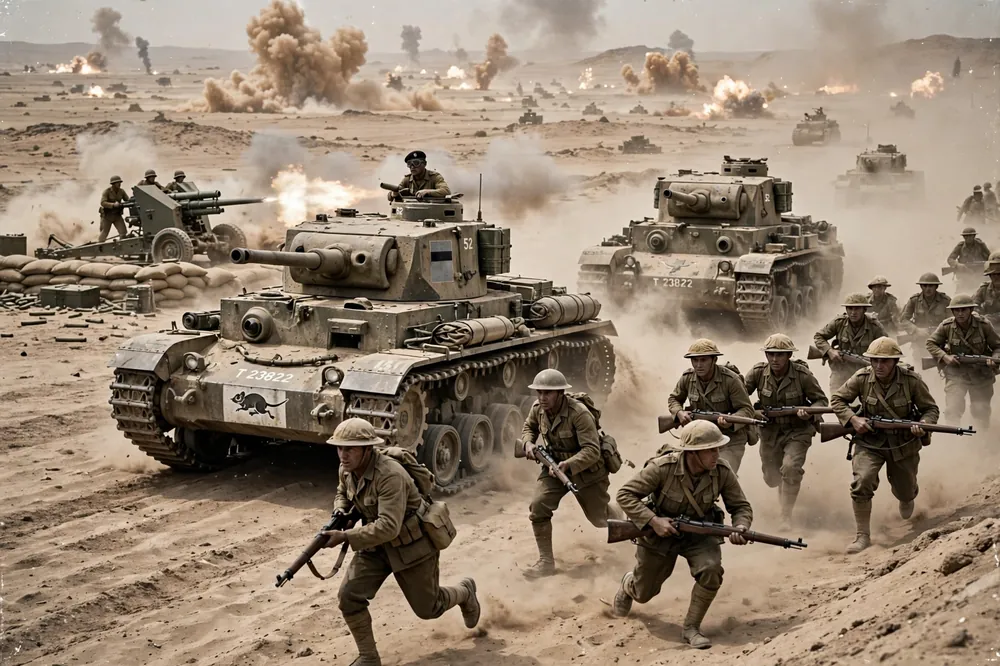
The second battle of El Alamein, fought in October–November 1942, was the turning point of the desert war, and the 2nd New Zealand Division played a central part in it. Under Freyberg’s command, the New Zealanders attacked in the north, in the fighting that broke through the German defences, and they pursued the retreating Afrika Korps across Libya and into Tunisia.
Freyberg’s leadership at El Alamein was praised by his superiors, including General Bernard Montgomery, the commander of the Eighth Army, who regarded the New Zealand Division as one of his best formations. The division’s losses at El Alamein were heavy, but its achievements were, by any measure, extraordinary, and Freyberg’s reputation, which had been damaged by Crete, was restored.
The desert war ended in May 1943, with the surrender of the Axis forces in Tunisia, and Freyberg’s division, which had fought from Greece to Tunisia, was one of the most experienced formations in the Allied armies.
7. Italy and Monte Cassino
The Italian campaign
In late 1943 Freyberg’s division was sent to Italy, where it fought in the long and bloody campaign up the Italian peninsula. The Italian campaign was a war of mountains and rivers, fought in terrible conditions, and it was a war in which the Allies, who were advancing on a narrow front, faced a German army that fought a skilful and determined defence.
Freyberg’s division fought at Orsogna, at Cassino, and in the advance to Florence and beyond, and it suffered heavy casualties, as did all the Allied divisions in Italy. Freyberg, who was now a lieutenant general and the commander of the New Zealand Corps, was given the task of capturing Monte Cassino, the great abbey on the hill that dominated the road to Rome, and it was there that his reputation would be tested again.
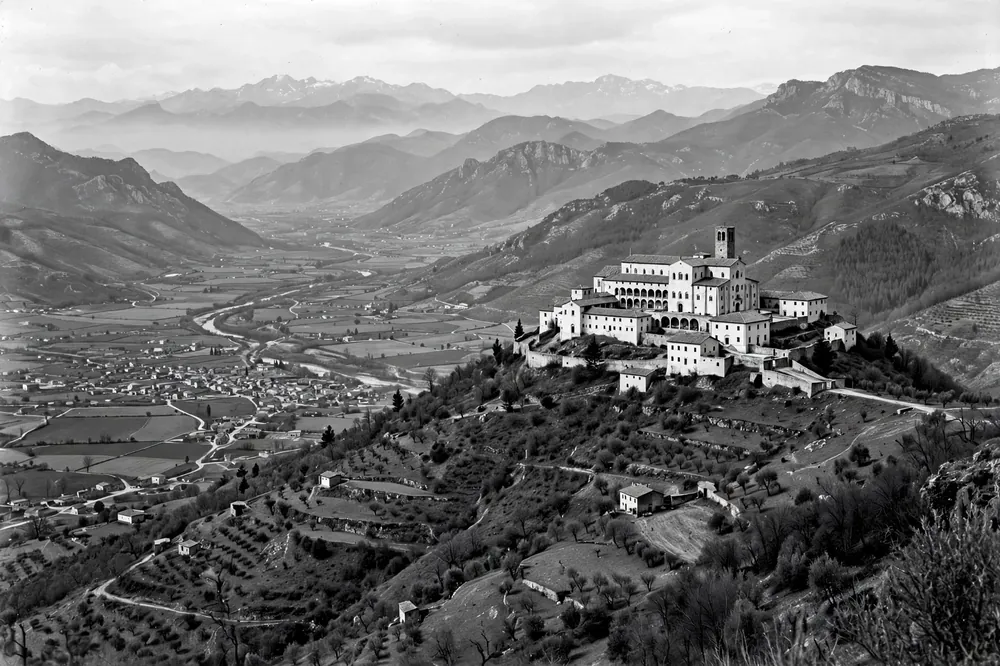
Monte Cassino / Monte Cassino
The battles of Monte Cassino, fought from January to May 1944, were among the bloodiest of the war, and Freyberg’s part in them remains controversial. He was the commander who requested the bombing of the abbey itself, on 15 February 1944, on the grounds that the Germans were using it as an observation post — a claim that has been debated ever since, with many historians arguing that the Germans were not in the abbey at the time, and that the bombing, which destroyed one of the great monuments of European civilisation, was unnecessary and counterproductive, because the ruins provided the Germans with excellent defensive positions.
Freyberg’s defenders argue that he acted on the intelligence available to him, and that the abbey’s position made it a legitimate target, while his critics argue that the bombing was a mistake, and that it prolonged the battle. The abbey was eventually captured, in May 1944, by Polish troops, and the road to Rome was opened.
Freyberg’s role at Cassino, like his role at Crete, is a reminder that the greatest generals are not always right, and that the history of the war must hold both their achievements and their mistakes in view.
8. Leadership and Character
“Tiny” Freyberg / “Tiny” Freyberg
Freyberg was, by all accounts, a remarkable character: big, brave, and famously aggressive, a man who led from the front and who never asked his men to do anything he would not do himself. His men called him “Tiny”, an ironic nickname for a man of six feet two inches, and they followed him because they trusted him.
He was, in the words of one of his officers, “a soldier’s soldier”, a man who understood the men he commanded and who cared for them, and who was, in return, loved by them. He was also a man of strong opinions, who was not afraid to disagree with his superiors, including Montgomery, and who insisted on the right of the New Zealand government to be consulted on the use of its troops.
His independence, and his insistence on New Zealand’s interests, sometimes caused friction with his British superiors, but it also made him a hero in New Zealand, where he was regarded as the country’s soldier, not Britain’s.
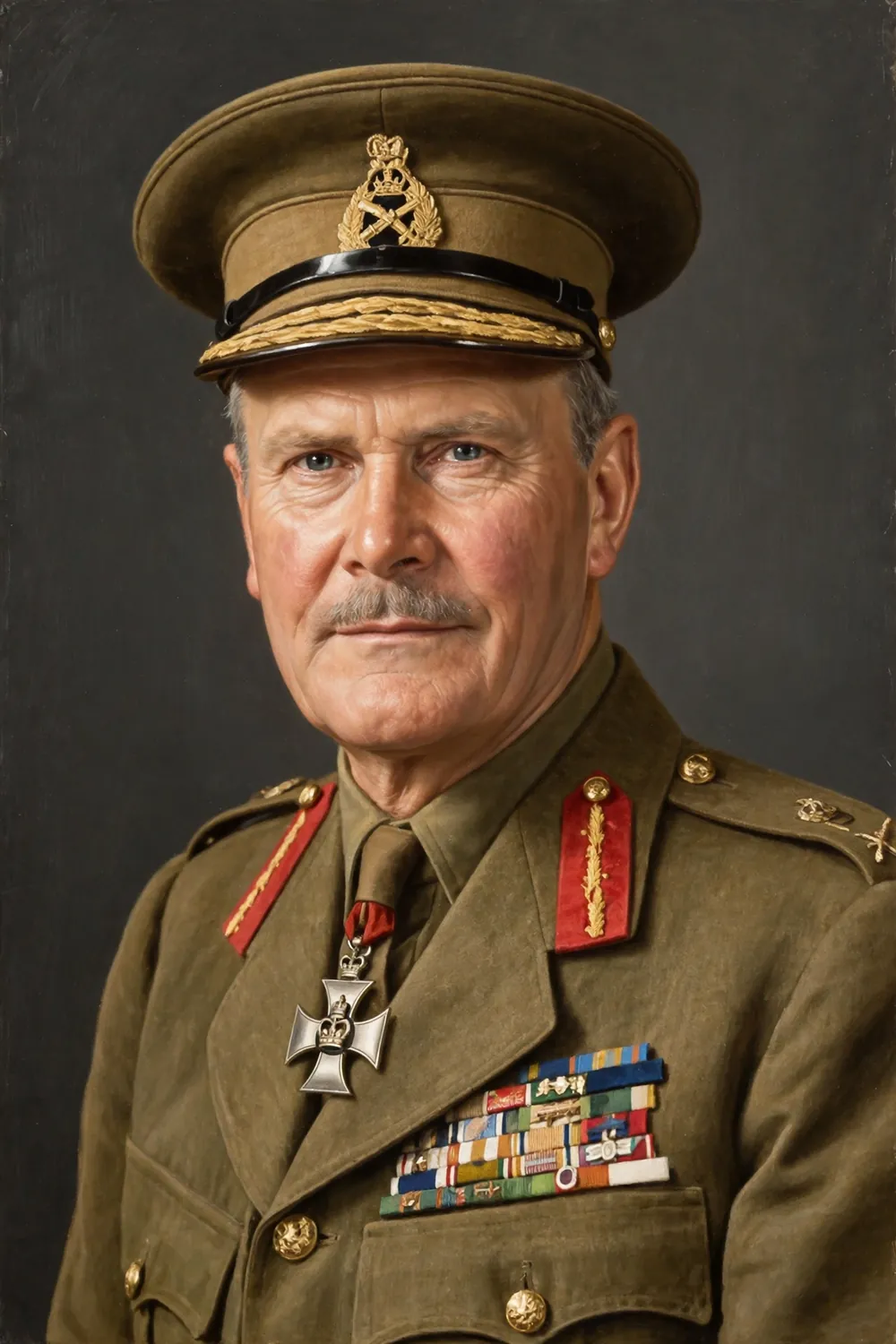
A general of two wars
Freyberg was one of the few generals of the Second World War who had also fought in the First, and his experience in the first war shaped his command in the second. He had won the Victoria Cross as a young captain, he had been wounded nine times, and he knew, from his own experience, what it was to lead men in battle and to be wounded.
His leadership style was direct and personal: he visited the front constantly, he knew his officers by name, and he made decisions quickly and stuck to them. He was, in many ways, a general of the old school, a man who believed in courage, in aggression, and in leading from the front, and his division, which shared his qualities, was one of the great fighting formations of the war.
9. After the War
Governor-General of New Zealand
After the war, Freyberg was appointed Governor-General of New Zealand, the representative of the Crown in New Zealand, a post he held from 1946 to 1952. It was a fitting appointment: Freyberg, who had been born in London but who regarded himself as a New Zealander, was the first Governor-General of New Zealand to have been born in the country, in the sense that he had grown up there, and he was, by then, the country’s most famous soldier.
As Governor-General, he was a popular and respected figure, and he travelled the country, meeting the veterans of his division and the people of New Zealand. He was, in his later years, a symbol of New Zealand’s contribution to the war, and of the country’s coming of age as a nation. He retired in 1952 and returned to England, where he died at Windsor on 4 July 1963, aged seventy-four.
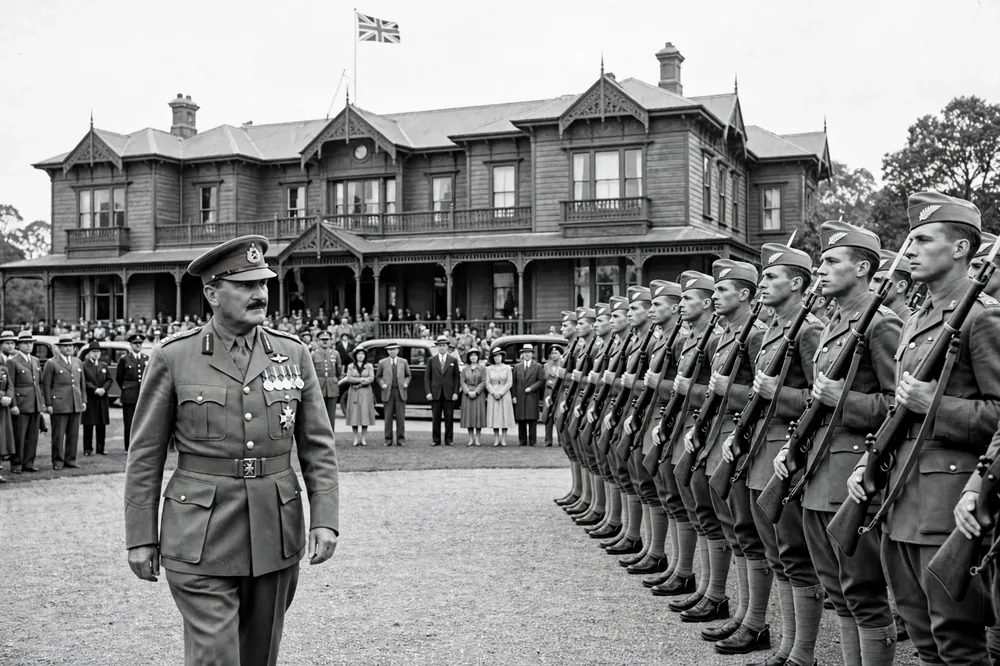
The division’s legacy
The 2nd New Zealand Division’s legacy is, in large part, Freyberg’s legacy. The division fought from Greece to Tunisia to Italy, and it suffered more than 10,000 casualties, including more than 2,000 killed, in the course of the war. Its men, who were volunteers, fought because they chose to, and they fought with a courage and a determination that became legendary. Freyberg, who commanded them throughout, was the embodiment of their qualities, and his name is, in New Zealand, synonymous with the division and with the country’s war effort. The division’s veterans maintained the memory of their commander for the rest of their lives, and Freyberg’s name is commemorated in New Zealand in streets, schools and memorials.
10. Freyberg in History
A controversial general
Freyberg remains a controversial figure in military history, and the controversies — Crete and Monte Cassino — are central to his reputation. At Crete, he is criticised for failing to counterattack at Maleme, and for holding back his reserves; at Cassino, he is criticised for requesting the bombing of the abbey.
His defenders argue that, in both cases, he acted on the intelligence available to him, and that the decisions were, in the circumstances, understandable, while his critics argue that, in both cases, he made mistakes that cost lives and prolonged the battles.
The debate continues, and it is a reminder that the history of the war is not a simple story of heroes and villains, but a complex story of men making difficult decisions in conditions of great uncertainty, and of the consequences of those decisions.
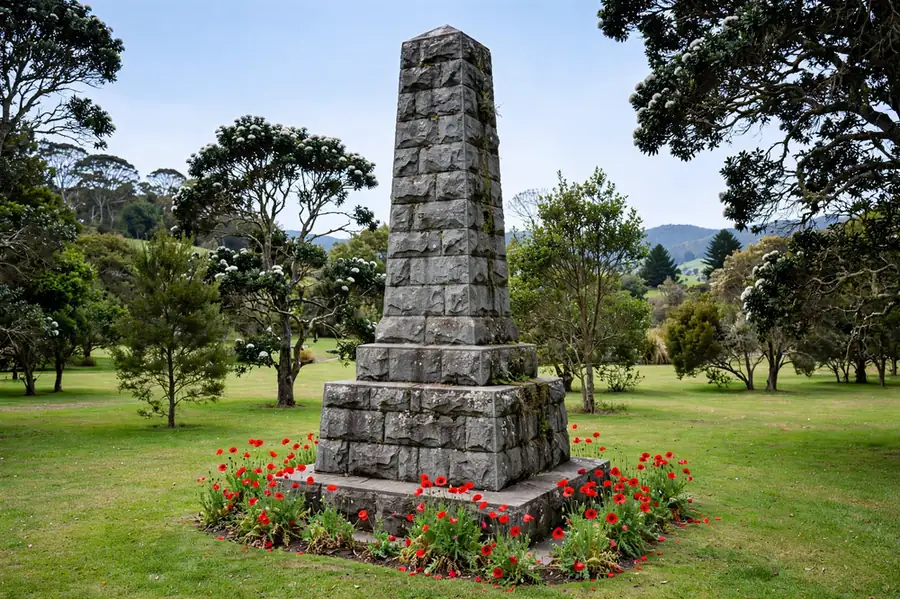
New Zealand’s soldier
Whatever the controversies, Freyberg’s place in New Zealand’s history is secure. He was the country’s most famous soldier, the winner of the Victoria Cross, the commander of its division through the whole of the Second World War, and its Governor-General after it.
His life, from a boy in Wellington to a general in two world wars, is a story of a New Zealander who served his country and the Empire, and who was, in the end, honoured by both. His name is remembered in New Zealand today as the name of a hero, and his division’s story is told in New Zealand’s schools and museums as a central part of the country’s history.
He was, in the words of one New Zealand historian, “the greatest New Zealand soldier of the twentieth century”, and his legacy endures.
11. Frequently Asked Questions
Who was Bernard Freyberg? / Bernard Freyberg là ai?
He was a New Zealand general who won the Victoria Cross in the First World War and commanded the 2nd New Zealand Division throughout the Second World War, in Greece, Crete, North Africa and Italy. After the war he served as Governor-General of New Zealand. He was a big, brave, and famously aggressive general, and his men called him ‘Tiny’, an ironic nickname for a man who stood six feet two inches tall. After the war he served as Governor-General of New Zealand, the representative of the Crown in his adopted country, from 1946 to 1952.
How did Freyberg win the Victoria Cross?
At Beaucourt-sur-Ancre, during the Battle of the Somme in November 1916, as a captain in the Hood Battalion of the Royal Naval Division, he led his men in an attack, was wounded three times, and continued to lead, capturing a village and holding it against counterattacks. As a captain in the Hood Battalion of the Royal Naval Division, he led his men in an attack, was wounded, and, though wounded, continued to lead, capturing a village and holding it against counterattacks. The citation for his Victoria Cross praised his ‘most conspicuous bravery, determination and leadership’, and it noted that he had been wounded three times in the action.
What happened at Crete?
In May 1941 Freyberg commanded the Allied forces on Crete against the first large-scale airborne invasion in history. The Germans captured the airfield at Maleme, and the Allies were forced to evacuate. His conduct of the battle remains controversial, with critics arguing that he should have counterattacked at Maleme. Freyberg commanded more than 40,000 men on Crete, including his own New Zealanders, British, Australian and Greek troops, and he was tasked with defending the island’s airfields against the German paratroops.
Why is the bombing of Monte Cassino controversial?
Freyberg requested the bombing of the abbey on 15 February 1944, on the grounds that the Germans were using it as an observation post. Many historians argue that the Germans were not in the abbey, and that the bombing destroyed a great monument and gave the Germans excellent defensive positions in the ruins. Freyberg was the commander who requested the bombing of the abbey itself, on 15 February 1944, on the grounds that the Germans were using it as an observation post, a claim that has been debated ever since.
How many times was Freyberg wounded?
He was wounded nine times in the two world wars — three times in the action for which he won the Victoria Cross, and six more times in the two wars. He was one of the most decorated soldiers in the British Empire. He was wounded three times in the action for which he won the Victoria Cross, and six more times in the two wars, and he was, by the end of the First World War, one of the most decorated soldiers in the British Empire. He was awarded the Victoria Cross, the Distinguished Service Order with two bars, and the Military Cross, in recognition of his bravery and his leadership.
What did Freyberg do after the war?
He served as Governor-General of New Zealand from 1946 to 1952, the representative of the Crown in New Zealand. He retired in 1952 and returned to England, where he died at Windsor on 4 July 1963, aged seventy-four. He was a popular and respected figure as Governor-General, and he travelled the country, meeting the veterans of his division and the people of New Zealand, before retiring in 1952 and returning to England. He died at Windsor on 4 July 1963, aged seventy-four, and he is remembered in New Zealand as the country’s most famous soldier.
12. Sources
- Wikipedia, “Bernard Freyberg, 1st Baron Freyberg” — birth and death dates, Victoria Cross, 2nd New Zealand Division, Crete, Monte Cassino, Governor-General of New Zealand.
- Wikipedia, “Battle of Crete” — the battle, Maleme airfield, and the controversy over Freyberg’s conduct.
- Wikipedia, “Battle of Monte Cassino” — the four battles, the bombing of the abbey on 15 February 1944, and the controversy.
- Paul Freyberg, Bernard Freyberg, VC: Soldier of Two Nations (Hodder & Stoughton, 1991) — the biography by his son.
- Geoffrey Cox, The Race for Trieste (William Kimber, 1977) — the New Zealand Division in Italy.
- New Zealand History, “Bernard Freyberg” (Ministry for Culture and Heritage) — official New Zealand biography.
- Dan Davin, Crete (Oxford University Press, 1953) — the official New Zealand history of the Battle of Crete.
- Matthew Wright, Freyberg’s War (various) — the New Zealand Division in the Second World War.