 WAR ATLAS MILITARY HISTORY MAGAZINE · WWI — WWII
SOE — Special Operations Executive
1. Lead
The Special Operations Executive (SOE) was the British secret organisation created in July 1940 to encourage and support resistance in German-occupied Europe, and to carry out sabotage and subversion behind enemy lines. Prime Minister Winston Churchill ordered it to “set Europe ablaze”, and its minister, Hugh Dalton, gave it the task of coordinating all action “by way of subversion and sabotage” against the enemy.
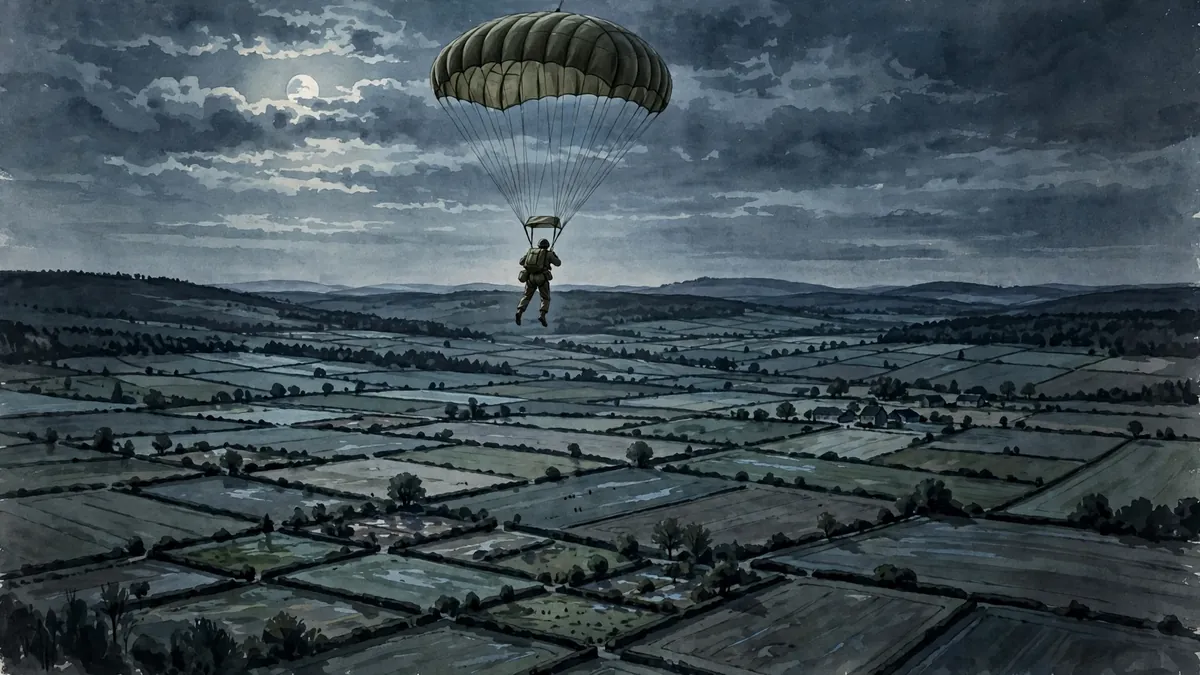
Over the next five years, the SOE sent about 470 agents into France alone, supplied thousands of tonnes of arms to resistance movements across Europe and Asia, and carried out some of the most famous sabotage operations of the war — including the destruction of the heavy-water plant at Vemork in Norway and the assassination of Reinhard Heydrich in Prague.
The SOE was disbanded in January 1946, and its work was kept secret for decades.
2. Key Facts
| What | Special Operations Executive — Britain’s secret sabotage and resistance organisation |
| Founded | 22 July 1940 |
| Disbanded | 15 January 1946 |
| Ordered by | Prime Minister Winston Churchill, to “set Europe ablaze” |
| Minister in charge | Hugh Dalton (Minister of Economic Warfare), 1940-1942 |
| Executive director | Major General Colin Gubbins (from September 1943) |
| Personnel | About 13,000 people, including about 470 agents sent to France (F Section) and hundreds more to other countries |
| Main theatres | France, Norway, Denmark, the Netherlands, Belgium, Yugoslavia, Greece, Italy, Poland, Czechoslovakia, South-East Asia |
| Famous operations | Vemork heavy-water sabotage (Norway), Operation Anthropoid (Prague), the Jedburgh teams (with the OSS) |
| Successor | Its functions were divided between the Secret Intelligence Service (MI6) and the Foreign Office |
3. Background
The SOE was born in the summer of 1940, in the darkest moment of the war for Britain. France had fallen in June, the British Army had been evacuated from Dunkirk, and Britain stood alone against Germany. The regular armed forces could not attack the continent, and the government looked for other ways to fight back.
On 16 July 1940, Hugh Dalton, the Minister of Economic Warfare, proposed a new organisation to carry out “irregular warfare” — sabotage, subversion and support for resistance in the occupied countries. Churchill approved, and on 22 July 1940 the SOE was created, bringing together three existing bodies: Section D of the Secret Intelligence Service (MI6), which dealt with sabotage; MI R, a War Office section that studied guerrilla warfare; and Electra House, a Foreign Office propaganda unit.
The SOE was given its own budget, its own staff and, crucially, its independence from MI6, with which it would compete and quarrel throughout the war.
The rivalry with MI6
The SOE’s independence from MI6 was a source of constant friction. MI6, which ran agents for intelligence, feared that SOE sabotage operations would compromise its networks and get its agents arrested; the SOE, which ran agents for action, feared that MI6’s caution would prevent anything from being done. The two services competed for agents, for aircraft, and for the attention of the government.
The rivalry was at its worst in France, where the SOE’s F Section and MI6’s networks operated in the same country and sometimes in the same towns, and where the German security services played the two services against each other. The rivalry was never fully resolved, and it was one of the reasons the SOE was disbanded after the war, rather than being kept as a permanent service.
Training
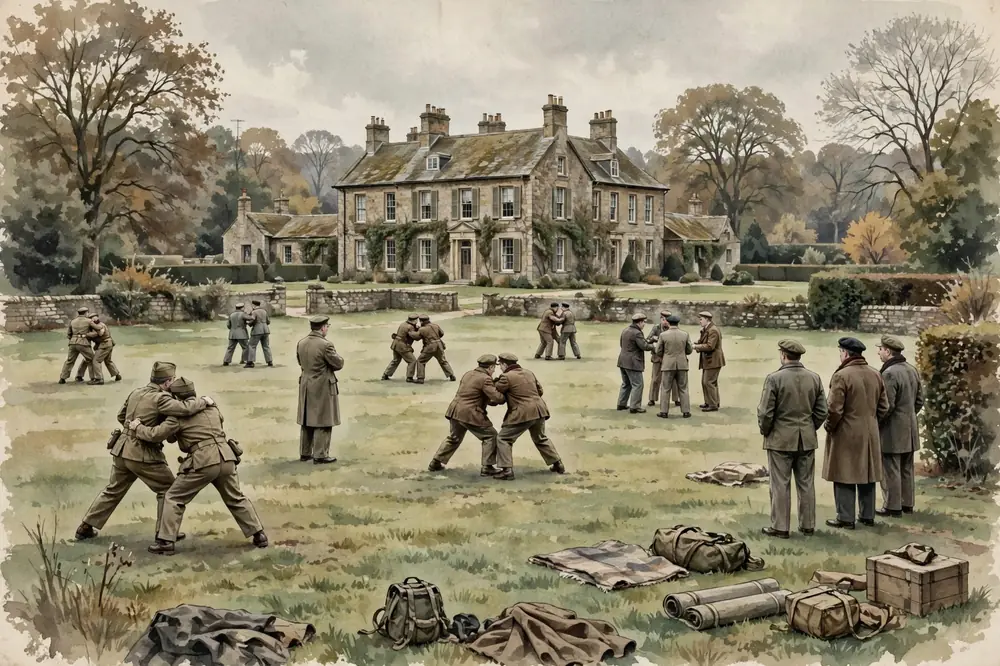
SOE agents were trained at schools in Britain, above all at Beaulieu in Hampshire, where they learned unarmed combat, the use of explosives and weapons, parachuting, wireless operation, codes and ciphers, and how to live under cover. The training was practical and often harsh: agents were taught to kill silently, to derail trains, to blow up bridges, and to resist interrogation.
The SOE’s training schools also taught the use of the organisation’s distinctive weapons, including the silenced Welrod pistol and the plastic explosive that could be moulded by hand. Agents were recruited for their language skills and their knowledge of the country they were going to: many were French, Polish, Norwegian or Dutch exiles, and many were women.
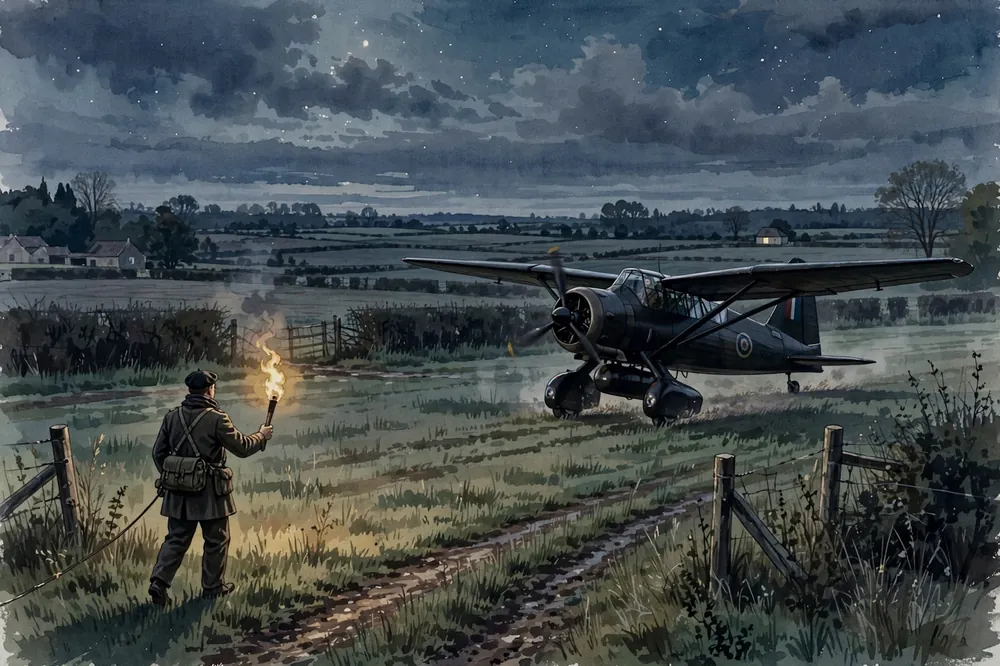
The training lasted a few months, and the agents were then flown or sailed to their country, often by Lysander aircraft that landed in fields at night, or by parachute.
4. Operations in France
France was the SOE’s largest theatre. The SOE’s F Section, under Maurice Buckmaster, sent about 470 agents into France between 1941 and 1944, of whom about a quarter did not return. The agents organised resistance circuits, each named after a person or a thing — the “Prosper” circuit, the “Jockey” circuit, the “Wheelwright” circuit — and each circuit had a wireless operator, an organiser and, often, a courier.
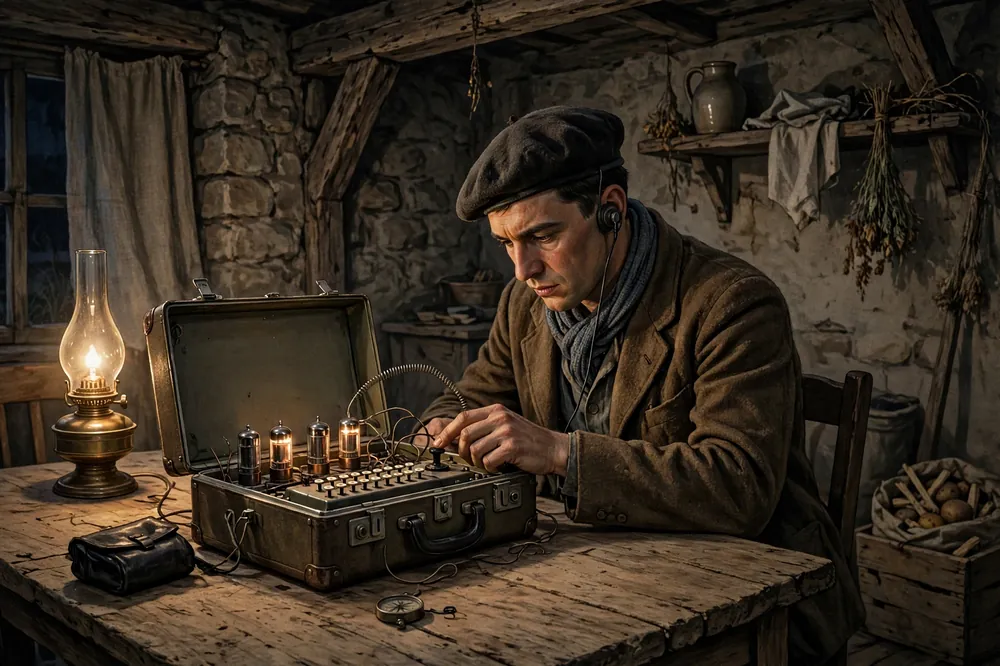
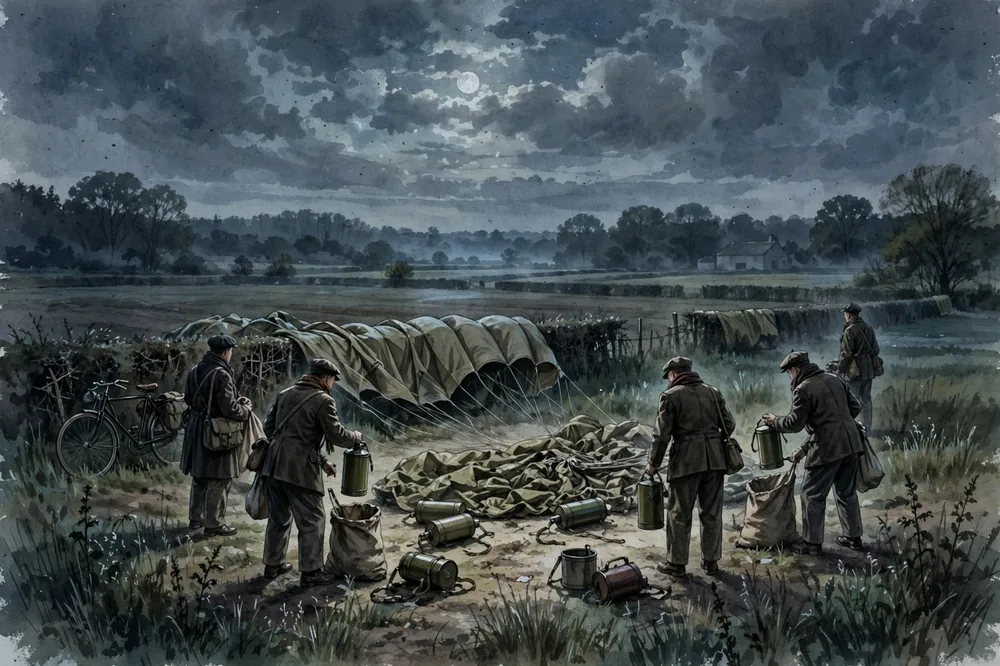
The circuits received arms, money and supplies by parachute drops, and they carried out sabotage of railways, factories and telephone lines. F Section’s work was damaged in 1943 by the penetration of the “Prosper” circuit by the German security service, the Sicherheitsdienst (SD), which arrested its leader, Francis Suttill, and many of its agents, and then used the circuit’s wireless sets to play a “radio game” — sending false messages to London and luring more agents to their arrest.
The SOE’s other French section, RF Section, worked with the Free French of General de Gaulle, and the two sections competed for the same territory.
The women agents
The SOE sent 39 women agents into France for F Section, of whom 13 were killed. The women served as couriers and wireless operators — the most dangerous roles, because the wireless operator’s transmissions could be detected by German direction-finding vans.
Among the best known were Violette Szabo, who carried out two missions in France in 1944 and was captured after a gunfight, tortured and executed at Ravensbrück concentration camp in February 1945, and was posthumously awarded the George Cross; Noor Inayat Khan, a wireless operator of Indian descent who was the first woman to be sent to France as a wireless operator, and who was captured, tortured and executed at Dachau in September 1944, and was posthumously awarded the George Cross; and Odette Sansom, who was captured and tortured, survived Ravensbrück, and was awarded the George Cross.
The women’s stories, told in books and films after the war, made the SOE famous, and they remain the best-known part of its history.
5. Operations Beyond France
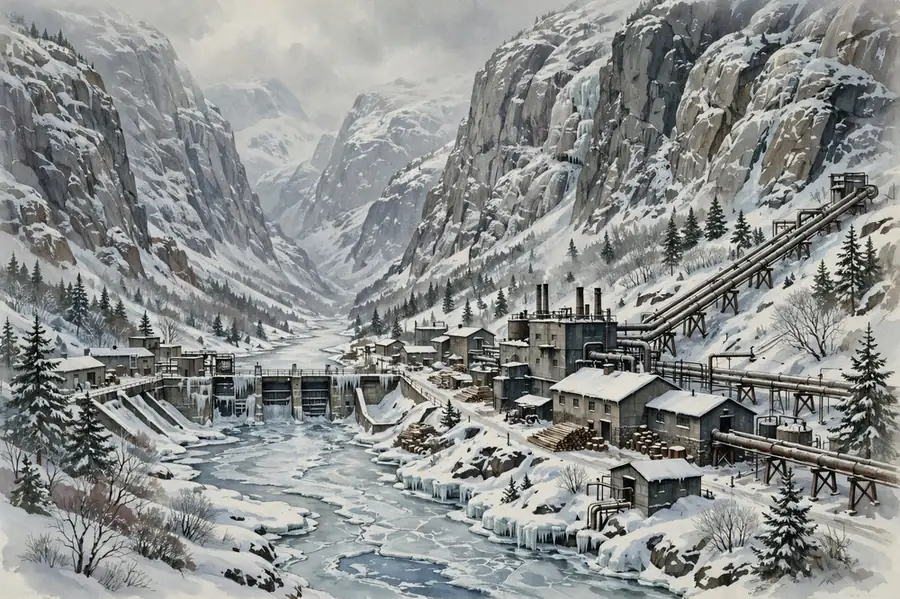
The SOE’s work was not confined to France. In Norway, the SOE’s most famous operation was the sabotage of the heavy-water plant at Vemork, which produced heavy water for the German atomic programme. In February 1943, a team of Norwegian SOE agents, trained in Britain, parachuted into Norway, skied to the plant, and blew up its heavy-water cells; the plant was repaired, and in February 1944 the SOE sank the ferry carrying the plant’s heavy water to Germany.
The operation is credited with delaying the German atomic programme, though historians debate how far the German programme had in fact advanced. In Czechoslovakia, the SOE trained the two Czech agents, Jan Kubiš and Jozef Gabčík, who assassinated Reinhard Heydrich, the acting Reich Protector of Bohemia and Moravia, in Prague in May 1942 — an operation, Anthropoid, that was followed by savage German reprisals, including the destruction of the village of Lidice.
In Yugoslavia and Greece, the SOE supplied the partisans and the resistance, and in the Netherlands, Denmark, Belgium, Poland and Italy it organised networks and sabotage.
The Jedburgh teams and D-Day
In 1944, the SOE joined with the American OSS and the French BCRA in the Jedburgh operation: 93 three-man teams were parachuted into France before and after D-Day to link up with the French resistance, to organise sabotage and to coordinate the resistance with the Allied advance.
The SOE’s circuits in France, which had been built up over three years, provided the men, the arms and the local knowledge for the Jedburgh teams, and the sabotage they carried out — the cutting of railway lines, the destruction of bridges and telephone exchanges — is credited with delaying German reinforcements to Normandy.
The SOE also played a part in the French uprising in Paris in August 1944, and its agents were among the first Allied personnel to enter the liberated towns of France.
6. The People of the SOE
The SOE’s people were, like its work, diverse. Its director from September 1943, Major General Colin Gubbins, was a professional soldier who had written the manuals on guerrilla warfare that the SOE used, and who had fought in Ireland and in Norway. Its agents were drawn from the exiled communities of occupied Europe, from the universities, and from the armed forces.
Many of the SOE’s staff were women: in addition to the agents sent to France, women worked as wireless operators, coders, couriers and staff officers in London, and the First Aid Nursing Yeomanry (FANY) provided many of the women who served the SOE.
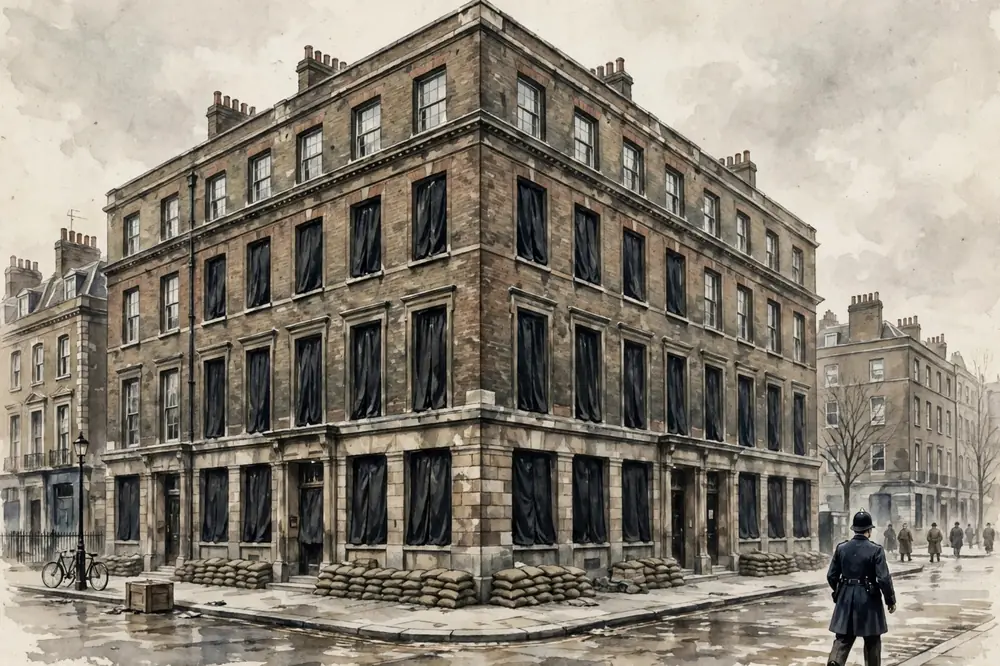
The SOE’s headquarters were at 64 Baker Street in London, and its country houses — Beaulieu, and others in the New Forest and in Scotland — were its training schools. The SOE’s staff were bound by the Official Secrets Act, and many of them kept their wartime work secret for decades.
Vera Atkins and the missing agents
After the war, the SOE officer Vera Atkins, who had been the assistant to Maurice Buckmaster in F Section, undertook the task of finding out what had happened to the agents who had not returned from France. Travelling to Germany in 1945-1946, she traced the agents through the records of the concentration camps and the testimony of survivors, and she established the fates of many of them — including Noor Inayat Khan, Violette Szabo and the agents of the “Prosper” circuit.
Her work, and the work of the SOE’s post-war historians, established the record of the SOE’s losses: of the about 470 F Section agents sent to France, about a quarter were killed, and of the 39 women, 13 were killed. Atkins’s work is commemorated at the SOE memorial at Valencay in France, which bears the names of the F Section agents who died.
7. The Radio Game and the Cost
The SOE’s work in France was badly damaged by the German penetration of its networks. The most serious case was the “Prosper” circuit, whose leader, Francis Suttill, was arrested in June 1943, and whose wireless operator was captured and forced to transmit under German control.
The Germans used the captured wireless sets to send false messages to London, requesting more agents and supplies, which were then dropped into German hands — a deception known as the “radio game”. The SOE in London, which had warnings that the circuits were compromised — including warnings from the agents themselves, in the form of security checks omitted from their messages — continued to send agents and supplies to the compromised circuits for months.
The affair, known as the “Prosper disaster”, cost the lives of dozens of agents, and it remains the most controversial episode in the SOE’s history: historians debate whether the SOE’s headquarters ignored the warnings, or whether the warnings were not understood, and whether the disaster could have been avoided.
8. Disbandment
The SOE was disbanded on 15 January 1946. The decision was taken by the post-war Labour government, which did not see a need for a peacetime sabotage organisation, and which was concerned by the SOE’s wartime record and by its rivalry with MI6.
The SOE’s functions were divided: its intelligence functions went to MI6, and its remaining staff and files were transferred to the Foreign Office and to the War Office. Many of the SOE’s people went on to serve in MI6, in the Foreign Office, and in the post-war intelligence services, and the SOE’s methods — the training of agents, the support of resistance movements, the use of sabotage — were taken up by the intelligence services of Britain, the United States and other countries.
The SOE’s files were kept secret for decades, and were only released to the National Archives in the 1990s and 2000s.
9. Remembrance
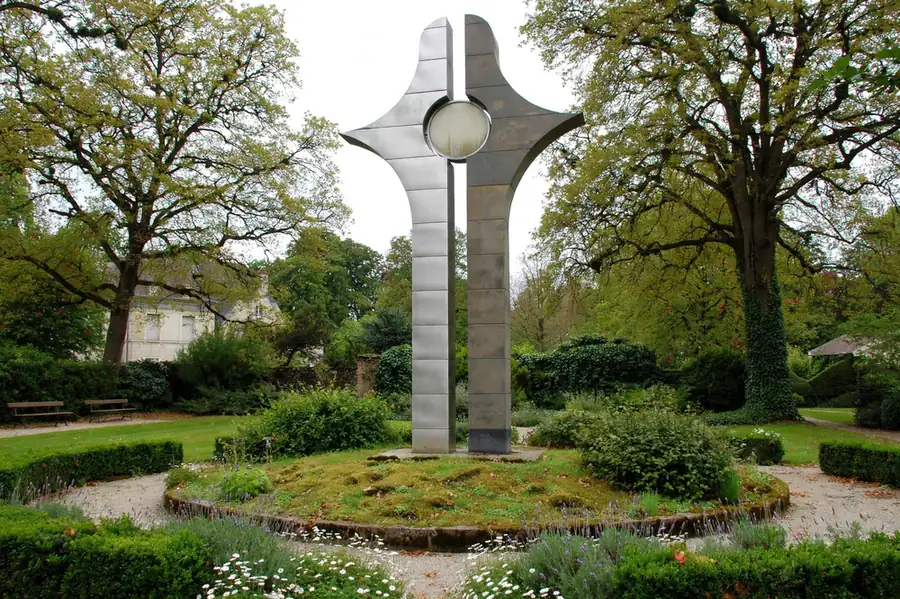
The SOE is remembered in Britain, France and the other countries where it worked. In London, the SOE memorial stands on the Albert Embankment, near Lambeth Palace, and bears the names of the agents who died. In France, the Valençay memorial, unveiled in 1991, bears the names of the 91 men and 13 women of F Section who died, and a memorial at the former SOE training school at Beaulieu marks the agents who trained there.
In Norway, the Vemork plant is a museum, and the saboteurs are remembered as national heroes. The SOE’s agents are also remembered in books and films: the story of Violette Szabo was told in the film Carve Her Name with Pride (1958), and the story of the Vemork sabotage in The Heroes of Telemark (1965).
The SOE’s motto, from the Book of Ecclesiasticus — “And some there be, which have no memorial” — is inscribed on its memorials, and it is the title of the SOE’s history.
10. Legacy
The SOE’s legacy is the modern practice of special operations and of support for resistance movements. The British Special Air Service (SAS), which was founded during the war, and the American Special Forces, founded in 1952, both trace their methods to the SOE and the OSS, and the practice of sending small teams to work with local resistance — the Jedburgh model — remains the basis of special forces operations today.
The SOE also left a literary and cultural legacy: the stories of its agents, above all its women agents, have shaped the popular image of the secret agent, and the SOE’s training methods, its weapons and its techniques have been studied by intelligence services around the world.
The SOE’s history, once secret, is now a major subject of historical research, and its files at the National Archives are among the most consulted records of the Second World War.
Frequently Asked Questions
What was the SOE?
The Special Operations Executive was Britain’s secret organisation for sabotage and support for resistance in occupied Europe during the Second World War, created in July 1940 and disbanded in January 1946.
What does “set Europe ablaze” mean?
It was Prime Minister Winston Churchill’s order to the SOE when it was created: to encourage resistance and carry out sabotage across German-occupied Europe.
Who were the SOE’s women agents?
The SOE sent 39 women agents to France for F Section, including Violette Szabo, Noor Inayat Khan and Odette Sansom. Thirteen of them were killed.
What was the Vemork sabotage?
The SOE’s destruction of the heavy-water plant at Vemork in Norway in February 1943, and the sinking of the ferry carrying its heavy water in February 1944, which delayed the German atomic programme.
What was Operation Anthropoid?
The SOE-trained operation in which two Czech agents, Jan Kubiš and Jozef Gabčík, assassinated Reinhard Heydrich in Prague in May 1942.
When was the SOE disbanded?
On 15 January 1946, shortly after the end of the Second World War.
Related articles
Sources
- M. R. D. Foot, SOE in France: An Account of the Work of the British Special Operations Executive in France, 1940-1944 (HMSO, 1966; Routledge, 2004) — the official history of F Section.
- Wikipedia, “Special Operations Executive” — founding 22 July 1940, disbandment 15 January 1946, about 470 F Section agents, 39 women agents.
- Sarah Helm, A Life in Secrets: Vera Atkins and the Missing Agents of WWII (Little, Brown, 2005) — Vera Atkins and the search for the missing agents.
- Marcus Binney, The Women Who Lived for Danger: The Agents of the Special Operations Executive (Hodder & Stoughton, 2002) — the women agents of the SOE.
- David Stafford, Secret Agent: The True Story of the Special Operations Executive (BBC Books, 2000) — an overview of the SOE.
- Thomas Gallagher, Assault in Norway: The True Story of the Telemark Raid (Harcourt Brace, 1975) — the Vemork heavy-water sabotage.