 WAR ATLAS MILITARY HISTORY MAGAZINE · WWI — WWII
Schlieffen Plan
Lead
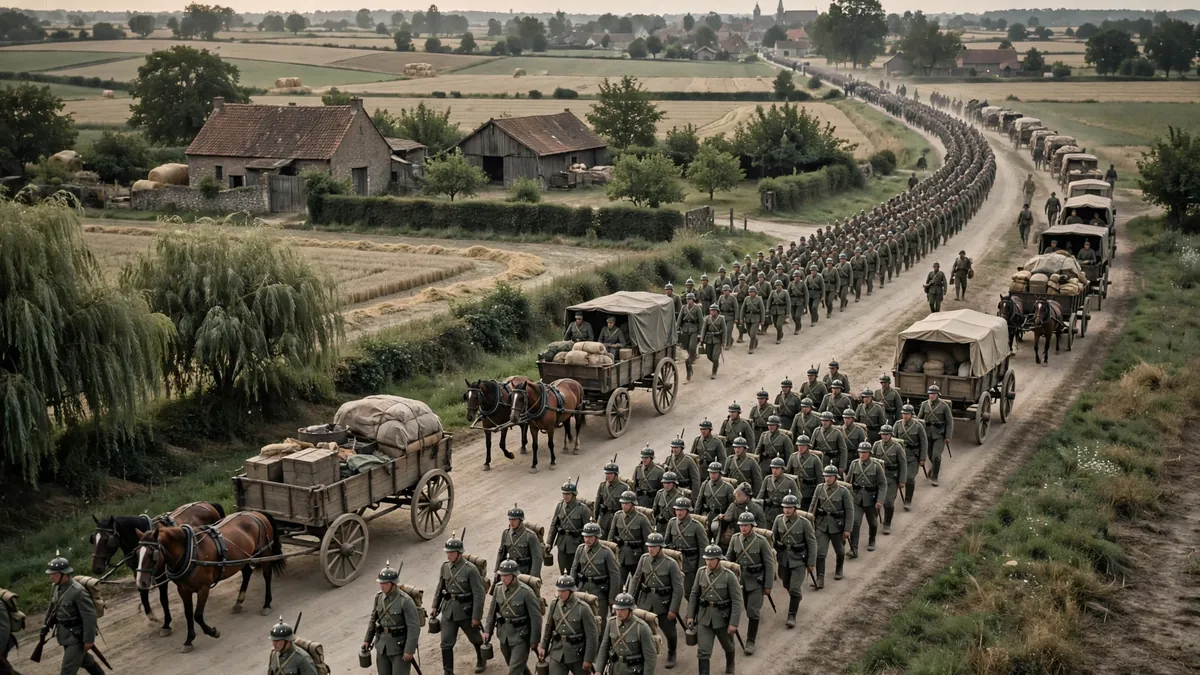
The Schlieffen Plan was the German war plan, drawn up in 1905 by the Chief of the General Staff, Alfred von Schlieffen, for defeating France quickly in a future war — within about six weeks — so that Germany could then turn its armies east to face Russia and avoid a prolonged war on two fronts.
The plan called for a massive German right wing to sweep through Belgium and northern France, pass west of Paris, and then turn east to trap the French armies against their own fortifications. It was put into effect, in a modified form, in August 1914, and it failed: the German advance was halted at the First Battle of the Marne in September 1914, and the war settled into the trench warfare of the Western Front.
The Schlieffen Plan is important because its failure shaped the entire First World War — and because historians still debate whether the plan, as it is usually described, ever really existed in the form its critics claim.
Key Facts
| Definition | A German deployment and operational plan for a rapid, decisive offensive against France through Belgium, intended to defeat France before Russia could fully mobilise, and so avoid a two-front war. |
| Origin | Drawn up by Count Alfred von Schlieffen, Chief of the German General Staff from 1891 until his retirement at the end of 1905, in a memorandum completed in December 1905. |
| Used by | Germany; executed in modified form by Schlieffen’s successor, Helmuth von Moltke the Younger, in August–September 1914. |
| Used in | The opening campaign of World War I on the Western Front, August–September 1914, ending at the First Battle of the Marne (5–9 September 1914). |
| Key examples | The invasion of Belgium (4 August 1914); the Battle of the Frontiers (August 1914); the First Battle of the Marne (5–9 September 1914). |
| Effectiveness | The advance initially succeeded, reaching the Marne within a month, but the plan failed to achieve its aim: France was not defeated, Paris was not taken, and Germany was left fighting the two-front war the plan was designed to avoid. |
Origins
The Schlieffen Plan grew out of Germany’s central strategic problem. After German unification in 1871, Germany lay between France in the west and Russia in the east — the two powers most likely to be its enemies. France wanted revenge for its defeat in the Franco-Prussian War of 1870–71 and the loss of Alsace-Lorraine; Russia was a vast empire with an army that, once mobilised, could field millions of men. If Germany had to fight both at once, it would be outnumbered. The Franco-Russian Alliance of 1892 made that danger concrete: the two powers agreed to support each other if either was attacked by Germany.
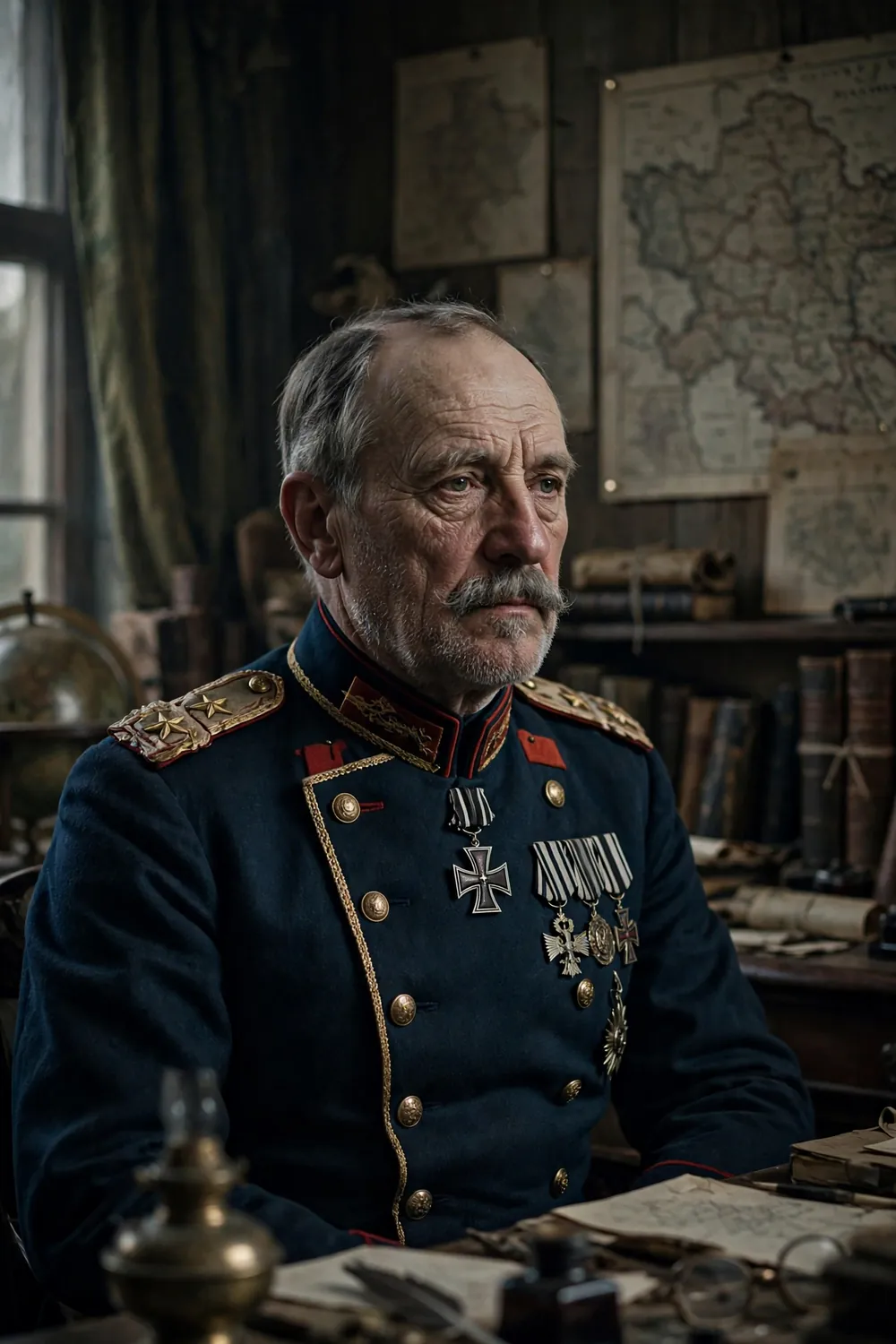
The idea of a rapid war against France was not new. Helmuth von Moltke the Elder, who had commanded the Prussian armies in the Franco-Prussian War of 1870–71, had won that war in months by surrounding and capturing the French armies at Sedan and Metz.
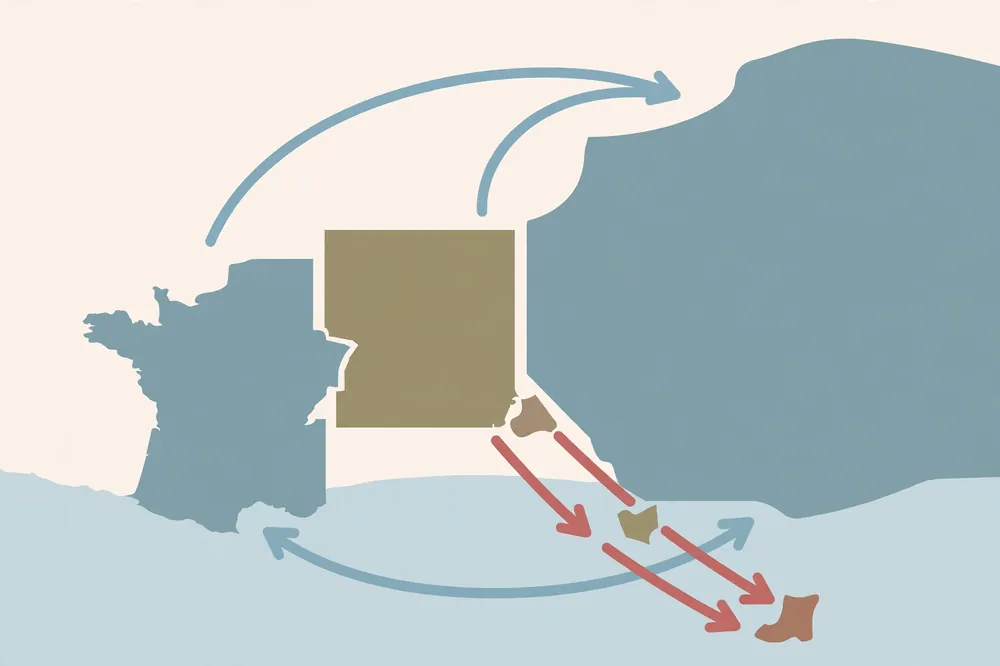
The lesson German officers drew was that France could be beaten quickly by envelopment — but the lesson was misleading in one important respect: in 1870, France had stood alone, and Germany had faced no second enemy in the east.
By 1905, the Franco-Russian Alliance meant that a war with France would almost certainly be a war with Russia as well, and the question was no longer whether France could be beaten quickly, but whether it could be beaten quickly enough. Schlieffen’s plan was an attempt to answer that question with a timetable.
Schlieffen’s answer was to defeat the enemies in sequence. Russia, he reasoned, would take weeks to mobilise its vast army and move it to the frontier — Russian mobilisation was expected to take about six weeks. France, by contrast, could be attacked at once. If Germany threw nearly all its strength against France and defeated it quickly, it could then turn east with its full force before Russia was ready. The timetable was therefore everything: France had to be beaten in about six weeks, the time Russia needed to mobilise.
The problem was how to defeat France quickly. The Franco-German border was heavily fortified, and a direct attack would be slow and costly. Schlieffen’s solution was to go around the fortifications: to send the bulk of the German army through Belgium (and, in the original version, the Netherlands), wheel south past Paris, and then turn east, driving the French armies back against their own frontier forts and destroying them. It was a plan for a giant wheeling movement — a single, vast right hook, with the right wing made as strong as possible and the left wing, facing the French in Alsace-Lorraine, deliberately left weak to lure the French into attacking there.
Schlieffen completed his memorandum in December 1905 and retired at the end of that year. The memorandum — known as the Denkschrift — was a study rather than a finished operational order, and it assumed conditions that did not exist in 1914: it was written for a one-front war against France, not for the two-front war Germany actually faced, and it assumed more divisions than Germany possessed. These facts are central to the historical debate about the plan, discussed below.
The timing of the memorandum also mattered. Schlieffen wrote it in 1905, when Russia was weakened by its defeat in the Russo-Japanese War and by revolution at home, and seemed unlikely to be able to intervene quickly in a European war. That made the six-week window seem plausible: if Russia was slow to mobilise, Germany would have time to defeat France first. By 1914, Russia had recovered, reformed its army, and built new railways toward the German frontier — and it mobilised in about two weeks, far faster than Schlieffen had assumed. The plan’s central assumption about time had already been overtaken by events before the war began.
How It Works
The Schlieffen Plan rested on three principles. First, overwhelming strength on the right wing: Schlieffen proposed to throw seven of Germany’s eight armies against France, with the mass concentrated on the right — the armies that would march through Belgium and northern France. The left wing, in Alsace-Lorraine, would be kept deliberately weak, inviting the French to attack there and so drawing French forces away from the decisive sector.
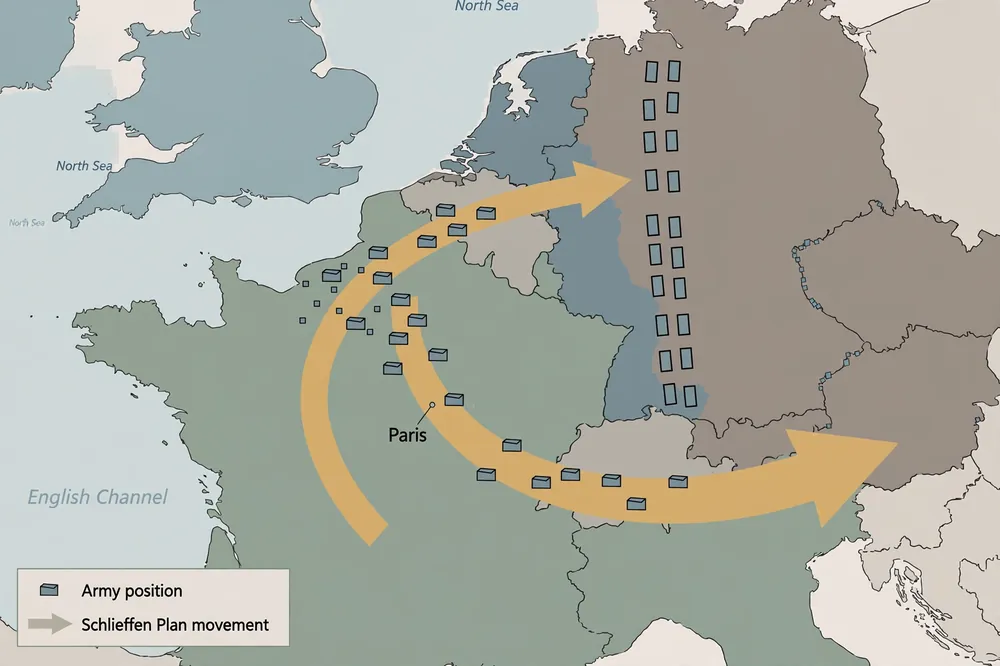
Second, speed: the right wing had to advance on a strict timetable, covering about 30 kilometres a day, living off the land and relying on railways to bring up supplies. Third, envelopment: once past Paris, the right wing would turn east and roll up the French line from the flank and rear, trapping the French armies against their own fortifications in the east and forcing a surrender.
The plan also depended on violating Belgian neutrality. Belgium was a neutral state whose neutrality had been guaranteed by the Treaty of London of 1839, signed by Britain among others. Schlieffen’s plan required German armies to march through Belgium, and the German government knew this would probably bring Britain into the war.
The risk was accepted: the plan’s authors judged that a quick victory over France mattered more than British neutrality, and that Britain’s small expeditionary force could not arrive in time to change the outcome. That judgement proved wrong on both counts — Britain declared war on 4 August 1914, and the British Expeditionary Force fought at Mons and Le Cateau, slowing the German right wing at a critical moment.
A further requirement was manpower. Schlieffen calculated that the right wing needed to be far stronger than the forces Germany actually possessed in 1905, and he expected the army to grow. He also assumed that the Belgian forts, notably at Liège, could be taken quickly, and that the French would behave as the plan expected — attacking in Alsace-Lorraine and leaving their left flank exposed. Each of these assumptions would be tested in August 1914, and each would prove weaker than Schlieffen had hoped.
Historical Examples
The plan was put into effect on 2 August 1914, when German troops entered Luxembourg, and on 4 August, when they crossed into Belgium after the Belgian government refused passage. The first obstacle was the fortress city of Liège, whose twelve forts commanded the routes into Belgium.

Schlieffen’s timetable assumed Liège would fall quickly; instead, the forts held for twelve days, until 16 August, delaying the advance and forcing the Germans to bring up heavy siege artillery, including the 420 mm “Big Bertha” howitzers. The delay mattered: it gave the French and British time to deploy, and it disrupted the tight schedule on which the whole plan depended.
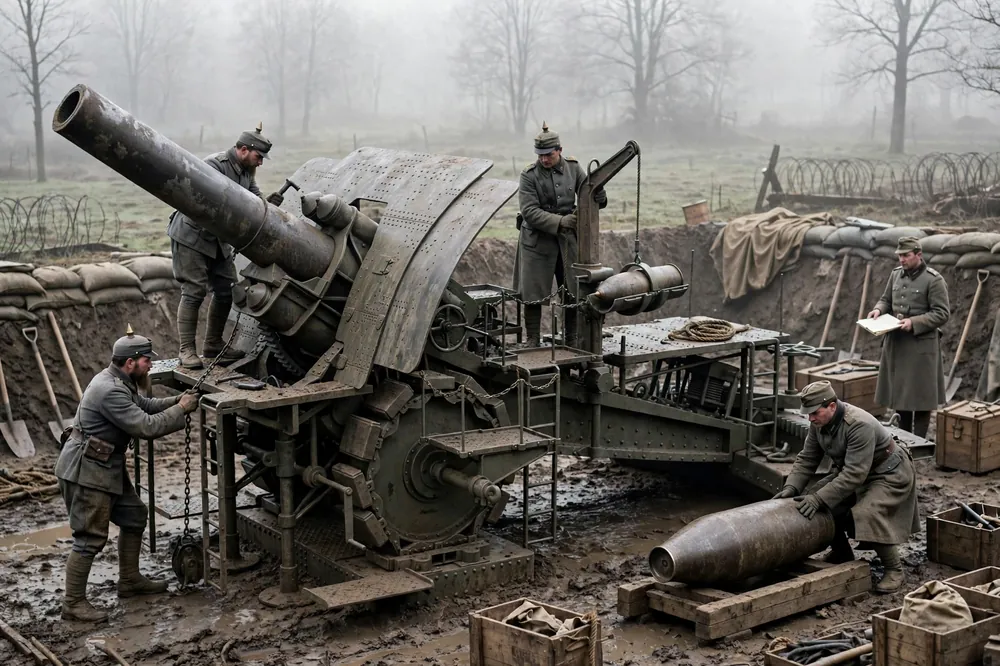
The invasion of Belgium also had a political consequence that Schlieffen had discounted: Britain declared war on Germany on 4 August, citing the Treaty of London, and the British Expeditionary Force began landing in France within days.

In the second half of August 1914, the French army, following its own Plan XVII, attacked into Alsace-Lorraine and the Ardennes — exactly as Schlieffen had hoped. The attacks failed with heavy losses: the French lost tens of thousands of men in the first days, and the German left wing, though weaker than the right, held its ground.
Meanwhile the German right wing, under the command of General Alexander von Kluck (1st Army) and General Karl von Bülow (2nd Army), advanced through Belgium and northern France, defeating the British at Mons on 23 August and the French Fifth Army at Charleroi. By the end of August, the Allies were retreating southward, and the German armies were approaching Paris.
The plan appeared to be working — but the right wing was already weaker than Schlieffen had intended, because his successor had changed it, and the advancing armies were exhausted, short of supplies, and strung out along lengthening lines of communication.
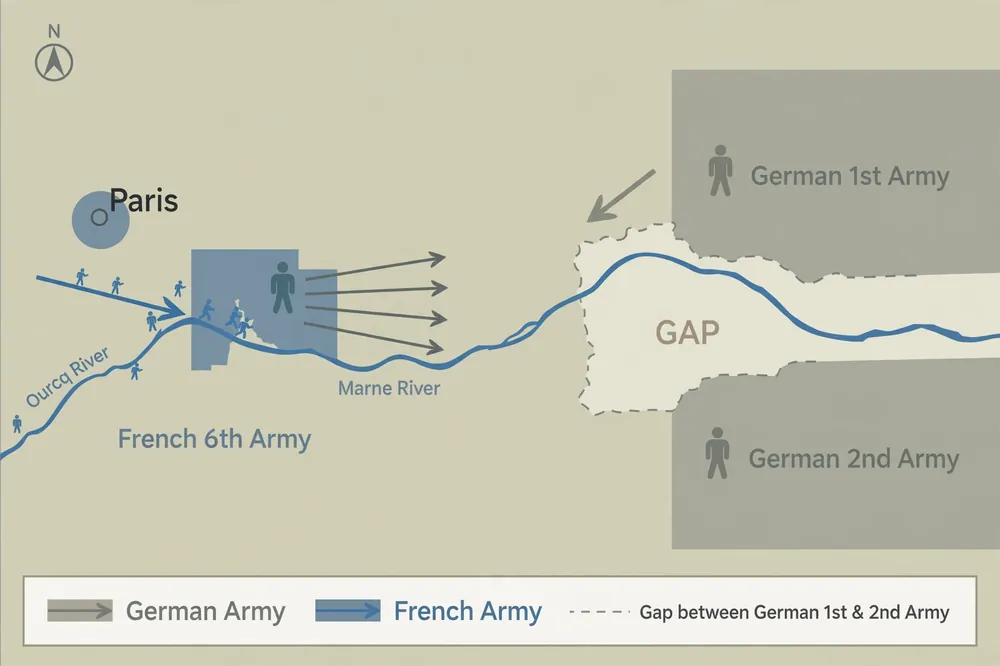
The decisive moment came at the Marne. On 30 August, Moltke ordered the 1st Army to turn east of Paris rather than west of it, abandoning the plan’s sweeping envelopment and exposing the German right flank. The French commander, General Joseph Joffre, saw the opening: the gap between the German 1st and 2nd Armies had grown to about 50 kilometres.
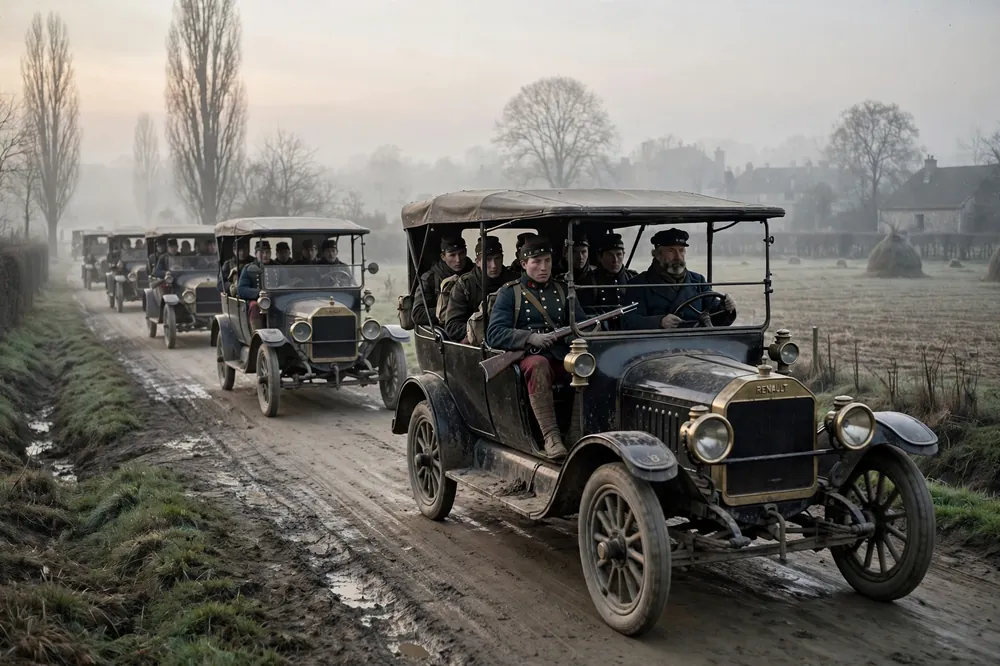
On 5 September, the French Sixth Army, under General Michel-Joseph Maunoury, attacked the 1st Army’s flank from Paris — troops famously rushed to the front in Paris taxis, though the taxis carried only a fraction of the reinforcements. On 6 September, Joffre ordered a general counter-offensive.
The German 1st Army was forced to turn and face the attack, the gap between the two German armies widened, and on 9 September Moltke ordered a general retreat to the Aisne river. The Battle of the Marne was over.
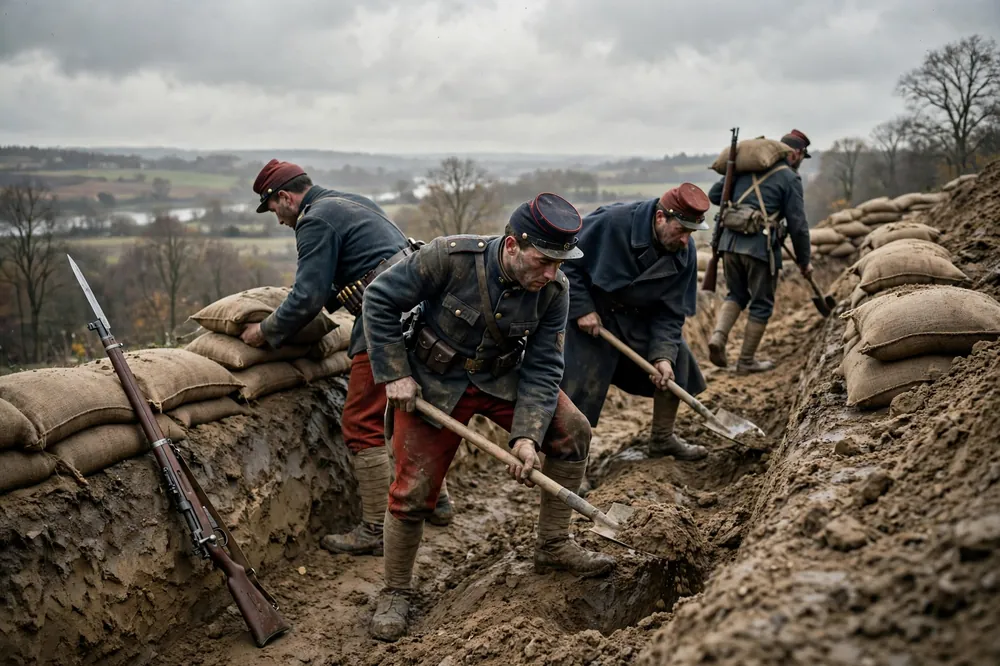
The German advance had been halted about 30 miles from Paris, the chance of a rapid victory was gone, and both sides dug in — the beginning of trench warfare on the Western Front.
After the Marne, neither side could advance, and both tried to outflank the other by moving northward in a series of manoeuvres known as the Race to the Sea. The fighting culminated in the First Battle of Ypres (19 October – 22 November 1914), where British, French and Belgian forces held the line against German attacks in Flanders.
By late November, the front had reached the English Channel coast near Nieuwpoort, and there was nowhere left to turn. Both sides dug in along a continuous line from the North Sea to the Swiss border, and the war of movement was over.
The Race to the Sea is the direct link between the failure of the Schlieffen Plan and the trench warfare that followed: the plan had promised a war of weeks, and its failure produced a war of years.
Strengths
The Schlieffen Plan’s strengths were its clarity and its logic. It addressed Germany’s real strategic problem — the danger of a two-front war — with a coherent answer: defeat one enemy quickly, then turn on the other. The concentration of force on the right wing was a sound application of the principle of mass, and the plan’s emphasis on speed and envelopment reflected the best military thinking of its time.
In August 1914, the plan came close to working: the German armies advanced further and faster than any army had advanced in Europe since Napoleon, and they came within a month of defeating France. Had the right wing been as strong as Schlieffen intended, or had the French not found the gap at the Marne, the outcome might have been different — a point on which historians still disagree.
The plan also had the strength of simplicity at the strategic level: every officer understood the idea — a great wheeling movement through Belgium, past Paris, and then east. That simplicity made it possible to coordinate the movements of seven armies across hundreds of miles, using the railway timetables that were the backbone of German mobilisation.
The railway system deserves emphasis, because it was the mechanism that made the plan conceivable at all. Germany had built its railways with mobilisation in mind: timetables were drawn up years in advance, reservists knew exactly which train to catch, and the General Staff could move hundreds of thousands of men to the frontier in days.
The same system, however, was rigid: once the trains started moving, the deployment could not easily be changed, and the plan’s timetable was, in effect, the railway timetable. France possessed a comparable network, and used it in August and September 1914 to shift troops to the Marne faster than the Germans could march — a reminder that the infrastructure which made the Schlieffen Plan possible also made its defeat possible.
Weaknesses and Countermeasures
The plan’s weaknesses were numerous, and they were exposed in 1914. First, it depended on a timetable that left no margin for error: a delay of twelve days at Liège, a few days of slower marching, or a single wrong decision by Moltke could — and did — break the schedule.
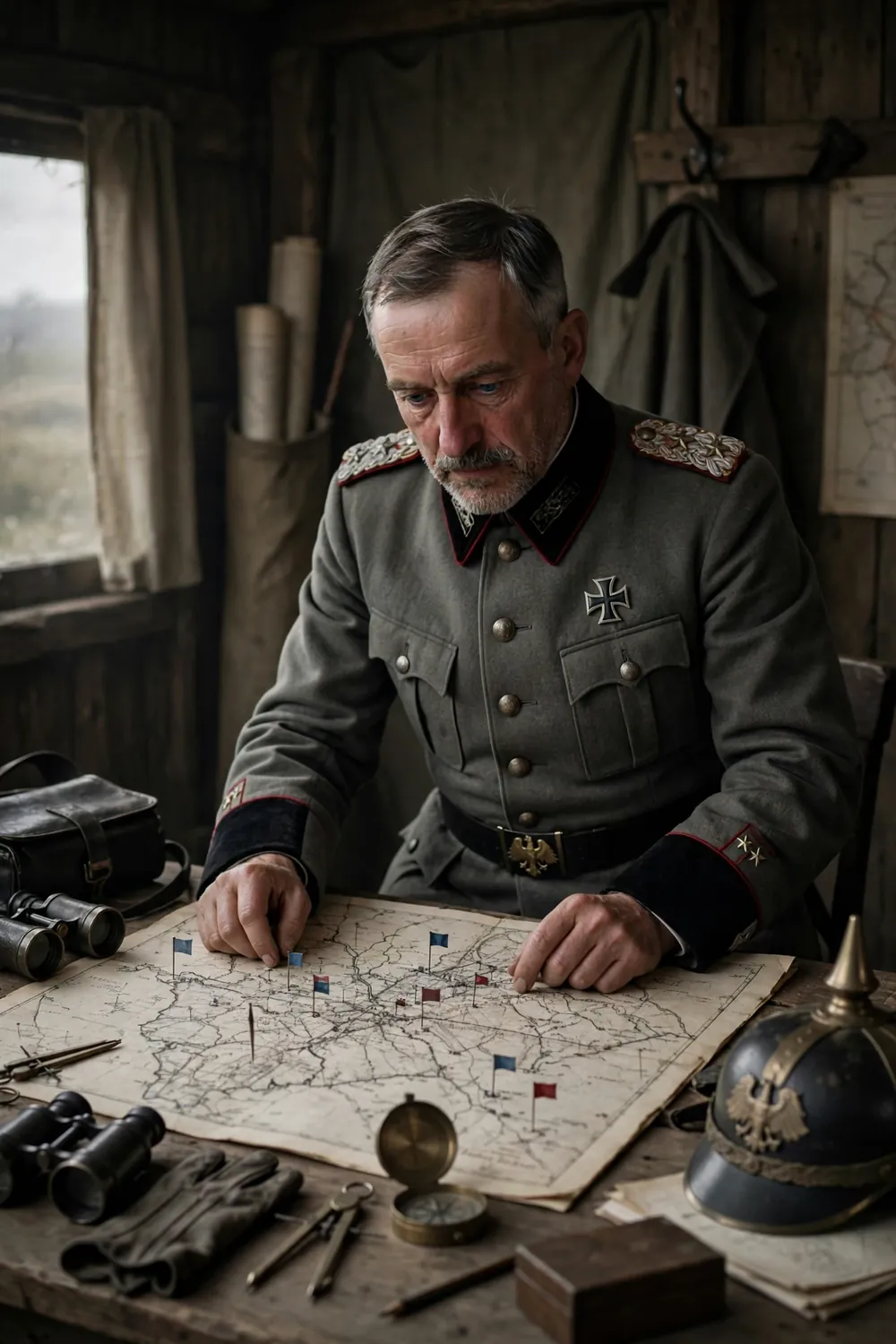
Second, it assumed the enemy would cooperate: that France would attack in Alsace-Lorraine and leave its flank exposed, and that Britain would stay out or arrive too late. France did attack in Alsace, but the French also kept enough forces in the north to form the Sixth Army that struck the German flank at the Marne.
Third, it required more men than Germany had: Schlieffen’s memorandum assumed divisions that did not exist, and Moltke’s modifications weakened the right wing further (see below). Fourth, logistics: the advancing armies outran their railheads and their supplies, and the men were exhausted after marching hundreds of kilometres in the August heat.
Moltke’s modifications are central to the debate about why the plan failed. As Chief of the General Staff from 1906, Moltke made two important changes. First, he cancelled the invasion of the Netherlands, which narrowed the front through which the right wing advanced and reduced its ability to outflank the Belgian forts around Liège.
Second, he strengthened the left wing in Alsace-Lorraine with divisions that Schlieffen had intended for the right — according to some accounts, reducing the right wing’s strength by about a third. He also detached troops to the Eastern Front when Russia mobilised faster than expected, and sent two corps to East Prussia in August 1914, further weakening the west.
Critics of Moltke argue that these changes destroyed the plan’s essential feature — the overwhelming right wing. Defenders reply that Moltke had no choice: the political cost of invading the Netherlands was too high, and the threat in the east was real — Russia reached German territory within about two weeks of mobilisation, far faster than Schlieffen had assumed.
The French countermeasures were equally important. Joffre’s decision to form a new Sixth Army from troops drawn from the east, and to use Paris as a base for the flank attack, exploited the gap that Moltke’s turn east of Paris had created. The French also benefited from their railway network, which let them shift troops faster than the Germans could march, and from the British Expeditionary Force, which held the German right wing at Mons and Le Cateau long enough for the French to redeploy. The Marne was, in this sense, a victory of operational flexibility over a rigid timetable.
Evolution
The Schlieffen Plan did not end at the Marne. Its failure shaped the rest of the war: Germany, unable to defeat France quickly, was left fighting on two fronts, and the Western Front froze into trench warfare. The German army spent the next four years trying to find another way to win — at Verdun in 1916, through unrestricted submarine warfare, and in the spring offensives of 1918 — and each attempt failed.
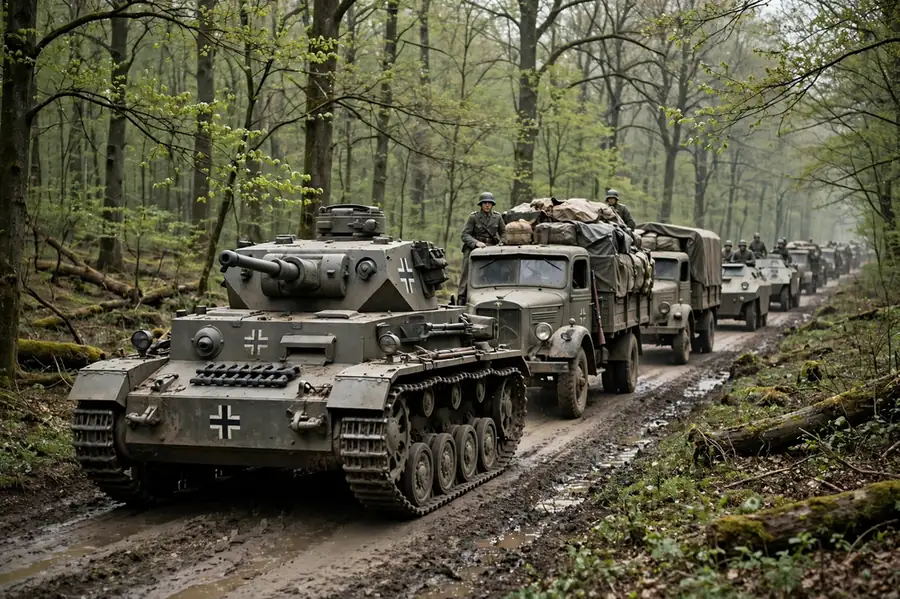
The plan’s legacy also shaped the interwar period: German officers studied the Marne obsessively, and the lesson many drew was that the next war must be won by speed and mechanisation, not by marching infantry. That lesson fed directly into the Blitzkrieg doctrine of the Second World War, which succeeded where the Schlieffen Plan had failed — in 1940, German armoured forces went through the Ardennes and reached the Channel in weeks, achieving the rapid defeat of France that Schlieffen had sought in 1914.
The plan itself also evolved in memory. After the war, German generals and historians argued about who was to blame for the failure at the Marne — Moltke, for weakening the right wing, or Schlieffen, for designing a plan that could not work. The debate produced a large literature, including Gerhard Ritter’s The Schlieffen Plan: Critique of a Myth (1958), which argued that the plan had been misunderstood and exaggerated.
More recently, the historian Terence Zuber has argued that the 1905 memorandum was not an operational plan at all, but a staff study for a one-front war, and that the “Schlieffen Plan” as commonly described is largely a post-war construction.
That argument remains contested — most historians still accept that a plan of some kind existed and guided the 1914 campaign — but it has forced a more careful reading of the evidence, and it is now standard to distinguish between Schlieffen’s 1905 memorandum, Moltke’s modified deployment plan, and the campaign as actually fought.
Legacy and Modern Use
The Schlieffen Plan’s legacy is twofold. Militarily, it is the classic case study of a plan that was logically coherent but brittle: it depended on too many assumptions holding at once, and it had no branch plan for failure. Modern staff colleges still teach it as a warning about the dangers of a rigid timetable, of underestimating the enemy, and of confusing a study with an operational plan. The plan also illustrates a permanent problem of strategy: a plan designed for one war — in this case, a one-front war against France — may be used in a different war, with different conditions, and fail for reasons its author never considered.
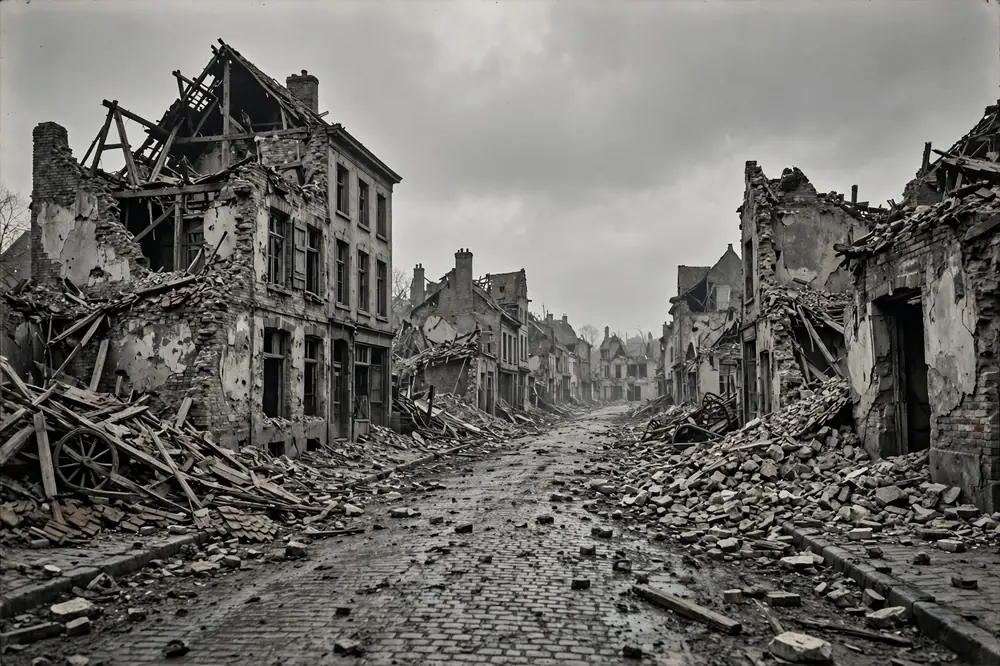
Politically, the plan’s legacy is the violation of Belgian neutrality, which brought Britain into the war and shaped the moral and diplomatic character of the conflict. The invasion of Belgium, and the German army’s treatment of Belgian civilians in August 1914 — documented in reports of shootings and the destruction of towns such as Louvain — became a central element of Allied propaganda and of the post-war settlement.
Historians continue to debate the scale and character of those events, and the German records and the Belgian and Allied accounts differ; but the fact of the invasion itself, and its role in widening the war, is not disputed. The Schlieffen Plan thus stands as a reminder that a military plan is never only military: its political consequences can be as decisive as its battlefield results.
The plan has also become a byword beyond military history. In staff colleges, in business schools and in general writing, “a Schlieffen Plan” is shorthand for an elegant, ambitious scheme that fails because it depends on everything going exactly as expected. That reputation is partly unfair — the plan addressed a real problem, and it came close to working — but it captures something real about the plan’s character: its brilliance lay in its simplicity, and its fragility lay in the same place.
Assessment by Historians
Historians assess the Schlieffen Plan in three broad camps. The first, the traditional view, holds that the plan was sound but was ruined by Moltke’s modifications: had the right wing been as strong as Schlieffen intended, and had Moltke not turned east of Paris, Germany would have won in 1914.
This view was popular among German officers after the war, who had an interest in blaming Moltke rather than the plan itself. The second view, associated with Gerhard Ritter, argues that the plan was a myth in the sense that it was never a finished operational plan, and that its rigid timetable and unrealistic assumptions made it unworkable from the start.
The third view, associated with Terence Zuber and developed since the 1990s, goes further: Zuber argues that the 1905 memorandum was a defensive staff study, that Schlieffen never intended the great wheeling movement as an operational plan, and that the 1914 campaign was Moltke’s plan, not Schlieffen’s.
Most historians today take a middle position. They accept that Schlieffen’s memorandum existed and that it influenced German planning, but they distinguish between the memorandum and the plan as executed in 1914, and they note that Moltke’s modifications were substantial.
They also stress that the plan’s failure had many causes — the Belgian resistance at Liège, the faster-than-expected Russian mobilisation, the French redeployment by rail, the British Expeditionary Force, the exhaustion of the marching troops, and Moltke’s decisions at the Marne — and that no single cause explains it.
A further point on which there is broad agreement is that the timetable itself was the plan’s central weakness: a campaign that had to succeed in six weeks, across hundreds of kilometres, against two enemies, left no room for the friction — the delays, misunderstandings and accidents — that Clausewitz had warned is present in every war.
What is not disputed is the consequence: the failure of the Schlieffen Plan turned a war that Germany had hoped to win in six weeks into a four-year war of attrition that Germany ultimately lost.
Frequently Asked Questions
What was the Schlieffen Plan? The Schlieffen Plan was Germany’s 1905 war plan for defeating France quickly — in about six weeks — by sweeping through Belgium and northern France, passing west of Paris, and trapping the French armies, so that Germany could then turn east to face Russia and avoid a two-front war.
Who was Alfred von Schlieffen? Alfred von Schlieffen (1833–1913) was Chief of the German General Staff from 1891 until his retirement at the end of 1905. He drew up the memorandum that bears his name in December 1905.
Why did the Schlieffen Plan fail? Several reasons combined: Belgian resistance at Liège delayed the advance; Russia mobilised faster than expected; Moltke weakened the right wing and turned east of Paris; the French redeployed by rail and struck the exposed German flank at the Marne; and the advancing German troops were exhausted and short of supplies.
Did Moltke ruin the Schlieffen Plan? That is the traditional criticism, and Moltke’s changes — cancelling the invasion of the Netherlands and strengthening the left wing — did weaken the right wing. But historians also note that Moltke faced real constraints, including the political cost of invading the Netherlands and the faster-than-expected Russian mobilisation, and that the plan had other weaknesses besides Moltke’s changes.
Was the Schlieffen Plan a real plan? This is debated. The 1905 memorandum certainly existed, but historians disagree about what it was: a finished operational plan, a staff study for a one-front war, or something in between. Terence Zuber has argued it was not an operational plan at all; most historians accept that it influenced the 1914 campaign, while distinguishing it from Moltke’s modified plan as executed.
What happened after the plan failed? The German advance was halted at the Marne, both sides dug in, and the Western Front became a war of trenches and attrition that lasted until 1918.
Related articles
Sources
- Wikipedia, “Schlieffen Plan” — origins, the 1905 memorandum, Moltke’s modifications, and the 1914 campaign.
- EBSCO Research Starters, “First Battle of the Marne” — dates (5–9 September 1914), the seven-armies deployment, and Moltke’s modifications.
- World History Encyclopedia, “Schlieffen Plan” — the six-week timetable, the failure at the Marne, and the establishment of the Western Front.
- Encyclopaedia Britannica, “Schlieffen Plan” and “First Battle of the Marne” — overview and assessment.
- Gerhard Ritter, The Schlieffen Plan: Critique of a Myth (Greenwood Press, 1979 reprint of the 1958 original) — the argument that the plan has been misunderstood and exaggerated.
- Terence Zuber, Inventing the Schlieffen Plan (Oxford University Press, 2002) — the argument that the 1905 memorandum was a staff study, not an operational plan.
Further reading
- Annika Mombauer, Helmuth von Moltke and the Origins of the First World War (Cambridge University Press, 2001).
- Robert T. Foley, German Strategy and the Path to Verdun (Cambridge University Press, 2005).
- John Keegan, The First World War (Alfred A. Knopf, 1998).